Liposuction Surgery Devices Market By Product Type (Suction-Assisted Liposuction, Power-Assisted Liposuction, & Others), By Technology (Mechanical, Power-assisted Cannula Systems, & Others), By Gender (Female & Male), By BMI Group (Normal Weight, Overweight, & Obesity), By Distribution Channel (Direct Sales, Distributors, E-Commerce, & Others), By Application (Body Contouring, Fat Grafting, & Others), By End-User (Hospitals, Specialty Clinics, & Others) – Global Analysis & Forecast, 2025–2035
Industry: Healthcare | Publishing Date: February 21, 2026 | Last Updated: September 30, 2026 | No of Pages: N/A | No. of Tables: N/A | No. of Figures: N/A | Format: PDF | Report Code: HC4187
Industry Outlook
The Liposuction Surgery Devices Market size was valued at USD 4.99 billion in 2025 and is expected to reach USD 5.66 billion by the end of 2026. The industry is projected to grow, hitting USD 17.7 billion by 2035, with a CAGR of 13.5% between 2026 and 2035.
Liposuction Surgery Devices Market Size & Forecast
|
Parameters |
Details |
|
Market Size in 2026 |
USD 5.66 billion |
|
Revenue Forecast in 2035 |
USD 17.7 billion |
|
Growth Rate |
CAGR of 13.5% from 2026 to 2035 |
|
Analysis Period |
2025–2035 |
|
Base Year Considered |
2025 |
|
Forecast Period |
2026–2035 |
|
Market Size Estimation |
Billion (USD) |
|
Companies Profiled |
20 |
|
Countries Covered |
33 |
|
Market Share |
Available for 10 companies |
Based on NMSC’s primary research, the global Liposuction Surgery Devices market is witnessing robust growth, driven by rising demand for minimally invasive body-contouring procedures, increasing obesity prevalence, and technological advancements in energy-assisted, AI-enabled, and multi-modal platforms. Power-assisted and energy-based devices, including ultrasound-, laser-, and radiofrequency-assisted systems, are increasingly adopted to improve procedural efficiency, reduce surgeon fatigue, and enhance fat emulsification precision. Our field assessments and structured interviews with board-certified plastic surgeons and biomedical engineers indicated that integrated platforms, real-time tissue monitoring, and ergonomic handpieces significantly improved clinical outcomes. North America leads the adoption, supported by high aesthetic awareness and advanced clinical infrastructure.
Moreover, through our direct evaluation of clinic deployments across North America, Europe, and Asia-Pacific, we observed that adoption is shaped by patient demographics, regulatory frameworks, and procedural safety imperatives. Europe emphasizes clinical validation, safety compliance, and medical tourism, driven growth, while Asia-Pacific shows rapid uptake driven by rising disposable incomes, urban clinic expansion, and aesthetic awareness. Key market players, including Allergan Aesthetics (AbbVie), InMode, Alma Lasers, Cynosure, and Lumenis, compete through energy-based innovations, multi-modal platforms, and post-sale training programs. Recent developments, such as Apyx’s Renuvion system and InMode’s next-generation BodyTite/FaceTite enhancements, reflect industry-leading innovation, while integrated service- and platform-centric models lower adoption barriers and enhance clinical trust, efficiency, and long-term ROI.
What Are the Key Trends in the Liposuction Surgery Devices Industry?
What Are the Defining Technology and Clinical Trends in the Liposuction Surgery Devices Market?
Based on our 2024-2025 primary research program, which included structured interviews with board-certified plastic surgeons and aesthetic clinic owners, we observed that the market is undergoing a shift toward energy-assisted, precision-driven, and safety-optimised systems. Our proprietary procedure-level dataset, compiled from multi-clinic usage logs across North America, Europe, and Asia-Pacific, showed increased adoption of ultrasound-assisted liposuction (UAL), laser-assisted liposuction (LAL), and power-assisted liposuction (PAL) systems due to reduced surgeon fatigue, improved fat emulsification efficiency, and more consistent clinical outcomes. Further, we have also observed that newer systems offering controlled tissue selectivity, integrated thermal monitoring, and ergonomic handpieces delivered superior contouring precision while lowering complication risks. However, we noticed that capital intensity and training requirements remain adoption constraints for smaller practices.
How Did AI-Enabled Automation and Smart Energy Control Improve Procedural Efficiency?
From our evaluation of next-generation liposuction platforms, we found that AI-assisted energy modulation and sensor-driven feedback loops are increasingly influencing procedural efficiency and patient safety. During in-depth interviews with high-volume aesthetic surgeons performing more than 300 liposuction procedures annually, clinicians reported that adaptive energy delivery algorithms helped maintain consistent fat disruption while minimising thermal damage to surrounding tissues. Systems incorporating real-time tissue resistance sensing reduced procedural variability across patient BMI categories. From a clinical workflow perspective, these capabilities shortened average procedure times and reduced post-operative recovery duration. Nevertheless, limited transparency around AI decision logic and the absence of standardized validation frameworks are cited by surgeons as barriers to full clinical trust.
How Did Integrated Platforms and Multi-Modal Device Ecosystems Redefine Surgical Workflows?
Through our assessment of multi-specialty surgical centres, we observed that platform-based liposuction systems, integrating aspiration, infiltration, energy delivery, and fluid management, are reshaping operating room workflows. As these functions are consolidated into centralized control consoles, our field interviews with operating room managers indicate improved intra-procedure coordination and a measurable reduction in setup time between cases. This operational streamlining is further reflected in performance data from monitored installations, which showed lower device idle time and faster room turnover rates in facilities deploying integrated systems. Consequently, the shift from single-function devices to multi-modal surgical ecosystems has reduced procedural complexity and enabled the adoption of standardized protocols across physician teams. However, despite these efficiency gains, interoperability challenges persist when integrating equipment from multiple manufacturers, particularly within legacy operating room environments.
What Role Does Digital Commercialization Play in the Liposuction Surgery Devices Market’s Growth?
Drawing from our primary research with aesthetic device manufacturers and clinic procurement leaders, we observed that digital commercialization channels evolved into a key growth lever for the market. Manufacturers increasingly leveraged virtual product demonstrations, online surgeon training modules, and direct-to-clinic digital procurement platforms, particularly for minimally invasive and outpatient-focused devices. Our analysis further showed that digital engagement shortened sales cycles and improved adoption among independent aesthetic clinics and ambulatory surgical centres. From an investor perspective, vendors utilizing digital-first go-to-market strategies demonstrated stronger scalability, improved margin retention, and faster geographic expansion, especially in emerging markets where distributor coverage remains fragmented.
How Did Real-Time Data and Clinical Analytics Influence Product Innovation and Investment Decisions?
We observed growing demand for procedure analytics, device utilization dashboards, and predictive maintenance capabilities. In discussions with surgeons and clinical directors, real-time visibility into aspiration volumes, energy exposure, and procedural duration enabled data-driven technique refinement and improved patient counselling. Our system-level analysis further indicated that analytics-enabled devices transitioned more rapidly from pilot adoption to routine clinical use. However, we acknowledge that data standardization gaps and variable reporting quality limited cross-platform benchmarking in multi-device environments, constraining the full maturity of analytics-driven decision-making.
Ecosystem Analysis of Liposuction Surgery Devices Industry
The image presents the comprehensive ecosystem of the Liposuction Surgery Devices market, highlighting the key stakeholders, processes, and regulatory frameworks that drive innovation, production, and adoption across the industry.
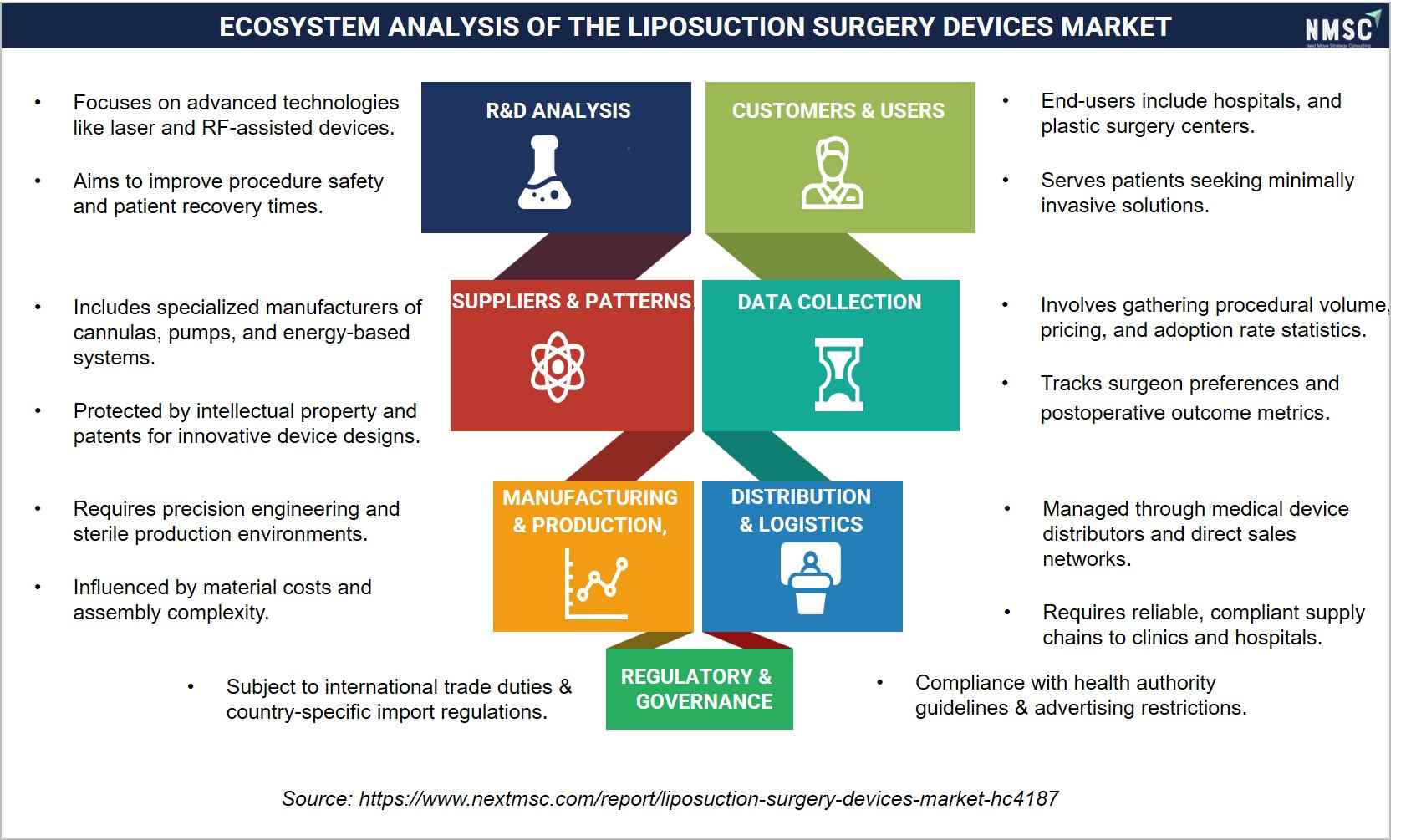
The image illustrates the ecosystem of the Liposuction Surgery Devices market, highlighting the interconnected components driving market dynamics. It captures key stakeholders, including R&D, suppliers, manufacturers, distributors, and customers, alongside essential functions like data collection, standardization, and regulatory governance. Each segment reflects critical processes, from innovation and production to distribution and compliance, that collectively shape market efficiency, cost structures, and adoption trends. Understanding this ecosystem enables stakeholders to identify growth opportunities, optimize supply chains, and align strategies with evolving liposuction surgery devices market demands.
What Are the Key Market Drivers, Breakthroughs, and Investment Opportunities that will Shape the Liposuction Surgery Devices Industry in the Next Decade?
Growth Catalyst & Risk Assessment Matrix
|
Drivers/trends/ Restraints |
(+/-) % Impact On CAGR Forecast |
Geographic Relevance |
Impact Timeline |
|
Rising demand for minimally invasive and aesthetic body-contouring procedures |
+1.2% |
Global, the strongest demand in North America, Europe, South Korea, Brazil |
Short to medium term (1–3 years) |
|
Technological advancements are improving safety, precision, and recovery time |
+1.0% |
Global, innovation led by the USA, Europe, and Japan |
Medium term (2–4 years) |
|
Growing medical tourism for cosmetic surgery due to cost advantages and skilled surgeons |
+0.8% |
Asia Pacific, Latin America, Middle East; inbound demand from North America & Europe |
Short to medium term (1–3 years) |
|
Increasing disposable income and social acceptance of cosmetic procedures, supported by social media influence |
+0.7% |
Global, high growth in emerging Asia and the Middle East |
Medium term (2–4 years) |
|
High device costs, stringent regulatory approvals, and risk of procedure-related complications are limiting adoption |
–0.6% |
Global, the strongest impact in developing markets and smaller clinics |
Medium term (2–4 years) |
Based on our 2024-2025 primary research, we observed sustained growth in the liposuction surgery devices market. Rising obesity prevalence is expanding the candidate pool for body-contouring procedures, particularly in post–weight-loss and high-volume anatomical treatments, driving demand for power-assisted and energy-based systems. Concurrently, patient preference for minimally invasive cosmetic procedures is accelerating adoption of compact, office-based liposuction technologies with shorter recovery times.
However, our clinic-level adoption analysis shows that high device acquisition costs, consumables, and training requirements continue to limit uptake among small and mid-sized practices. Looking forward, ongoing innovation in energy-based and smart liposuction systems presents a clear opportunity by improving safety, efficiency, and outcome predictability.
Growth Drivers:
How is the Growing Prevalence of Obesity Accelerating the Adoption of Liposuction Surgery Devices?
The growing prevalence of obesity is a significant structural driver of the liposuction surgery devices market, as it expands the population seeking medical and aesthetic fat-reduction interventions. Based on our research, including interviews with board-certified plastic surgeons and aesthetic clinic operators, we observed a steady increase in consultations from overweight and obese patients pursuing body contouring, particularly following lifestyle modification or bariatric procedures. Our clinical-level procedure data indicated higher utilization of advanced liposuction systems in regions with elevated obesity rates, especially for abdomen and flank treatments. Clinicians emphasized that rising obesity has increased demand for power-assisted and energy-based liposuction devices capable of managing larger fat volumes safely.
How is Preference for Minimally Invasive Cosmetic Surgeries Driving Liposuction Surgery Devices Market Growth?
The increasing preference for minimally invasive cosmetic procedures is a major demand catalyst for the liposuction surgery devices market, driven by changing patient expectations and evolving clinical practice models. Our analysis of aesthetic procedure volumes indicates that patients now prioritize treatments that balance contouring effectiveness with minimal disruption to daily life, favouring technologies that reduce incision size, anaesthesia requirements, and post-operative downtime. This shift has accelerated investment in compact, energy-assisted liposuction systems optimized for office-based and ambulatory settings. Our assessment further suggests that minimally invasive positioning improves patient acceptance and procedure frequency, particularly among working-age demographics, reinforcing sustained replacement and upgrade cycles for advanced liposuction devices.
Growth Inhibitor:
How are High Procedure and Device Costs Complexity Limiting the Liposuction Surgery Devices Market Expansion?
The high cost associated with advanced liposuction equipment and procedures remains a significant restraint on market growth. Based on our interactions with aesthetic clinic owners and procurement managers, capital investment for energy-assisted liposuction systems, along with recurring costs for disposables, maintenance, and surgeon training, creates financial barriers, particularly for small and mid-sized practices. Our analysis of clinic-level adoption patterns showed slower uptake in price-sensitive markets where procedures are predominantly self-paid and not reimbursed. Additionally, higher treatment costs limit patient accessibility, constraining procedure volumes despite rising aesthetic demand.
Growth Opportunity:
How is the Technological Innovation in Energy-Based and Smart Liposuction Systems Creating Opportunities for the Market?
Ongoing technological innovation represents a significant growth opportunity for the liposuction surgery devices market. Our evaluation of recent product launches indicates rising investment in next-generation energy-based systems that combine ultrasound, laser, or radiofrequency technologies with enhanced safety controls. Engagements with biomedical engineers highlighted growing interest in devices that offer improved tissue selectivity, real-time feedback, and consistent fat emulsification across patient profiles. These advancements support better clinical outcomes and expand the treatable patient base, including higher-BMI and revision cases. As clinics increasingly prioritize outcome predictability and procedural efficiency, manufacturers that successfully translate technological innovation into clinically validated, user-friendly platforms are well-positioned to capture incremental demand and premium pricing.
Regulatory Framework Impacting the Liposuction Surgery Devices Industry
The regulatory landscape plays a critical role in shaping the growth and adoption of liposuction surgery devices. Effective regulations ensure safety, compliance, and operational efficiency, while fostering innovation and standardization.
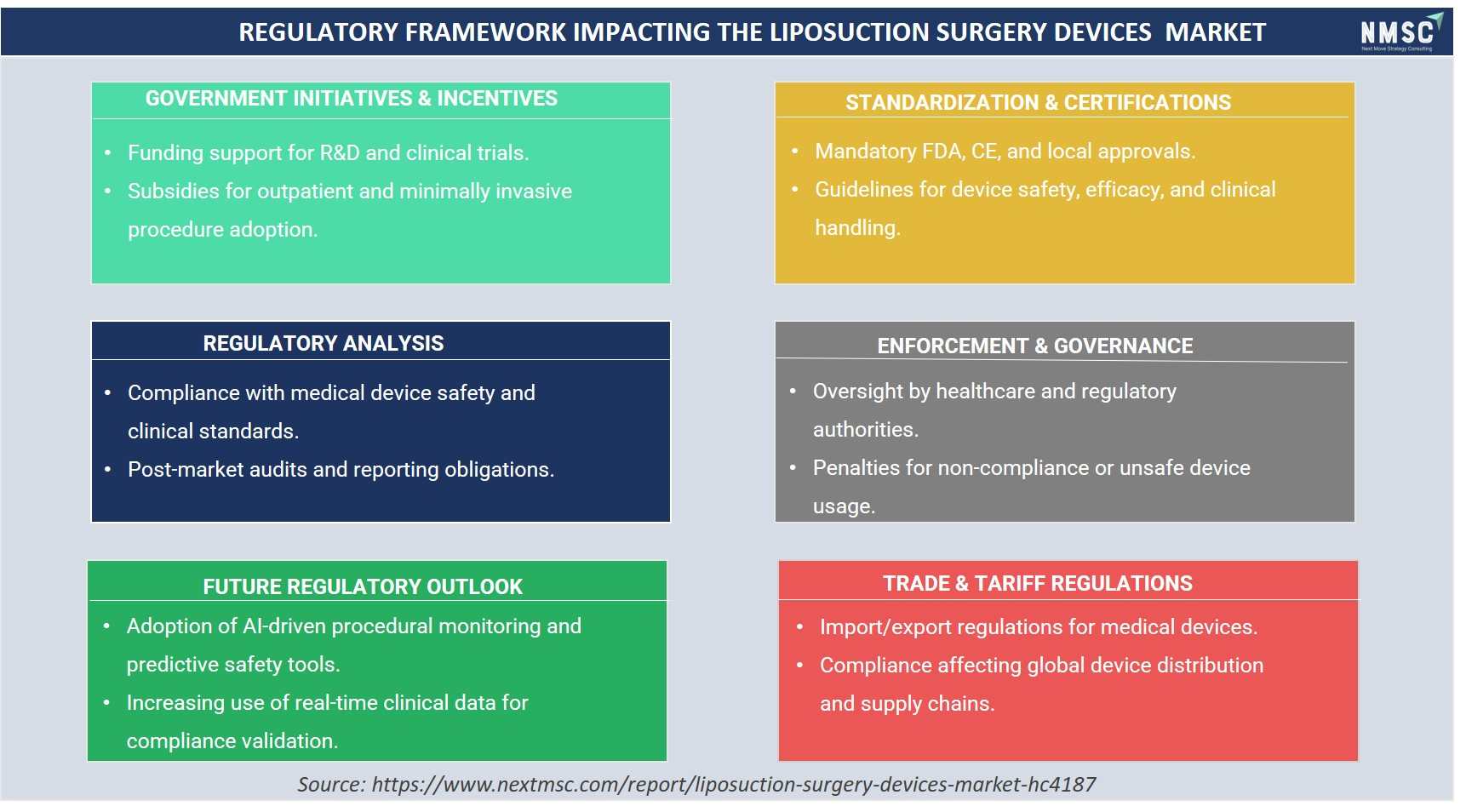
The image illustrates the regulatory framework shaping the global Liposuction Surgery Devices market. It highlights key areas influencing market operations, including government initiatives and incentives that promote R&D and minimally invasive procedures, standardization and certifications such as FDA and CE approvals, and regulatory compliance requirements. Additionally, it emphasizes enforcement measures, trade and tariff regulations, and the future outlook with AI-driven monitoring and real-time clinical data adoption. Collectively, these factors guide market safety, compliance, and global distribution strategies.
How Is the Liposuction Surgery Devices Market Segmented in This Report, And What Are the Key Insights from the Segmentation Analysis?
Market Highlights & Strategic Insights – Liposuction Surgery Devices Market:
|
Segments |
Key Takeaways |
|
Product Type |
Energy-based devices currently dominate due to superior fat emulsification and skin tightening outcomes. PAL remains widely used for efficiency and consistency. Hybrid / multi-modality systems are expected to dominate in the future as clinics prefer multifunctional platforms with reduced procedure time and enhanced results. |
|
Component |
Cannulas and pumps & canisters currently dominate the Liposuction Surgery Devices market due to their mandatory use across all procedures and high replacement rates. Going forward, energy transducers and single-use cartridges & fibers are expected to dominate as energy-based and hybrid liposuction systems gain wider adoption and drive higher recurring consumable demand. |
|
Technology |
Mechanical and power-assisted cannula systems account for a significant installed base due to cost-effectiveness. However, ultrasound-, laser-, and RF-based technologies are gaining traction and will drive future growth owing to precision, reduced trauma, and improved contouring outcomes. |
|
Gender |
Female patients dominate procedure volumes, driven by body contouring demand. Male segment is expected to grow steadily, supported by rising acceptance of aesthetic procedures and increased focus on abdominal and chest contouring. |
|
Age Group |
30–45 years represents the dominant age group due to aesthetic awareness and disposable income. 45–60 years is expected to grow fastest, driven by demand for fat reduction combined with skin tightening benefits. |
|
BMI Group |
Overweight patients dominate device usage, reflecting eligibility and safety considerations. Growth is expected across obese patients, supported by advanced energy-based systems enabling safer high-volume fat removal. |
|
Procedure Setting |
Outpatient procedures dominate, driven by minimally invasive techniques and faster recovery. This trend will strengthen further as energy-based and portable systems reduce hospital dependency. |
|
Device Configuration & Portability |
Console-based systems dominate high-volume centres due to power and versatility. Compact and modular devices are expected to grow fastest, driven by medical spas, clinics, and space-efficient outpatient settings. |
|
Pricing Tier |
Mid-range devices dominate adoption due to balanced cost-performance value. Premium devices see strong future demand driven by skin-tightening, fat grafting compatibility, and branding advantages. |
|
Distribution Channel |
Direct sales dominate among premium OEMs due to training and service needs. Distributor-led and e-commerce channels are expected to grow, particularly for compact and budget systems in emerging markets. |
|
Application |
Body contouring (abdomen, thighs, arms) dominates overall demand. Fat grafting and secondary procedures are expected to grow faster, driven by regenerative aesthetics and revision surgeries. |
|
End-User |
Speciality clinics and cosmetic surgery centres dominate due to procedure volumes and specialization. Medical spas and private practices are expected to expand rapidly, supported by minimally invasive, energy-based technologies. |
By Technology Insights
Which Technologies Drive Growth in the Liposuction Surgery Devices Market in 2025?
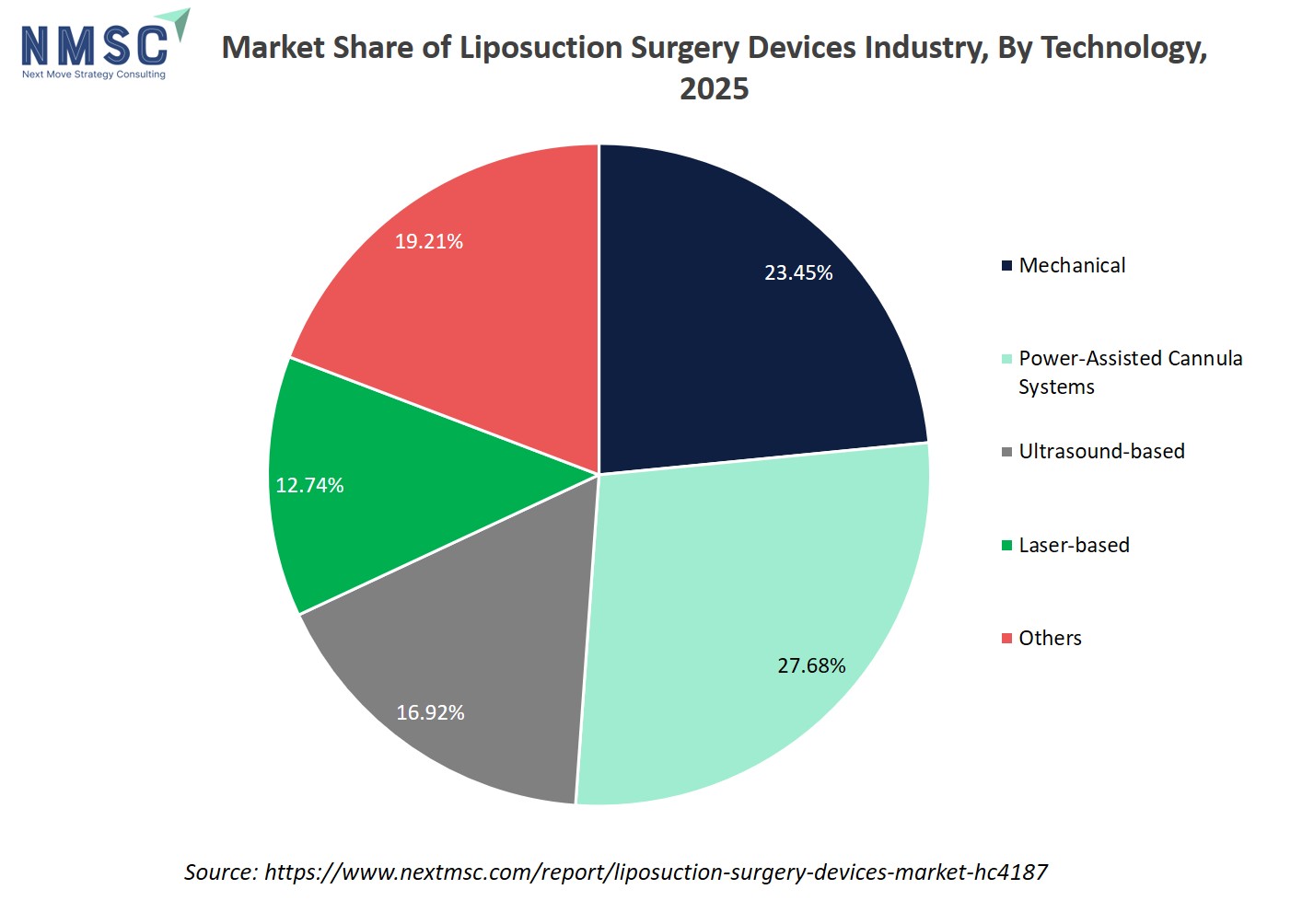
Based on our technology-level assessment of liposuction surgery device deployments across hospitals, speciality clinics, and ambulatory surgical centres, we observed that the market is segmented into mechanical systems, power-assisted cannula systems, ultrasound-based, laser-based, radiofrequency-based, hydro-based, cryo-assisted, and other emerging technologies.
Our evaluation of clinical adoption patterns indicates that power-assisted cannula systems led market growth in 2025, supported by their procedural efficiency, reduced surgeon fatigue, and broad applicability across high-volume body contouring procedures. Mechanical systems continued to maintain a strong installed base, particularly in cost-sensitive settings, due to their reliability, lower capital requirements, and ease of use. Ultrasound- and laser-based technologies gained significant traction as practitioners increasingly prioritised precision fat emulsification and controlled tissue disruption, especially in secondary and revision procedures.
Radiofrequency-based systems experience accelerated adoption, driven by rising demand for combined fat removal and skin tightening outcomes in aesthetic-focused practices. Meanwhile, hydro-based devices saw steady uptake for fat harvesting and fat grafting applications, supported by their ability to preserve adipocyte viability. Cryo-assisted and other emerging technologies accounted for a smaller share of deployments in 2025 but demonstrated gradual expansion as clinics explored differentiated, minimally invasive approaches and next-generation contouring solutions.
By BMI Group Insights
Which Patient BMI Groups Drive Procedure Demand in the Liposuction Surgery Devices Market Share in 2025?
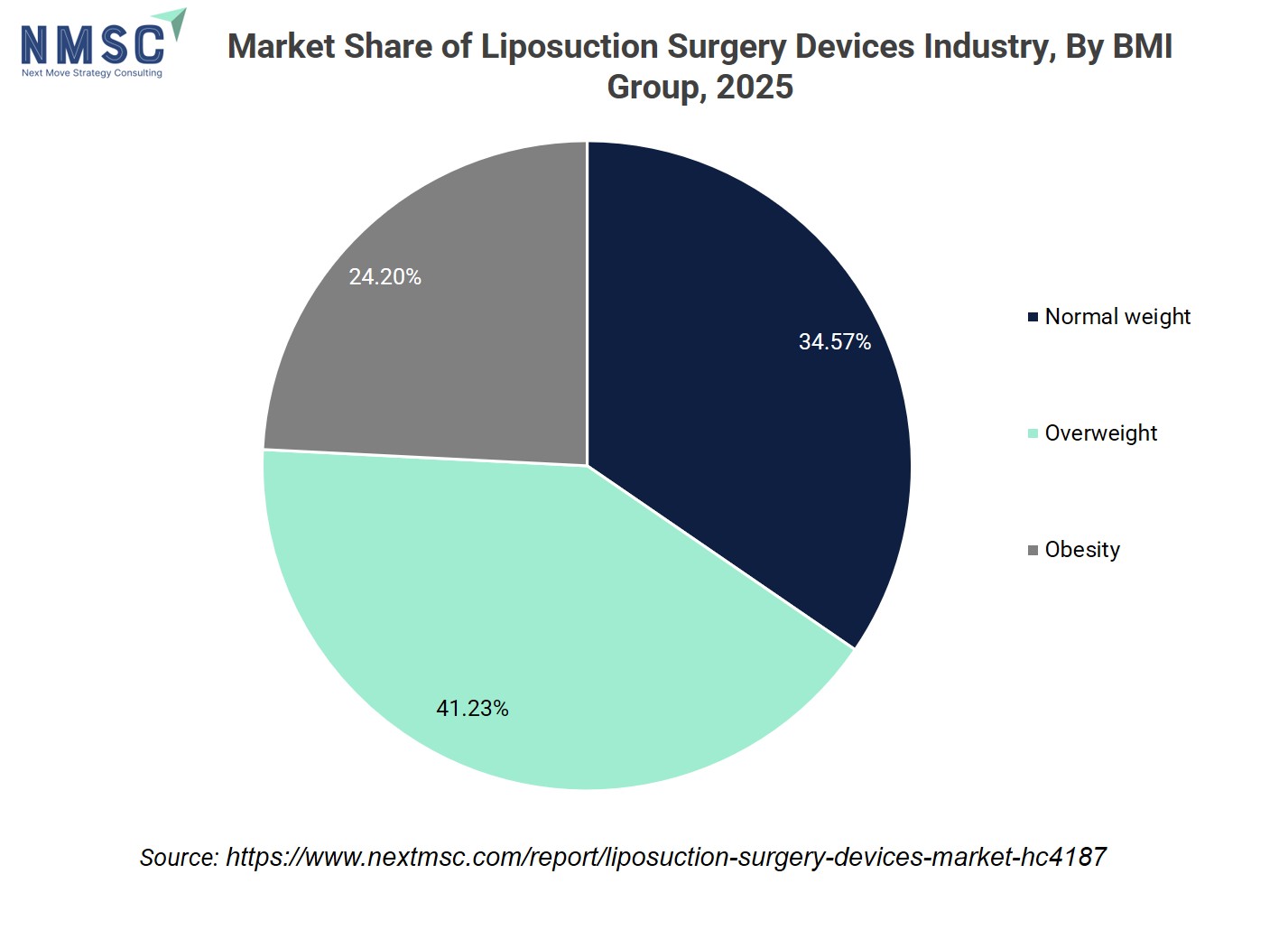
Based on our patient-level analysis, the liposuction surgery devices market is segmented by patient BMI into normal weight, overweight, and obese populations.
Our assessment indicates that overweight patients accounted for the largest share of procedures in 2025, driven by clinical suitability, favourable safety profiles, and high demand for localized fat reduction in body contouring applications. Normal-weight patients also represented a substantial portion of device utilization, particularly for aesthetic refinement procedures such as abdominal sculpting, chin and neck contouring, and secondary corrections.
However, obese patients contributed a comparatively smaller share of overall procedure volumes, primarily due to stricter clinical eligibility criteria and risk considerations. However, this segment demonstrated steady growth, supported by advancements in energy-based and high-capacity liposuction systems that enable safer fat removal, improved tissue control, and broader applicability in higher-BMI cases.
By Pricing Tier Insights
Which Pricing Tiers Drive Growth in the Liposuction Surgery Devices Market in 2025?
Based on our pricing-level analysis, the liposuction surgery devices market is segmented into premium technology devices, mid-range devices, and budget devices.
Our assessment indicates that mid-range devices dominated the market in 2025, driven by their optimal balance of reliable performance and cost-efficiency. This segment's leadership is fuelled by high-volume adoption among medium-sized hospitals and specialty clinics that require dependable, high-quality results without the intensive capital investment associated with top-tier systems. While premium technology devices continue to see growth in high-end aesthetic centres prioritizing niche, energy-based features, the mid-range tier remains the primary engine of market volume.
Meanwhile, budget devices maintained a smaller but steady foothold, particularly in emerging markets and cost-sensitive settings. This segment continues to expand as providers seek to offer accessible body contouring procedures while maintaining a strict focus on clinical efficacy and affordability.
Regional Outlook:
Geographic Performance Snapshot:
|
Regions |
Key Takeaways |
|
North America |
Market growth is driven by high procedure volumes, early adoption of advanced liposuction technologies, and a strong concentration of board-certified cosmetic surgeons. Rising demand for minimally invasive aesthetic procedures and continuous device innovation support sustained regional leadership. |
|
Europe |
Demand is supported by strict regulatory and safety standards, widespread acceptance of body-contouring procedures, and growth of private cosmetic clinics. Medical tourism and the adoption of technologically advanced devices continue to strengthen regional performance. |
|
Asia-Pacific |
Rapid expansion is fuelled by increasing aesthetic awareness, strong medical tourism flows, cost-competitive procedures, and large patient volumes across key countries. Urbanization, rising disposable incomes, and availability of advanced technologies accelerate adoption. |
|
Middle East & Africa (MEA) |
Growth is supported by rising demand for premium aesthetic procedures, expansion of private healthcare facilities, and increasing investments in cosmetic surgery infrastructure, particularly in Gulf countries. |
|
Latin America (LATAM) |
Regional momentum is driven by a strong cosmetic surgery culture, high surgeon expertise, expanding medical tourism, and increasing availability of modern liposuction devices across major markets. |
The liposuction surgery devices market is geographically studied across North America, Europe, Asia Pacific, the Middle East & Africa (MEA), and Latin America (LATAM), and each region is further studied across countries.
Liposuction Surgery Devices Market in North America
North America represents a mature, innovation-driven market for liposuction surgery devices, supported by advanced healthcare infrastructure, high aesthetic awareness, and strong adoption of minimally invasive procedures. Based on our regional assessments and interviews with plastic surgeons and clinic administrators, demand is sustained by high procedure volumes, rapid uptake of energy-assisted technologies, and continuous device upgrades. The region benefits from early adoption of ultrasound-, laser-, and power-assisted liposuction systems, driven by patient expectations for safety, precision, and reduced recovery time. Regulatory emphasis on patient safety and clinical outcomes continues to influence manufacturers' focus on compliance, device validation, and surgeon training.
Liposuction Surgery Devices Market in the United States
The United States remains the largest and most technologically advanced market for liposuction surgery devices. From our direct engagements with aesthetic clinics, we confirmed that adoption is driven by strong cosmetic procedure demand, high obesity prevalence, and patient preference for minimally invasive body contouring. Surgeons increasingly favour energy-based and smart liposuction platforms that improve efficiency and outcome consistency. Our analysis further indicates a clear shift toward bundled offerings that combine hardware, consumables, software upgrades, and training services, strengthening recurring revenue models for manufacturers and distributors.
Liposuction Surgery Devices Market in Canada
In Canada, we observed steady and structurally resilient growth in the liposuction surgery devices market, supported by rising demand for elective aesthetic procedures and a well-regulated healthcare environment. Our interactions with aesthetic practitioners highlighted increasing use of power-assisted and laser-assisted systems in private clinics, particularly in urban centres. Compared with the U.S., Canadian clinics tend to adopt fewer devices per site but prioritize reliability, extended service agreements, and compliance with stringent safety standards, supporting stable long-term demand for premium, well-supported systems.
Liposuction Surgery Devices Market in Europe
Europe demonstrates a regulation-intensive, quality-driven adoption profile for liposuction surgery devices. Based on our regional analysis and discussions with surgeons, we identified that demand is shaped by strict medical device regulations, strong patient safety standards, and growing interest in minimally invasive aesthetic treatments. Western and Northern Europe emphasize clinical validation, ergonomic design, and long-term device performance, while Southern Europe shows increasing adoption driven by medical tourism and outpatient cosmetic clinics. These dynamics raise entry barriers but enhance vendor credibility, system longevity, and customer retention.
Liposuction Surgery Devices Market in the United Kingdom
The UK liposuction surgery devices market is shaped by strong aesthetic awareness, growing outpatient procedure volumes, and increasing preference for minimally invasive cosmetic treatments. We observed that clinics are actively upgrading to energy-assisted liposuction systems to meet patient expectations for faster recovery and predictable outcomes. Buyers place high importance on regulatory compliance, training support, and post-sales service. Despite cost pressures and broader healthcare system constraints, demand continues to shift toward software-enabled, safety-focused devices suited for office-based procedures.
Liposuction Surgery Devices Market in Germany
Our research indicates that Germany exhibits a disciplined, engineering-led adoption pattern in the liposuction surgery devices market. German practitioners prioritize device precision, safety certifications, and long-term reliability. Adoption is further driven by established plastic surgery practices and a strong preference for clinically validated technologies. Close collaboration between manufacturers, distributors, and clinicians supports premium system adoption, particularly for ultrasound-assisted and multi-modal liposuction platforms designed for consistent, reproducible outcomes.
Liposuction Surgery Devices Market in France
In France, the liposuction surgery devices market is expanding steadily, supported by rising demand for aesthetic body-contouring procedures and growing acceptance of minimally invasive techniques. Our market assessment showed increasing adoption of advanced liposuction systems in private clinics, particularly in urban regions. Regulatory oversight and patient safety expectations strongly influence purchasing decisions, favouring vendors with robust clinical data, local service networks, and transparent training programs.
Liposuction Surgery Devices Market in Italy
Our analysis indicates that Italy’s liposuction surgery devices market is driven by a combination of aesthetic demand, medical tourism, and the ongoing modernization of private cosmetic clinics. As a result, there is growing adoption of flexible and compact liposuction systems designed for outpatient environments, where procedural efficiency and space optimization are critical. Given the fragmented nature of clinic infrastructure across the country, demand is further skewed toward modular and easy-to-integrate devices that deployed without extensive facility upgrades. In this operating context, manufacturers that offer turnkey solutions, supported by strong local distributor networks and competitive pricing strategies, achieve higher market penetration and faster adoption.
Liposuction Surgery Devices Market in Spain
Spain shows accelerating adoption of liposuction surgery devices, driven by increasing cosmetic procedure volumes and strong demand from private clinics. Our engagements revealed growing interest in minimally invasive, energy-assisted systems that balance affordability with clinical performance. While price sensitivity remains, clinics favour devices that offer quick onboarding, reliable outcomes, and low maintenance requirements, supporting broader adoption across mid-sized practices.
Liposuction Surgery Devices Market in the Nordics
The Nordic region, comprising Sweden, Norway, Finland, Denmark, and Iceland, represents a quality-focused and technologically mature market for liposuction surgery devices. Consistent with this positioning, our observations indicate that practitioners place strong emphasis on patient safety, procedural efficiency, and long-term device reliability. This preference is reinforced by high levels of trust in medical technology and rigorous regulatory compliance, which together support the adoption of advanced, data-enabled liposuction systems. As a result, vendors that offer energy-efficient designs, transparent clinical validation, and comprehensive lifecycle support are well positioned to secure repeat business across these countries, where healthcare standards, aesthetic awareness, and technology adoption remain uniformly high.
Liposuction Surgery Devices Market in the Asia-Pacific
Asia-Pacific is both the fastest-growing and most diverse regional market for liposuction surgery devices. Based on our analysis of deployment trends and vendor pipelines, we observed that growth is driven by rising disposable incomes, expanding aesthetic awareness, and the rapid growth of private cosmetic clinics across China, Japan, South Korea, and Southeast Asia. Adoption patterns vary, with Japan prioritizing precision and safety, South Korea leading aesthetic innovation, China scaling through domestic manufacturers, and Southeast Asia showing strong uptake in high-volume urban clinics. Further, local partnerships, clinician training, and regulatory navigation remain critical to successful market expansion.
Liposuction Surgery Devices Market in China
Our primary research with board-certified plastic surgeons and clinic administrators indicates strong demand for energy-assisted, laser-, and ultrasound-based systems capable of delivering high-volume fat reduction safely and efficiently. Further, China represents a large and rapidly expanding market for liposuction surgery devices, driven by rising aesthetic awareness, growing urban disposable incomes, and the rapid expansion of private cosmetic clinics. In this context, local device manufacturers, supported by streamlined regulatory pathways and well-established domestic supply chains, have enabled competitive pricing and faster market adoption. As a result, international vendors seeking sustained success in China must go beyond product differentiation and prioritize localized clinical training, robust in-market validation, and seamless alignment with domestic practice standards to meet heightened expectations around patient safety and procedural efficiency.
Liposuction Surgery Devices Market in Japan
Japan exhibits steady, quality-driven growth in liposuction surgery devices, shaped by an ageing population, labour-intensive healthcare environments, and high patient expectations for procedural safety and outcomes. Our field interviews with aesthetic surgeons highlight a preference for high-precision, reliable, and clinically validated devices. Adoption emphasizes systems with advanced energy delivery, integrated feedback, and strong post-sale support. Brand reputation and local service presence remain critical for acceptance, favouring premium vendors capable of delivering consistent performance, ergonomic design, and long-term maintenance.
Liposuction Surgery Devices Market in India
India is an emerging, fast-growing market for liposuction surgery devices, fueled by rising urbanization, growing disposable incomes, and expanding private cosmetic healthcare infrastructure. From our engagements with surgeons and clinic administrators, we assessed that initial adoption focused on cost-effective, energy-assisted liposuction systems suited for small- to mid-sized clinics, while advanced multi-modal devices gained traction in high-volume urban centres. Vendors that offer modular deployment, localized training programs, and competitive pricing have achieved faster penetration, meeting increasing patient demand for safe, minimally invasive body-contouring procedures.
Liposuction Surgery Devices Market in South Korea
South Korea is an advanced adopter of liposuction surgery devices, characterized by rapid uptake of cutting-edge technologies and high procedural standards. Our research with aesthetic surgeons shows a strong preference for energy-assisted, AI-enabled systems that enhance precision, safety, and outcome predictability. Local clinics emphasise integrated platforms, reliable service support, and rapid adoption of innovative devices. Also, vendors that establish partnerships with leading hospitals, training institutions, and professional associations are positioned to capture premium segments and accelerate market penetration.
Liposuction Surgery Devices Market in Taiwan
Taiwan demonstrates early adoption of advanced liposuction surgery devices, supported by a strong medical technology ecosystem and high clinician affinity for new technologies. Within this environment, our field assessments indicate sustained demand for systems offering reliable energy-assisted modalities, real-time procedural feedback, and compatibility with existing clinic workflows. Before full-scale deployment, clinics typically validate new devices through pilot procedures, with purchasing decisions heavily influenced by demonstrated ROI, patient satisfaction outcomes, and safety performance. Accordingly, vendors that deliver seamless system integration, localized technical support, and comprehensive clinician training achieve faster adoption and higher levels of customer trust.
Liposuction Surgery Devices Market in Indonesia
Indonesia’s liposuction surgery devices market is at an early but accelerating stage, driven by urbanization, rising aesthetic awareness, and growing private clinic infrastructure. Our interviews with practitioners indicates that affordability, ease of deployment, and clinician training support are critical for adoption. Major metropolitan clinics are leading initial uptake, while strategic partnerships with local distributors and training institutions enable broader penetration and sustainable growth across secondary cities.
Liposuction Surgery Devices Market in Australia
In Australia, the liposuction surgery devices market benefits from a focus on patient safety, operational efficiency, and clinic-level procedure quality. From our research with aesthetic clinics and hospital outpatient centres, we observed that high adoption is observed for energy-assisted and multi-modal liposuction systems that enable predictable outcomes and reduced recovery times. Vendors offering integrated software, remote monitoring, and lifecycle support are well-positioned to capture long-term demand across urban and regional clinics.
Liposuction Surgery Devices Market in Latin America
Latin America represents a fast-growing market for liposuction surgery devices, driven by rising cosmetic procedure volumes, urban clinic expansion, and increasing aesthetic awareness across major metropolitan areas. Based on our field research with Brazilian aesthetic clinics, adoption trends favour cost-effective, safe, and minimally invasive systems that supports high-volume outpatient procedures. In this context, local financing options, integrator partnerships, and phased deployment models play a critical role in enabling broader device adoption despite ongoing economic and regulatory variability. As a result, vendors that successfully combine affordability with robust clinical training programs and responsive post-installation support achieve stronger market penetration across the region.
Liposuction Surgery Devices Market in the Middle East & Africa
The Middle East represents a high-value market for liposuction surgery devices, particularly in Gulf countries with affluent populations, high cosmetic procedure demand, and established private clinic infrastructure. Our engagements with aesthetic practitioners indicate a strong preference for premium, energy-assisted, and minimally invasive systems with robust training and lifecycle support. In contrast, Africa is an emerging market, where adoption remains limited but is growing in urban centres with private cosmetic clinics. Cost-effective, scalable solutions tailored to local clinical and training environments are critical for sustainable growth.
SWOT Analysis of the Liposuction Surgery Devices Market
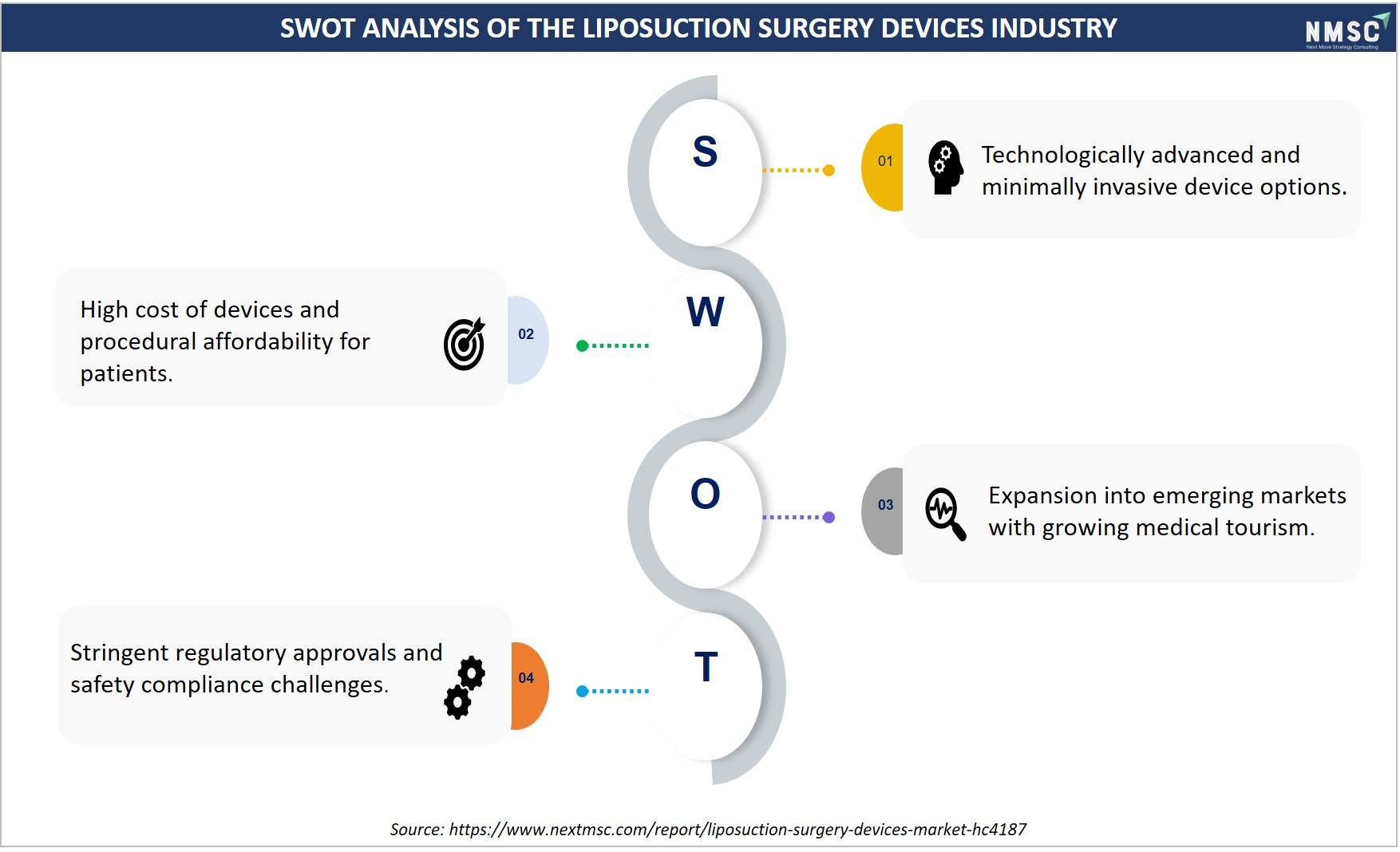
This SWOT analysis provides a strategic snapshot of the liposuction surgery devices market. It evaluates internal strengths and weaknesses, such as advanced technology versus high costs, alongside external opportunities and threats, including market expansion potential and regulatory hurdles. The visual framework concisely presents these four critical factors, offering stakeholders a clear overview of the market's current strategic landscape and the key drivers influencing its competitive dynamics and future growth.
Competitive Landscape
Competitive Dynamics & M&A Landscape:
|
Key Takeaways |
|
The global liposuction surgery devices market is characterized by a combination of large, established aesthetic device manufacturers, including Allergan Aesthetics (AbbVie), Alma Lasers, Cynosure LLC, Lumenis Be Ltd., Cutera, Inc., Solta Medical Inc., Sciton, Zimmer MedizinSysteme GmbH, BTL Group of Companies, and InMode, alongside specialized and niche-focused players such as MicroAire, Euromi, NOUVAG AG, Human Med AG, Erchonia Corporation, Genesis Biosystems, Inc., Apyx Medical Corporation, MEDIKAN Co., LTD., and Beijing VCA Laser Technology Co., Ltd. Established vendors leverage global distribution networks, strong clinical adoption, and broad aesthetic portfolios. At the same time, smaller specialists compete through focused innovation in power-assisted, laser-assisted, ultrasound-assisted, and RF-assisted liposuction systems. |
|
From our competitive strategy perspective, manufacturers increasingly prioritize technology differentiation and procedural efficiency, emphasizing enhanced fat emulsification, improved skin tightening, reduced surgeon fatigue, and better patient safety outcomes. Companies such as InMode, Apyx Medical Corporation, Alma Lasers, Cynosure, and Lumenis focus on energy-based and RF- or laser-assisted platforms, while MicroAire, Euromi, NOUVAG AG, and Human Med AG strengthen their positions in power-assisted and mechanically driven liposuction systems. Modular device design, platform-based offerings, and compatibility with ambulatory surgical and office-based settings have emerged as critical differentiators. |
|
Recent merger, acquisition, and partnership activity in the liposuction surgery devices market reflects a strategic shift toward expanding adjacent body-contouring technologies, intellectual property, and regional market access rather than solely scaling core suction hardware. Leading companies, including AbbVie (Allergan Aesthetics), Solta Medical, BTL Group, and InMode, increasingly pursue portfolio expansion across surgical and non-surgical aesthetics, while other players focus on strengthening distribution, consumables, and service-led revenue models. These strategies support faster innovation cycles, broader treatment ecosystems, and improved long-term competitiveness within the global aesthetic surgery landscape. |
Which Companies Dominate the Liposuction Surgery Devices Industry and How Do They Compete?
Based on our analysis, the liposuction surgery devices market is led by a group of established global aesthetic device manufacturers alongside specialized, procedure-focused technology providers. Market leadership is consistently observed among companies such as Allergan Aesthetics (AbbVie), Alma Lasers, and InMode, which benefit from strong clinical credibility, broad product portfolios, and extensive international distribution networks. These vendors are frequently selected by high-volume plastic surgery clinics and hospitals where regulatory compliance, device reliability, and long service lifecycles are critical purchasing criteria. Alongside these incumbents, specialist manufacturers, including MicroAire, Euromi, and Beijing VCA Laser Technology Co., Ltd., compete by focusing on power-assisted, laser-assisted, ultrasound-assisted, and RF-assisted liposuction technologies. These companies are favoured for their procedural efficiency, surgeon-centric system design, and targeted innovation addressing fat emulsification, reduced operative time, and improved patient recovery profiles.
Market Dominated by Liposuction Surgery Devices Giants and Specialists
From our assessment, the competitive landscape of the liposuction surgery devices market is shaped by a clear division between large, diversified aesthetic device leaders and procedure-focused specialists. Established companies such as Allergan Aesthetics (AbbVie) and InMode play a central role in setting clinical and commercial benchmarks. These vendors benefit from strong physician trust, extensive regulatory clearances, and global service infrastructures, making them preferred partners for high-volume plastic surgery practices and hospital-based aesthetic departments.
In parallel, specialist manufacturers, including MicroAire, Euromi, and Beijing VCA Laser Technology Co., Ltd., have gained traction by focusing on specific liposuction modalities, such as power-assisted and RF-assisted systems. Larger aesthetic device groups establish standards around safety, clinical validation, and portfolio breadth, while specialist players accelerate innovation through focused R&D, modular system design, and rapid iteration aligned with surgeon feedback.
Innovation and Adaptability Drive Market Success
Innovation continues to serve as a core source of competitive advantage in the liposuction surgery devices market trends, supported by consistent evidence from clinical use cases, surgeon adoption trends, and technology uptake across hospitals, ambulatory surgical centres, and office-based aesthetic practices. Established manufacturers such as Allergan Aesthetics (AbbVie), Alma Lasers, Cynosure LLC, Lumenis Be Ltd., InMode, Solta Medical Inc., Sciton, Zimmer MedizinSysteme GmbH, and BTL Group of Companies have demonstrated sustained leadership by advancing energy-based and minimally invasive liposuction systems that align with evolving clinical standards. Their product development strategies emphasize improved fat emulsification efficiency, enhanced skin contraction, procedural accuracy, and robust safety profiles, factors that are consistently prioritized by experienced clinicians.
Market Players to Opt for Merger & Acquisition Strategies to Expand Their Presence
Mergers and acquisitions have emerged as a critical growth strategy in the liposuction surgery devices market, as manufacturers seek to accelerate access to complementary technologies and broaden their aesthetic portfolios. Based on our market analysis, leading companies increasingly target acquisitions and partnerships involving adjacent body-contouring technologies, RF and laser energy platforms, consumables, and regional distribution capabilities, rather than focusing solely on core suction hardware. This approach has been evident among both large players and specialists such as Apyx Medical Corporation, MicroAire, Euromi, NOUVAG AG, Human Med AG, and Genesis Biosystems, Inc., enabling faster innovation cycles, improved system interoperability, and expansion into high-growth cosmetic surgery markets.
As competitive intensity increases, consolidation continues to reshape the landscape by strengthening clinical evidence, service depth, and global execution, key factors underpinning long-term success and physician trust.
Strategic Framework for the Liposuction Surgery Devices Industry
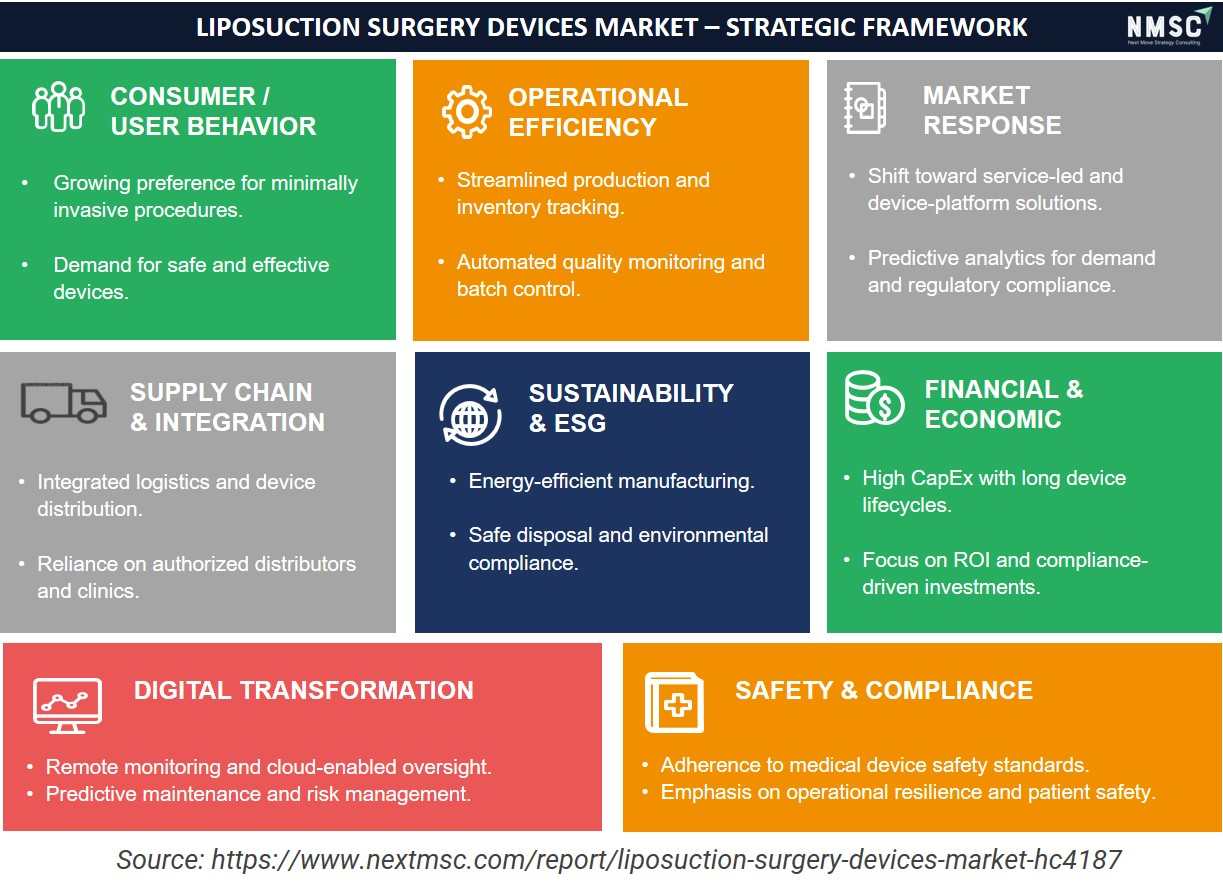
The liposuction surgery devices market is guided by a multi-dimensional strategic framework that aligns with evolving industry dynamics. This visual framework maps the critical drivers, from shifting consumer demand for minimally invasive solutions to the imperatives of digital integration, regulatory compliance, and sustainable operations. It illustrates how manufacturers and providers navigate a landscape defined by technological innovation, supply chain complexity, and economic pressures, ensuring growth through safety, efficiency, and strategic market responsiveness.
List of Key Liposuction Surgery Devices Companies
-
Beijing VCA Laser Technology Co., Ltd.
-
ALLERGAN AESTHETICS (ABBVIE)
-
Cynosure LLC
-
Lumenis Be Ltd.
-
MicroAire
-
Erchonia Corporation.
-
Cutera, Inc.
-
Human Med AG
-
NOUVAG AG
-
Zimmer MedizinSysteme GmbH
-
Euromi
-
MicroAire
-
Inmode
-
MEDIKAN Co., LTD.
-
Solta Medical Inc.
-
Genesis Biosystems, Inc
-
BTL Group of Companies.
-
Apyx Medical Corporation
What Are The Latest Key Industry Developments?
-
July 2024 - InMode introduced next-generation minimally invasive platforms such as IgniteRF and enhancements to BodyTite/FaceTite technology supporting soft tissue contraction and body contouring.
Expert Insights
 Apyx is dedicated to “redefining body contouring by giving surgeons a powerful, precise, and minimally invasive way to achieve superior skin contraction and sculpting results.”
Charlie Goodwin, CEO of Apyx Medical
What Are The Key Factors Influencing Investment Analysis & Opportunities In The Liposuction Surgery Devices Industry?
Investment analysis in the liposuction surgery devices market is increasingly shaped by a shift toward platform-based, technology-enabled, and service-oriented business models, rather than standalone hardware offerings. Based on our assessment of recent mergers and acquisitions and strategic partnerships involving aesthetic medical device manufacturers, we observed that investors consistently favoured companies generating recurring revenues through consumables, software-enabled upgrades, training programs, and long-term service contracts.
Vendors demonstrating strong clinical differentiation, such as energy-assisted or smart liposuction platforms with validated safety and outcome data, attracted higher valuation multiples. We also identified growing investor focus on technologies that enhance procedural efficiency, consistency, and scalability across clinic networks. Strategic investments by healthcare groups and device OEMs increasingly complement financial funding, signalling that companies combining technological innovation with regulatory readiness and proven commercialization models represent the most attractive long-term investment opportunities.
Key Benefits for Stakeholders:
Next Move Strategy Consulting (NMSC) provides a comprehensive assessment of the liposuction surgery devices market, analysing historical developments from 2020 to 2025 and delivering forward-looking forecasts through 2035. Our study evaluates the market across global, regional, and country-level dimensions, combining quantitative forecasts with qualitative insights into core growth drivers, adoption constraints, technological evolution, and investment dynamics across major device categories.
From our evaluation, the liposuction surgery devices market creates differentiated value across the ecosystem. Investors benefit from recurring revenue potential driven by consumables, service contracts, training programs, and software-enabled device platforms. Surgeons and aesthetic clinics gain access to advanced technologies that improve procedural efficiency, safety, and patient outcomes. Device manufacturers, distributors, and service partners benefit from long-term customer relationships, upgrade cycles, and expanding demand for minimally invasive, energy-assisted liposuction solutions, supporting sustainable growth and margin stability.
|
Parameters
|
Details |
|
Customization Scope |
Free customization (equivalent to up to 80 analyst-working hours) after purchase. Addition or alteration to country, regional & segment scope. |
|
Pricing and Purchase Options |
Avail customized purchase options to meet your exact research needs. |
|
Approach |
In-depth primary and secondary research; proprietary databases; rigorous quality control and validation measures. |
|
Analytical Tools |
Porter's Five Forces, SWOT, value chain, and Harvey ball analysis to assess competitive intensity, stakeholder roles, and relative impact of key factors. |
Devices Surgery Devices Market Key Segments
By Product Type
-
Suction-Assisted Liposuction (SAL)
-
Power-Assisted Liposuction (PAL)
-
Energy-Based Devices
-
Ultrasound-Assisted Liposuction (UAL)
-
Laser-Assisted Liposuction (LAL)
-
Radiofrequency-Assisted Liposuction (RFAL)
-
Water-Assisted Liposuction (WAL)
-
-
Hybrid Systems
By Component
-
Cannulas
-
Micro Cannulas
-
Standard Cannulas
-
Multi-Ported Cannulas
-
Adipose Grafting Cannulas
-
-
Pumps & Canisters
-
Vacuum Aspirator Units
-
Suction Pumps
-
Collection Canisters
-
Tubing And Connectors
-
-
Energy Transducers
-
Ultrasonic Probes
-
Laser Fibers
-
Radiofrequency (RF) Probes
-
-
Cartridges & Fibers
-
RF Disposable Tips
-
Laser Fiber Tips
-
Energy Cartridges
-
-
Tumescent Infiltration Sets & Pumps
-
Infiltration Pumps
-
Syringes
-
Tubing Sets
-
Infiltration Needles and Connectors
-
-
Fat-Processing Kits
-
Centrifuge Systems
-
Filtration Devices
-
Separation Cartridges
-
Fat Transfer Preparation Kits
-
-
Filtration & Collection Consumables
-
Inline Filters
-
Sterile Collection Canisters
-
Fluid Management Bags
-
Waste Disposal Accessories
-
-
Sterilization & Reprocessing Supplies
-
Sterilization Trays
-
Reprocessing Kits
-
Cleaning Solutions
-
Packaging and Wrapping Materials
-
By Technology
-
Mechanical
-
Manual/Suction
-
Power-Assisted Cannulas
-
-
Power-Assisted Cannula Systems
-
Ultrasound-Based
-
Laser-Based
-
Radiofrequency-Based
-
Hydro-Based
-
Cryo-Assisted
-
Others
By Gender
-
Female
-
Male
By Age Group
-
<30 Years
-
30–45 Years
-
45–60 Years
-
60 Years
By BMI Group
-
Normal weight
-
Overweight
-
Obesity
-
Class I
-
Class II
-
Class III
-
By Procedure Setting
-
Inpatient
-
Outpatient
By Device Configuration & Portability
-
Console-Based Systems
-
Compact Systems
-
Modular Devices
By Pricing Tier
-
Premium Technology Devices
-
Mid-Range Devices
-
Budget Devices
By Distribution Channel
-
Direct Sales
-
Distributors
-
E-Commerce
-
Clinical Trial
By Application
-
Body Contouring
-
Abdomen
-
Thighs
-
Arms
-
Buttocks
-
Back
-
Chin
-
Neck
-
Others
-
-
Fat Grafting
-
Fat Harvesting
-
Fat Processing
-
Fat Reinjection
-
-
Facial Liposuction
-
Fine Cannulas
-
Precision Contouring
-
-
Reconstructive Indications
-
Gynecomastia
-
Lipoma Removal
-
Post-Traumatic Reconstructions
-
Post-Oncologic Reconstructions
-
-
Secondary Procedures
-
Other Aesthetic Interventions
By End-User
-
Hospitals
-
Speciality Clinics
-
Plastic surgery clinics
-
Dermatology centres
-
-
Ambulatory Surgical Centres (ASCs)
-
Cosmetic Surgery Centres
-
Medical spas
-
Private practices
-
Others
Geographical Breakdown
-
North America: U.S., Canada, and Mexico.
-
Europe: UK, Germany, France, Italy, Spain, Sweden, Denmark, Finland, the Netherlands, and the Rest of Europe.
-
Asia Pacific: China, India, Japan, South Korea, Taiwan, Indonesia, Vietnam, Australia, Philippines, Malaysia and the rest of APAC.
-
Middle East & Africa (MEA): Saudi Arabia, UAE, Egypt, Israel, Turkey, Nigeria, South Africa, and the rest of MEA.
-
Latin America: Brazil, Argentina, Chile, Colombia, and the rest of LATAM.
Conclusion & Recommendations
This report provides stakeholders, industry participants, investors, and consultants with actionable, evidence-based intelligence to navigate the ongoing transformation of the market. By integrating primary research, proprietary market data, and structured analytical frameworks, NMSC’s Liposuction Surgery Devices Market Report serves as a reliable decision-support resource for a clinically and commercially evolving sector.
The market is positioned for sustained growth, supported by rising obesity prevalence, increasing preference for minimally invasive cosmetic procedures, and expanding private aesthetic healthcare infrastructure. Strategic insights highlight the growing importance of energy-assisted and smart liposuction platforms, software-enabled safety controls, and comprehensive training and service models, as these factors improve clinical outcomes and long-term return on investment. For executives and investors, value creation increasingly depends on sustained R&D investment, regulatory readiness, and geographic expansion into high-growth markets, particularly Asia-Pacific and emerging private healthcare hubs, while maintaining strong clinical validation and practitioner trust.


About the Author
 Tushmi Dutta
— Tushmi Dutta is a focused researcher specializing in detailed analysis and insight-driven research across diverse business landscapes. She supports strategic initiatives through structured data interpretation, thorough validation, and clear communication of findings that aid informed decision-making. With a strong interest in writing, she enjoys presenting research insights in an engaging and accessible manner. Beyond work, she enjoys traveling, reading, painting, and continuously learning new skills that contribute to her creative and professional growth.
Tushmi Dutta
— Tushmi Dutta is a focused researcher specializing in detailed analysis and insight-driven research across diverse business landscapes. She supports strategic initiatives through structured data interpretation, thorough validation, and clear communication of findings that aid informed decision-making. With a strong interest in writing, she enjoys presenting research insights in an engaging and accessible manner. Beyond work, she enjoys traveling, reading, painting, and continuously learning new skills that contribute to her creative and professional growth.
About the Reviewer
 Supradip Baul
— Supradip Baul is an accomplished business consultant and strategist with over a decade of rich experience in market intelligence, strategy, technology, and business transformation. His work has included rigorous qualitative and quantitative analysis across multiple industries, helping clients shape investment decisions and long-term roadmaps. Earlier in his career, he was associated with Gartner, where he contributed to industry-leading reports and market share analyses. He has worked with leading global companies and holds an MBA with a dual specialization in Marketing and Finance.
Supradip Baul
— Supradip Baul is an accomplished business consultant and strategist with over a decade of rich experience in market intelligence, strategy, technology, and business transformation. His work has included rigorous qualitative and quantitative analysis across multiple industries, helping clients shape investment decisions and long-term roadmaps. Earlier in his career, he was associated with Gartner, where he contributed to industry-leading reports and market share analyses. He has worked with leading global companies and holds an MBA with a dual specialization in Marketing and Finance.
At Next Move Strategy Consulting, we understand that insightful market research is the cornerstone of successful business decisions. That's why we employ a robust and multifaceted approach, combining various methodologies to deliver the most accurate and actionable data for our clients.

Research Landscape
We navigate the world of research with two primary approaches:
Qualitative Approach
Our qualitative research methodologies involve immersive techniques such as in-depth interviews, focus groups, and observational studies. By engaging directly with individuals and stakeholders, we uncover valuable insights that quantitative data alone may overlook.

Quantitative Research
In tandem with qualitative methodologies, NMSC leverages the power of Quantitative Research to provide a robust foundation of numerical insights. Through systematic data collection and analysis, we quantify patterns, preferences, and market trends, offering a comprehensive view of the business landscape.
Our quantitative research approach employs diverse tools, including surveys, experiments, and statistical modelling. These methodologies enable us to gather data from a large and representative sample, ensuring the statistical significance of our findings. By employing structured questionnaires and standardized data collection methods, we guarantee the reliability and validity of the information we present to our clients.
Quantitative research is particularly effective in measuring the prevalence of trends, assessing market size, and gauging the impact of various factors on consumer behavior. The numerical precision attained through this approach equips our clients with actionable insights, facilitating data-driven decision-making and strategy formulation.


Our Specialized Toolbox for Industry-Specific Market Research
We deploy a specialized arsenal of techniques tailored to meet your unique requirements. Here's a glimpse into our comprehensive toolbox:

Information Procurement
The stage entails acquiring market data or relevant information through various sources and methodologies.


Market Research Approach
We utilize both top-down and bottom-up approaches in market research analysis to achieve a comprehensive understanding of the market dynamics, leveraging the broad perspective of industry trends and macroeconomic factors alongside detailed insights from specific segments and individual companies.

Porters Five Forces Analysis
We conduct Porter's Five Forces analysis to evaluate the competitive landscape of an industry, providing us with insights into factors that affect profitability and strategic positioning.

SWOT Analysis

Forecasting
We utilize a forecasting model to predict future consumption by considering parameters like population, economics, regulations, market competition, drivers, constraints, technology, and pricing. We also employ statistical techniques such as multilinear regression, exponential smoothing, moving average, ARIMA, and Monte Carlo simulations for accurate predictions. In econometric forecasting, we analyzed short-term and long-term event impacts, attributing values based on regulatory frameworks, economic factors, and market events.





 Speak to Our Analyst