Aesthetic Clinic in Tampines: How Personalised Skin Treatments Are Shaping the Future of Skincare
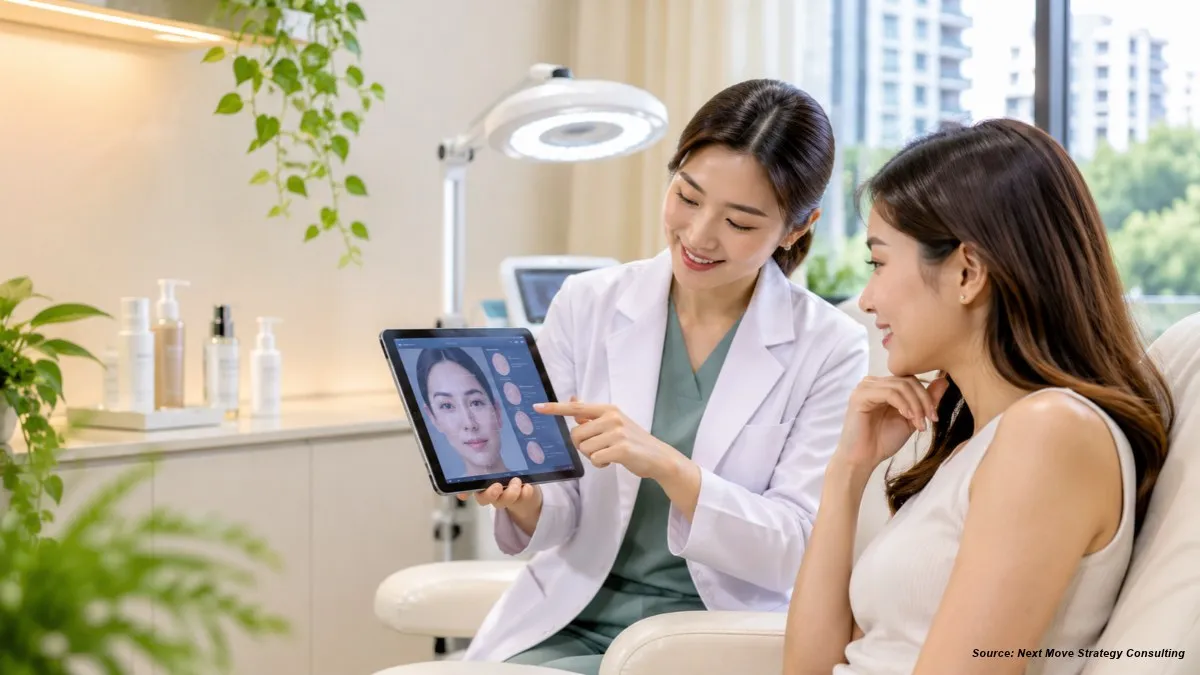
"Balanced" skin is often not simple, nor is it a simple "one-size-fits-all" formula. Genetics, age, lifestyle, exposure to the environment, and hormonal changes all influence how skin behaves and reacts to treatments. While traditional skincare emphasises one-size-fits-all solutions, new aesthetics are beginning to understand the need to know about skin conditions before suggesting an approach.
This has become proven to be making more of the specialised practice related to the aesthetic clinic in Tampines for those looking for different skin care practices. Patients can determine treatments based upon skin type, issues and future goals rather than just choosing something based upon some new trend. With personalised skincare, the idea of skin health is increasingly shifting from momentary trends to intentional practices of appropriate treatments and ongoing maintenance.
Switching to Personalised Skincare
Personalised skincare concerns analysing a person's skin profile and formulating a tailored treatment regimen. It acknowledges that two people with similar concerns might require different approaches based on differences in skin conditions, sensitivities or medical histories.
For example, someone who is experiencing uneven pigmentation may have sun-induced discolouration, post-inflammatory hyperpigmentation, or melasma. While these conditions might result in similar-looking changes, not all may respond to the same treatment.
Acne-prone skin can also involve excess oil production, clogged pores, inflammation, or hormonal influences. Therefore, understanding the root cause of the skin condition allows practitioners to determine what treatments may be appropriate.
This individualised process takes skincare away from generic recommendations and into more informed, condition-based choices.
The Secret to Better Treatments: Why Do You Need a Skin Assessment?
A thorough skin assessment is essential for customising an aesthetic treatment. Before recommending treatments, practitioners need to understand the patient's concerns, medical history, and expectations.
Assessing Individual Skin Characteristics
Common features to look for when assessing skin include:
-
Skin type: Oily skin; dry skin; combination/balanced.
-
Sensitivity: The proneness to irritation, redness or inflammation.
-
Pigmentation: Dark spots, uneven skin tone or persistent patches of discolouration.
-
Texture: Enlarged pores, uneven surface, acne scars and fine lines.
-
Moisture: Dryness or dehydration.
These observations provide a more customised perspective of the skin condition.
Looking Deeper: Understanding Underlying Skin Concerns
Some skin issues may not be apparent to the naked eye. Practitioners may explore medication insights, previous cosmetic treatments, current skin conditions, and lifestyle habits.
Some clinics also employ digital imaging systems for capturing images of pores, pigmentation, redness and other visible features. While these images are useful for consultations and monitoring change over time, they do not replace the clinical assessment.
Personalised Treatments for Different Skin Concerns
There is a whole range of treatments available to improve your skin aesthetics today. These vary according to the condition being treated and the person's skin type as well as the possible benefits and risks envisaged.
Treatments for Pigmentation Problems
Pigmentation problems may arise from sun exposure, inflammation, hormonal changes and ageing. Depending upon the diagnosis, treatments can range from topical ingredients to light-based treatments/chemical peels.
Pigmentation can be a somewhat unpredictable condition to treat. For instance, melasma may need ongoing management instead of a one-time cure.
UV exposure can lead to a return of pigment and interfere with treatment, so it's important to protect your skin from the sun.
Tips for Managing Acne and Acne Scarring
An effective acne treatment process begins with recognising location of break out, accompanying indicators of inflammation or scarring.
Treatment regimens may differ depending upon severity, from appropriate topical products to selected clinical procedure or prescribed medication.
For older acne scars, the practitioner may be able to evaluate the appropriateness of laser treatments, microneedling or other therapies. There are different types of scars that require different types of treatment, so identify the scar pattern so you can plan for treatment.
Ageing and Skin Rejuvenation
As we age, our skin makes less collagen, which leads to fine lines, loss of elasticity, and changes in texture.
Convert Aesthetic Complaints to Skin Rejuvenation. This may include energy-based technologies, resurfacing treatments and other relevant clinical treatments.
Rather than assuming all ageing concerns require similar treatment, a plan is individualised to the skin condition, treatment recovery tolerance and real-world expectations.
Why Personalisation Is Important
Some skincare treatments can be trendy but not suitable for everyone. Individualised planning helps practitioners in assessing whether a particular intervention is appropriate and whether combining various approaches will be useful.
Some aspects that differentiate clearer from general and personalised skincare are as follows:
-
Personalisation: Generic skincare follows general recommendations, while individualised skincare targets specific skin conditions and sensitivities.
-
Treatment choice: General recommendations may be influenced by trends, while personalised asides adapt to clinical appropriateness and risk.
-
Treatment strength: Generic approaches may overlook tolerance, while individualised care can allow for healing and skin reactions.
-
Tracking progress: A standard routine may enhance appearance, but a systematic method verifies whether changes are visible and adapts suggestions accordingly.
Personalised does not mean more procedures. Sometimes, a few treatments doesn't compare to good sun protection and simplicity.
The Role of Technology in Modern Aesthetic Skincare
Technology also influences diagnosis and treatment of skin concerns. Lasers, digital imaging, and other aesthetic devices offer treatment options that are on the rise.
Although some imaging of the skin can assist in recording visible features and making comparisons between visits. Meanwhile, certain conditions such as pigmentation, redness, unwanted hair, and some signs of ageing can be treated with laser and light-based devices.
Technology should complement clinical judgement, not replace it. Just because you have a fancy machine does not mean that sensible outcomes will follow. It is contingent upon the condition being treated, suitable settings, and the competence of practitioners and individual patients.
Practitioners must also talk to patients about the side effects, recovery period and treatment limitations before the treatment.
What to Consider When Selecting an Aesthetic Clinic in Tampines
When choosing a clinic, it's not only about technology and the cost of treatments. It also requires knowing who will perform the procedures, if they are qualified, and if the recommended treatment is relevant to the patient's primary concerns.
In Singapore, the Healthcare Services Act (HCSA) governs clinical aesthetic procedures. Qualified and registered practitioners must perform the relevant clinical procedures under a relevant healthcare services licence. See also Aesthetic procedures by doctors, Singapore Medical Council.
Understanding the Regulation of Aesthetic Procedures
Aesthetic procedures are subject to relevant healthcare regulations. Understanding these requirements can help patients make informed decisions when choosing a practitioner and evaluating the services offered.
Practitioner Credentials and Clinic Registration
Make sure that the practitioner is professionally qualified and registered. Patients should also determine whether the healthcare provider is licensed to provide its services.
Transparency in Consultation and Treatment
A proper consultation should include the proposed procedure and benefits, possible complications, options, and recovery. Patients should be well informed to make a well informed decision.
Setting Realistic Treatment Expectations
No cosmetic treatment can achieve perfect or permanent results. An ethical practitioner will negotiate reasonable improvements and will discuss the likelihood that ongoing maintenance treatments may be necessary.
The Importance of Skincare and Maintenance After Treatment
Caring for Your Skin on a Daily Basis
Skincare is important during healing and beyond, as skin behaviour is an expression of our daily habits during this time indeed.
Good daily care involves gentle cleansing, proper moisturising, and broad-spectrum sunscreen. Specific aftercare instructions will be included from your practitioner with any other clinical procedures you are having.
Additional smart practices include letting enough time pass to get adequate rest and avoid excessive irritation and also refraining from trying many new skin care products concurrently.
Regular follow-up appointments can also help guide clinicians on whether the treatment is working and if any adjustments are needed.
Making an Informed Choice About Personalised Skincare
We live in a time where customised aesthetics always seem to be in vogue, so it should serve as a reminder of the necessity of good skincare beginning with the needs you have. When searching for providers such as Bio Aesthetic Clinic, people should look beyond the names of treatments to proper consultation, the practitioner's credentials, clinical suitability, and transparency.
The future of skin care is not about more procedures or better machines. It's about better options, reflection, evidence-based treatments and realistic expectations.
But above all, personalised skin care encourages a more intentional approach to skin health. Sustainable routines can be created for the proper care of the skin by accepting any unique skin concerns and needs and can be adjusted for changes in the skin over time.
About the Author
 Sanyukta Deb
— Sanyukta Deb is Digital Marketing Team Lead at Next Move Strategy Consulting, where she has led content strategy and technical SEO for the firm's B2B market research publications for over 2 years. Her editorial process translates NextMSC's primary and secondary research — spanning technology, industrial, and consumer sectors — into commercial narratives, backed by search-intent, keyword, and competitive analysis. She brings 5 years of overall experience in digital marketing and content strategy.
About the Reviewer
 Debashree Dey
— Debashree Dey is Assistant Manager at Next Move Strategy Consulting, where she supports cross-vertical market content and communications across diverse industries for 6 years. Her professional background includes senior content writing, communications, and published manuscript authorship, with experience developing audience-focused business narratives and maintaining clear, consistent messaging. Her role supports research-led content development and editorial quality across NextMSC publications.

















Add Comment