Automotive Aluminum: Supply Chain Shifts Reshaping the Industry
The automotive aluminum landscape in 2026 is undergoing a structural shift. While aluminum continues to play a critical role in lightweight vehicle design and fuel efficiency, recent geopolitical tensions—particularly involving Iran—are disrupting supply chains and forcing manufacturers to rethink sourcing strategies.
Rising Dependence on Russian Aluminum Supply
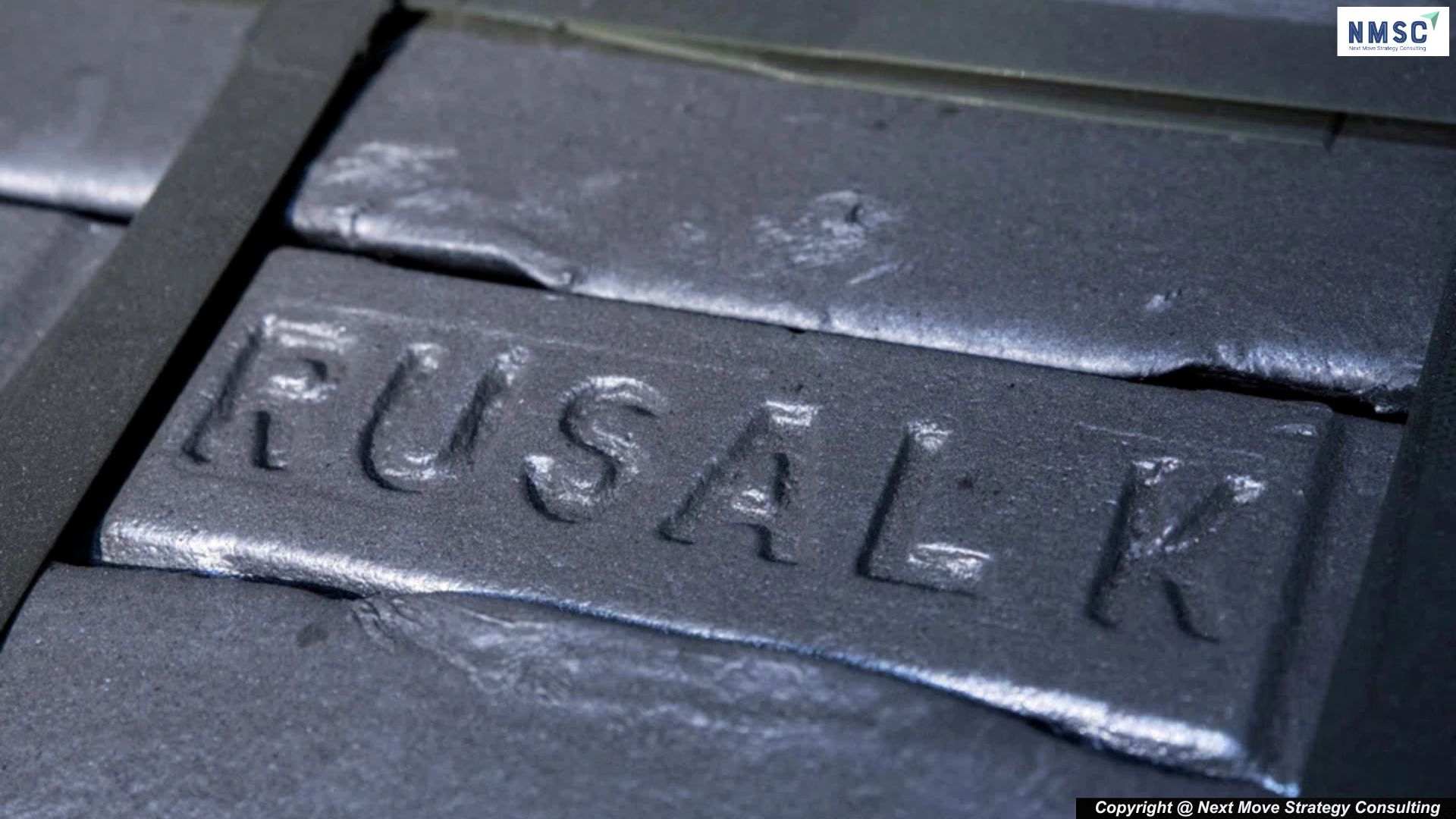
One of the most significant developments in the automotive aluminum sector is the increasing reliance on Russian aluminum, particularly from Rusal.
According to reports, Japanese auto parts manufacturers are turning to Russia’s Rusal as supply chains tighten due to geopolitical tensions linked to Iran. This shift is primarily driven by disruptions in traditional supply routes and uncertainty in raw material availability.
Key Developments:
-
Japanese suppliers are diversifying sourcing strategies amid geopolitical instability
-
Rusal is emerging as a critical supplier due to its scale and availability
-
Supply chain resilience is becoming a top priority for automotive players
Analysis from Next Move Strategy Consulting indicates that the increasing reliance on Russian aluminum reflects a broader realignment of global sourcing strategies, as automotive manufacturers prioritize supply continuity over geopolitical preferences, potentially reshaping long-term supplier relationships and trade dependencies.
Iran Conflict Driving Automotive Aluminum Market Uncertainty
The ongoing Iran-related conflict is creating ripple effects across the global automotive supply chain. Industry players are closely monitoring the situation due to its potential to disrupt raw material flows, including aluminum.
Reports indicate that the automotive sector is actively assessing risks tied to:
-
Energy supply disruptions affecting aluminum production
-
Transportation bottlenecks in key shipping routes
-
Price volatility linked to geopolitical instability
Insights from Next Move Strategy Consulting suggest that geopolitical risks have become a central variable in automotive material sourcing decisions, with aluminum being particularly vulnerable to energy shocks due to its energy-intensive production, thereby increasing the importance of diversified sourcing and localized production strategies.
Cost Pressures and Price Volatility in Automotive Aluminum
The disruption in supply chains is also contributing to cost pressures across the automotive aluminum market. With uncertainty in raw material availability, manufacturers are facing fluctuating input costs.
Key Cost Drivers:
-
Increased logistics and transportation costs
-
Supply-demand imbalances due to regional disruptions
-
Energy price fluctuations impacting aluminum production
Although exact percentage increases are not disclosed in the sources, the emphasis on monitoring and response strategies highlights the seriousness of pricing volatility.
Our observations at Next Move Strategy Consulting indicate that cost instability is likely to accelerate innovation in material efficiency and recycling within the automotive sector, as companies investing in closed-loop aluminum systems may gain a competitive edge in managing price fluctuations.

Strategic Shift Toward Supply Chain Diversification
Automotive companies are no longer relying on single-region sourcing. The current environment is pushing the industry toward multi-regional procurement strategies.
Emerging Strategies:
-
Expanding supplier networks across different geographies
-
Increasing inventory buffers to mitigate disruptions
-
Strengthening partnerships with primary aluminum producers
This shift is not only reactive but also strategic, aiming to build long-term resilience.
Analysis from Next Move Strategy Consulting indicates that supply chain diversification is transitioning from a risk mitigation tactic to a core business strategy, with automotive companies that proactively restructure their sourcing models better positioned to navigate future disruptions.
Table: Key Impacts of Geopolitical Tensions on Automotive Aluminum
|
Factor |
Impact on Industry |
|
Supply Chain Disruption |
Shift toward Russian aluminum suppliers |
|
Geopolitical Risk |
Increased uncertainty in material sourcing |
|
Cost Volatility |
Fluctuating aluminum prices |
|
Strategic Response |
Diversification and supplier expansion |
Insights from Next Move Strategy Consulting suggest that the convergence of geopolitical risk and supply chain complexity is reshaping the competitive dynamics of the automotive aluminum market, with companies that adapt quickly likely to gain strategic advantages in cost control and supply assurance.

According to Next Move Strategy Consulting: Industry Impact
According to Next Move Strategy Consulting, the developments highlighted in the news signal a turning point for the automotive aluminum industry.
Key Industry Impacts:
-
Shift in Global Trade Flows: Increased dependence on Russian aluminum could alter traditional trade routes
-
Heightened Risk Management: Companies are integrating geopolitical analysis into procurement decisions
-
Acceleration of Innovation: Focus on alternative materials and recycling technologies is expected to rise
-
Regionalization Trends: Localized supply chains may gain traction to reduce external dependencies
This evolving landscape underscores the need for agility and strategic foresight in automotive material sourcing.
Next Steps for Industry Stakeholders
To navigate the changing automotive aluminum environment, companies should consider the following actions:
1. Diversify Supplier Base: Reduce reliance on single-region sourcing to mitigate geopolitical risks
2. Invest in Recycling Technologies: Develop closed-loop aluminum systems to control costs and ensure supply
3. Strengthen Risk Monitoring: Integrate geopolitical intelligence into supply chain decision-making
4. Enhance Strategic Partnerships: Collaborate closely with key aluminum producers for long-term stability
5. Build Inventory Buffers: Maintain safety stocks to absorb short-term disruptions

Conclusion
The Automotive Aluminum Market in 2026 is being reshaped by forces beyond traditional supply and demand. Geopolitical tensions, particularly involving Iran, are driving a fundamental shift in sourcing strategies, cost structures, and risk management approaches.
As the industry adapts, companies that embrace diversification, innovation, and strategic planning will be best positioned to thrive in this evolving landscape.
About the Author
 Joydeep Dey
— Joydeep Dey is a content writer and analyst fueled by creativity, research, and continuous learning. He combines compelling storytelling with market insights to turn complex information into engaging, impactful content. Passionate about emerging trends, digital strategy, and innovation-driven communication, he believes curiosity and consistent growth are key to creating meaningful influence in every project.
Joydeep Dey
— Joydeep Dey is a content writer and analyst fueled by creativity, research, and continuous learning. He combines compelling storytelling with market insights to turn complex information into engaging, impactful content. Passionate about emerging trends, digital strategy, and innovation-driven communication, he believes curiosity and consistent growth are key to creating meaningful influence in every project.
About the Reviewer
 Debashree Dey
— Debashree Dey is Assistant Manager at Next Move Strategy Consulting, where she supports cross-vertical market content and communications across diverse industries for 6 years. Her professional background includes senior content writing, communications, and published manuscript authorship, with experience developing audience-focused business narratives and maintaining clear, consistent messaging. Her role supports research-led content development and editorial quality across NextMSC publications.
Debashree Dey
— Debashree Dey is Assistant Manager at Next Move Strategy Consulting, where she supports cross-vertical market content and communications across diverse industries for 6 years. Her professional background includes senior content writing, communications, and published manuscript authorship, with experience developing audience-focused business narratives and maintaining clear, consistent messaging. Her role supports research-led content development and editorial quality across NextMSC publications.

















Add Comment