Basalt Fiber Market: A Sustainable Shift in Construction and Energy
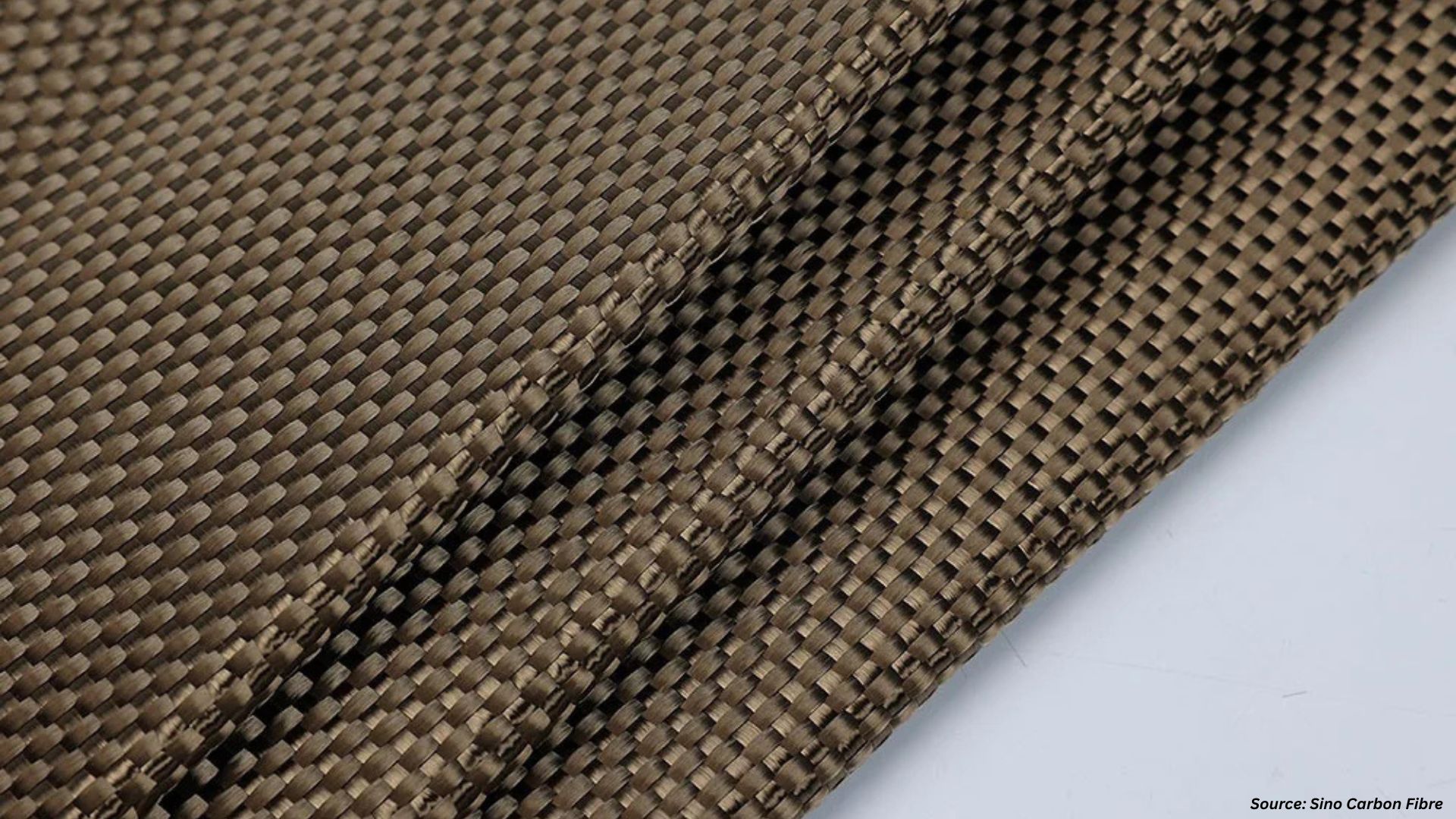
The Basalt Fiber Market is gaining momentum as industries seek stronger, lighter, and more sustainable alternatives to traditional materials like steel and copper. Recent breakthroughs in construction and electrochemical applications showcase basalt fiber’s versatility, environmental benefits, and potential to redefine multiple sectors. From replacing steel reinforcement in concrete to serving as a high-performance catalyst support, basalt fibers are emerging as a truly multi-functional material.
Copper-Deposited Basalt Fiber: Advancing Sustainable Energy
A recent study by the Chinese Academy of Sciences highlights basalt fiber fabric (BFF) as a promising support material for copper (Cu) electrocatalysts in the electrochemical reduction of carbon dioxide (eCO2RR) into value-added products such as ethanol.
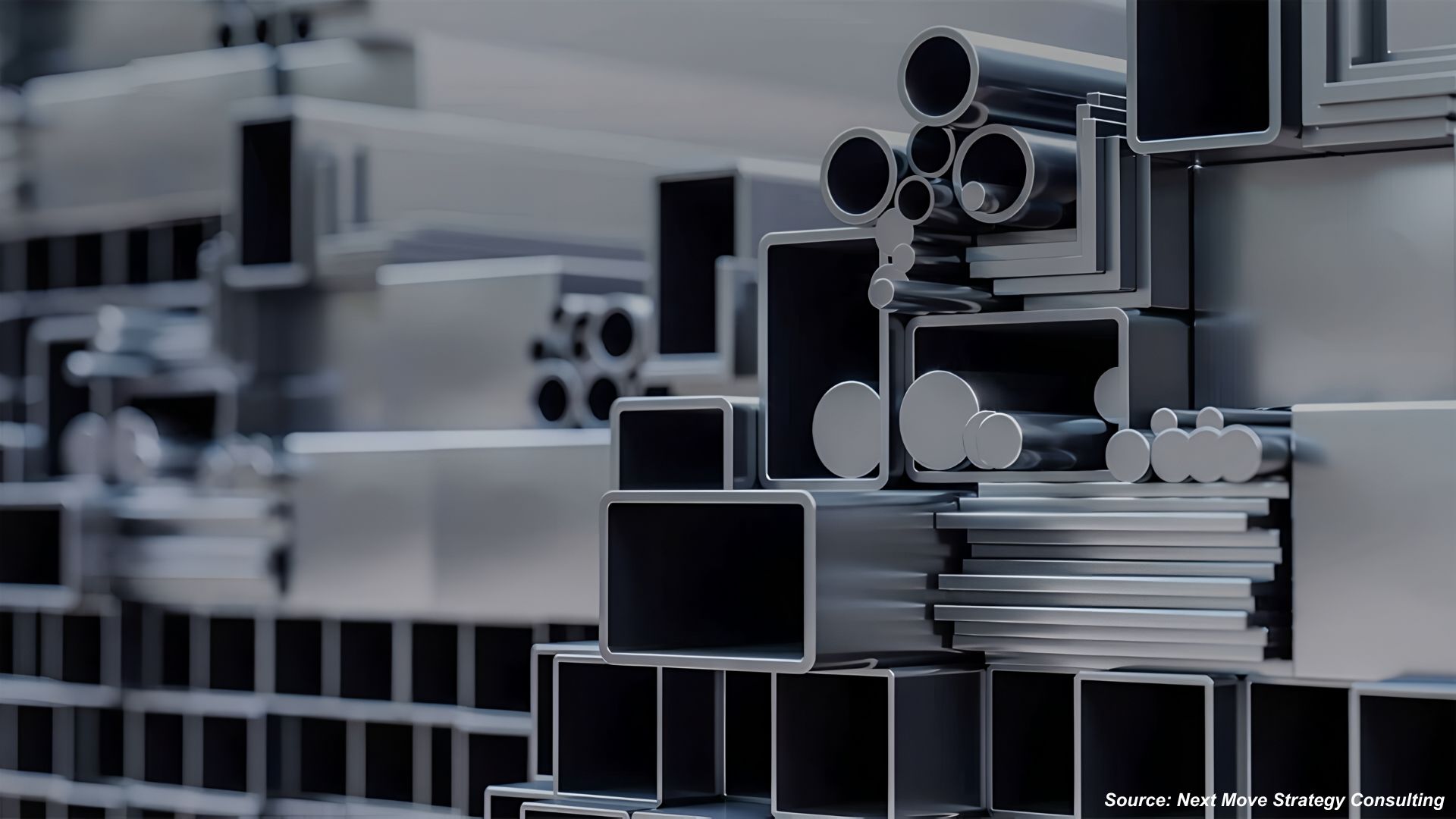
Basalt Fiber Advantages vs. Traditional Materials
|
Feature |
Basalt Fiber |
Steel |
Copper |
|
Strength-to- |
High |
Moderate |
High |
|
Corrosion resistance |
Excellent |
Poor |
Moderate |
|
Recyclability |
100% |
Limited |
Low |
|
CO₂ footprint |
Low |
High |
Moderate |
Basalt Fiber in Construction: Replacing Steel Reinforcement
Austrian startup Fiber Elements is pioneering automated production of 3D basalt fiber structures to replace steel in concrete reinforcement. The technology combines finite element analysis with advanced manufacturing, producing mineral composites that are three times stronger than steel yet two-thirds lighter.
By implementing on-site nano-factories, Fiber Elements reduces transport costs, cuts carbon emissions, and expands access to sustainable concrete components. Basalt fibers resist corrosion and can be fully recycled, offering a 70% reduction in CO₂ emissions compared to steel-reinforced concrete. The startup has completed pilot projects, secured patents, and is preparing for industrial-scale production to serve infrastructure, bridges, tunnels, and prefabricated systems.
Leading Companies in the Basalt Fiber Industry
The basalt fiber industry features a diverse group of manufacturers and technology providers contributing to material innovation and global supply expansion. Prominent players in this space include Kamenny Vek, Zhejiang Shijin Basalt Fiber Co., Ltd., PioneerFibre Ltd., Arab Basalt Fiber Company, Isomatex, Incotelogy GmbH, Sudaglass Fiber Technology, Basalt Fiber Tech, Deutsche Basalt Faser GmbH, Technobasalt Invest, Basaltex, JiLin Tongxin Basalt Technology Co., Ltd., Hydro Design Management Co. Pvt. Ltd., ARMBAS, and GoGreen Products, among others. These companies are actively engaged in advancing production capabilities, expanding application areas, and strengthening the global presence of basalt fiber solutions across construction, infrastructure, and composite material markets.

Centrifugal-Blowing Process for the Production of Short Basalt Fibers
The centrifugal-blowing process used to manufacture short basalt fibers from molten volcanic rock. The production cycle begins as basalt lava flows through a trough and onto a high-speed accelerating cylinder, which utilizes centrifugal force to distribute the liquid melt toward rotating fiberization cylinders. As the molten material is spun into thin filaments, strategically positioned blowing valves release high-pressure air to break and cool the strands, resulting in the final short basalt fibers used for industrial reinforcement. This mechanical method is essential for transforming raw mineral melt into the discrete fiber segments typically found in thermal insulation and composite fillers.

Microstructural Model of the Interphase in Basalt Fiber Reinforced Polymer (BFRP) Composites
The interphase is the most critical factor in determining whether a composite will succeed or fail under pressure. Basalt Fiber Reinforced Polymer (BFRP) composites, the connection between the fiber and the matrix is not a simple line, but a distinct volumetric region with its own properties. The fibers bundled within the matrix, defines the interphase as the combination of the physical interface, a chemical interlayer (sizing), and the modified polymer matrix a zone where the plastic’s molecular structure has been altered by the fiber's surface. A well-engineered interphase ensures that mechanical loads are distributed evenly, preventing the fibers from snapping or "slipping" out of the plastic when the material is bent or pulled.

Strategic Market Considerations
For companies and investors looking at the Basalt Fiber Market, the following insights are essential:
-
Industrial scale-up: Investment in automation and digital workflows is critical to achieving cost-effective mass production.
-
Collaboration with academia: Partnerships with universities and research institutes accelerate innovation and validate performance.
-
Intellectual property: Patents and proprietary technologies will be key differentiators in a rapidly evolving market.
-
Sector diversification: Beyond construction, explore energy conversion and advanced composites to maximize revenue potential.
Next Move Strategy Consulting’s View
From Next Move Strategy Consulting’s perspective, the developments highlighted in this blog clearly signal that the Basalt Fiber Market is transitioning from a niche materials segment to a high-impact industrial solution with cross-sector relevance. The convergence of sustainability mandates, performance-driven engineering, and digital manufacturing is accelerating commercial readiness.
The breakthrough in copper-deposited basalt fiber fabric for electrochemical CO₂ reduction demonstrates that basalt fiber is not limited to structural reinforcement. Its role as a lightweight, corrosion-resistant, and mechanically robust catalyst support opens pathways into advanced energy systems. With Faradaic efficiency reaching up to 98% for ethanol production and operational stability exceeding 98% retention over 100 hours, basalt-supported catalytic systems present a compelling case for scalable green chemistry applications.
In parallel, Fiber Elements’ industrial-scale ambitions reflect a structural shift in the construction ecosystem. The ability to produce mineral composites that are three times stronger than steel and two-thirds lighter, while reducing CO₂ emissions by up to 70%, directly addresses regulatory and cost pressures in global infrastructure markets. The deployment of nano-factories further enhances localization, cost efficiency, and sustainability performance.
Next Steps: Actionable Takeaways
-
Evaluate industrial applications: Identify sectors where basalt fiber can replace steel or other traditional materials with measurable benefits.
-
Invest in pilot projects: Use nano-factories or small-scale automated production to demonstrate feasibility and reduce transport emissions.
-
Develop proprietary technologies: Focus on patents, digital manufacturing workflows, and AI optimization to gain competitive advantage.
-
Promote sustainability credentials: Highlight CO₂ reduction, recyclability, and durability in marketing and investor communications.
-
Monitor performance in energy applications: Explore BFF-supported electrocatalysts for CO₂ conversion and other green energy technologies.
About the Author
 Tania Dey is a content writer specializing in transformation-led, insight-driven storytelling. She develops research-backed, high-impact content aligned with evolving business priorities, digital behavior, and audience expectations. Her work helps organizations sharpen value propositions, strengthen visibility, and communicate strategic intent with clarity and precision. Grounded in data-informed storytelling, she brings a strong focus on relevance, consistency, and measurable digital impact across platforms.
About the Reviewer
 Sanyukta Deb is a senior content writer and content analyst with expertise in content strategy, audience engagement, and research-driven storytelling. With a strong leadership approach and strategic mindset, she drives content initiatives that strengthen brand communication and audience connection. She combines creativity with analytical insight to develop impactful, value-led content while mentoring collaborative efforts across teams to ensure consistent, meaningful engagement and long-term brand growth across digital platforms.













Add Comment