What Is Driving Aerospace Coatings Expansion in 2025?
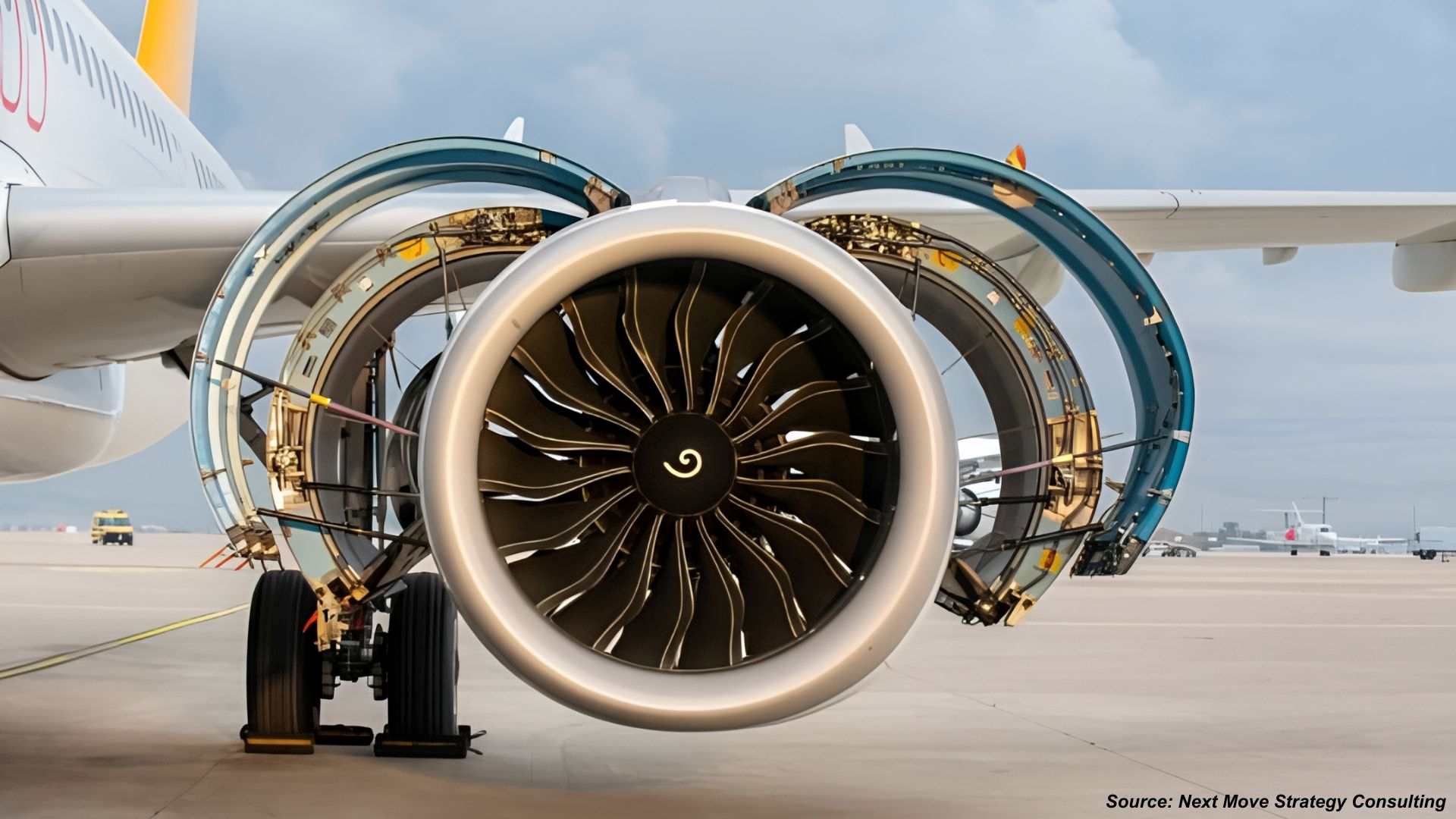
The Aerospace Coatings Market is undergoing a major operational shift, and aerospace coatings are becoming increasingly important within that transformation. Once viewed primarily as a maintenance requirement, coatings are now closely tied to aviation infrastructure efficiency, aircraft lifecycle management, and long-term operational strategy.
These developments reflect a broader industry trend in which aerospace coatings are becoming part of larger conversations around aviation infrastructure, supply chain resilience, and institutional investment. For procurement leaders, investors, and aviation operators, this shift is creating new strategic considerations across the aviation value chain.
How Is Aviation Infrastructure Reshaping Aerospace Coatings Operations?
The announcement is significant because it reflects how aerospace coatings operations are increasingly moving closer to major aviation corridors. Airlines and aircraft operators are prioritizing faster maintenance turnaround times, localized supply chains, and stronger technical support systems. As a result, regional aerospace coatings hubs are becoming strategically valuable.
Dubai’s role as a global aviation gateway makes it an ideal location for such expansion. A dedicated coatings hub can help improve product accessibility, reduce logistical delays, and support maintenance providers operating in fast-growing aviation markets.
Aerospace coatings themselves play an essential role in aircraft protection. These coatings help shield aircraft surfaces from corrosion, ultraviolet exposure, and operational wear. In addition, they contribute to aircraft appearance management and long-term maintenance efficiency.
For aviation operators and supply chain leaders, localized infrastructure may provide stronger operational continuity and improved responsiveness during periods of increased maintenance demand.
How Is Financing Influencing Aerospace Coatings Growth?
International Aerospace Coatings operates 20 purpose-built hangars located across ten airports in the United States and Europe. The company provides aircraft painting and aviation services to airlines, governments, leasing firms, air cargo carriers, and aircraft manufacturers.
The refinancing transaction closed on June 24, 2025, and represented more than a conventional debt restructuring exercise. DC Advisory repositioned IAC from the private credit market into the infrastructure market while helping secure an investment-grade credit rating.
This transition demonstrates how aerospace coatings infrastructure is increasingly being viewed as a stable aviation support asset with long-term operational relevance. The financing package also provided IAC with greater operational flexibility and access to capital intended to support future expansion initiatives.
Institutional investors are paying closer attention to aviation maintenance infrastructure because these services remain essential throughout the aircraft lifecycle. Aircraft repainting and coating operations cannot be easily deferred for extended periods without affecting maintenance schedules and asset performance.
At the same time, the sector still faces challenges tied to aviation market volatility, operational costs, and broader airline investment cycles.
Leading Companies Strengthening Their Position in Aerospace Coatings
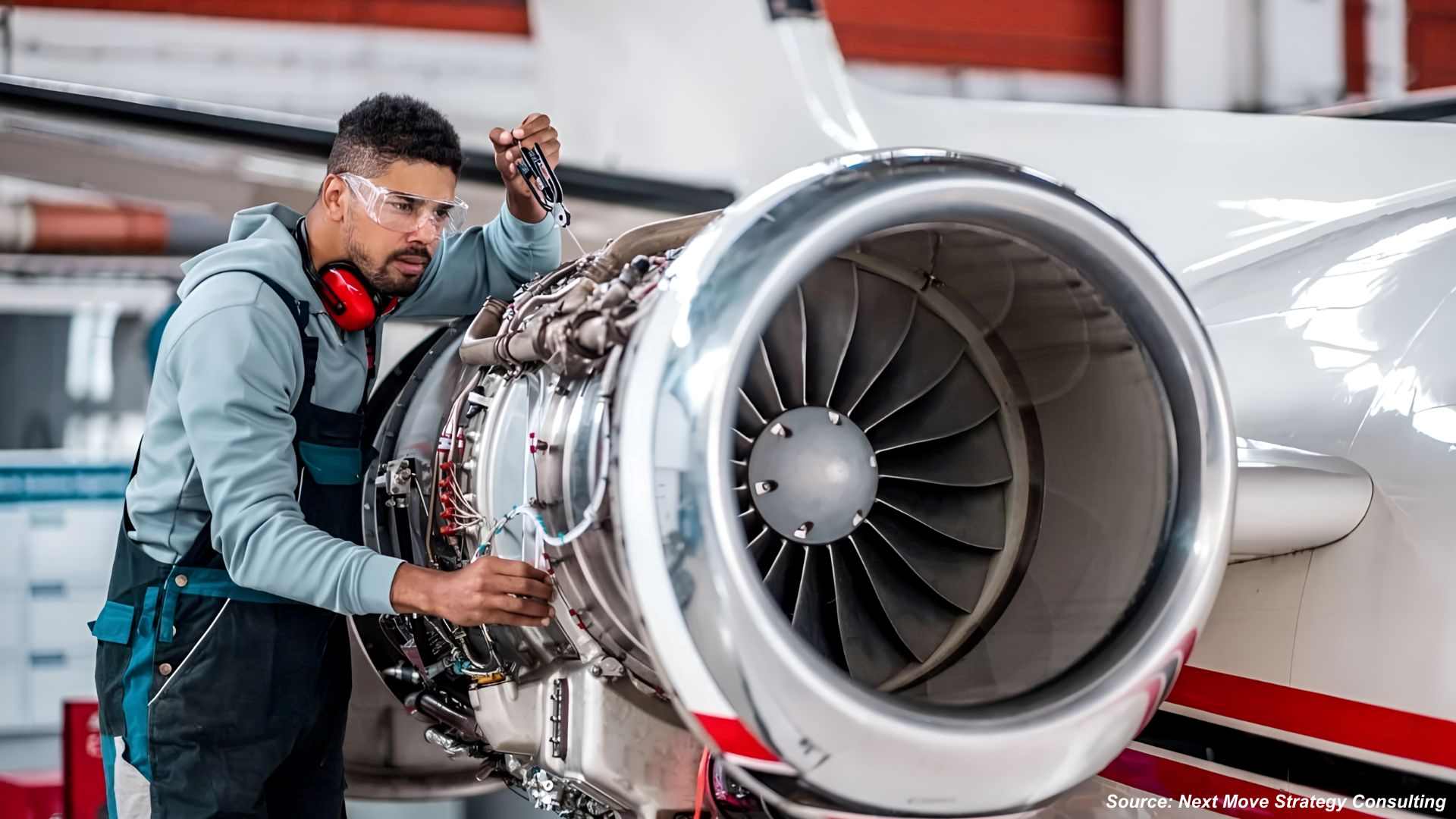
The aerospace coatings industry features a competitive landscape shaped by major global manufacturers and specialized aviation coating providers, including PPG Industries, AkzoNobel, The Sherwin-Williams Company, BASF, Henkel, Mankiewicz Gebr. & Co., Hentzen Coatings, IHI Ionbond AG, Zircotec Ltd., Mapaero, Argosy International, Hohman Plating & Manufacturing LLC, Brycoat Inc., AHC Oberflächentechnik GmbH, Asahi Kinzoku Kogyo Inc., Zodiac Aerospace, Merck Performance Materials, Cheaerospacel, NVSC Speciality Coatings, and International Aerospace Coatings Holdings LP. These companies are increasingly focusing on product launches, regional expansion strategies, and advanced coating technologies to strengthen their market presence and maintain competitive advantage within the evolving aerospace coatings sector.

Future Outlook
The aerospace coatings sector is expected to remain closely connected to broader aviation infrastructure modernization efforts. Regional maintenance ecosystems are becoming increasingly important as airlines seek operational efficiency and supply chain resilience.
Infrastructure-focused financing activity may also continue shaping the sector’s growth trajectory. As aviation service providers pursue long-term scalability, access to institutional capital could become an increasingly important competitive factor.
The developments surrounding AkzoNobel and International Aerospace Coatings suggest that the sector is entering a more infrastructure-oriented phase in which operational capability, regional positioning, and financial flexibility will play central roles in future expansion strategies.
Next Steps
Organizations evaluating aerospace coatings opportunities should closely monitor regional maintenance infrastructure developments and aviation financing activity. Procurement leaders may also benefit from assessing supplier proximity, operational responsiveness, and long-term service scalability when planning future aviation maintenance strategies.
For investors and corporate strategists, the sector’s growing alignment with aviation infrastructure trends may present new opportunities tied to operational resilience and long-term asset support.
-
Monitor regional aerospace coatings infrastructure developments, particularly in high-growth aviation hubs such as Dubai
-
Evaluate supplier proximity and localized service capabilities to improve maintenance efficiency
-
Assess long-term financing trends influencing aviation maintenance and coatings operations
-
Strengthen partnerships with providers offering operational
Conclusion
Aerospace coatings are becoming increasingly important within the evolving aviation ecosystem. The sector is no longer defined only by aircraft surface protection but also by its growing role in operational efficiency, infrastructure planning, and long-term aviation support services.
The planned Dubai aerospace coatings hub and IAC’s refinancing initiative demonstrate how the industry is adapting to changing aviation demands in 2025. As infrastructure investment and maintenance modernization continue expanding, aerospace coatings are likely to remain a strategically significant component of global aviation operations.
About the Author
 Sanyukta Deb
— Sanyukta Deb is Digital Marketing Team Lead at Next Move Strategy Consulting, where she has led content strategy and technical SEO for the firm's B2B market research publications for over 2 years. Her editorial process translates NextMSC's primary and secondary research — spanning technology, industrial, and consumer sectors — into commercial narratives, backed by search-intent, keyword, and competitive analysis. She brings 5 years of overall experience in digital marketing and content strategy.
Sanyukta Deb
— Sanyukta Deb is Digital Marketing Team Lead at Next Move Strategy Consulting, where she has led content strategy and technical SEO for the firm's B2B market research publications for over 2 years. Her editorial process translates NextMSC's primary and secondary research — spanning technology, industrial, and consumer sectors — into commercial narratives, backed by search-intent, keyword, and competitive analysis. She brings 5 years of overall experience in digital marketing and content strategy.
About the Reviewer
 Debashree Dey
— Debashree Dey is Assistant Manager at Next Move Strategy Consulting, where she supports cross-vertical market content and communications across diverse industries for 6 years. Her professional background includes senior content writing, communications, and published manuscript authorship, with experience developing audience-focused business narratives and maintaining clear, consistent messaging. Her role supports research-led content development and editorial quality across NextMSC publications.
Debashree Dey
— Debashree Dey is Assistant Manager at Next Move Strategy Consulting, where she supports cross-vertical market content and communications across diverse industries for 6 years. Her professional background includes senior content writing, communications, and published manuscript authorship, with experience developing audience-focused business narratives and maintaining clear, consistent messaging. Her role supports research-led content development and editorial quality across NextMSC publications.

















Add Comment