Why Is Advanced Glass Becoming the Backbone of Immersive Tech and Sustainable Innovation in 2026?

Advanced Glass Market is emerging as one of the most strategically important materials powering industrial transformation and next-generation digital experiences in 2026. Once associated primarily with windows and construction materials, advanced glass now sits at the center of innovation across automotive engineering, immersive gaming, energy-efficient infrastructure, and high-performance electronics.
Recent developments from Apollo Funds and Samsung Electronics highlight how rapidly the industry is evolving. Apollo’s nearly $3.7 billion investment in NSG Group reflects growing institutional confidence in energy-efficient architectural glass, advanced automotive glazing, and solar-related glass technologies. At the same time, Samsung’s latest glasses-free 3D gaming ecosystem demonstrates how advanced display glass is redefining immersive entertainment and visual computing.
For investors, supply chain leaders, and corporate strategists, these developments indicate that advanced glass is no longer a niche manufacturing category. It is becoming a foundational technology supporting sustainability goals, digital transformation, and premium user experiences across multiple industries.
How Is Advanced Glass Transforming Sustainable Manufacturing?
The strongest industrial signal in 2026 came from Apollo Funds’ strategic investment in NSG Group, a global manufacturer specializing in architectural, automotive, and technical glass. The transaction, valued at nearly $3.7 billion in enterprise value, reflects increasing confidence in the long-term growth potential of advanced glass technologies.
According to Apollo, NSG Group is positioned to benefit from accelerating demand for energy-efficient architectural glass, advanced automotive glazing, and performance solar products. This is particularly significant as governments and corporations continue prioritizing sustainability initiatives and energy optimization strategies.
Energy-efficient architectural glass is becoming increasingly important for commercial buildings seeking improved insulation and reduced energy consumption. In automotive applications, advanced glazing technologies support lighter vehicle structures while improving visibility and overall driving performance. Solar-related glass products are also gaining relevance as renewable energy infrastructure expands globally.
Apollo emphasized that NSG Group’s diversified manufacturing platform and deep customer relationships were key factors behind the investment. The company also plans to support NSG’s long-term growth initiatives and next-generation technology investments, reinforcing the broader industry trend toward manufacturing modernization.
For institutional investors and procurement leaders, this development highlights how advanced materials are becoming central to industrial competitiveness and long-term sustainability planning.


How Is Advanced Glass Reshaping Immersive Gaming Experiences?
While industrial manufacturing is evolving, Samsung’s latest announcement illustrates how advanced glass technologies are simultaneously transforming the consumer electronics landscape.
At GDC 2026, Samsung introduced its expanding glasses-free 3D gaming ecosystem through the Odyssey 3D monitor lineup. The company’s technology combines advanced eye-tracking systems and real-time view mapping to create immersive three-dimensional gaming experiences without requiring wearable glasses.
This marks a major shift from earlier 3D display technologies, which often struggled with limited comfort, reduced image quality, and user fatigue. Samsung’s latest approach aims to deliver smoother and more natural depth perception while maintaining high gaming performance standards.
Samsung also confirmed that its 3D gaming ecosystem currently supports more than 60 titles and is expected to expand beyond 120 supported games by the end of 2026. Partnerships with leading game developers, including CD PROJEKT RED, Pearl Abyss, Rogue Factor, and Bloober Team, further reinforce the company’s strategy of building a broader immersive gaming ecosystem.
Beyond 3D gaming, Samsung continues expanding HDR10+ GAMING integration across its Odyssey display lineup. The technology automatically analyzes scenes and frames to optimize visual quality, helping improve immersion, contrast, and motion clarity during gameplay.
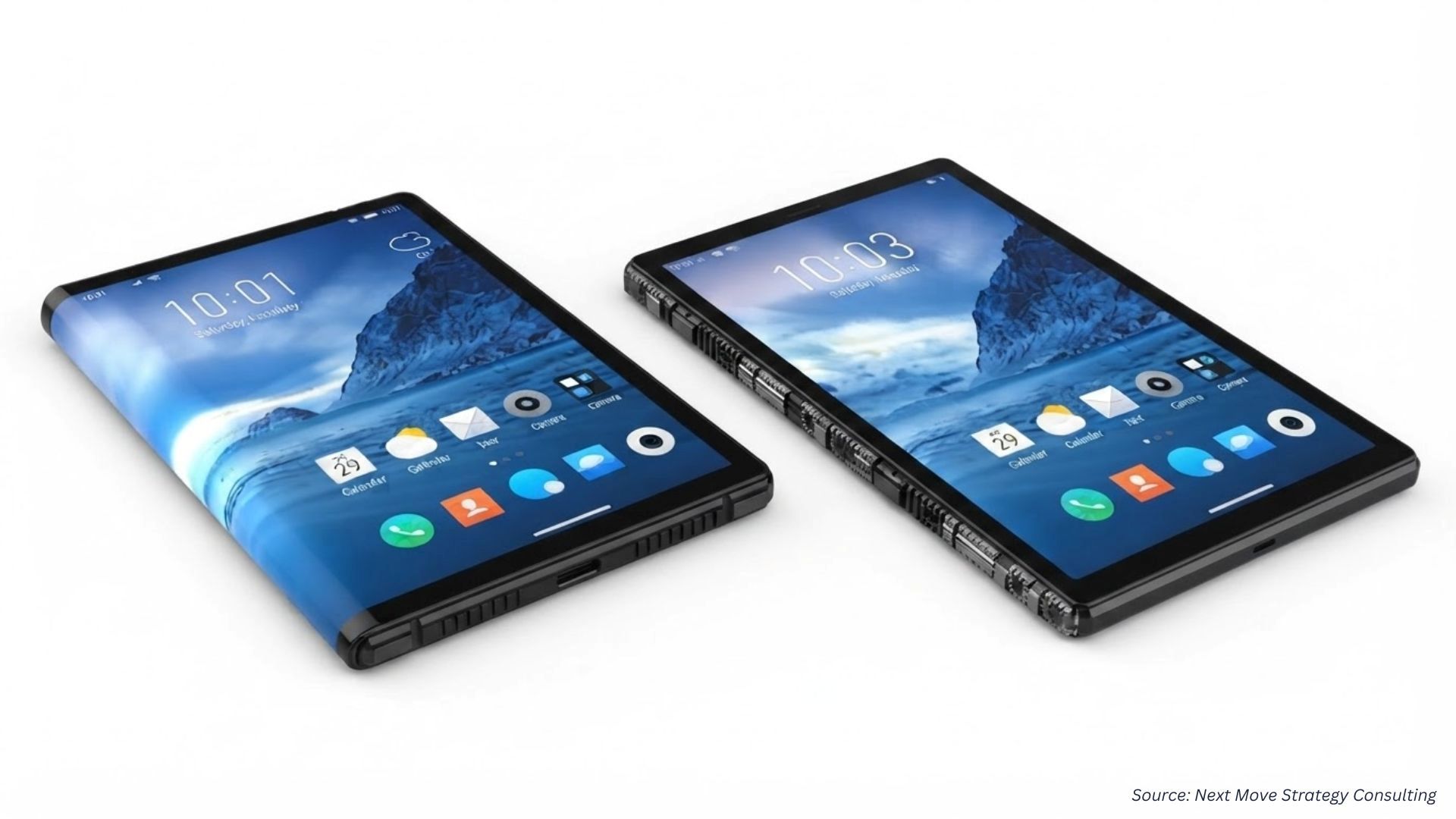
The implications extend far beyond gaming. Advanced display glass technologies may eventually influence automotive dashboards, augmented reality systems, industrial simulation environments, and medical visualization platforms. For technology strategists, this convergence between display engineering and glass innovation signals the emergence of a much broader visual computing ecosystem.

Leading Companies Strengthening Innovation in the Advanced Glass Industry
Key players operating in the advanced glass industry include Asahi Glass Co., Ltd., Saint-Gobain S.A., Nippon Sheet Glass Co., Ltd., Corning Inc., Schott AG, Guardian Industries, Şişecam Group, PPG Industries, Inc., Abrisa Technologies, Central Glass Co., Ltd., Euroglas GmbH, and Fuyao Glass Industry Group Co. Ltd. among others.
These companies are increasingly focusing on strategies such as expanding advanced product portfolios, investing in sustainable glass technologies, and strengthening innovation capabilities to enhance their competitive positioning in the evolving advanced glass industry.

Future Outlook
The advanced glass industry is entering a period where sustainability objectives and immersive technologies are converging. Demand for energy-efficient building materials is expected to continue shaping architectural and automotive applications, while advances in display technologies are opening new commercial opportunities across gaming and electronics.
Apollo’s investment strategy suggests strong institutional confidence in the long-term industrial relevance of advanced glass manufacturing. Meanwhile, Samsung’s ecosystem-focused approach indicates that immersive display technologies are becoming increasingly scalable and commercially viable.
However, the pace of adoption will depend heavily on manufacturing efficiency, supply chain resilience, and the ability of companies to commercialize advanced technologies at scale. Businesses that successfully integrate innovation with operational efficiency are likely to gain a stronger competitive position over the coming years.
Next Steps
Investors and business leaders evaluating advanced glass opportunities should closely monitor developments in sustainable manufacturing, immersive display ecosystems, and next-generation material technologies. Companies with diversified applications across construction, automotive, electronics, and renewable energy may be better positioned to adapt to changing market dynamics.
Procurement and operations leaders should also assess supplier resilience and manufacturing capabilities as advanced glass applications become increasingly integrated into critical business infrastructure.
-
Evaluate advanced glass suppliers with diversified capabilities across automotive, architectural, and display technologies.
-
Monitor strategic investments and partnerships shaping the future of specialty glass manufacturing.
-
Assess opportunities in energy-efficient infrastructure and immersive display ecosystems.
-
Strengthen supply chain resilience by identifying technology-driven manufacturing partners.
-
Track innovation in glasses-free 3D, HDR-enabled displays, and smart glazing applications.
-
Align procurement and investment strategies with sustainability and digital transformation goals.
Conclusion
Advanced glass is rapidly transforming from a traditional industrial material into a strategic enabler of sustainability, immersive technology, and high-performance manufacturing in 2026.
Apollo’s investment in NSG Group reflects growing institutional confidence in advanced glass applications tied to energy efficiency and industrial modernization. At the same time, Samsung’s glasses-free 3D gaming ecosystem demonstrates how advanced display technologies are reshaping digital experiences and consumer expectations.
As industries continue prioritizing energy optimization, immersive computing, and advanced material innovation, advanced glass is expected to remain central to the next phase of global industrial and technological transformation.
About the Author
 Sanyukta Deb
— Sanyukta Deb is Digital Marketing Team Lead at Next Move Strategy Consulting, where she has led content strategy and technical SEO for the firm's B2B market research publications for over 2 years. Her editorial process translates NextMSC's primary and secondary research — spanning technology, industrial, and consumer sectors — into commercial narratives, backed by search-intent, keyword, and competitive analysis. She brings 5 years of overall experience in digital marketing and content strategy.
Sanyukta Deb
— Sanyukta Deb is Digital Marketing Team Lead at Next Move Strategy Consulting, where she has led content strategy and technical SEO for the firm's B2B market research publications for over 2 years. Her editorial process translates NextMSC's primary and secondary research — spanning technology, industrial, and consumer sectors — into commercial narratives, backed by search-intent, keyword, and competitive analysis. She brings 5 years of overall experience in digital marketing and content strategy.
About the Reviewer
 Debashree Dey
— Debashree Dey is Assistant Manager at Next Move Strategy Consulting, where she supports cross-vertical market content and communications across diverse industries for 6 years. Her professional background includes senior content writing, communications, and published manuscript authorship, with experience developing audience-focused business narratives and maintaining clear, consistent messaging. Her role supports research-led content development and editorial quality across NextMSC publications.
Debashree Dey
— Debashree Dey is Assistant Manager at Next Move Strategy Consulting, where she supports cross-vertical market content and communications across diverse industries for 6 years. Her professional background includes senior content writing, communications, and published manuscript authorship, with experience developing audience-focused business narratives and maintaining clear, consistent messaging. Her role supports research-led content development and editorial quality across NextMSC publications.
















Add Comment