Bioinformatics in 2026: From Genomics to Real-World Impact
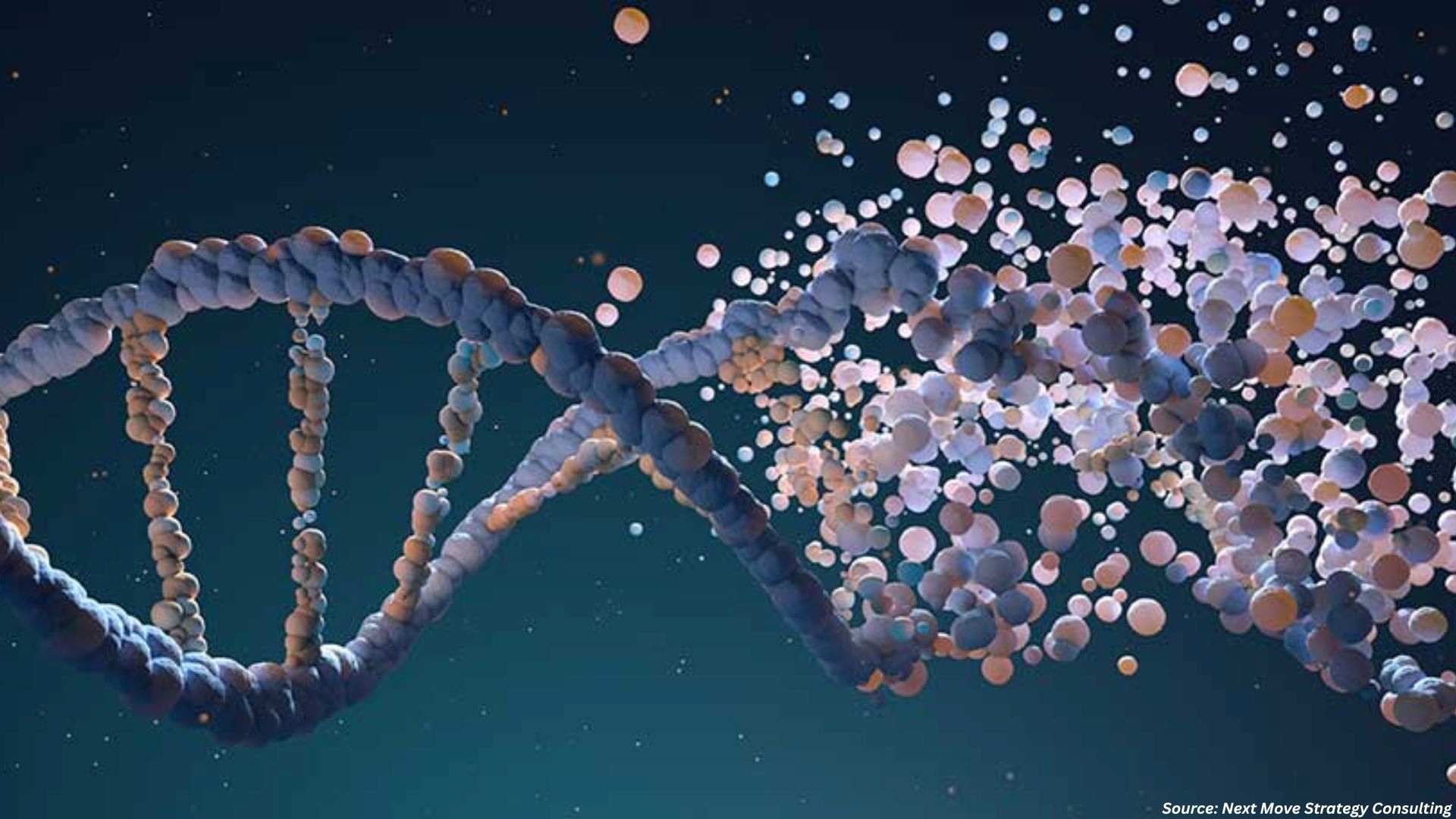
Bioinformatics is no longer limited to research labs. In 2026, it is actively shaping healthcare, education, and disease surveillance. By combining biology, data science, and computational tools, bioinformatics is enabling faster discoveries and more accurate diagnostics.
Recent developments—from student-led genetic research to automated pathogen detection platforms—show how the field is evolving toward practical, real-world applications.
Bioinformatics in Education: Building Future Innovators
A key development in 2026 comes from academic engagement in genetics and bioinformatics. At a statewide genetics and bioinformatics showcase hosted by Alabama A&M University, students demonstrated advanced research capabilities in genomic analysis and computational biology. These projects included DNA sequencing interpretation and data-driven biological insights.
This event highlights how early exposure to bioinformatics tools is preparing students for careers in precision medicine and biotechnology.
Key Takeaways from Academic Advancements
-
Students are actively working on real genomic datasets
-
Educational institutions are integrating computational biology into curricula
-
Collaboration between biology and data science is increasing

The growing integration of bioinformatics in education, according to Next Move Strategy Consulting, signals a long-term talent pipeline for the industry. Early exposure to genomic data analysis will reduce the skill gap and accelerate innovation cycles across healthcare and life sciences sectors.
Bioinformatics in Healthcare: Automated Pathogen Genomics
One of the most significant advancements in 2026 is the rise of automated bioinformatics platforms. Genome Detective, an automated pathogen genomics platform, enables rapid identification and analysis of infectious agents using sequencing data.
This platform simplifies complex genomic workflows, making it easier for laboratories to detect viruses and bacteria without requiring extensive manual intervention.
How Automated Platforms Are Transforming Diagnostics
|
Feature |
Impact |
|
Automated genome analysis |
Reduces processing time |
|
User-friendly interface |
Expands accessibility |
|
Rapid pathogen detection |
Supports outbreak response |
|
Cloud-based processing |
Enhances scalability |
These systems are particularly important in managing infectious diseases, where speed and accuracy are critical.
Drawing on insights from Next Move Strategy Consulting, automation in bioinformatics is shifting the industry from specialist-driven workflows to scalable solutions. This transformation is expected to improve diagnostic efficiency and enable broader adoption across hospitals and diagnostic laboratories.
Bioinformatics and Disease Surveillance
Bioinformatics tools are becoming essential in tracking and understanding infectious diseases. Platforms like Genome Detective can analyze genetic mutations and identify pathogen variants quickly, supporting public health responses.
Role in Modern Disease Monitoring
-
Enables real-time genomic surveillance
-
Identifies emerging variants
-
Supports global health data sharing
-
Enhances outbreak preparedness

This capability is especially relevant in a post-pandemic world, where early detection can prevent widespread transmission.
Based on analysis by Next Move Strategy Consulting, the convergence of bioinformatics and epidemiology is creating a more proactive healthcare model. Instead of reacting to outbreaks, systems are increasingly designed to predict and prevent them through continuous genomic monitoring.
Bioinformatics Applications Expanding Beyond Healthcare
While healthcare remains a major focus, bioinformatics is also influencing other sectors:
Emerging Application Areas
-
Agriculture: Crop genetic improvement
-
Environmental science: Biodiversity analysis
-
Pharmaceuticals: Drug discovery and development
-
Forensics: DNA-based investigations
These applications demonstrate the versatility of bioinformatics in solving complex biological problems.
Insights from Next Move Strategy Consulting suggest that the diversification of bioinformatics applications is expanding its market potential. Cross-industry adoption is expected to drive innovation and create new revenue streams, particularly in agriculture and environmental monitoring.
According to Next Move Strategy Consulting: Industry Impact
According to Next Move Strategy Consulting, the latest developments in bioinformatics indicate a shift toward automation, accessibility, and real-time data analysis. The combination of educational advancements and AI-driven platforms is expected to:
-
Accelerate precision medicine adoption
-
Improve global disease surveillance systems
-
Reduce operational complexity in genomic analysis
-
Expand the use of bioinformatics beyond specialized labs

This transition is positioning bioinformatics as a foundational technology in modern science and healthcare.
Next Steps: Actionable Takeaways
-
Invest in Skills Development: Organizations should focus on training professionals in bioinformatics tools and data analysis.
-
Adopt Automated Platforms: Laboratories can improve efficiency by integrating automated genomic solutions.
-
Enhance Collaboration: Cross-disciplinary collaboration between biology and data science teams is essential.
-
Leverage Real-Time Data: Healthcare systems should utilize genomic data for proactive disease management.
-
Expand Use Cases: Businesses should explore bioinformatics applications beyond healthcare to maximize value.
Final Thoughts
Bioinformatics in 2026 is defined by accessibility, automation, and real-world impact. From classrooms to clinical labs, the field is evolving rapidly, driven by technological advancements and growing demand for data-driven biological insights.
As innovation continues, bioinformatics will play a central role in shaping the future of healthcare, research, and beyond.
About the Author
 Joydeep Dey is a content writer and analyst fueled by creativity, research, and continuous learning. He combines compelling storytelling with market insights to turn complex information into engaging, impactful content. Passionate about emerging trends, digital strategy, and innovation-driven communication, he believes curiosity and consistent growth are key to creating meaningful influence in every project.
About the Reviewer
 Sanyukta Deb is a senior content writer and content analyst with expertise in content strategy, audience engagement, and research-driven storytelling. With a strong leadership approach and strategic mindset, she drives content initiatives that strengthen brand communication and audience connection. She combines creativity with analytical insight to develop impactful, value-led content while mentoring collaborative efforts across teams to ensure consistent, meaningful engagement and long-term brand growth across digital platforms.











Add Comment