Why Alopecia Is Gaining More Attention in 2026?
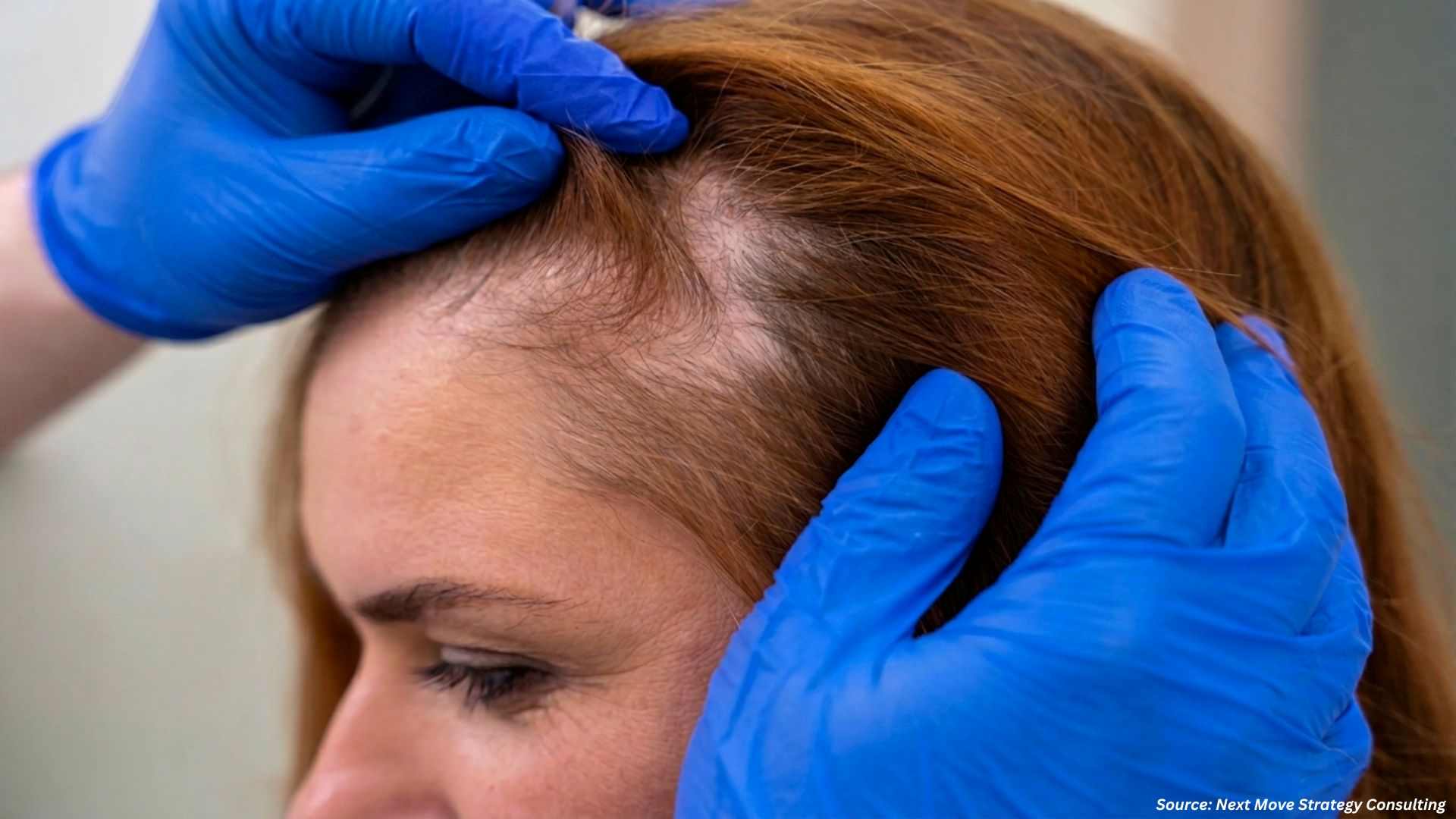
Hair loss has traditionally been treated as a cosmetic concern, but recent evidence shows that Alopecia Market deserves broader attention. It affects emotional well-being, daily confidence, and healthcare decision-making. New research on disease burden and emerging therapies has shifted the conversation from appearance alone to overall quality of life.
What Is Making Alopecia More Relevant Today?
Two developments are driving stronger interest in alopecia. First, a new global study has identified the age groups and populations carrying the highest burden of alopecia areata. Second, treatment innovation is advancing in pattern hair loss, where patients have long faced limited prescription options.
Together, these updates show that alopecia is becoming a more important focus area for both healthcare providers and patients.
Why Are Young Adults Facing the Highest Burden?
A 2026 global analysis based on the Global Burden of Disease 2021 database examined alopecia areata trends across 204 countries and territories among people aged 15 to 49. While overall incidence rates have gradually declined since 1990, the burden remains significant in younger adults.
The study found that incidence peaked in the 30 to 34 age group at 642.3 cases per 100,000 people. Disability-adjusted life year rates also reached their highest point in the same age group. Researchers suggested that this period of life often includes career pressure, family responsibilities, and economic stress, all of which may contribute to higher burden.
|
Metric |
Finding |
|
Incidence in 1990 |
577.59 per 100,000 |
|
Incidence in 2021 |
519.34 per 100,000 |
|
Highest burden age group |
30–34 years |
|
Peak incidence |
642.3 per 100,000 |
The key takeaway is clear: alopecia support should consider mental and lifestyle pressures, not only physical symptoms.
What New Findings Reveal About Alopecia Today
Recent developments are changing the way alopecia is understood and managed. Updated global data shows that the condition places a heavier burden on young adults, especially those navigating demanding personal and professional years. Women continue to report higher overall impact, emphasizing the importance of tailored care strategies. Regional differences also suggest that stronger healthcare systems contribute to earlier recognition and better reporting of cases. Alongside these insights, emerging therapies in clinical development are expanding future possibilities, while patient feedback makes it clear that convenience, trust, and consistent results are essential parts of successful treatment.

Key Insights Defining Alopecia in 2026
Recent data presents a clearer picture of how alopecia is affecting people worldwide and where attention is shifting. The highest burden has been observed among adults aged 30–34, indicating that hair loss is strongly intersecting with stressful life stages such as career growth and family responsibilities. Women continue to experience a higher overall burden than men, while North America reports some of the highest incidence levels, likely supported by stronger diagnosis and healthcare access. At the same time, the treatment landscape is evolving, with Phase 3 innovations such as extended-release oral therapies showing progress. Large-scale patient discussions also reveal that satisfaction depends not only on results, but on convenience, side effects, and confidence in long-term care.

How Does Alopecia Impact Women More Significantly?
The same study reported that women experienced approximately 1.4 times higher incidence rates and 1.5 times greater disability burden compared with men. Researchers noted that hormonal factors, immune system differences, and healthcare-seeking behavior may all play a role.
This finding is important because it suggests that awareness campaigns and treatment pathways may need to be more personalized. A one-size-fits-all approach may not address the different ways people experience hair loss.
In summary, women represent a key group for targeted education, timely diagnosis, and supportive care.
Why Are Higher-Income Regions Reporting More Cases?
The data also showed that high-income regions recorded the highest disease rates in 2021. High-SDI countries reported incidence of 631.39 per 100,000, while North America reached 744.72 per 100,000.
This does not necessarily mean alopecia is biologically more common in these places. It may reflect stronger healthcare systems, better access to dermatologists, improved surveillance, and more people seeking diagnosis.
The broader lesson is that disease visibility often rises when healthcare access improves.
Alopecia Trends and Treatment Shifts at a Glance
The latest findings show that alopecia is becoming a more visible healthcare concern worldwide. Adults between 30 and 34 years carry the highest reported burden, suggesting that life-stage pressures may influence disease impact. Women continue to experience greater incidence and disability burden compared with men, highlighting the need for more personalized support. Higher reported rates in developed regions reflect stronger diagnosis systems and better access to specialists. Meanwhile, innovation is accelerating as new treatment candidates advance through clinical development. Patient feedback also shows that long-term satisfaction depends on effectiveness, safety, ease of use, and realistic expectations.

What New Treatment Advances Are Emerging?
Innovation is another major reason alopecia is receiving more attention. In March 2026, Veradermics announced presentations at the American Academy of Dermatology Annual Meeting focused on VDPHL01, an investigational extended-release oral minoxidil tablet for pattern hair loss in both women and men.
According to the company, the therapy is in Phase 3 development and uses extended-release technology designed to provide steady absorption. The goal is to improve efficacy and safety while avoiding the high peak concentrations associated with immediate-release oral minoxidil.
If approved, the company stated that it could become the only FDA-approved oral non-hormonal treatment for pattern hair loss for both male and female patients.
This reflects growing momentum toward more convenient and patient-friendly treatment options.
Why Are Patients Still Unsatisfied with Existing Options?
Recent patient insight research highlighted large-scale conversations about hair loss treatments and gaps between patient and dermatologist perceptions.
These findings suggest that treatment success is not measured only by hair regrowth. Patients also care about side effects, ease of use, expectations, and emotional confidence. Even clinically effective products may face dissatisfaction if they do not fit into everyday life.
The takeaway is that future progress will depend on listening closely to patient experience.
Alopecia in 2026 at a Glance
|
Insight |
Data |
|
Highest burden age |
30–34 years |
|
Women vs men burden |
1.5x higher DALYs |
|
North America incidence |
744.72 per 100,000 |
|
Investigational therapy stage |
Phase 3 |
|
Large patient discussion datasets |
143K and 700K |
Leading Companies Shaping the Alopecia Treatment Landscape
Several companies are active in the global alopecia treatment landscape, including Capillus, LLC, Daiichi Sankyo Company, Cipla, Inc., Transitions Hair, Johnson & Johnson, GlaxoSmithKline plc, Sun Pharmaceutical Industries Ltd., Merck & Co., Inc., and Vitabiotics Ltd. These organizations are strengthening their presence through product launches, portfolio expansion, and strategic initiatives aimed at enhancing their competitive position and meeting growing patient demand.

Understanding the Global Alopecia Burden and Treatment Trends Overview
The pie chart highlights the main factors shaping alopecia awareness and care in 2026. The largest share, 35%, represents the high burden among young adults, showing that people in their early working and family-building years are most affected. The second largest segment, 25%, reflects the greater impact seen among women, who continue to experience higher incidence and disability burden than men. Another 20% focuses on healthcare access and diagnosis, emphasizing how stronger medical systems improve case detection and treatment support. The final 20% represents new treatment innovation, illustrating the growing importance of therapies in development that aim to offer more effective, convenient, and patient-friendly solutions. Together, these segments show that alopecia is now influenced by both medical needs and evolving care opportunities.

Next Steps
If hair loss becomes persistent or changes suddenly, seeking medical advice early can help identify the cause and available options. Patients should also discuss emotional impact openly, since confidence and mental well-being are closely linked to appearance changes.
Staying informed through evidence-based updates is equally important, especially as new therapies move through development and review.
-
Seek medical advice early if hair loss becomes persistent, sudden, or noticeably worsens. Early evaluation can help identify the cause and improve treatment planning.
-
Discuss both physical and emotional impact during consultations, as hair loss can affect confidence, stress levels, and daily well-being.
-
Follow evidence-based treatment updates and rely on qualified healthcare professionals when exploring new options.
-
Stay consistent with recommended care plans, since many hair loss treatments require time and regular use before visible results appear.
-
Monitor new therapies in development, as ongoing innovation may expand future treatment choices.
Final Thoughts
Alopecia is gaining more attention because the conversation has moved far beyond appearance alone. It is now recognized as a condition linked to emotional well-being, healthcare access, and evolving treatment needs. Recent findings show that young adults and women carry a significant burden, while innovation in therapies is creating new possibilities for patients. As awareness grows and science advances, alopecia care is becoming more informed, personalized, and focused on real patient experiences.
About the Author
 Tania Dey
— Tania Dey is a content writer specializing in transformation-led, insight-driven storytelling. She develops research-backed, high-impact content aligned with evolving business priorities, digital behavior, and audience expectations. Her work helps organizations sharpen value propositions, strengthen visibility, and communicate strategic intent with clarity and precision. Grounded in data-informed storytelling, she brings a strong focus on relevance, consistency, and measurable digital impact across platforms.
Tania Dey
— Tania Dey is a content writer specializing in transformation-led, insight-driven storytelling. She develops research-backed, high-impact content aligned with evolving business priorities, digital behavior, and audience expectations. Her work helps organizations sharpen value propositions, strengthen visibility, and communicate strategic intent with clarity and precision. Grounded in data-informed storytelling, she brings a strong focus on relevance, consistency, and measurable digital impact across platforms.
About the Reviewer
 Sanyukta Deb
— Sanyukta Deb is Digital Marketing Team Lead at Next Move Strategy Consulting, where she has led content strategy and technical SEO for the firm's B2B market research publications for over 2 years. Her editorial process translates NextMSC's primary and secondary research — spanning technology, industrial, and consumer sectors — into commercial narratives, backed by search-intent, keyword, and competitive analysis. She brings 5 years of overall experience in digital marketing and content strategy.
Sanyukta Deb
— Sanyukta Deb is Digital Marketing Team Lead at Next Move Strategy Consulting, where she has led content strategy and technical SEO for the firm's B2B market research publications for over 2 years. Her editorial process translates NextMSC's primary and secondary research — spanning technology, industrial, and consumer sectors — into commercial narratives, backed by search-intent, keyword, and competitive analysis. She brings 5 years of overall experience in digital marketing and content strategy.


















Add Comment