Deubiquitinases in Cancer Treatment Are Unlocking a New Frontier in Targeted Oncology
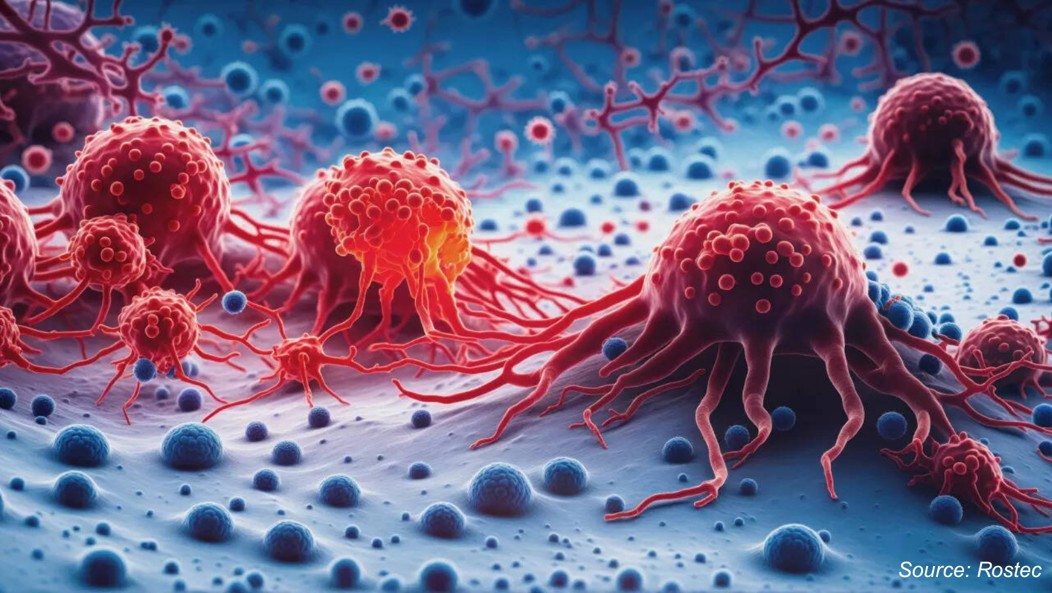
Deubiquitinases (DUBs) are enzymes that remove ubiquitin tags from proteins, rescuing them from degradation and thereby regulating critical cellular processes. By trimming ubiquitin chains, DUBs modulate protein stability in pathways like cell division, DNA repair, and apoptosis. When DUB function is disrupted, it can contribute to cancer, for example, overactive DUBs may stabilize oncogenic proteins, while loss of DUB activity can lead to degradation of tumor suppressors. Because of these roles, researchers are investigating DUB inhibitors as highly targeted cancer therapies that could improve outcomes with fewer side effects.
The Rising Global Cancer Burden Calls for Novel Targeted Therapies
The global burden of cancer continues to increase, intensifying the need for more effective and precise treatment approaches. Although established modalities such as surgery, chemotherapy, and radiation therapy remain central to cancer care, their clinical impact is often limited by systemic toxicity, lack of selectivity, and the emergence of treatment-resistant tumors. These challenges have accelerated the shift toward targeted therapeutic strategies that address cancer at a molecular level.
Deubiquitinases have emerged as promising targets within this evolving treatment landscape due to their critical role in regulating protein stability. By controlling the degradation and preservation of oncogenes and tumor suppressor proteins, DUBs influence key pathways involved in cancer progression and survival. Therapeutic inhibition of dysregulated DUBs offers a mechanism to selectively destabilize cancer-promoting proteins while restoring tumor-suppressive functions. This approach has the potential to overcome key limitations of conventional therapies, making malignant cells more vulnerable to treatment while minimizing damage to normal tissues.
Emerging Technologies and Applications in DUB Inhibitors
Advances in molecular biology, medicinal chemistry, and structural proteomics have accelerated the development of deubiquitinase inhibitors as targeted cancer therapies. Several DUB families are now being actively explored for their therapeutic and commercial potential.
Ubiquitin-Specific Proteases as Primary Drug Targets - Ubiquitin-Specific Proteases represent the largest and most extensively studied DUB family. These enzymes regulate protein degradation, intracellular signaling, and DNA repair. USP7 has emerged as a high-value target due to its role in stabilizing oncogenic proteins and regulating the p53–MDM2 axis. Multiple small-molecule USP inhibitors are currently in preclinical development, with growing interest from pharmaceutical companies due to their potential across solid and hematological malignancies.
Ubiquitin C-Terminal Hydrolases in Protein Recycling Applications - Ubiquitin C-Terminal Hydrolases play a critical role in protein turnover and cellular homeostasis. UCH-L1, in particular, has been implicated in tumor progression and metastasis in certain cancers. Research efforts are focused on exploiting UCH inhibition to disrupt abnormal protein recycling mechanisms that support cancer cell survival.
Ovarian Tumor Proteases in Immuno-Oncology Applications - Ovarian Tumor Proteases regulate immune signaling pathways by modifying polyubiquitin chains. Several OTU family members influence immune checkpoint stability, including PD-L1. Targeting OTU-related DUBs presents opportunities to enhance immunotherapy efficacy by reducing immune evasion, making this family especially relevant in combination therapy strategies.
Machado-Joseph Disease Proteases in Cellular Stress Regulation - Machado-Joseph Disease Proteases contribute to protein quality control during cellular stress. While traditionally associated with neurodegenerative disorders, recent research suggests their involvement in cancer cell survival under hypoxia and therapeutic stress. This opens emerging applications for DUB inhibition in aggressive and treatment-resistant tumors.
JAB1 MPN Mov34 Metalloenzymes in DNA Repair Targeting - JAMM domain-containing deubiquitinases utilize zinc-dependent catalytic mechanisms and are involved in DNA damage response and signal transduction. Their role in maintaining genomic stability makes them attractive targets for combination approaches with chemotherapy and radiation therapy, particularly in cancers with high DNA repair dependency.
Deubiquitinases Drive Lung Cancer Progression by Promoting Tumor Survival Mechanisms
In lung cancer, several DUBs have been shown to directly fuel tumor growth. For example, USP7 (a USP family member) has been found to remove ubiquitin from the KRAS oncoprotein, stabilizing it and promoting non-small cell lung cancer (NSCLC) proliferation. Likewise, USP11 is highly expressed in NSCLC tissues and stimulates cell growth. Another example is USP4, which is overexpressed in lung adenocarcinoma, where high USP4 levels correlate with advanced tumor stage, lymph node metastasis, and poor patient survival. In fact, silencing USP4 in lung adenocarcinoma cells reduces their proliferation, invasion and tumor formation in mice. These studies show that DUBs act as prime regulators of lung tumor development, by stabilizing oncogenic factors, such as cell-cycle proteins and suppressing tumor suppressors. Disrupting these DUBs, for instance, by gene knockdown or small-molecule inhibitors has been shown to slow lung tumor growth in preclinical models.

Deubiquitinases Enable Treatment Resistance in Lung Cancer by Supporting Tumor Plasticity
Lung cancer cells exhibit remarkable adaptability (plasticity) that lets them resist therapy. DUBs contribute to this adaptability by stabilizing survival pathways. For instance, USP7’s activity on the MDM2-p53 network protects cancer cells from stress. Normally p53 would trigger cell death in damaged cells, but USP7 maintains high MDM2 levels, which in turn degrades p53. As a result, lung cancer cells can avoid apoptosis under chemotherapy. Similarly, USP21 has been found to stabilize MEK2 (a kinase in the ERK pathway) in liver cancer models, and this mechanism likely extends to lung tumors. By keeping MEK2 active (by removing its degradative ubiquitin tags), USP21 keeps ERK signaling turned on, promoting cell proliferation even under treatment. In addition, USP21 also deubiquitinates PD-L1 (the immune checkpoint protein) in lung cancer cellse-century.us, which enhances immune evasion. Together, these actions mean that DUBs like USP7 and USP21 help lung cancer cells survive and evolve under therapy. Targeting these enzymes could reverse treatment resistance, for example, experimental USP7 inhibitors restore p53 levels and sensitize lung cancer cells to chemotherapy. Research groups (including teams at major cancer centers) are actively exploring small molecules against USP7/USP21 with the goal of limiting tumor adaptability and preventing relapse.
Deubiquitinases Promote and Suppress Tumor Development Depending on Cellular Context
It is important to recognize that the role of a given DUB can vary by context. Many DUBs act as oncogenes, but some have tumor-suppressive effects depending on the tissue or signaling environment. For example, USP4 is underexpressed in some cancers. In breast cancer, low USP4 is typical, and forcing USP4 expression there slows tumor growth. In contrast, in other cancers, USP4 deubiquitinates p53 and can inhibit apoptosis, a pro-tumor effect. This duality is also seen with USP7, it can stabilize the tumor suppressor p53 when acting on p53 directly, but because it also stabilizes MDM2, high USP7 activity in many cancers ultimately drives p53 degradation. These examples underscore that DUBs do not have uniformly good or bad roles across all cancers.
Targeting Deubiquitinases Offers New Hope for Precision Driven Cancer Therapy
Despite these challenges, targeting DUBs is a promising new approach in oncology. Inhibition of cancer-promoting DUBs has shown encouraging effects in preclinical studies. For instance, small molecules that block USP7 can reactivate p53 by destabilizing MDM2 nature.com, leading to cancer cell apoptosis. Such compounds have been demonstrated to synergize with chemotherapy, such as in lung cancer cells resistant to paclitaxel, adding a USP7 inhibitor restores drug sensitivity and triggers cell death. Likewise, inhibiting USP21 (which stabilizes PD-L1) could enhance the effects of immunotherapy by allowing PD-L1 to be degradede- century.us. In essence, DUB inhibitors personalize treatment, where a drug can be chosen to target the specific DUB overexpressed in a patient’s tumor. Combining DUB inhibitors with existing modalities is also being explored. Collectively, these findings suggest DUB-targeted drugs could significantly improve cancer outcomes and represent a new class of precision therapies.

Challenges and opportunities in developing DUB inhibitors
Developing safe, effective DUB inhibitors is not without hurdles. Many currently available inhibitors are not perfectly selective and can hit multiple DUBs, or other enzymes, raising the risk of off-target effects in normal cells. Achieving delivery specifically to tumors, for example, using nanoparticles or targeted antibodies is another technical challenge. Researchers are therefore optimizing both the specificity of DUB inhibitor molecules and their delivery methods. Moreover, because DUB functions vary between cancers, identifying which patients will benefit most will require biomarker studies. On the opportunity side, the modular nature of the ubiquitin system means there are many ways to intervene like small molecules, peptides, even PROTACs that degrade DUBs. Recent reviews emphasize that as we learn more about DUB biology and develop better inhibitors, the promise for cancer therapy is high. Clinical trials are eagerly anticipated to determine how well these strategies translate to patient care.
Future Directions for Developing Deubiquitinase Targeted Cancer Therapies
Looking ahead, DUB inhibitors could become a core part of cancer treatment regimens. Ongoing research is focused on identifying the most critical DUBs in each cancer type and designing drugs that hit only those targets. As with any new therapy, it will take time to move from lab studies to approved drugs. However, the encouraging preclinical results, such as improved chemotherapy/radiation sensitivity when a DUB is inhibited, provide hope. Ultimately, success will depend on collaborations between clinicians, biologists, and chemists to refine these compounds and test them in patients. If achieved, DUB-based therapies could overcome resistance to current treatments and improve survival for many cancer patients.
About the Author
 Mayurima Roy
— Mayurima Roy is Research Analyst at Next Move Strategy Consulting, where she has spent 4 years working across the firm's full industry coverage rather than a single fixed vertical. Her work centers on structured research, ongoing trend tracking, competitive assessment, and insight-led content development, translating complex market data into clear, decision-ready narratives that support informed client decision-making across diverse global industries, market sectors, and world regions every day.
Mayurima Roy
— Mayurima Roy is Research Analyst at Next Move Strategy Consulting, where she has spent 4 years working across the firm's full industry coverage rather than a single fixed vertical. Her work centers on structured research, ongoing trend tracking, competitive assessment, and insight-led content development, translating complex market data into clear, decision-ready narratives that support informed client decision-making across diverse global industries, market sectors, and world regions every day.
About the Reviewer
 Supradip Baul
— Supradip Baul is an accomplished business consultant and strategist with over a decade of rich experience in market intelligence, strategy, technology, and business transformation. His work has included rigorous qualitative and quantitative analysis across multiple industries, helping clients shape investment decisions and long-term roadmaps. Earlier in his career, he was associated with Gartner, where he contributed to industry-leading reports and market share analyses. He has worked with leading global companies and holds an MBA with a dual specialization in Marketing and Finance.
Supradip Baul
— Supradip Baul is an accomplished business consultant and strategist with over a decade of rich experience in market intelligence, strategy, technology, and business transformation. His work has included rigorous qualitative and quantitative analysis across multiple industries, helping clients shape investment decisions and long-term roadmaps. Earlier in his career, he was associated with Gartner, where he contributed to industry-leading reports and market share analyses. He has worked with leading global companies and holds an MBA with a dual specialization in Marketing and Finance.
















Add Comment