Edge AI in 2026: From Industrial Intelligence to Everyday Devices

Edge AI is no longer a futuristic concept. In 2026, it is actively transforming industries and consumer applications by enabling real-time data processing at the source rather than relying on centralized cloud systems. Recent developments from Microsoft, Google, and Advantech highlight how Edge AI is becoming a cornerstone of Industry 4.0, mobile innovation, and enterprise infrastructure.
Edge AI for Industry 4.0: Microsoft’s Sovereign Approach
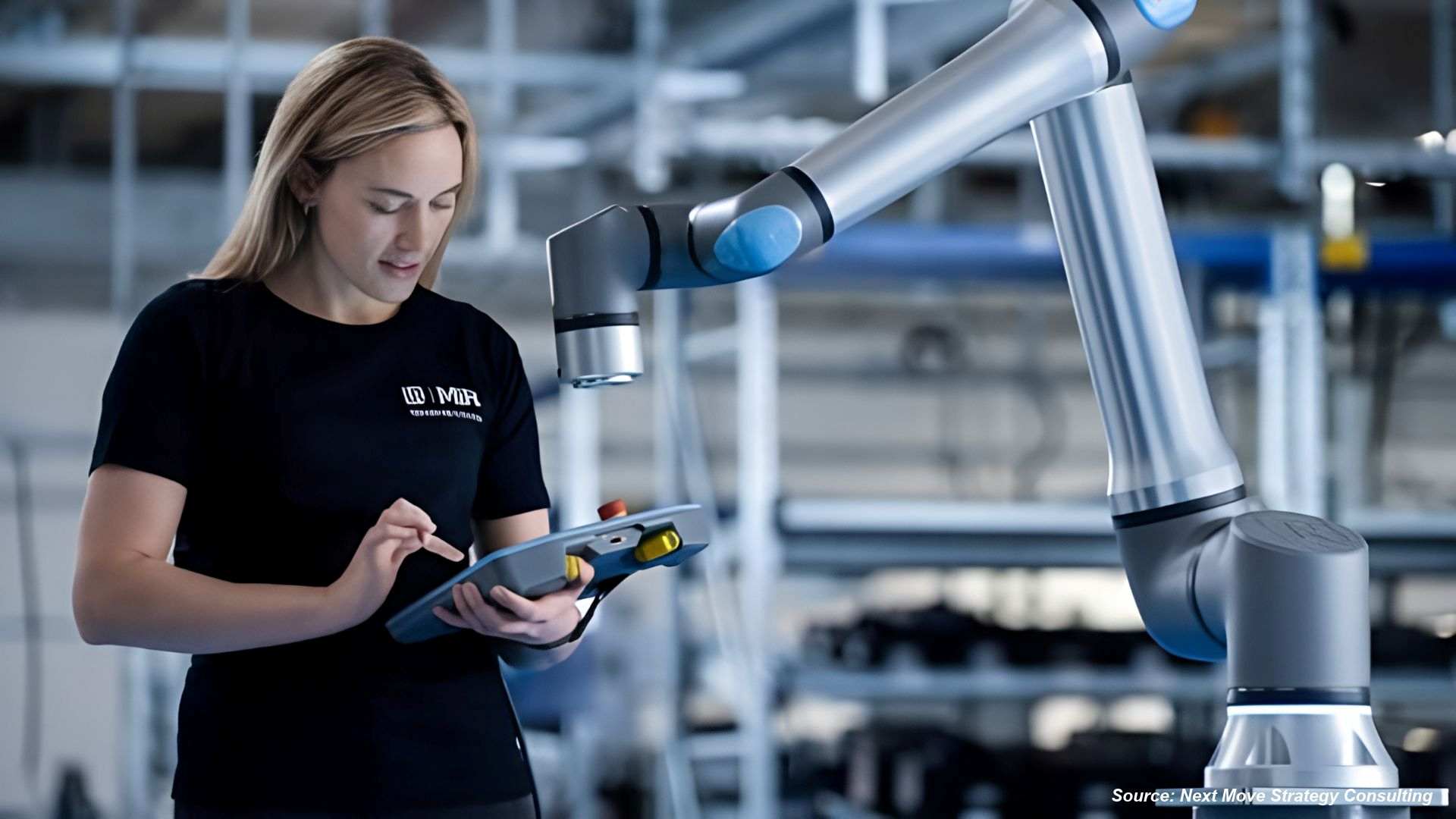
Microsoft is advancing Edge AI adoption through sovereign edge solutions tailored for Industry 4.0 environments. These solutions integrate Edge AI with private networks, enabling enterprises to process sensitive data locally while maintaining compliance and operational control.
According to the report, Microsoft’s sovereign edge AI solutions are designed to support industrial use cases where low latency, data privacy, and reliability are critical. These deployments are closely tied to private 5G networks, allowing seamless connectivity between machines, sensors, and analytics systems.
Key advantages include:
-
Real-time decision-making at the edge
-
Reduced dependency on cloud infrastructure
-
Enhanced data sovereignty for regulated industries
-
Improved resilience in mission-critical operations

The convergence of Edge AI with private network infrastructure signals a meaningful transformation in industrial system design. Organizations are increasingly emphasizing localized data processing to minimize latency and meet strict compliance requirements, positioning Edge AI as a critical enabler of next-generation smart manufacturing, according to Next Move Strategy Consulting.
Edge AI in Consumer Tech: Google’s On-Device AI Expansion
Google has introduced an Edge AI-powered application called “AI Edge Eloquent,” based on its Gemma AI model, designed for iPhones. The application performs speech-to-text dictation directly on the device without requiring cloud processing.
This innovation demonstrates a growing shift toward on-device AI capabilities, where processing occurs locally to enhance speed, privacy, and offline usability.
Key highlights:
-
On-device speech recognition reduces latency
-
No need for constant internet connectivity
-
Enhanced user privacy through local processing
-
Efficient performance optimized for mobile hardware
Edge AI in consumer devices is redefining user expectations, with faster response times and stronger privacy controls emerging as essential features. This shift indicates that on-device AI is set to become a key competitive differentiator in the smartphone ecosystem. Insights from Next Move Strategy Consulting suggest that this evolution will push device manufacturers to prioritize embedded intelligence as a core element of product innovation.
Industrial Edge AI Demand: Advantech’s Growth Signal
Advantech, a leading industrial computing company, has reported strong demand for industrial PCs (IPCs) driven by AI applications. The company expects AI-related applications to contribute significantly to its revenue growth in 2026.
The report indicates that Edge AI adoption is accelerating across sectors such as manufacturing, automation, and smart infrastructure, where real-time processing is essential.
Key Demand Drivers
|
Driver |
Impact on Edge AI |
|
Industrial automation |
Enables predictive maintenance and monitoring |
|
Smart infrastructure |
Supports real-time analytics in urban systems |
|
AI-enabled IPCs |
Enhances computing power at the edge |
|
Enterprise digitization |
Drives adoption of decentralized computing |
The surge in demand for AI-enabled industrial hardware highlights a broader ecosystem shift, with hardware manufacturers emerging as critical enablers of Edge AI. This trend suggests that future competition will extend beyond software into integrated edge solutions, as observed by Next Move Strategy Consulting.
According to Next Move Strategy Consulting: Industry Impact
The combined developments from Microsoft, Google, and Advantech illustrate a multi-layered expansion of Edge AI across industries.
Key Industry Impacts
-
Decentralization of AI workloads: Enterprises are shifting from centralized cloud models to distributed edge architectures.
-
Rise of hybrid AI ecosystems: Organizations are combining edge and cloud for optimal performance and scalability.
-
Increased hardware innovation: Demand for AI-capable edge devices is accelerating product development cycles.
-
Privacy-first computing: On-device AI is becoming a standard requirement in consumer applications.

Key Trends Shaping Edge AI in 2026
-
Integration with private networks: Especially in industrial environments
-
On-device intelligence in consumer tech: Reducing reliance on cloud systems
-
Growth in AI-enabled hardware: Particularly industrial PCs and edge servers
-
Focus on data sovereignty: Driven by regulatory and security concerns
Next Steps: What Businesses Should Do
1. Invest in Edge Infrastructure: Prioritize AI-capable hardware and localized computing systems
2. Adopt Hybrid AI Models: Combine edge and cloud for balanced performance
3. Focus on Data Governance: Ensure compliance with data sovereignty requirements
4. Explore Industry-Specific Use Cases: Tailor Edge AI applications to operational needs
5. Collaborate with Technology Providers: Leverage partnerships for faster deployment

Organizations that act early in adopting Edge AI strategies will gain a measurable advantage in efficiency, responsiveness, and data control. Delayed adoption may result in competitive gaps as industry standards evolve.
Conclusion
Edge AI in 2026 is defining the next phase of digital transformation. From industrial automation powered by Microsoft’s sovereign edge solutions to Google’s on-device AI applications and Advantech’s hardware-driven growth, the ecosystem is rapidly expanding.
The shift toward real-time, localized intelligence is not just a technological upgrade; it is a strategic necessity for businesses aiming to remain competitive in a data-driven world.
About the Author
 Joydeep Dey
— Joydeep Dey is a content writer and analyst fueled by creativity, research, and continuous learning. He combines compelling storytelling with market insights to turn complex information into engaging, impactful content. Passionate about emerging trends, digital strategy, and innovation-driven communication, he believes curiosity and consistent growth are key to creating meaningful influence in every project.
Joydeep Dey
— Joydeep Dey is a content writer and analyst fueled by creativity, research, and continuous learning. He combines compelling storytelling with market insights to turn complex information into engaging, impactful content. Passionate about emerging trends, digital strategy, and innovation-driven communication, he believes curiosity and consistent growth are key to creating meaningful influence in every project.
About the Reviewer
 Sanyukta Deb
— Sanyukta Deb is Digital Marketing Team Lead at Next Move Strategy Consulting, where she has led content strategy and technical SEO for the firm's B2B market research publications for over 2 years. Her editorial process translates NextMSC's primary and secondary research — spanning technology, industrial, and consumer sectors — into commercial narratives, backed by search-intent, keyword, and competitive analysis. She brings 5 years of overall experience in digital marketing and content strategy.
Sanyukta Deb
— Sanyukta Deb is Digital Marketing Team Lead at Next Move Strategy Consulting, where she has led content strategy and technical SEO for the firm's B2B market research publications for over 2 years. Her editorial process translates NextMSC's primary and secondary research — spanning technology, industrial, and consumer sectors — into commercial narratives, backed by search-intent, keyword, and competitive analysis. She brings 5 years of overall experience in digital marketing and content strategy.
















Add Comment