Hitachi, Alstom, Mitsubishi Electric, and Other Top Players Shaping the Future of the Railway Traction Motor Market
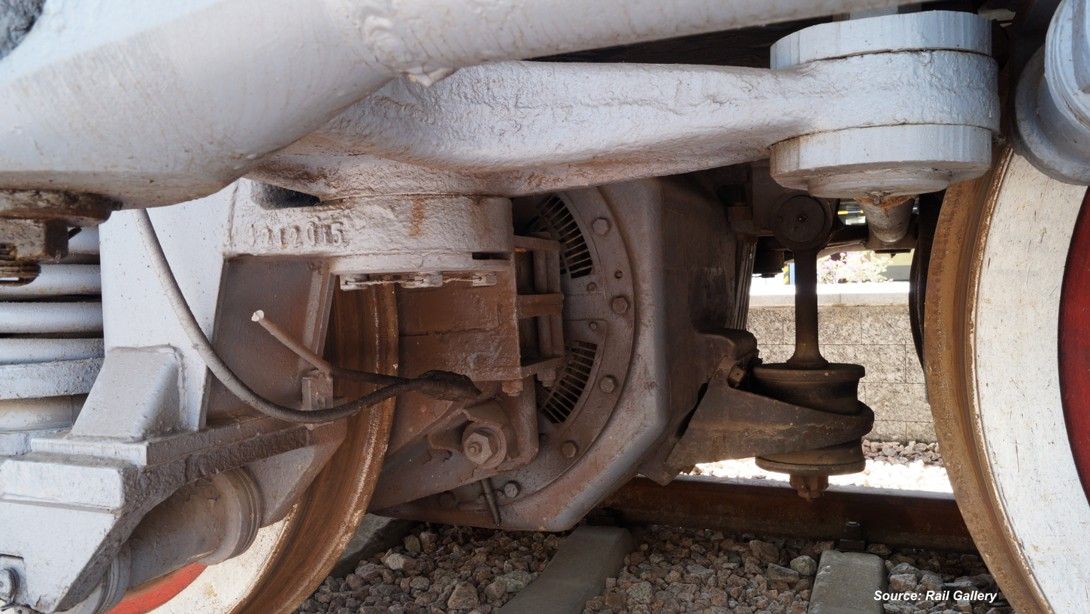
As per NMSC analysis, the Railway Traction Motor Market is set to maintain strong growth momentum, with the market size expected to reach around USD 30.84 billion by 2035, marking a solid CAGR of 9.91%. Valued at USD 11.3 billion in 2025, the Railway Traction Motor Market is projected to rise to USD 13.17 billion by the end of 2026. In volume terms, the market was estimated at 517 thousand units in 2025 and is projected to increase from 628 thousand units in 2026 to 1665 thousand units by 2035, registering a CAGR of 11.4% during the forecast period.
The Railway Traction Motor Market is characterised by a complex balance between performance-driven engineering, operational reliability, and stringent railway safety and certification requirements, positioning it as a highly specialised segment within the broader rail transportation ecosystem. Our market analysis indicates that competitive intensity is increasingly shaped by the need for higher energy efficiency, enhanced power density, lightweight motor designs, improved thermal management, and durability under demanding operating conditions. Companies such as Hitachi Rail, Siemens Mobility, and Wabtec Corporation are leveraging advanced motor technologies, digital monitoring systems, and global manufacturing capabilities to deliver high-performance traction solutions for modern rail networks. At the same time, players such as Alstom and CRRC Corporation Limited are aligning their product portfolios with evolving sustainability targets, electrification initiatives, and railway modernisation programs. Our research further suggests that compliance with railway certification standards, long-term supply agreements, predictive maintenance capabilities, and consistent product performance are emerging as critical differentiators, strengthening supplier positioning across passenger, freight, high-speed, and urban transit applications.
Railway Traction Motor Market Overview
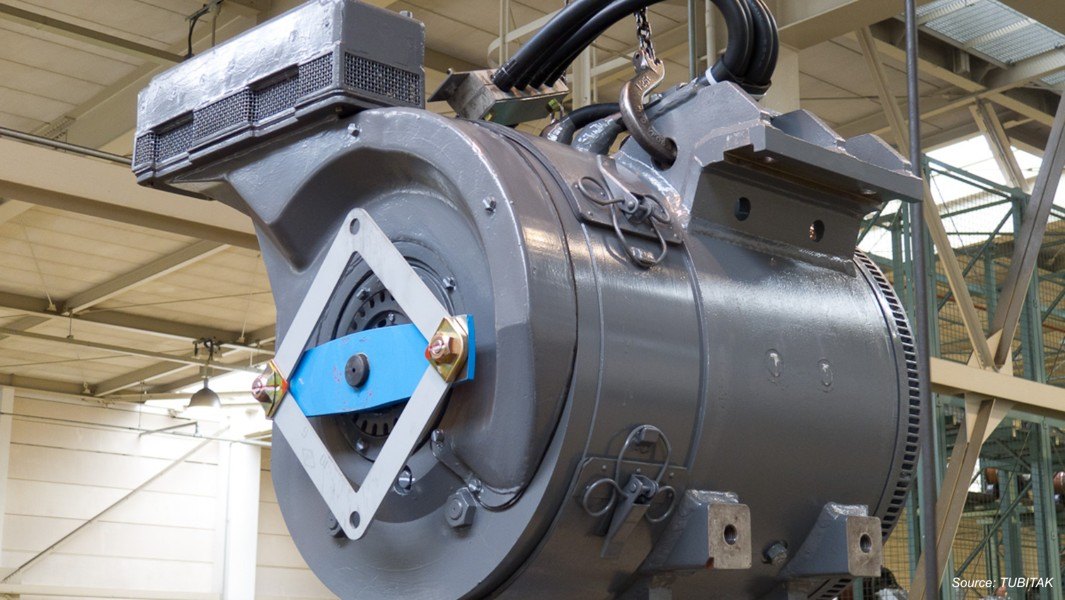
The Railway Traction Motor Market forms a critical segment of the broader rail transportation industry, centred on electric motors that provide the driving force for locomotives, metro systems, high-speed trains, light rail vehicles, and freight rail networks. Over time, traction motors have evolved from conventional DC motor systems to highly efficient AC induction motors and permanent magnet motor technologies, enabling improved energy efficiency, operational reliability, and train performance. NMSC assessment indicate that increasing railway electrification, network expansion projects, and investments in sustainable transportation infrastructure are collectively reinforcing baseline demand across passenger and freight rail sectors.
Our analysis further suggests that demand dynamics are increasingly shaped by global decarbonisation initiatives and the growing emphasis on energy-efficient mobility solutions. The rising adoption of electric and hybrid rail systems is accelerating the deployment of advanced traction motor technologies capable of delivering higher power density, lower maintenance requirements, and enhanced operational efficiency. At the same time, rapid urbanisation, increasing passenger volumes, and expanding metro and suburban rail networks are supporting sustained demand for modern rolling stock equipped with next-generation propulsion systems. In parallel, fleet modernisation and refurbishment programs are contributing to steady replacement demand, although the market remains primarily driven by new rolling stock procurement and railway infrastructure development cycles.
Technological advancement is further a defining characteristic of the Railway Traction Motor Market’s current evolution, as manufacturers are prioritising innovations in lightweight motor designs, advanced cooling systems, digital condition monitoring, predictive maintenance capabilities, and high-efficiency power electronics integration. Additionally, the development of smart traction motors equipped with IoT-enabled diagnostics and real-time performance monitoring is repositioning these systems as strategic assets for improving fleet reliability and reducing lifecycle costs. Despite these growth drivers, we observed that the market continues to face structural challenges such as high capital investment requirements, complex certification and safety compliance processes, fluctuations in raw material costs, and long procurement cycles, all of which influence overall industry scalability and adoption rates.
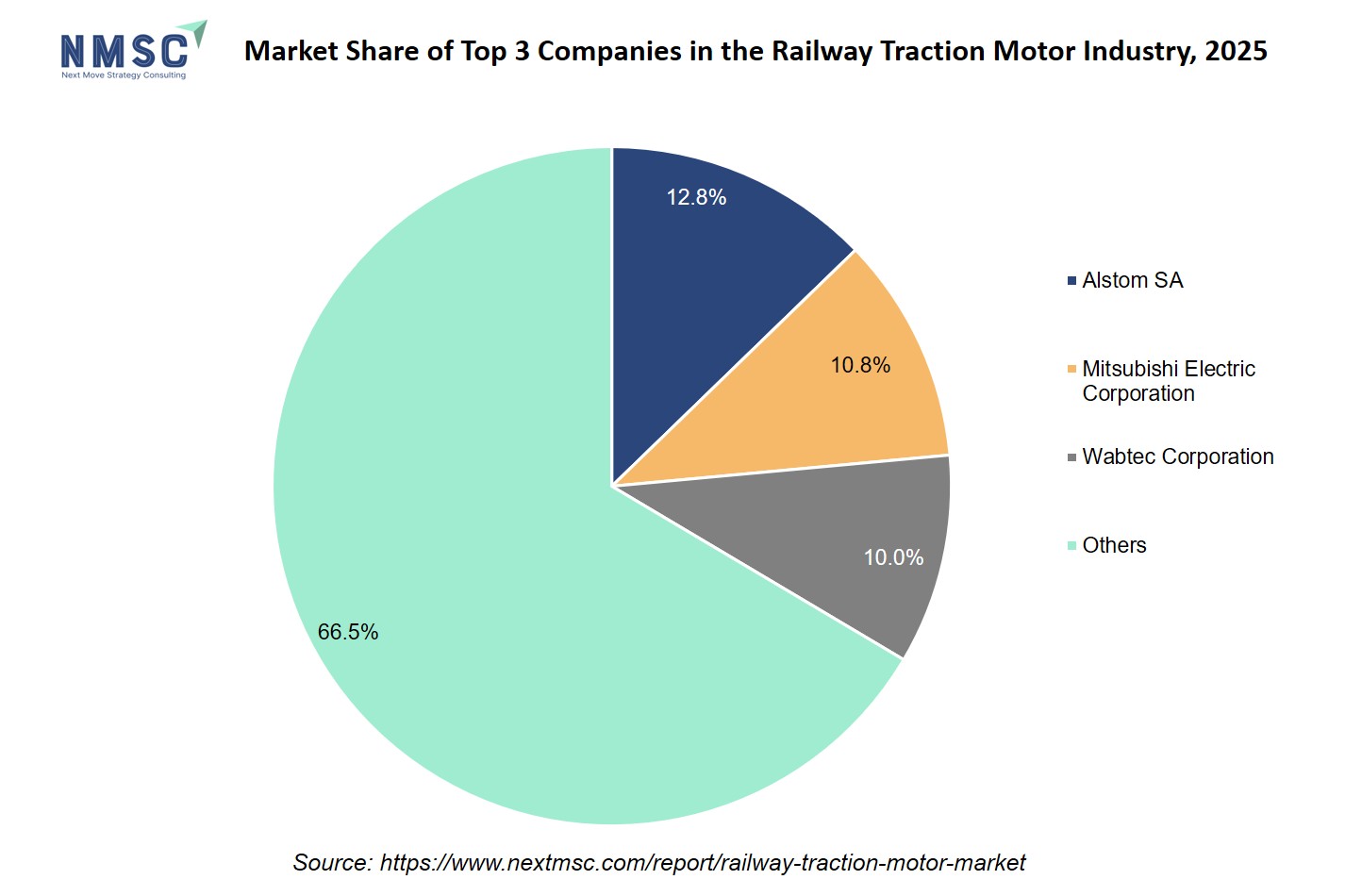
For the latest market share analysis and in-depth report on Railway Traction Motor Industry insights, you can buy our latest report: Access the Full Report
Highlights of Alstom SA
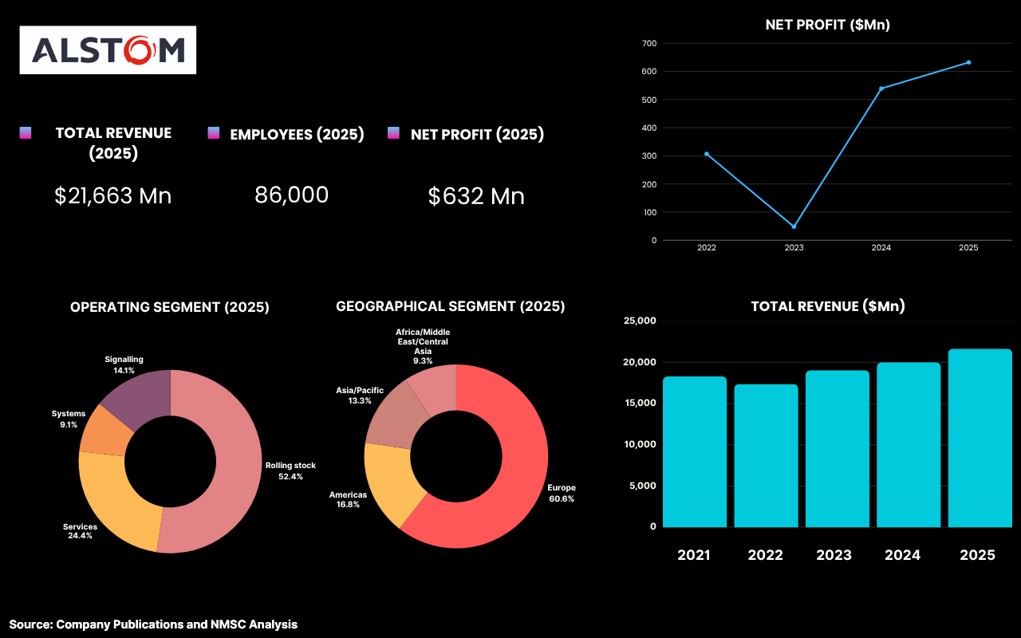
Alstom SA is a France-based multinational rail transportation company headquartered in Saint-Ouen-sur-Seine. The company designs, manufactures, and services rolling stock, signalling systems, rail infrastructure solutions, and mobility technologies for passenger and freight transportation networks worldwide. Its portfolio includes high-speed trains, metros, locomotives, regional trains, and digital rail solutions that support sustainable and efficient mobility. The Railway Traction Motor Market is strategically important to Alstom because traction motors are core components of rolling stock propulsion systems, directly influencing train performance, energy efficiency, reliability, and lifecycle costs across the company’s extensive rail vehicle portfolio.
A notable Railway Traction Motor Market development occurred in January 2025 when Alstom secured a USD 164 million contract to supply its MITRAC traction components and associated electrical equipment for 17 Vande Bharat Sleeper trainsets for Indian Railways. The contract also includes long-term maintenance services for traction and major electrical equipment, while production will be supported by Alstom’s traction-equipment manufacturing capabilities in India. This development directly strengthens Alstom’s position in the Railway Traction Motor Market by expanding deployment of its proprietary traction technologies in one of the world’s fastest-growing rail markets and reinforcing its strategy of local manufacturing and long-term propulsion system support. Additionally, we observed that in July 2025, Alstom announced that it would supply propulsion components, including AC traction motor-related propulsion systems manufactured at its Hornell facility in New York, for Kawasaki’s new R211 subway cars for New York City Transit. This contract further strengthens Alstom’s traction-system footprint in North America and supports its strategy of expanding high-value propulsion component supply for major urban rail fleets.
Highlights of Mitsubishi Electric Corporation
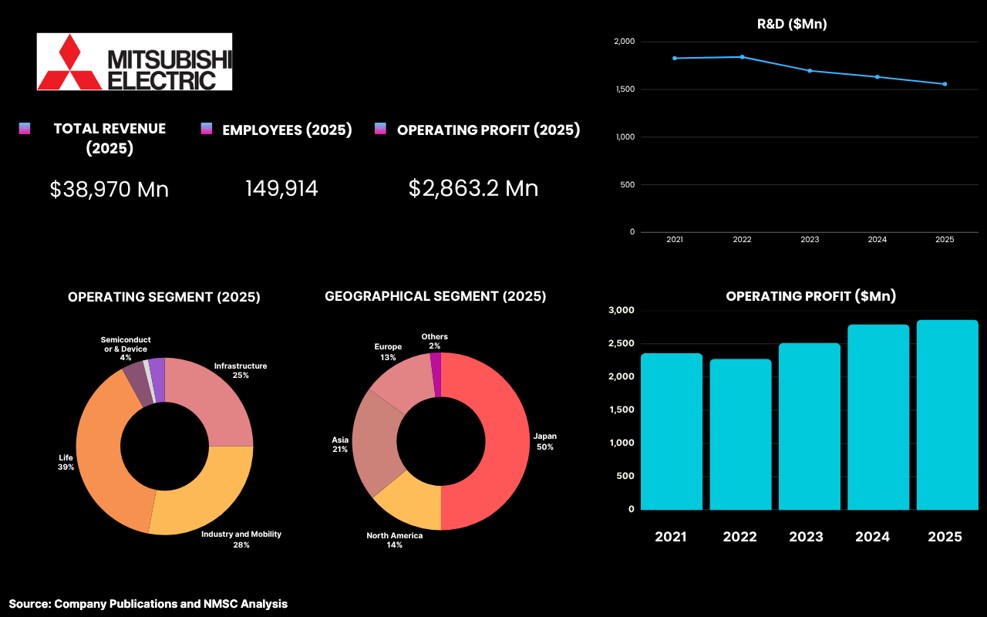
Mitsubishi Electric Corporation is a Japan-based multinational electrical and electronics company headquartered in Tokyo, Japan. The company specializes in industrial automation, energy systems, building technologies, power electronics, and transportation solutions, with a strong presence in the railway sector through traction motors, propulsion systems, inverters, train control equipment, and integrated railway solutions. Mitsubishi Electric serves railway operators and rolling stock manufacturers across Asia, Europe, and other global markets. The Railway Traction Motor Market is strategically important to the company because traction motors and propulsion systems constitute a core part of its railway business, directly supporting energy-efficient train operations, fleet modernization programs, and sustainable rail transportation initiatives.
We observed that in October 2025, Mitsubishi Electric's SynTRACS (Synchronous Reluctance Motor and Inverter Traction System) received the prestigious 2025 R&D 100 Award. The system features a synchronous reluctance traction motor that eliminates the need for permanent magnets and rare-earth materials while improving energy efficiency in railway applications. This development highlights the industry's transition toward advanced, resource-efficient propulsion technologies that reduce operating costs and support sustainability objectives. The recognition reinforces Mitsubishi Electric’s technological leadership in next-generation traction motor solutions and strengthens its competitive position in the evolving railway propulsion market.
Highlights of ABB LTD.
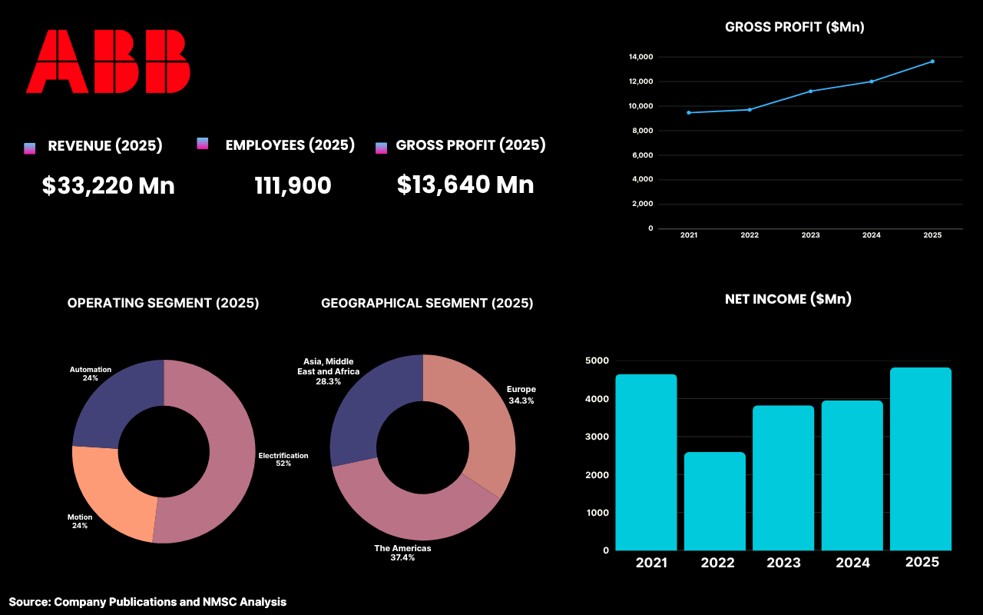
ABB Ltd. is a Switzerland-based multinational technology company headquartered in Zurich, Switzerland. The company specializes in electrification, automation, power electronics, and transportation technologies, with a strong presence in the railway sector through traction converters, traction motors, propulsion systems, energy storage solutions, and railway electrification infrastructure. ABB serves rolling stock manufacturers, railway operators, and transit authorities across global markets. The Railway Traction Motor Market is strategically important to the company because traction motors and propulsion systems are integral to its rail portfolio, enabling energy-efficient train operations, improved reliability, and sustainable mobility solutions across passenger and urban transit networks.
Our research indicates that in January 2026, ABB secured a major order from Titagarh Rail Systems to supply complete traction and control solutions for Mumbai Metro Line 5 and Line 6 trainsets. The scope includes traction converters, auxiliary converters, traction motors, and Train Control and Management System (TCMS) software, with manufacturing supported by ABB's facilities in India. This development expands ABB’s traction motor deployment in a large-scale metro project and strengthens its position in the growing urban rail propulsion segment. The contract also supports the company's strategy of increasing its presence in railway electrification and advanced propulsion technologies in India.
Highlights of Wabtec Corporation
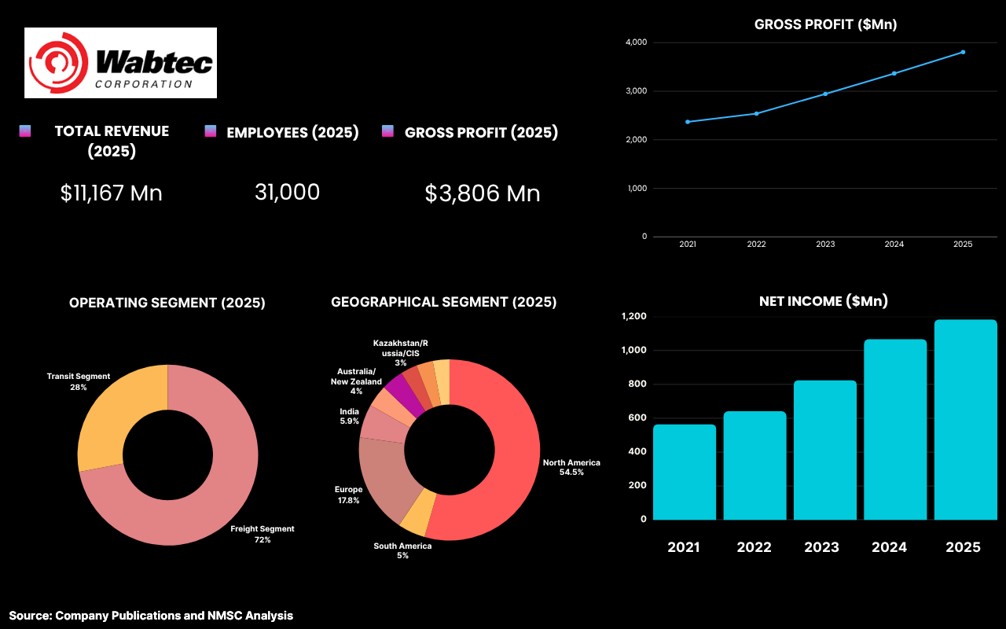
Wabtec Corporation is a U.S.-based transportation technology company headquartered in Pittsburgh, with operations spanning freight rail, transit, mining, marine, and industrial sectors. The company specializes in locomotives, propulsion systems, traction equipment, braking systems, digital rail technologies, and aftermarket services that support rail network efficiency and sustainability. Through its locomotive and transit businesses, Wabtec develops and supplies propulsion and traction solutions used in freight and passenger rail applications worldwide. The railway traction motor market is strategically important to Wabtec because traction motors and propulsion technologies form a core component of its locomotive and transit equipment portfolio, directly influencing growth opportunities across rail modernization and fleet expansion programs.
NMSC’s analysis indicates that Wabtec continues to strengthen its position in the market through ongoing investments in advanced propulsion systems, locomotive modernisation technologies, energy-efficient traction solutions, and digital rail innovation. The company focuses on enhancing locomotive performance, improving operational reliability, and supporting rail decarbonization through the development of integrated propulsion platforms and intelligent fleet management capabilities. Its broad portfolio of freight and transit rail solutions, combined with a strong aftermarket service network, enables Wabtec to serve diverse customer requirements across global railway markets. As rail operators increasingly prioritize sustainability, efficiency, and lifecycle cost optimisation, the company remains well positioned to benefit from growing demand for high-performance traction motors and next-generation propulsion technologies, reinforcing its long-term competitiveness in the global railway industry.
Highlights of Hitachi Ltd.
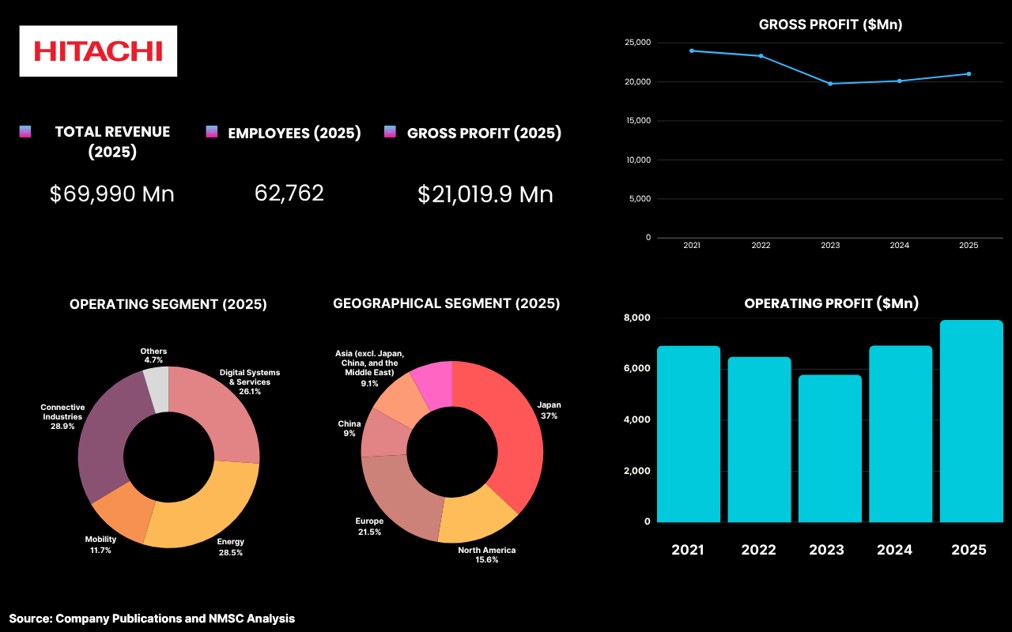
Hitachi, Ltd. is a Japan-based multinational technology and industrial conglomerate headquartered in Tokyo, Japan. The company operates across digital systems, energy, mobility, and industrial solutions, with a significant presence in the railway sector through its subsidiary Hitachi Rail. Its portfolio includes traction motors, propulsion systems, rolling stock, signalling technologies, and digital rail solutions that serve passenger, freight, metro, and high-speed rail networks worldwide. The Railway Traction Motor Market is strategically important to Hitachi because traction motors and propulsion systems are fundamental to its rail transportation business, supporting demand for energy-efficient, reliable, and sustainable mobility solutions across global railway networks.
Hitachi continues to strengthen its position in the Railway Traction Motor Market through investments in advanced propulsion technologies, railway electrification solutions, and digital mobility platforms. We observed that the company focuses on developing high-efficiency traction systems, predictive maintenance capabilities, and intelligent railway technologies that enhance operational performance and reduce lifecycle costs for rail operators. Through its global rail business, Hitachi is actively supporting fleet modernisation, urban transit expansion, and sustainable transportation initiatives across multiple regions. As governments and operators increase investments in low-carbon mobility and rail infrastructure development, the company remains well positioned to capitalize on growing demand for innovative traction motor and propulsion solutions, reinforcing its long-term competitiveness in the global railway transportation industry.
Summary of Railway Traction Motor Market
The Railway Traction Motor market demonstrates a relatively mature yet innovation-intensive structure, characterised by high entry barriers and continuous material advancements, positioning it as a specialised and performance-critical segment within the global aerospace supply chain. Our analysis indicates that demand is primarily driven by performance-led requirements rather than volume expansion alone, particularly as aircraft manufacturers prioritise weight reduction, safety compliance, and lifecycle efficiency. Leading material suppliers such as BASF SE, Evonik Industries AG, and DuPont maintain strong positioning through advanced material science capabilities, integrated production systems, and long-standing relationships with aerospace OEMs and Tier 1 suppliers.
From a competitive standpoint, the market is defined by continuous progress in high-performance polymers, fire-resistant formulations, and multifunctional material design. Industry analysis suggests that companies such as Saint-Gobain S.A., Solvay SA, and Syensqo SA are advancing capabilities in lightweight composites and specialty foams that meet increasingly stringent aviation safety and sustainability standards. This reflects a broader industry transition toward materials that not only reduce weight but also enhance acoustic insulation, thermal management, and environmental compliance across next-generation aircraft platforms.
In parallel, specialised manufacturers such as 3A Composites GmbH and LTI Holdings, Inc are strengthening their market presence through application-specific product development and close integration with aircraft interior and component suppliers. Our primary research suggests that competitive differentiation is increasingly shifting beyond material performance to include certification expertise, supply reliability, and the ability to support long product lifecycles. While the market benefits from strong alignment with long-term aerospace demand fundamentals, it remains influenced by aircraft production cycles, regulatory complexity, and raw material cost volatility. Overall, the Railway Traction Motor market reflects strong technical expertise, established supplier credibility, and high trust driven by rigorous certification standards and critical end-use applications.
About the Author
 Mayurima Roy
— Mayurima Roy is Research Analyst at Next Move Strategy Consulting, where she has spent 4 years working across the firm's full industry coverage rather than a single fixed vertical. Her work centers on structured research, ongoing trend tracking, competitive assessment, and insight-led content development, translating complex market data into clear, decision-ready narratives that support informed client decision-making across diverse global industries, market sectors, and world regions every day.
Mayurima Roy
— Mayurima Roy is Research Analyst at Next Move Strategy Consulting, where she has spent 4 years working across the firm's full industry coverage rather than a single fixed vertical. Her work centers on structured research, ongoing trend tracking, competitive assessment, and insight-led content development, translating complex market data into clear, decision-ready narratives that support informed client decision-making across diverse global industries, market sectors, and world regions every day.
About the Reviewer
 Supradip Baul
— Supradip Baul is an accomplished business consultant and strategist with over a decade of rich experience in market intelligence, strategy, technology, and business transformation. His work has included rigorous qualitative and quantitative analysis across multiple industries, helping clients shape investment decisions and long-term roadmaps. Earlier in his career, he was associated with Gartner, where he contributed to industry-leading reports and market share analyses. He has worked with leading global companies and holds an MBA with a dual specialization in Marketing and Finance.
Supradip Baul
— Supradip Baul is an accomplished business consultant and strategist with over a decade of rich experience in market intelligence, strategy, technology, and business transformation. His work has included rigorous qualitative and quantitative analysis across multiple industries, helping clients shape investment decisions and long-term roadmaps. Earlier in his career, he was associated with Gartner, where he contributed to industry-leading reports and market share analyses. He has worked with leading global companies and holds an MBA with a dual specialization in Marketing and Finance.
















Add Comment