How Are Autonomous Ships Transforming Maritime Operations?
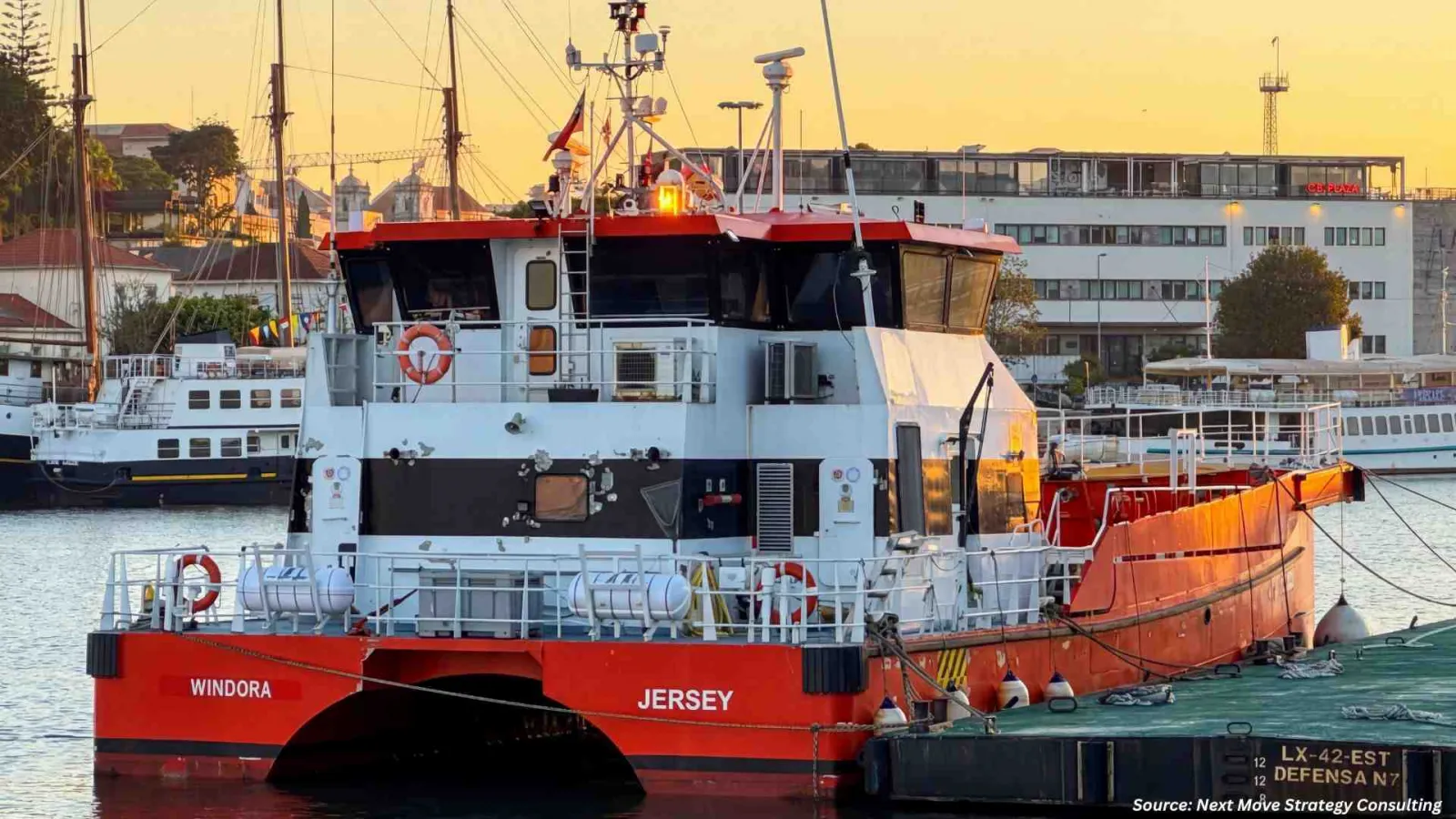
Autonomous ships are steadily moving from concept to reality, reshaping how maritime operations are conducted across both defense and commercial sectors. Recent developments highlight a dual transformation: the integration of unmanned vessels into advanced military networks and the emergence of environmentally sustainable cargo solutions powered by wind and automation. Together, these trends signal a shift toward smarter, safer, and more efficient maritime ecosystems.
What Defines the Rise of Autonomous Ships Today?
Autonomous ships are vessels designed to operate with minimal human involvement, using intelligent systems, remote control infrastructure, and real-time data exchange. Their evolution is being driven by two key forces: the need for operational efficiency and the growing demand for sustainability.
In defense applications, autonomous surface vessels are being integrated into global communication frameworks, enabling seamless coordination across fleets. At the same time, commercial innovators are exploring wind-powered propulsion systems combined with automation to reduce environmental impact and operational costs.
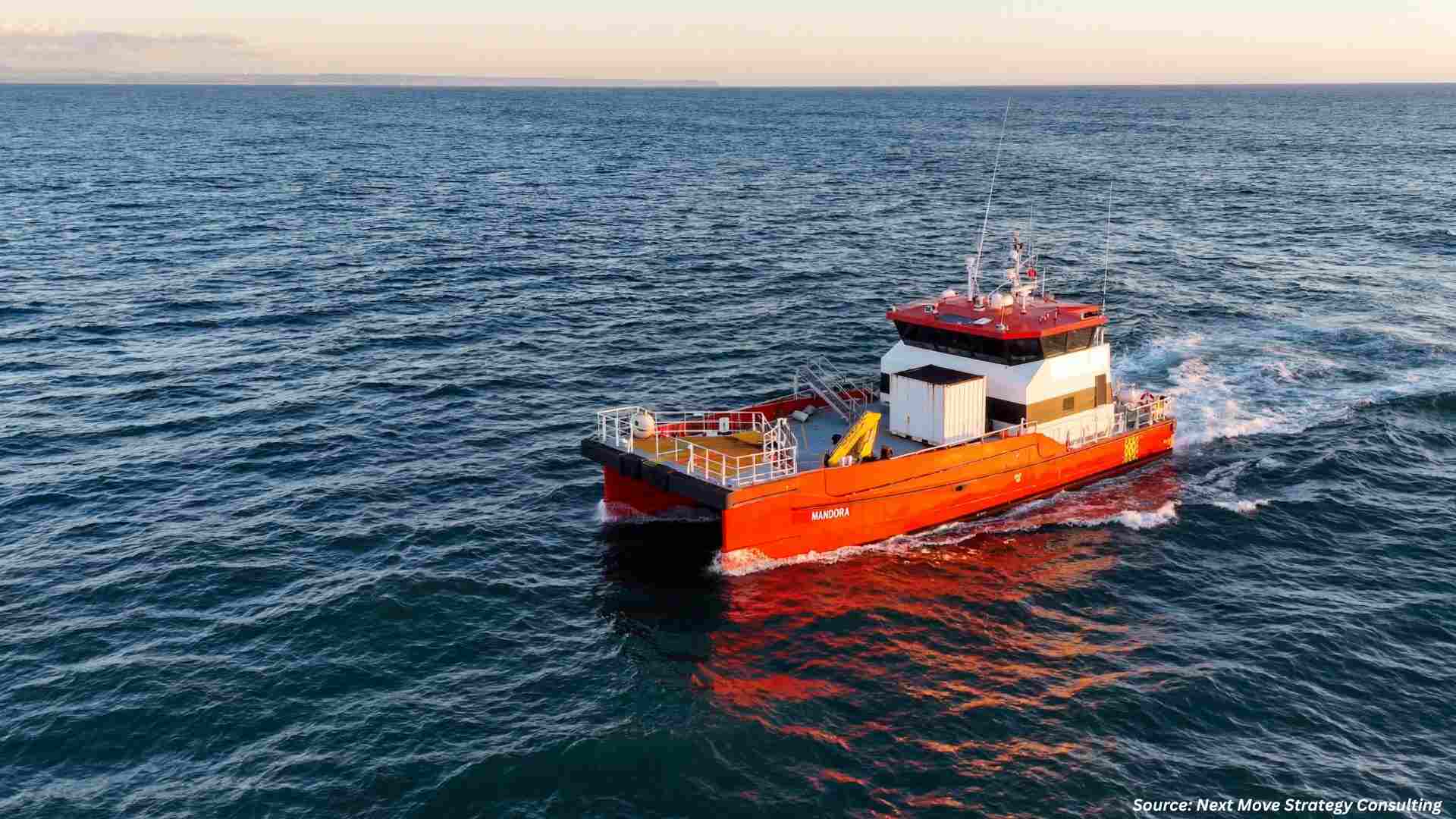
How Is Defense Integration Accelerating Autonomous Ship Adoption?
The defense sector is playing a central role in validating and accelerating autonomous ship technologies. Recent developments show unmanned surface vessels being connected to global command and control systems, allowing them to share data and operate alongside traditional naval assets.
These vessels are designed to communicate over extended ranges and integrate into existing military infrastructure. This ensures interoperability with allied forces and enables coordinated operations across vast maritime regions. Their ability to transmit real-time data back to command centers significantly enhances situational awareness.
Another notable advancement is their capability to operate as part of hybrid fleets. Autonomous vessels can complement manned ships, expanding operational reach without increasing risk to human personnel.
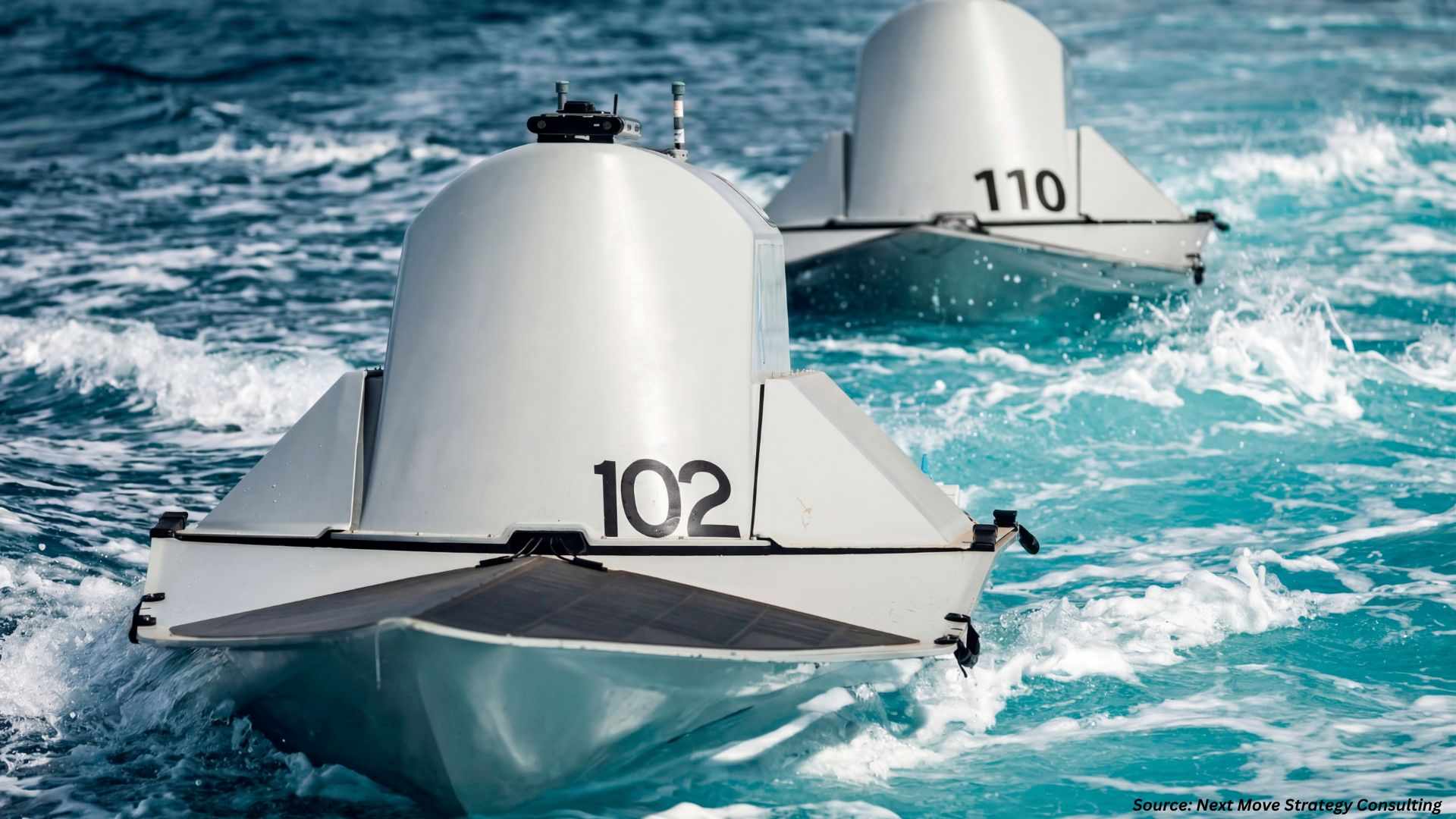
How Are Autonomous Ships Enabling Unmanned Teamwork?
One of the most transformative aspects of Autonomous Ships Market is their ability to function collaboratively. These vessels are equipped with systems that allow them to communicate continuously with one another, enabling coordinated decision-making without constant human oversight.
Instead of operating as isolated units, they function as interconnected fleets capable of distributing tasks and optimizing performance in real time. Human involvement is largely limited to assigning missions, while execution is handled autonomously.
This collaborative approach enhances efficiency and reduces delays, especially in complex or high-risk environments. It also allows for scalable operations, where multiple vessels can be deployed simultaneously without proportional increases in manpower.
Can Autonomous Ships Improve Sustainability in Shipping?
Sustainability is emerging as a critical driver in the development of autonomous ships. A notable innovation involves the use of large airborne kites to propel cargo vessels. These kites operate at high altitudes, capturing stronger wind currents to generate propulsion.
This approach significantly reduces reliance on traditional fuel sources, leading to lower emissions and improved environmental performance. The system is supported by advanced sensors and data analytics, which monitor flight patterns and optimize efficiency.
In addition to propulsion, automation plays a key role in reducing energy consumption by optimizing routes and minimizing operational inefficiencies. The combination of wind power and intelligent systems represents a meaningful step toward greener shipping solutions.
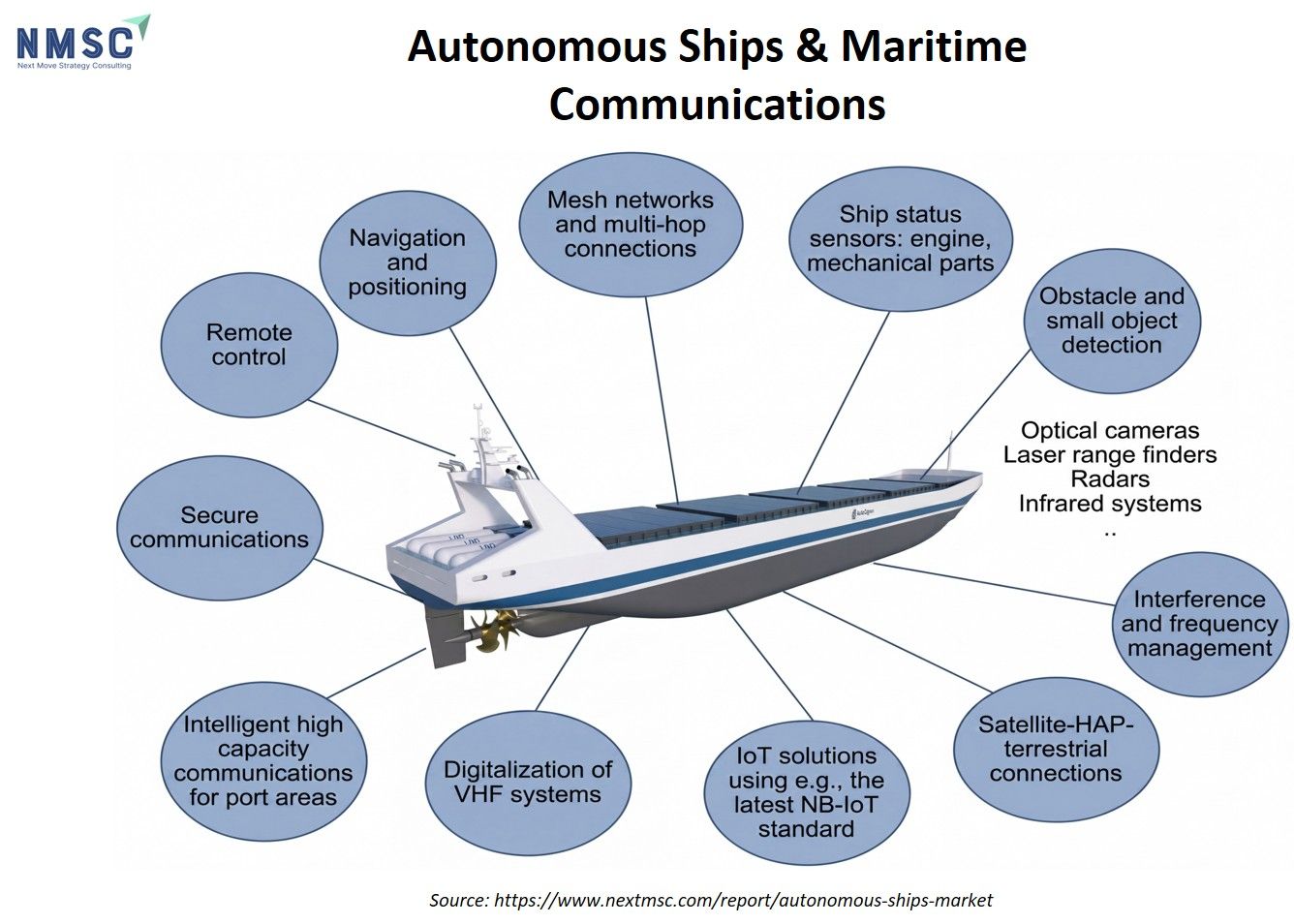
Future Digital Maritime Systems
The image illustrates a modern autonomous ship ecosystem where advanced technologies work together to enable intelligent and efficient maritime operations. It highlights systems such as navigation and positioning, remote control, secure communications, and IoT-based monitoring, along with sensors like radar, infrared, and optical cameras for obstacle detection and safety. These ships rely on mesh networks, satellite links, and digital communication systems to maintain constant connectivity and data exchange, supporting real-time decision-making. This aligns with emerging trends where autonomous vessels are being integrated into global command-and-control networks for coordinated operations and improved maritime security. At the same time, the evolution of shipping is also focused on sustainability, with innovations like wind-assisted propulsion systems helping reduce fuel use and emissions, showing how digitalization and green technologies are shaping the future of maritime transport.
What Role Does Remote Control and Data Play?
Data and remote control systems are essential components of autonomous shipping. Modern vessels rely on centralized control centers that monitor operations, analyze performance, and make adjustments in real time.
These control hubs enable operators to oversee multiple vessels simultaneously, improving efficiency and reducing the need for onboard crews. Advanced data systems also allow for predictive maintenance, route optimization, and enhanced safety protocols.
In defense scenarios, data collected by autonomous vessels is transmitted directly to strategic command centers, enabling faster and more informed decision-making. In commercial settings, similar systems support logistics optimization and operational transparency.
Where Are Autonomous Ships Likely to Be Deployed Next?
Autonomous ships are particularly suited for environments that are either high-risk or operationally challenging. These include contested maritime zones, remote regions, and extreme climates such as the Arctic.
Their ability to operate without onboard crews makes them ideal for missions that would otherwise expose humans to danger. Additionally, their scalability allows for widespread deployment, enabling persistent monitoring and data collection across large areas.
In commercial contexts, deployment is likely to focus on optimizing shipping routes and reducing costs, especially in regions where environmental regulations are becoming more stringent.
The Key Drivers Behind Autonomous Ship Development
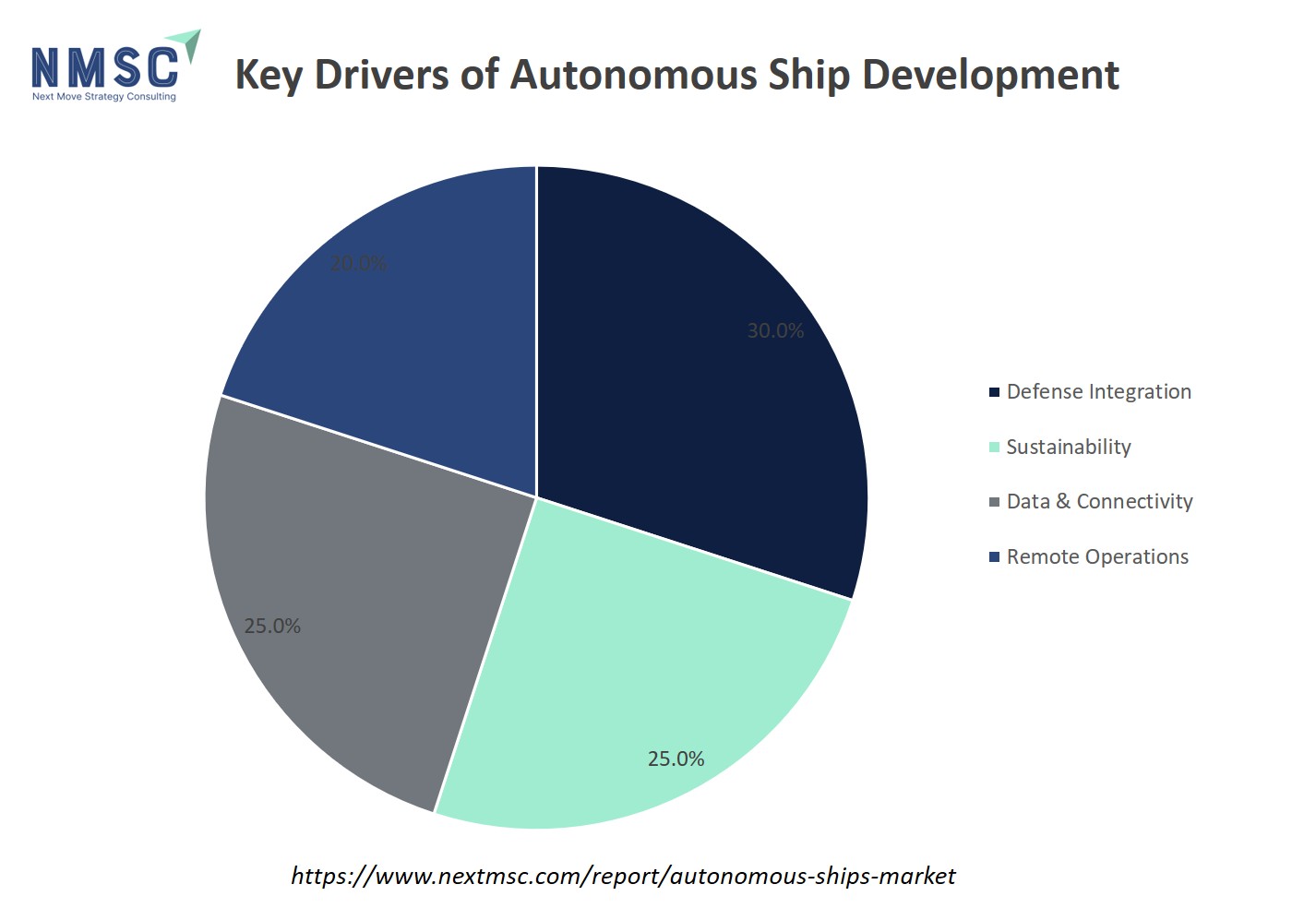
The pie chart highlights the primary forces shaping the evolution of autonomous ships, with defense integration leading at 30%, reflecting its crucial role in accelerating real-world adoption through advanced communication networks and operational deployment. Sustainability and data & connectivity each account for 25%, indicating a balanced emphasis on reducing environmental impact through innovations like wind-assisted propulsion, while also strengthening real-time data exchange and system intelligence. Remote operations contribute 20%, underscoring the importance of centralized control systems that enable efficient monitoring and management without onboard crews. Overall, the distribution shows that while defense remains the dominant driver, technological connectivity and sustainability are equally critical in defining the future of autonomous maritime systems.
Smart Maritime Navigation Framework
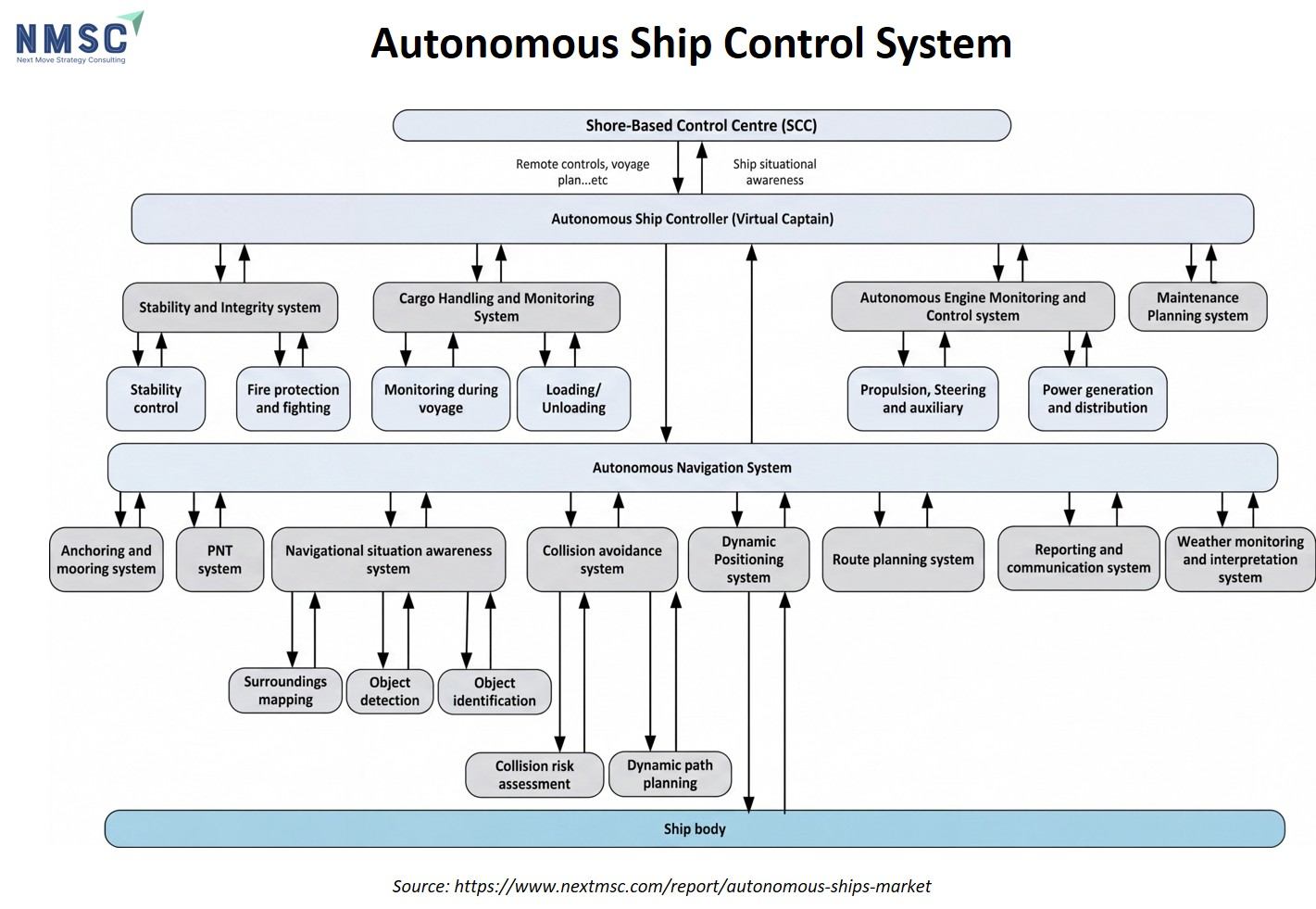
The image presents a layered architecture of an autonomous ship system, showing how onboard intelligence, navigation, and remote control are integrated into a unified digital framework. At the top, a shore-based control center supervises operations, reflecting how modern vessels can be remotely monitored and controlled from land, a key feature of advanced maritime autonomy. The central “virtual captain” coordinates multiple subsystems, including cargo handling, engine monitoring, maintenance, and stability control, ensuring safe and efficient ship operations. Below this, the autonomous navigation system uses sensors, positioning systems, and AI-driven analytics for tasks like route planning, collision avoidance, and dynamic positioning functions essential for real-time decision-making at sea . Supporting components such as object detection, weather monitoring, and communication systems enable situational awareness and continuous data exchange between ship and shore. This structure reflects the broader evolution of maritime technology, where ships increasingly operate with minimal human intervention while remaining connected to global command-and-control networks, improving safety, efficiency, and sustainability in modern shipping.
Key Companies Driving Competition in Autonomous Ships
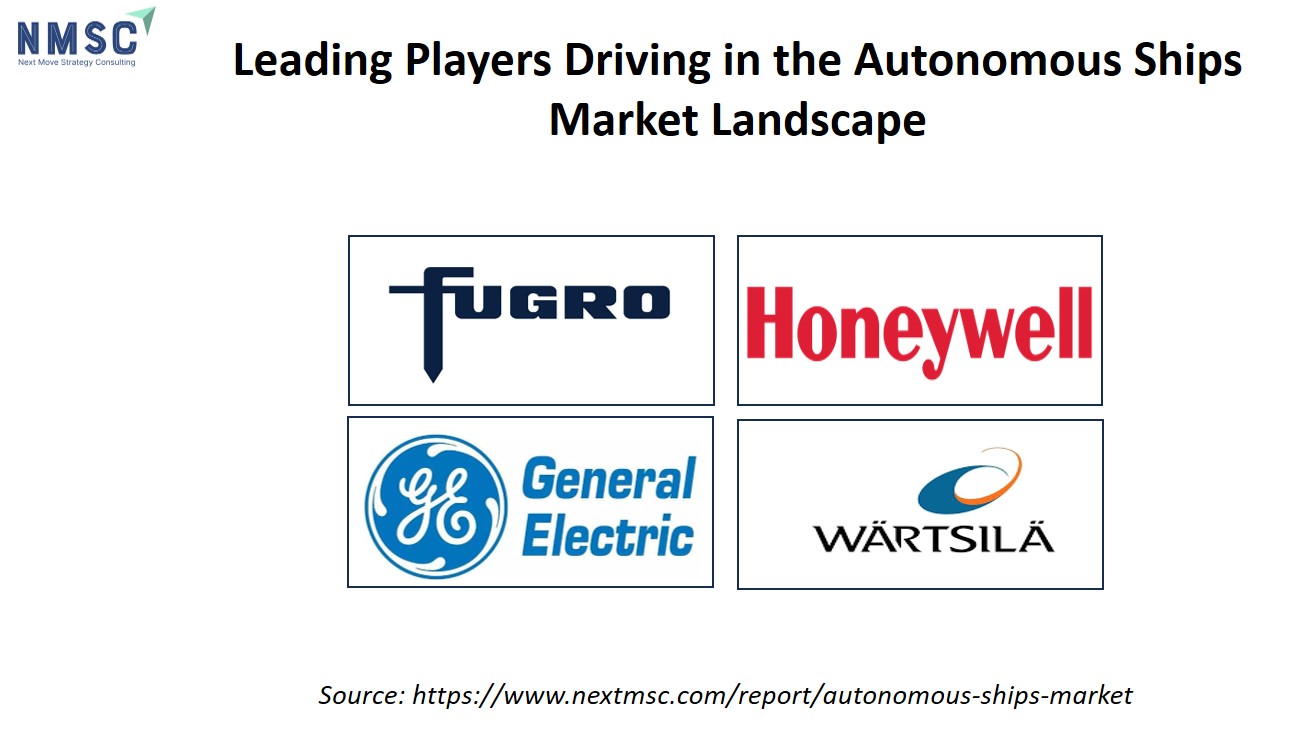
The autonomous ships sector is marked by strong competition, with a diverse mix of global technology providers, shipbuilders, and defense contractors shaping the landscape. Leading companies in this space include ABB, Rolls-Royce Plc, Wärtsilä, Kongsberg Maritime, Honeywell International Inc., Hyundai Heavy Industries, Fugro, Neptec Technologies, General Electric, L3Harris ASV, Northrop Grumman Corporation, Mitsui E&S Holdings Co., Ltd., Valmet, Aselsan A.S., BAE Systems, Samsung Heavy Industries Co., Ltd., Marine Technologies LLC, DNV GL, Ulstein, and Vigor Industrial LLC, among others.
From Intelligent Defense Systems to Sustainable Shipping
The evolution of autonomous ships can be understood as a progression from military-grade communication integration to environmentally conscious commercial applications. Initially driven by the need for enhanced surveillance and reduced human risk, the technology is now being adapted to address global sustainability challenges. This shift highlights the versatility and long-term potential of autonomous maritime systems.
Next Steps for Industry Stakeholders
Organizations should focus on strengthening communication infrastructure to support seamless integration of autonomous vessels. Investment in sustainable propulsion technologies will also be critical to meet regulatory and environmental expectations. Additionally, building advanced remote operation centers and enhancing data analytics capabilities will enable more efficient and scalable operations. Finally, expanding real-world testing across diverse environments will be essential for refining these technologies.
-
Strengthen integration between autonomous vessels and global communication networks to enable real-time coordination and scalability
-
Accelerate investment in sustainable propulsion solutions, particularly wind-assisted and low-emission technologies
-
Expand development of collaborative autonomy systems to improve fleet-level efficiency and decision-making
-
Build and optimize remote operation centers for centralized monitoring and control of autonomous fleets
-
Enhance data analytics, cybersecurity, and sensor capabilities to ensure safe and reliable maritime operations
Final Thoughts
Autonomous ships are redefining maritime operations by combining intelligence, connectivity, and sustainability. Their growing adoption across defense and commercial sectors underscores their strategic importance. As technology continues to evolve, these vessels are expected to play a central role in shaping the future of global shipping.
About the Author
 Sanyukta Deb
— Sanyukta Deb is Digital Marketing Team Lead at Next Move Strategy Consulting, where she has led content strategy and technical SEO for the firm's B2B market research publications for over 2 years. Her editorial process translates NextMSC's primary and secondary research — spanning technology, industrial, and consumer sectors — into commercial narratives, backed by search-intent, keyword, and competitive analysis. She brings 5 years of overall experience in digital marketing and content strategy.
Sanyukta Deb
— Sanyukta Deb is Digital Marketing Team Lead at Next Move Strategy Consulting, where she has led content strategy and technical SEO for the firm's B2B market research publications for over 2 years. Her editorial process translates NextMSC's primary and secondary research — spanning technology, industrial, and consumer sectors — into commercial narratives, backed by search-intent, keyword, and competitive analysis. She brings 5 years of overall experience in digital marketing and content strategy.
About the Reviewer
 Debashree Dey
— Debashree Dey is Assistant Manager at Next Move Strategy Consulting, where she supports cross-vertical market content and communications across diverse industries for 6 years. Her professional background includes senior content writing, communications, and published manuscript authorship, with experience developing audience-focused business narratives and maintaining clear, consistent messaging. Her role supports research-led content development and editorial quality across NextMSC publications.
Debashree Dey
— Debashree Dey is Assistant Manager at Next Move Strategy Consulting, where she supports cross-vertical market content and communications across diverse industries for 6 years. Her professional background includes senior content writing, communications, and published manuscript authorship, with experience developing audience-focused business narratives and maintaining clear, consistent messaging. Her role supports research-led content development and editorial quality across NextMSC publications.















Add Comment