How Are Botanical Gardens Driving Conservation Trends?
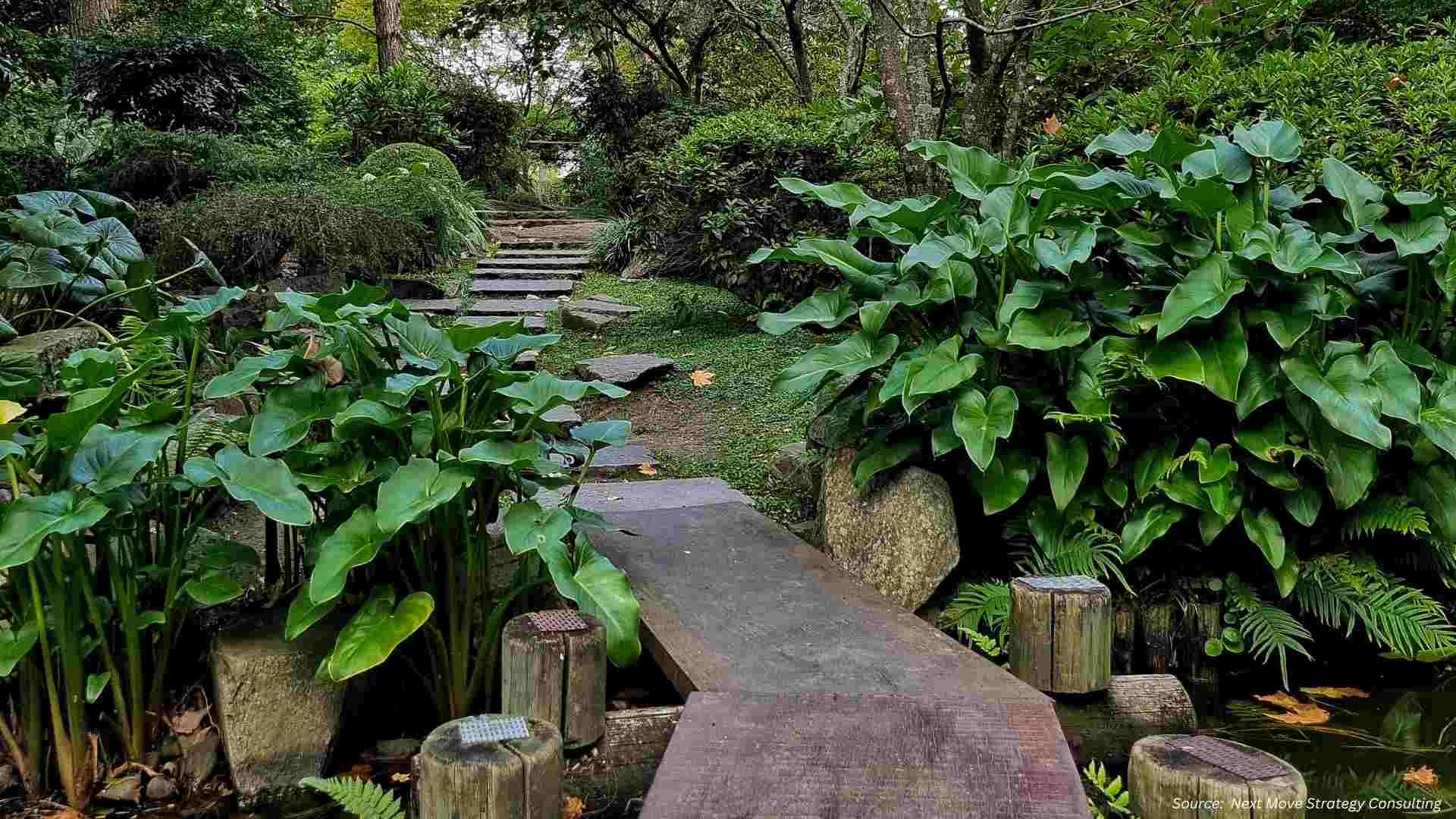
Botanical gardens are no longer just spaces for aesthetic enjoyment. They have evolved into critical hubs for conservation, research, and education, playing a pivotal role in safeguarding global plant diversity. From Stellenbosch University Botanical Garden in South Africa to the University of Hawaiʻi at Hilo, these institutions are demonstrating how living plant collections can have a profound global impact.
Global Collaboration for Plant Conservation
The Stellenbosch University Botanical Garden (SUBG) is actively contributing to a global initiative aimed at improving the documentation and sharing of living plant collections. Researchers from over 50 botanical gardens worldwide are advocating for a more coordinated and reliable ecosystem to support plant conservation and scientific research. Approximately 105,634 plant species are cultivated across 3,500 botanic gardens globally, yet nearly 40% of global plant diversity faces an elevated risk of extinction. The concept of a global metacollection ensures that species are conserved across multiple institutions, enhancing resilience and the ability to restore ecosystems. Coordinated international collaboration is essential for the preservation of at-risk plant species.
Localized Impact and Conservation Success
SUBG has been recognized for increasing its wild and conservation-grade plant collections, despite its compact 1.7-hectare footprint. In South Africa, ex situ conservation targets over 3,000 plant species, yet fewer than 500 threatened species are actively conserved. SUBG successfully propagated Marasmodes Undulata, a shrub that was once down to three individuals in the wild, eventually reintroducing hundreds into natural habitats. The Cape Flora Region, with 10,744 plant species, has nearly 40% classified as conservation concern, highlighting the high vulnerability of many species. These examples demonstrate that local botanical gardens can achieve remarkable conservation outcomes even with limited space and resources.
Major Trends Shaping the Present
|
Trend |
Example |
Impact |
|
Global Meta-Collections |
SUBG and 50+ gardens |
Coordinated conservation, |
|
Threatened Species Focus |
Marasmodes Undulata |
Prevents extinction, |
|
Accreditation and |
UH Hilo BGCI |
Validates conservation |
|
Public Engagement |
Botanical art collections, |
Builds awareness, |
|
Data-Driven Conservation |
Linking living collections |
Increases research |
Accreditation and Recognition Strengthen Authoritativeness
The University of Hawaiʻi at Hilo (UH Hilo) Botanical Garden earned official accreditation from Botanic Gardens Conservation International (BGCI), the world’s largest plant conservation network. The garden’s cycad collection represents more than 33% of global cycad species, with nearly 70% threatened with extinction. Volunteers meticulously cataloged 582 cycad plants, linking the collection to BGCI’s global Plant Search database. This accreditation validates both conservation efforts and rigorous documentation practices, reinforcing the garden’s credibility as a conservation institution. Recognition by global organizations highlights the significant contribution of botanical gardens to scientific research and environmental stewardship.
Visualizing Plant Conservation Priorities in Botanical Gardens
The chart illustrates the global representation of plant species within botanical gardens. Of all species maintained, 33% are threatened species preserved through ex situ conservation efforts, highlighting the critical role these gardens play in preventing extinction. The remaining 67% represent other plant species, which support research, education, and ecosystem restoration initiatives. By clearly showing the proportion of threatened plants under active conservation, this visualization emphasizes the urgency of coordinated global efforts and the importance of botanical gardens in safeguarding plant biodiversity for future generations.

Integrating Education, Research, and Innovation
Botanical gardens increasingly combine educational programs with scientific research. SUBG is establishing South Africa’s first dedicated Botanical Art collection, enhancing public engagement with plant science. UH Hilo began with a single teaching tree and now features palms, bromeliads, and cycads from across the globe. Both gardens demonstrate how volunteer involvement and community participation can amplify conservation outcomes, making these institutions both local landmarks and global contributors to plant preservation.
Data-Driven Conservation Strategies
Effective conservation relies heavily on robust data-sharing infrastructure. Coordinated data systems allow botanical gardens, regardless of size, to contribute to a global plant database. Strengthening this infrastructure ensures that ex situ collections are used effectively for scientific research, restoration, and policy-making. SUBG’s participation in meta-collections illustrates the benefits of shared knowledge for plants at high risk of extinction. By connecting local collections to global networks, gardens transform from isolated repositories into interconnected conservation hubs, improving both the reach and impact of their work.
Leading Players Shaping the Botanical Sector
Major companies in the botanical industry, including Givaudan SA, Symrise AG, International Flavors & Fragrances Inc. (IFF), and Firmenich, have secured their positions through strategic acquisitions and global expansion. Givaudan leverages its robust research and development capabilities to innovate a wide range of plant-based products. Symrise AG prioritizes sustainable sourcing and has expanded its botanical portfolio to meet the rising demand for natural ingredients. IFF integrates botanical components into its flavor and fragrance offerings, addressing diverse consumer preferences across global markets. These companies remain competitive by differentiating their products, investing in sustainability, and broadening their international presence to capture market share.

Comparative Perspective: SUBG and UH Hilo
SUBG and UH Hilo represent complementary approaches to botanical conservation. SUBG focuses on increasing wild and conservation-grade collections in a compact space, pioneering art-integrated conservation, and maintaining satellite ex situ gardens. UH Hilo emphasizes accreditation, volunteer-driven conservation, and specialized collections such as cycads, palms, and bromeliads. Both gardens share a commitment to education, community involvement, and data-driven research, demonstrating that botanical gardens can achieve global impact while adapting to local contexts.
Next Steps for Botanical Engagement
-
Support Local Botanical Gardens – Volunteer, donate, or participate in educational programs to strengthen community-based conservation.
-
Promote Data Sharing – Encourage collaboration between botanical gardens to enhance global plant conservation databases and research networks.
-
Invest in Innovation – Fund initiatives that integrate research, education, and art to engage the public and raise awareness.
-
Prioritize Accreditation – Recognize and support gardens in achieving formal validation through organizations like BGCI to enhance credibility.
-
Focus on At-Risk Species – Direct conservation efforts toward species most threatened with extinction to ensure immediate impact.
Next Move Strategy Consulting View on the Botanical Market
From a strategic perspective, the botanical market is undergoing significant transformation driven by conservation priorities, research integration, and global collaboration. Botanical gardens like Stellenbosch University and UH Hilo exemplify how institutions are leveraging data-driven strategies, ex situ conservation, and accreditation to enhance their market credibility and impact.
Key insights include:
-
Data-Driven Market Opportunities: Coordinated global meta-collections create a reliable ecosystem for research, allowing botanical institutions to expand their offerings in conservation services and educational programs.
-
Conservation as Market Differentiator: Gardens focusing on threatened species, like cycads and rare indigenous plants, position themselves as market leaders in biodiversity protection.
-
Market Expansion Through Recognition: BGCI accreditation and international recognition enhance trust, supporting partnerships, sponsorships, and funding opportunities.
-
Community Engagement and Value Creation: Volunteer programs, botanical art collections, and public education initiatives strengthen market visibility and engagement, fostering sustainable growth.
The botanical market is not only about plant cultivation but also about creating value through conservation expertise, authoritative recognition, and trusted data-sharing initiatives. Institutions that successfully integrate these elements are best positioned to lead the market while safeguarding global biodiversity.
Closing Thoughts
Botanical gardens are evolving into essential players in the fight against plant extinction. By combining research, education, innovation, and global collaboration, institutions such as SUBG and UH Hilo demonstrate how thoughtful stewardship can protect biodiversity and inspire future generations. Through strategic investments and community engagement, botanical gardens transform from passive green spaces into dynamic engines of conservation, knowledge, and trust.
About the Author
 Tania Dey is a content writer specializing in transformation-led, insight-driven storytelling. She develops research-backed, high-impact content aligned with evolving business priorities, digital behavior, and audience expectations. Her work helps organizations sharpen value propositions, strengthen visibility, and communicate strategic intent with clarity and precision. Grounded in data-informed storytelling, she brings a strong focus on relevance, consistency, and measurable digital impact across platforms.
About the Reviewer
 Sanyukta Deb is Digital Marketing Team Lead at Next Move Strategy Consulting, where she has led content strategy and technical SEO for the firm's B2B market research publications for over 2 years. Her editorial process translates NextMSC's primary and secondary research — spanning technology, industrial, and consumer sectors — into commercial narratives, backed by search-intent, keyword, and competitive analysis. She brings 5 years of overall experience in digital marketing and content strategy.


















Add Comment