How Are Self-Checkout Systems Reshaping Modern Retail?
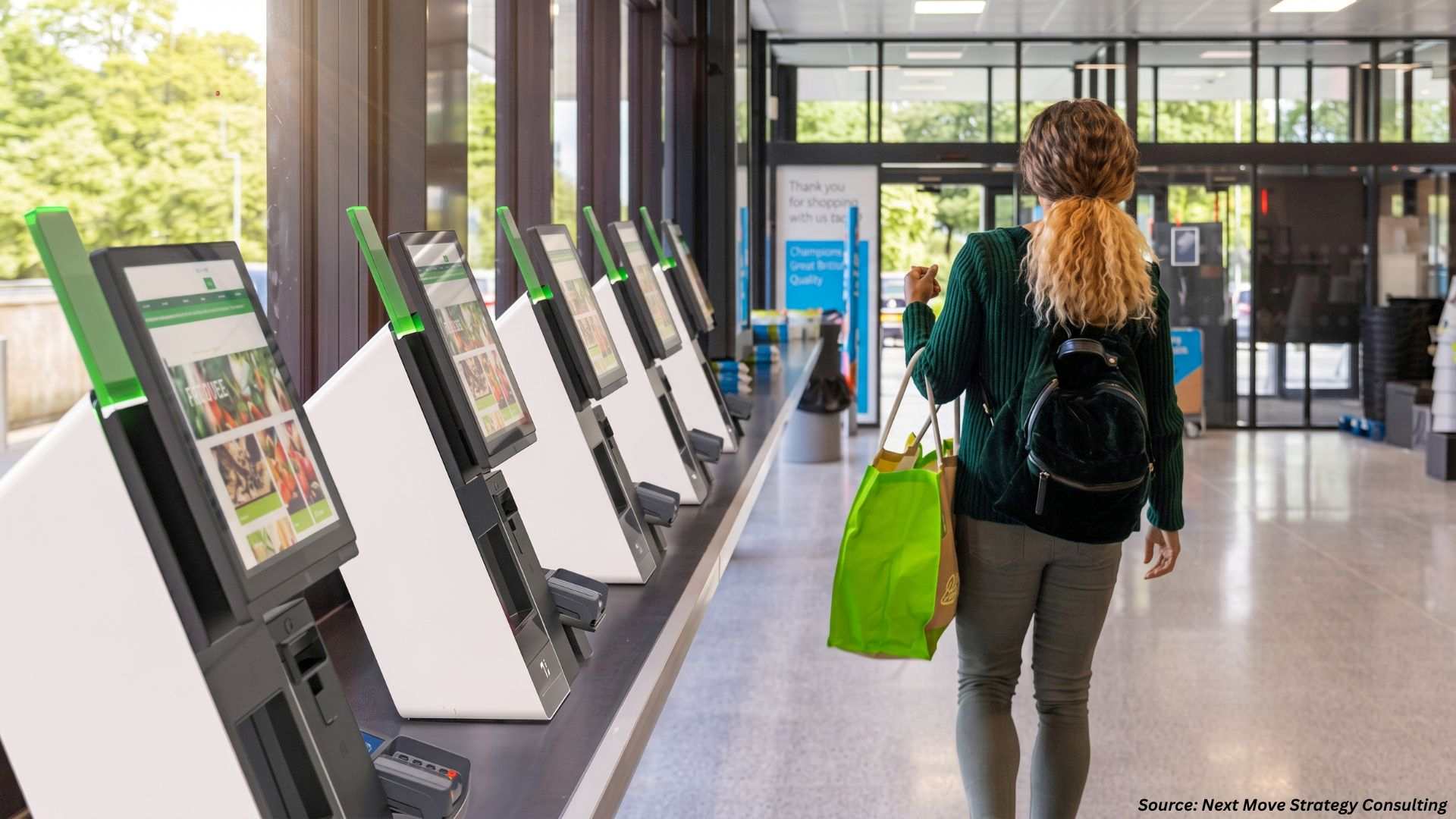
The retail checkout counter has changed significantly in recent years. What was once a simple payment station is now becoming a key part of the customer journey. Self-Checkout System Market are helping retailers create faster, smoother, and more flexible shopping experiences while also improving operational efficiency.
Recent developments from Toshiba and Diebold Nixdorf show that businesses are no longer treating checkout automation as an optional upgrade. Instead, they are using it as a practical strategy to reduce friction, modernize stores, and meet rising customer expectations.
Why Are Faster Checkout Experiences So Important?
Speed remains one of the strongest drivers of customer satisfaction in physical retail. Long queues can frustrate shoppers, especially during peak hours, and may even influence whether they return.
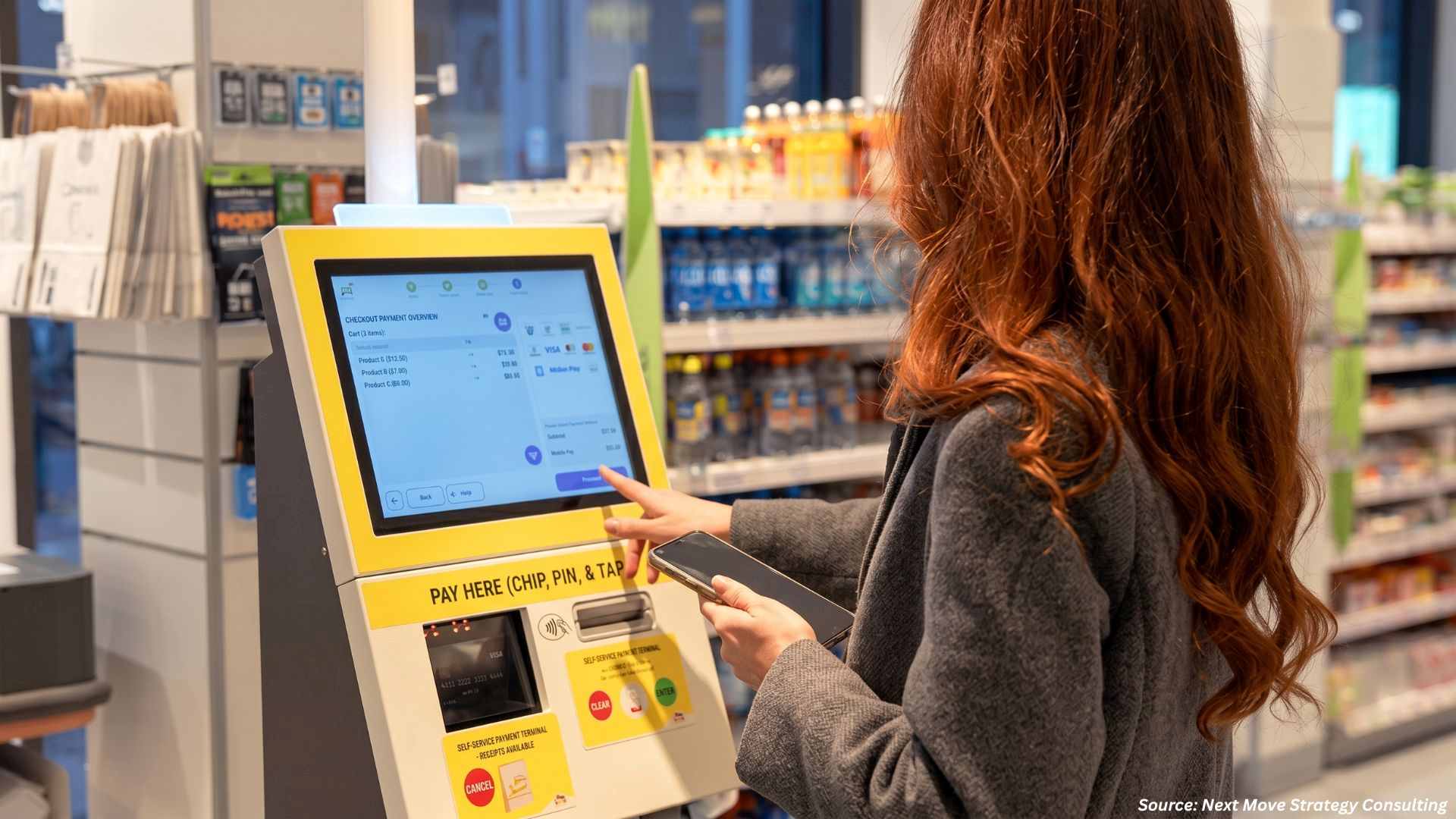
In May 2025, Olímpica S.A., one of Colombia’s leading supermarket chains, partnered with Toshiba to improve customer flow and modernize checkout operations. The deployment introduced self-checkout systems that support cash, cards, and QR code payments, giving customers more control over how they complete purchases.
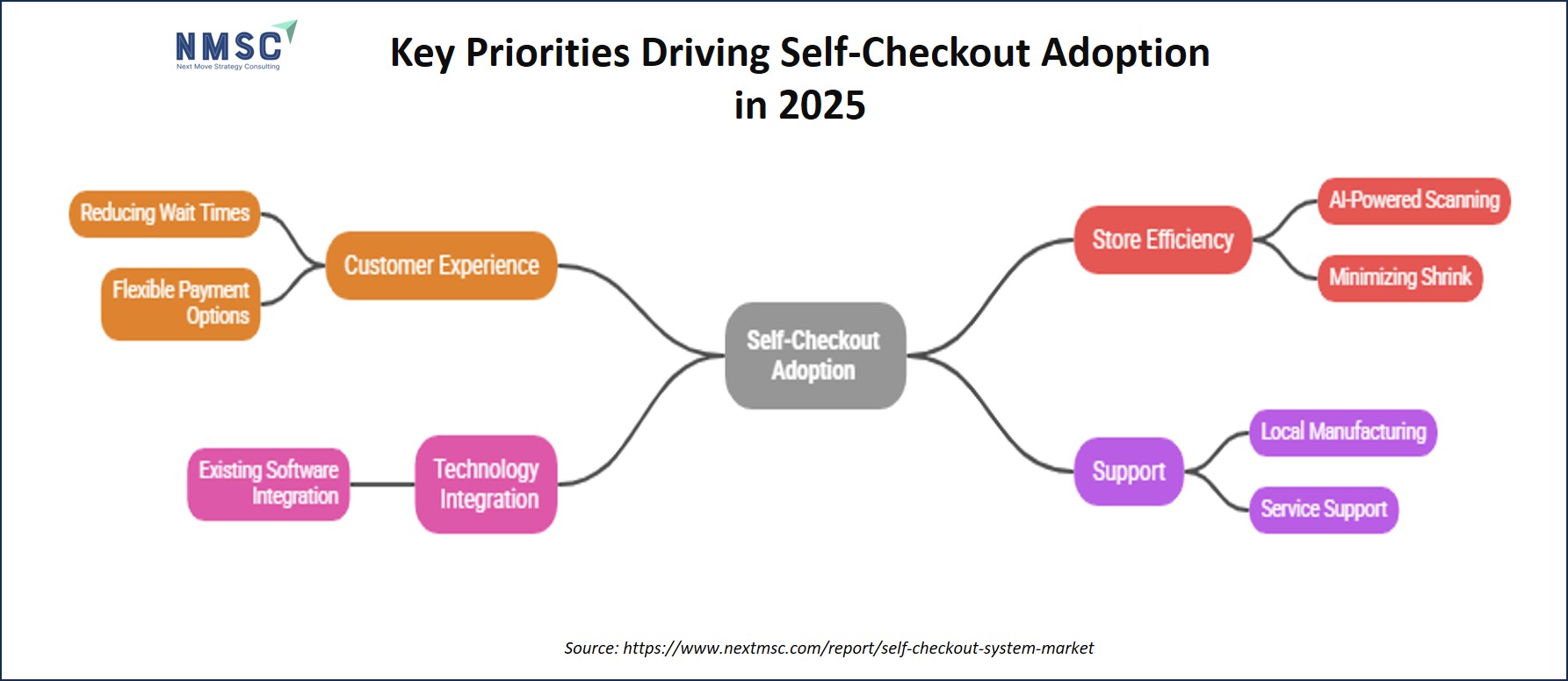
Key Priorities Driving Self-Checkout Adoption in 2025
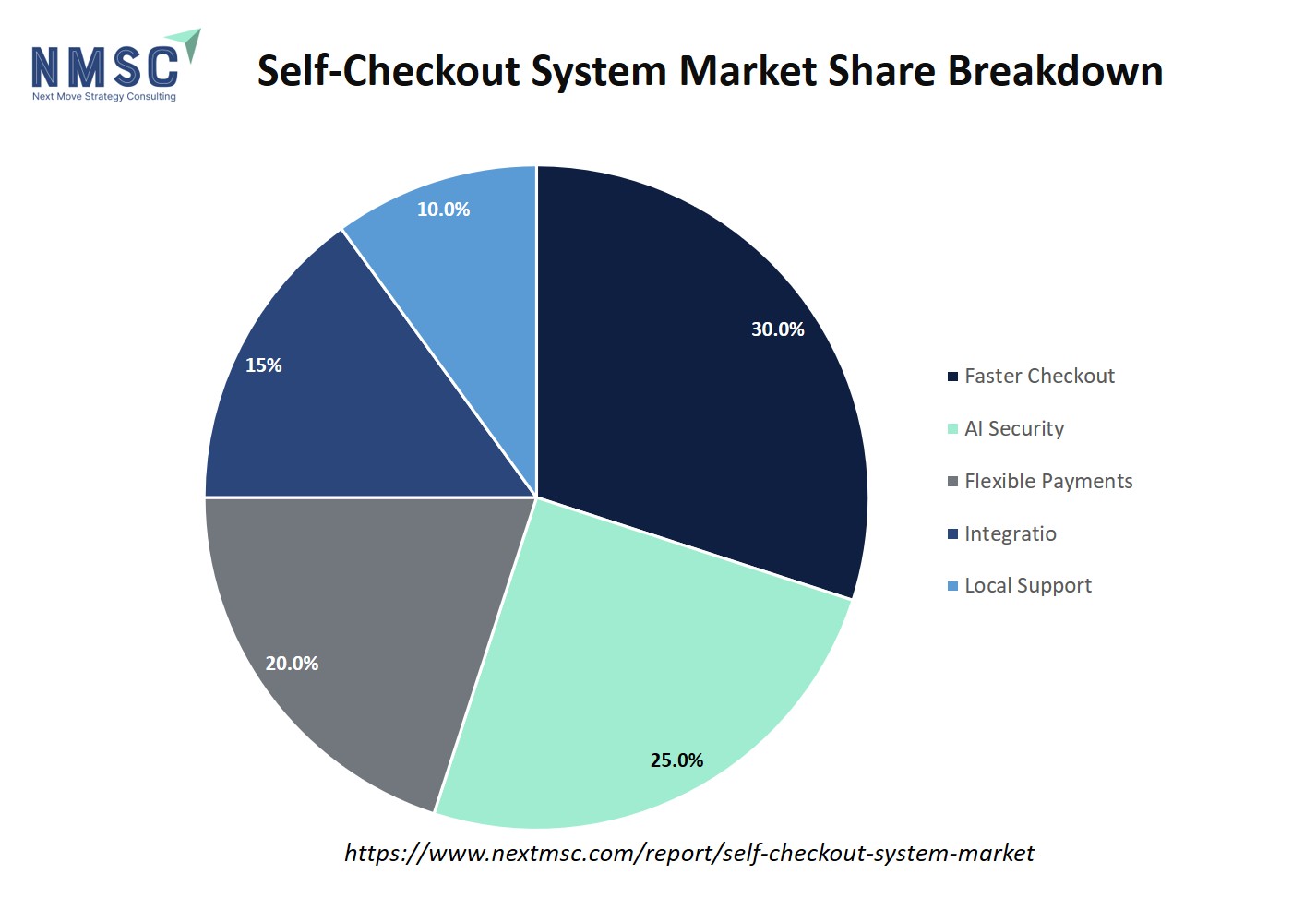
Retailers are adopting self-checkout systems to create faster and more convenient shopping experiences while improving store efficiency. The biggest priorities include reducing customer wait times, offering flexible payment options such as cash, cards, and QR codes, and using AI-powered tools to improve scanning accuracy and minimize shrink. Businesses are also focusing on solutions that integrate easily with existing retail software and come with strong local manufacturing or service support. Together, these factors show that modern checkout technology is now centered on speed, reliability, and customer satisfaction.
How Is Technology Making Self-Checkout More Reliable?
Earlier generations of self-checkout often faced criticism for scanning issues, staff interruptions, and security concerns. Newer systems are addressing these pain points through advanced software and intelligent monitoring tools.
Toshiba’s ELERA Security Suite, implemented by Olímpica S.A., uses AI-powered image recognition and behavioral detection at checkout. According to the announcement, the system is designed to improve scanning accuracy, reduce manual interventions, and minimize shrink.
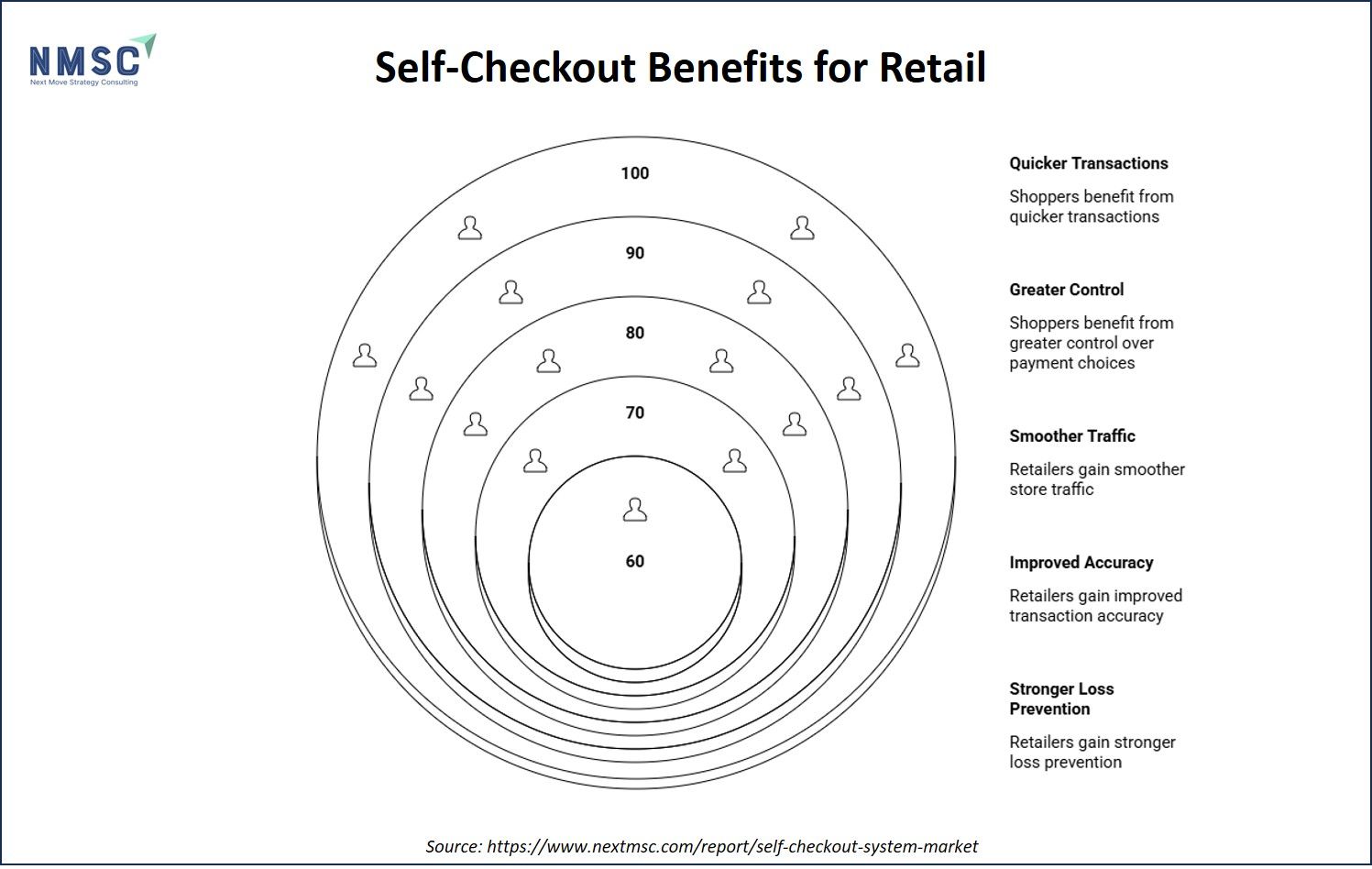
Why Self-Checkout Is Becoming Essential in Retail
Self-checkout systems are becoming a core retail investment because they solve both customer and operational challenges at the same time. Shoppers benefit from quicker transactions and greater control over payment choices, while retailers gain smoother store traffic, improved transaction accuracy, and stronger loss prevention through smart technology. With added advantages such as easier software integration and faster deployment support, self-checkout is helping stores build a more efficient and future-ready shopping environment.
Why Does Local Manufacturing Matter in 2025?
Retailers today are paying closer attention to supply chain resilience and deployment timelines. A strong product is valuable, but reliable delivery and service support are equally important.
In June 2025, Diebold Nixdorf announced a new retail technology production line in North Canton, Ohio, bringing self-checkout manufacturing to the United States. The company stated that this move would provide greater flexibility and additional confidence for North America-based customers.
How Important Is Software Compatibility?
Modern retailers often rely on multiple digital systems, including POS, inventory tools, loyalty platforms, and mobile devices. For this reason, compatibility has become a major factor in technology decisions.
Diebold Nixdorf also announced a partnership with LOC Software. Through this collaboration, retailers can use LOC’s ThriVersA platform across self-service terminals, POS stations, and mobile devices through a shared database environment.
What Are the Major Trends Shaping the Present?
|
Trend |
Business Impact |
2025 Example |
|
Faster Checkout |
Better customer satisfaction |
Olímpica rollout |
|
AI Security Tools |
Higher accuracy and lower shrink |
ELERA Suite |
|
Flexible Payments |
More customer choice |
Cash, card, QR code |
|
Local Production |
Faster deployment support |
Ohio facility |
|
Open Platforms |
Easier system integration |
LOC Software partnership |
What Should Retailers Do Next?
Retailers planning to modernize checkout operations should start with customer behavior and store needs rather than technology alone. The best results often come from balancing automation with human support.
Businesses should assess queue patterns, evaluate integration requirements, and select solutions that can scale over time. Security features, payment flexibility, and support infrastructure should also be part of the decision process.
Key Drivers of Self-Checkout Adoption in 2025
The pie chart highlights the main reasons retailers are investing in self-checkout systems in 2025. The largest share, Faster Checkout (30%), shows that reducing queues and speeding up transactions remains the top priority, as customer convenience strongly influences store satisfaction. The second largest segment, AI Security (25%), reflects the growing need for accurate scanning, reduced shrink, and better transaction monitoring. Retailers are increasingly adopting intelligent tools to make self-checkout more reliable and secure. Flexible Payments (20%) represents the importance of offering multiple payment choices such as cash, cards, and QR codes. Customers expect convenient and seamless payment options during checkout. Integration (15%) indicates that retailers value systems that work smoothly with existing POS, loyalty, and inventory platforms, helping reduce disruption during upgrades. The final segment, Local Support (10%), shows the importance of dependable service, faster deployment, and regional manufacturing support for long-term success.
How Are Leading Companies Competing in the Self-Checkout System Industry?
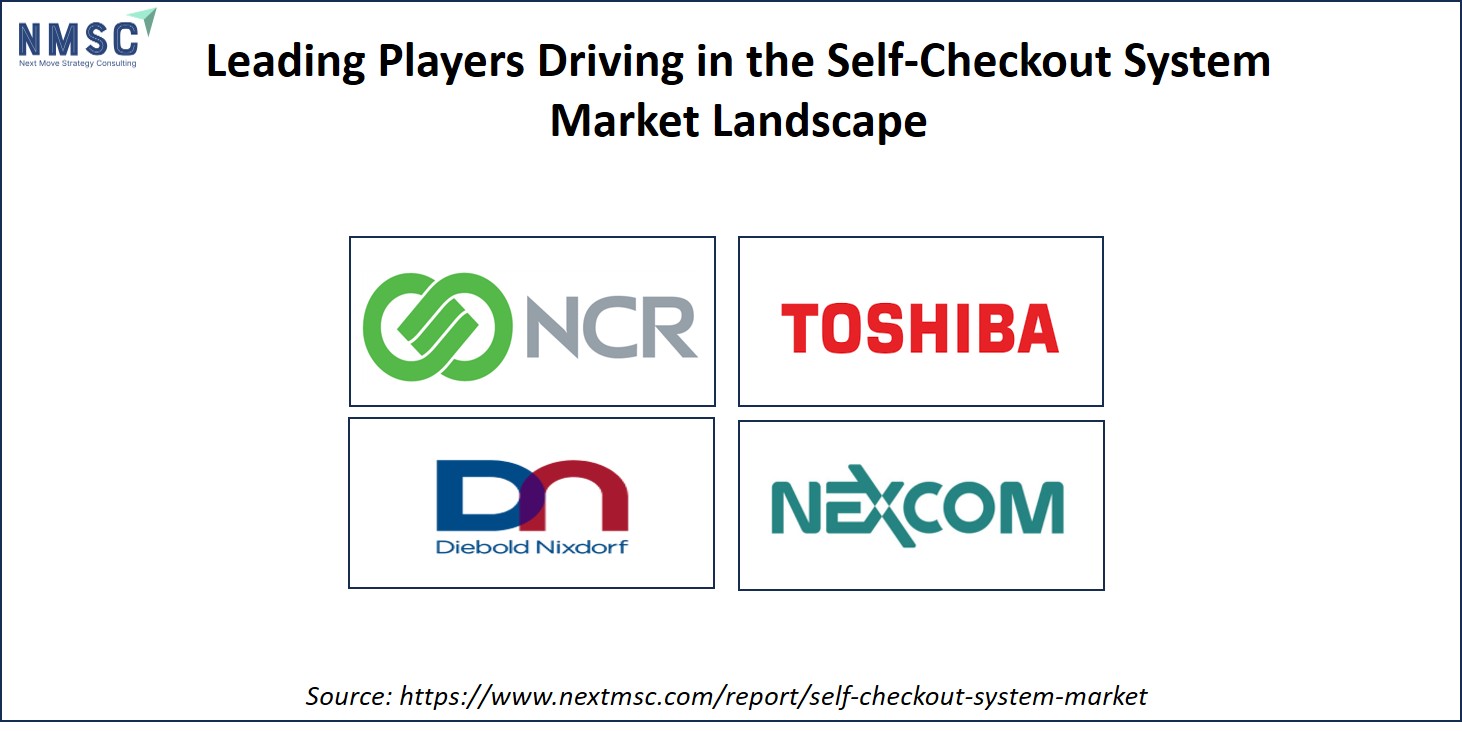
The self-checkout system industry includes major technology providers such as NCR Corporation, Toshiba Global Commerce Solutions, Diebold Nixdorf, Fujitsu Limited, IBM Corporation, Zebra Technologies, Pan-Oston, ITAB Shop Concept AB, SlabbKiosks, Olea Kiosks Inc., CBE Ltd., ECR Software Corporation, IER Group, NEXCOM International Co., Ltd., KIOSK Information Systems, and other emerging participants. These companies are strengthening their market positions through strategies such as partnerships, collaborations, and new product launches across different regions to expand their reach and remain competitive.
Final Verdict: Where Is Self-Checkout Headed?
Self-checkout systems are entering a more mature phase in 2025. They are no longer simply tools for reducing labor pressure or shortening lines. They are becoming part of a broader retail strategy centered on customer experience, data efficiency, and store modernization.
The latest deployments show that retailers want solutions that combine speed, security, flexibility, and seamless integration. Those priorities are likely to shape the next chapter of in-store commerce.
Next Steps
-
Review current checkout pain points such as long queues, payment delays, or staffing gaps.
-
Choose a self-checkout solution that supports multiple payment methods and easy customer use.
-
Prioritize systems with built-in security features to improve accuracy and reduce shrink.
-
Ensure the platform integrates smoothly with existing POS, inventory, and loyalty systems.
-
Track customer adoption, transaction speed, and satisfaction after deployment for continuous improvement.
About the Author
 Sanyukta Deb
— Sanyukta Deb is Digital Marketing Team Lead at Next Move Strategy Consulting, where she has led content strategy and technical SEO for the firm's B2B market research publications for over 2 years. Her editorial process translates NextMSC's primary and secondary research — spanning technology, industrial, and consumer sectors — into commercial narratives, backed by search-intent, keyword, and competitive analysis. She brings 5 years of overall experience in digital marketing and content strategy.
Sanyukta Deb
— Sanyukta Deb is Digital Marketing Team Lead at Next Move Strategy Consulting, where she has led content strategy and technical SEO for the firm's B2B market research publications for over 2 years. Her editorial process translates NextMSC's primary and secondary research — spanning technology, industrial, and consumer sectors — into commercial narratives, backed by search-intent, keyword, and competitive analysis. She brings 5 years of overall experience in digital marketing and content strategy.
About the Reviewer
 Debashree Dey
— Debashree Dey is Assistant Manager at Next Move Strategy Consulting, where she supports cross-vertical market content and communications across diverse industries for 6 years. Her professional background includes senior content writing, communications, and published manuscript authorship, with experience developing audience-focused business narratives and maintaining clear, consistent messaging. Her role supports research-led content development and editorial quality across NextMSC publications.
Debashree Dey
— Debashree Dey is Assistant Manager at Next Move Strategy Consulting, where she supports cross-vertical market content and communications across diverse industries for 6 years. Her professional background includes senior content writing, communications, and published manuscript authorship, with experience developing audience-focused business narratives and maintaining clear, consistent messaging. Her role supports research-led content development and editorial quality across NextMSC publications.















Add Comment