How are Sustainable Construction and Green Building Initiatives are Transforming the Future of the Gypsum Powder Market?

The gypsum powder market is undergoing a profound transformation as sustainability becomes a central pillar of the global construction industry. Once viewed primarily as a conventional building material, gypsum powder is now increasingly recognised as a strategic component of low-carbon construction, resource-efficient building systems, and circular economy initiatives. As governments, developers, architects, and manufacturers accelerate efforts to reduce environmental impacts, gypsum-based products are emerging as critical enablers of greener and smarter built environments.
Gypsum powder serves as a fundamental raw material for plasterboards, wall systems, ceiling panels, plasters, decorative products, and numerous industrial applications. Its inherent properties, including fire resistance, recyclability, lightweight characteristics, and thermal performance, align closely with modern sustainability objectives. Simultaneously, advanced manufacturing technologies, digitalisation, artificial intelligence, and recycling innovations are reshaping how gypsum is produced, processed, and utilized across construction ecosystems.
According to Next Move Strategy Consulting, the Gypsum Powder Market size was valued at USD 7.07 billion in 2025, and is expected to be valued at USD 7.89 billion by the end of 2026. The industry is projected to grow, hitting USD 12.73 billion by 2035, with a CAGR of 5.45% between 2026 and 2035. In terms of volume, the market recorded 134 thousand tons in 2025, with forecasts indicating growth to 151 thousand tons by 2026 and further to 242 thousand tons by 2035, reflecting a CAGR of 5.41% over the same period.
How Sustainability Is Redefining Demand in the Gypsum Powder Market?
Based on NMSC’s research, we noticed that the global construction industry is increasingly transitioning toward sustainable practices that prioritize energy efficiency, lower carbon emissions, resource conservation, and occupant well-being. This shift is directly influencing demand patterns within the gypsum powder market. Green building certification programs such as the U.S. Green Building Council's LEED framework, BRE Group's BREEAM standards, and various national net-zero building initiatives are encouraging the adoption of materials that contribute to environmental performance and lifecycle sustainability.
Industry experience shows that developers increasingly prioritize materials capable of supporting energy-efficient designs while maintaining cost-effectiveness. Gypsum-based products are particularly attractive because they improve indoor environmental quality, offer fire protection, and can be recycled multiple times without significant degradation of performance.
Government regulations are further accelerating this trend. Across Europe, North America, Asia-Pacific, and the Middle East, policymakers are implementing stricter building efficiency standards, embodied carbon reporting requirements, and circular construction policies. These measures are encouraging greater use of sustainable construction materials, including advanced gypsum products.
Consequently, gypsum powder demand is expanding across applications such as:
-
Lightweight wallboard systems
-
Acoustic ceiling solutions
-
Thermal insulation assemblies
-
Modular building components
-
Prefabricated construction systems
-
Energy-efficient interior finishing materials
Building upon this trend, manufacturers are investing heavily in technologies that enable environmentally responsible production while improving product performance.
Advanced Manufacturing Technologies Driving the Future of Gypsum Production
The next generation of gypsum manufacturing facilities is increasingly characterised by digital connectivity, automation, and intelligent process management.
Artificial Intelligence and Machine Learning - Artificial intelligence has become an important tool for optimizing calcination processes, quality control procedures, and production scheduling. AI algorithms analyse large volumes of operational data to identify inefficiencies and recommend process adjustments in real time.
We noticed that machine learning models are also enabling predictive maintenance programs. Rather than relying solely on scheduled maintenance intervals, manufacturers can now monitor equipment conditions continuously and predict failures before they occur. This reduces downtime, lowers maintenance costs, and improves overall plant efficiency.
From an operational standpoint, predictive maintenance has become one of the most practical applications of Industry 4.0 within gypsum manufacturing because it directly reduces energy waste associated with unexpected equipment failures.
Industrial Internet of Things (IIoT) - IIoT sensors are transforming production visibility across gypsum plants. Connected sensor networks collect and transmit real-time data on key variables, such as:
-
Kiln temperatures
-
Moisture content
-
Material flow rates
-
Energy consumption
-
Equipment vibration levels
-
Emissions performance
Real-time monitoring allows plant managers to identify inefficiencies immediately and make corrective adjustments before quality deviations occur.
Digital Twins and Process Simulation - Digital twin technology is gaining traction among advanced building material manufacturers. By creating virtual replicas of production facilities, companies can simulate operating conditions, test process improvements, and optimize resource utilization without disrupting live production.
Digital twins support:
-
Energy optimization
-
Production planning
-
Capacity management
-
Quality assurance
-
Carbon reduction initiatives
Robotics and Automation - Automation technologies continue to expand across gypsum production facilities. Robotics are increasingly used for:
-
Material handling
-
Packaging operations
-
Palletizing systems
-
Warehouse logistics
-
Automated inspection processes
These technologies improve consistency while reducing workplace safety risks and labour-intensive activities.
Industry 4.0 and Cloud-Based Management - Modern gypsum plants increasingly integrate cloud-based monitoring systems with centralized operational control platforms. These systems provide decision-makers with real-time visibility across multiple manufacturing locations, enabling more responsive supply chain management and resource allocation.
The broader implication is clear: manufacturers that successfully integrate AI, automation, IIoT, and digital manufacturing technologies are achieving lower production costs while simultaneously advancing sustainability objectives.
Smart Building Technologies Are Increasing Gypsum Powder Consumption

The rapid expansion of smart building technologies is creating significant new opportunities for gypsum-based products across residential, commercial, and institutional construction projects. We observed that modern buildings increasingly incorporate intelligent systems that optimize energy consumption, indoor air quality, occupant comfort, security, and overall operational efficiency. As these technologies become more sophisticated, the demand for construction materials that offer flexibility, durability, sustainability, and compatibility with advanced building systems continues to rise.
Gypsum-based materials are particularly well-positioned to support this transition because they combine lightweight construction characteristics with excellent fire resistance, acoustic performance, and design versatility. As a result, gypsum products are becoming increasingly important in the development of high-performance, technology-enabled buildings.
-
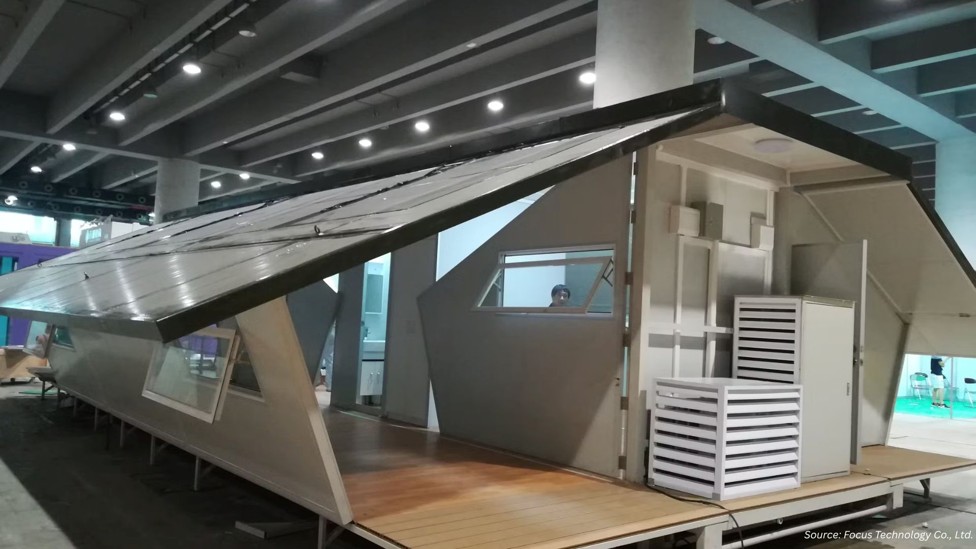
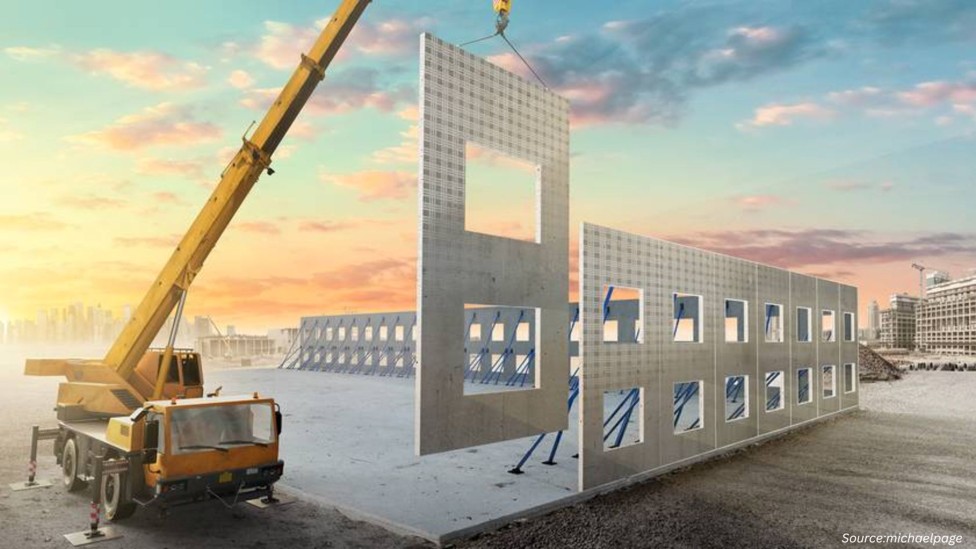
Modular and Prefabricated Construction - Modular construction and prefabrication are among the fastest-growing construction methods worldwide. These approaches require lightweight materials that can be manufactured with high dimensional accuracy and installed efficiently. We observed that gypsum-based wall systems, partitions, and ceiling solutions fit naturally within modular construction frameworks due to their ease of installation and design flexibility.
-
Energy-Efficient Building Design - Gypsum products contribute to thermal performance, moisture regulation, and acoustic comfort, factors that are increasingly important in energy-efficient building design. Furthermore, lightweight gypsum systems help reduce structural loads, contributing to overall resource efficiency during construction.
-
Advanced Interior Solutions - Modern commercial buildings increasingly demand adaptable interior environments capable of accommodating changing occupancy needs. Gypsum systems support these requirements through flexible partitioning, fire-rated assemblies, and high-performance finishing solutions.
Overall, our industry evidence indicates that gypsum-based products remain indispensable in sustainable building design because they combine environmental benefits with functional performance.
Company Innovation and Technology Development Accelerating Market Transformation
Several major industry participants are actively investing in technologies and sustainability initiatives that illustrate the future direction of the gypsum powder market.
Saint-Gobain's Circular Construction Leadership
Saint-Gobain continues to advance circular construction through gypsum recycling programs and sustainable product innovation. The company's introduction of plasterboard manufactured from 100% recycled gypsum demonstrates how industrial-scale recycling can support resource efficiency without compromising product performance. This development reflects the increasing importance of circular material flows within future construction ecosystems.
Etex's Recycling Innovation
Etex Group has emerged as a notable example of circular innovation through its development of RECYPLAC, a commercially scalable 100% recycled gypsum plasterboard solution. We found that this development highlights how technological innovation is enabling higher recycled-content products while maintaining performance standards demanded by modern construction projects.
Future Outlook and Industry Transformation
Overall, through NMSC’s analysis, we observed that the gypsum powder market is evolving rapidly as sustainability, digitalization, and circular economy principles become key drivers of industry development. The growing adoption of green building practices, net-zero construction initiatives, and stricter environmental regulations is increasing demand for gypsum-based materials that support energy efficiency, resource conservation, and low-carbon construction. At the same time, advanced manufacturing technologies and carbon reduction strategies are helping producers improve operational efficiency while meeting sustainability objectives.
Furthermore, innovations in gypsum recycling, synthetic gypsum utilization, and closed-loop manufacturing systems are strengthening supply chain resilience and supporting long-term environmental goals. Industry leaders such as Saint-Gobain, Knauf, and Etex continue to invest in sustainable products and advanced production technologies, reflecting a broader shift toward responsible growth. As sustainable construction gains momentum worldwide, gypsum powder is expected to remain a critical material in the development of resilient, energy-efficient, and environmentally responsible buildings.
About the Author
 Mayurima Roy
— Mayurima Roy is Research Analyst at Next Move Strategy Consulting, where she has spent 4 years working across the firm's full industry coverage rather than a single fixed vertical. Her work centers on structured research, ongoing trend tracking, competitive assessment, and insight-led content development, translating complex market data into clear, decision-ready narratives that support informed client decision-making across diverse global industries, market sectors, and world regions every day.
Mayurima Roy
— Mayurima Roy is Research Analyst at Next Move Strategy Consulting, where she has spent 4 years working across the firm's full industry coverage rather than a single fixed vertical. Her work centers on structured research, ongoing trend tracking, competitive assessment, and insight-led content development, translating complex market data into clear, decision-ready narratives that support informed client decision-making across diverse global industries, market sectors, and world regions every day.
About the Reviewer
 Supradip Baul
— Supradip Baul is an accomplished business consultant and strategist with over a decade of rich experience in market intelligence, strategy, technology, and business transformation. His work has included rigorous qualitative and quantitative analysis across multiple industries, helping clients shape investment decisions and long-term roadmaps. Earlier in his career, he was associated with Gartner, where he contributed to industry-leading reports and market share analyses. He has worked with leading global companies and holds an MBA with a dual specialization in Marketing and Finance.
Supradip Baul
— Supradip Baul is an accomplished business consultant and strategist with over a decade of rich experience in market intelligence, strategy, technology, and business transformation. His work has included rigorous qualitative and quantitative analysis across multiple industries, helping clients shape investment decisions and long-term roadmaps. Earlier in his career, he was associated with Gartner, where he contributed to industry-leading reports and market share analyses. He has worked with leading global companies and holds an MBA with a dual specialization in Marketing and Finance.
















Add Comment