How Are Vapor Products Balancing Innovation and Accountability?
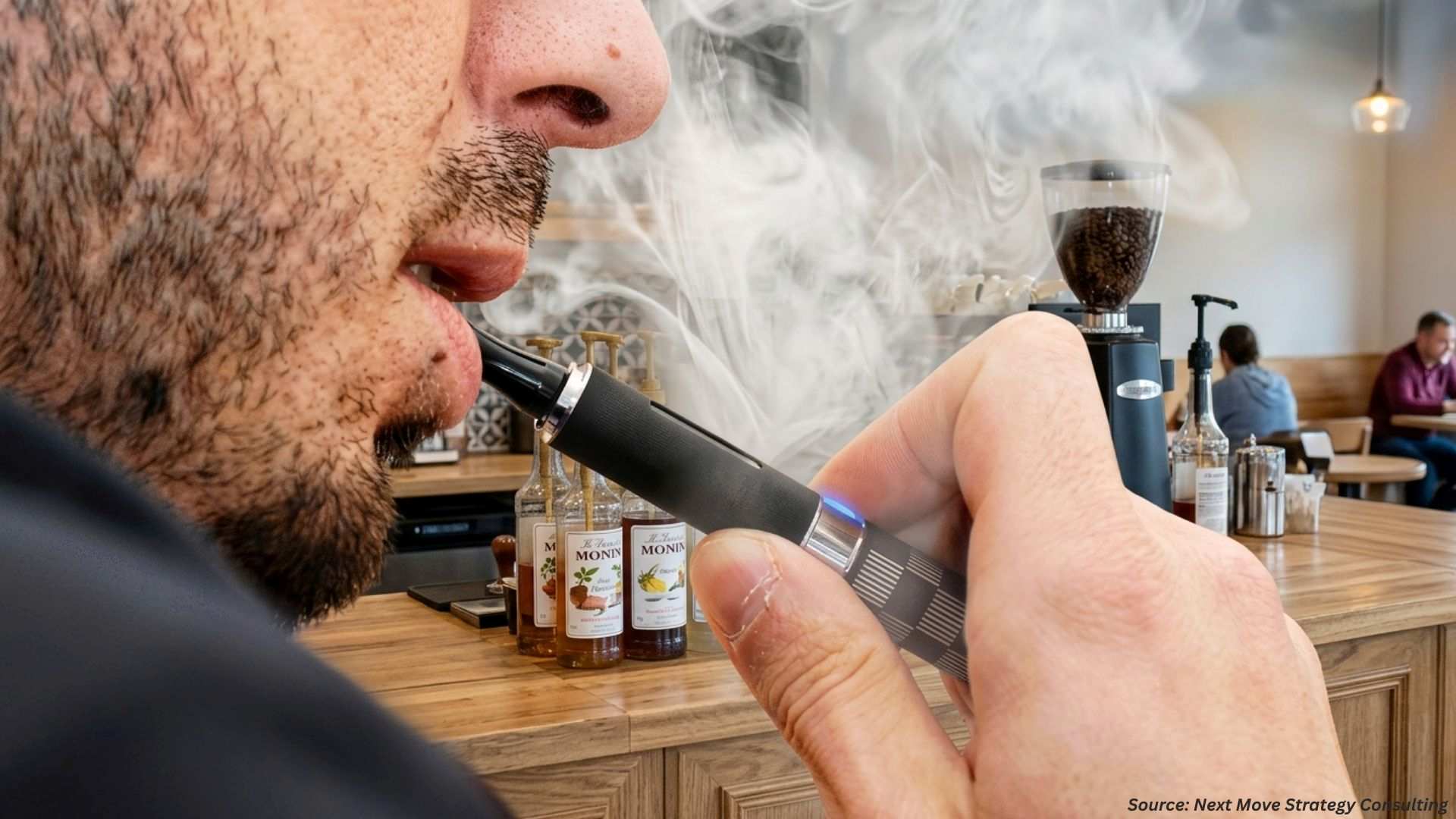
The conversation around Vapor Products Market is evolving rapidly in 2024–2025. Governments are tightening regulations to address public health concerns, while manufacturers are introducing more responsible practices to improve safety and credibility. This balance between innovation and accountability is shaping the future of the industry.
What Does the New B.C. Law Mean for Vapor Products?
Recent policy developments highlight increasing scrutiny on how vapor products are marketed and sold. The Government of British Columbia has proposed legislation that would allow legal action against manufacturers and wholesalers engaged in deceptive promotional practices. This move reflects a growing commitment to ensure that companies do not prioritize profit over public health.
Authorities have emphasized that misleading promotion can contribute to harmful behaviors and place additional strain on healthcare and education systems. By introducing legal accountability, the government aims to strengthen consumer protection and discourage unethical practices.
Why Is Youth Protection a Central Concern?
Youth exposure remains one of the most pressing concerns surrounding vapor products. Increasing awareness among educators and communities has highlighted the risks associated with early access and misleading product appeal.
Regulators are focusing on limiting exposure by encouraging safer environments and better access to accurate information. The goal is to empower young individuals to make informed decisions while reducing the influence of promotional strategies that may target them indirectly.
How Are Companies Addressing Responsible Vapor Product Development?
Manufacturers are responding to regulatory pressure by strengthening their commitment to responsible product development. This includes adopting technologies that restrict underage access and ensuring that product design and marketing are intended exclusively for adult consumers. In addition, companies are enhancing product safety by evaluating ingredients, materials, and emissions. These measures are increasingly supported by scientific research, reflecting a more structured and evidence-based approach to innovation. Responsible innovation is becoming a key requirement for maintaining trust and meeting evolving regulatory expectations.
Can Regulation and Innovation Coexist in Vapor Products?
The industry is navigating a complex environment where regulation and innovation must coexist. While stricter policies aim to protect consumers, there are concerns that excessive regulation could limit access to legitimate products for adult users.
At the same time, the presence of unregulated and illicit products continues to challenge the effectiveness of existing frameworks. Industry stakeholders are advocating for balanced regulations that enforce compliance while supporting responsible manufacturers. A balanced approach is essential to ensure both consumer safety and continued innovation.
What Role Does Sustainability Play in Vapor Products?
Sustainability is becoming an important consideration in the development of vapor products. Manufacturers are exploring ways to reduce environmental impact, including improving product design for better recyclability.
Efforts such as incorporating removable components demonstrate a shift toward more sustainable practices. This reflects a broader industry trend of aligning innovation with environmental responsibility. Sustainability is emerging as a critical factor influencing long-term industry growth and credibility.
Regulation and Responsibility at a Glance
|
Area |
Key Development |
|
Regulation |
Legal accountability for deceptive practices |
|
Youth Protection |
Focus on reducing underage exposure |
|
Product Safety |
Enhanced testing of ingredients and emissions |
|
Technology |
Adoption of age-restriction features |
|
Sustainability |
Improved recyclability through product design |
How Regulation Is Reshaping Vapor Products
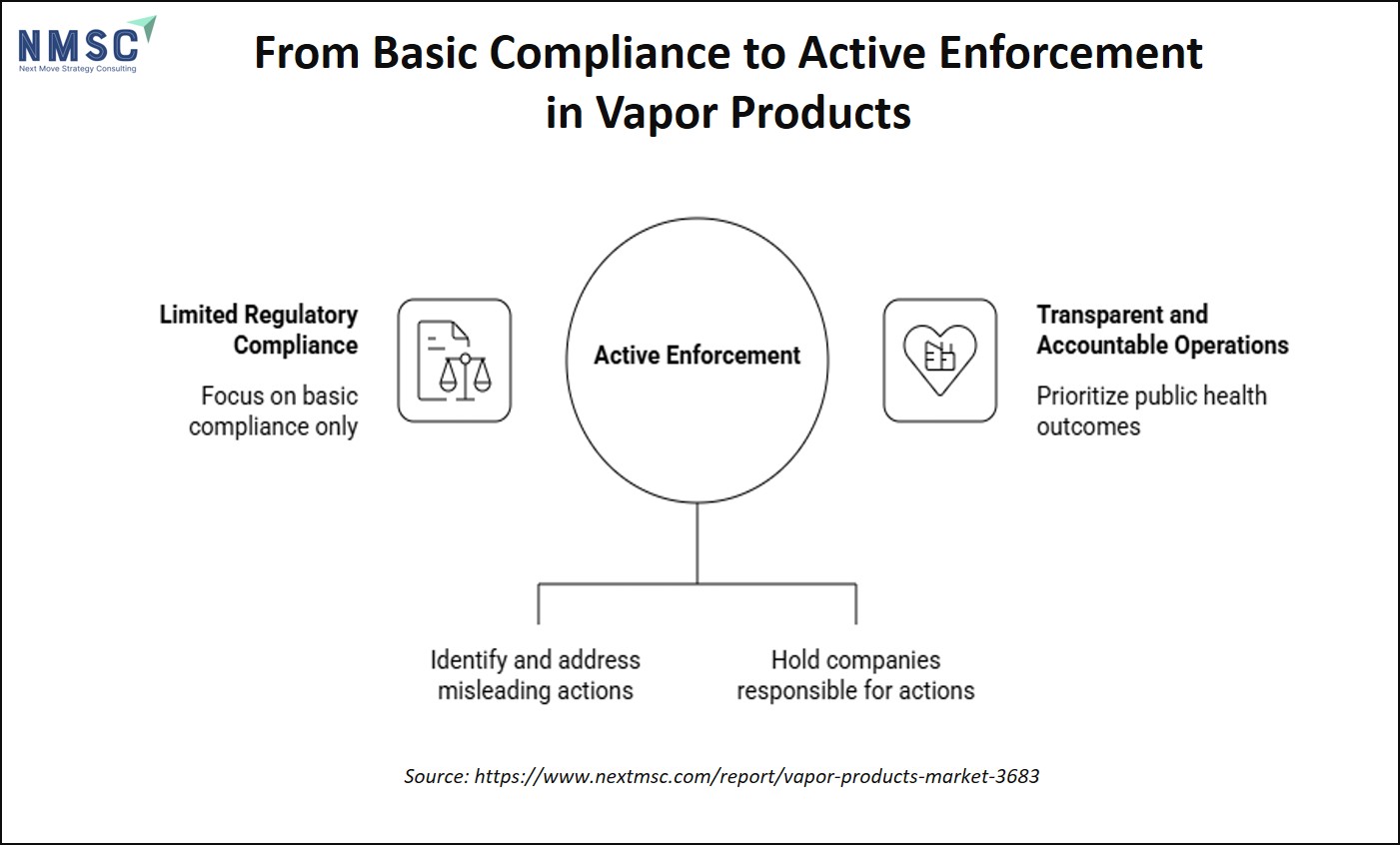
Recent developments show that regulatory frameworks are no longer limited to basic compliance. Instead, they are actively targeting deceptive practices and enforcing accountability across the supply chain. This shift ensures that companies operate transparently and prioritize public health outcomes.
The Growing Role of Responsible Innovation
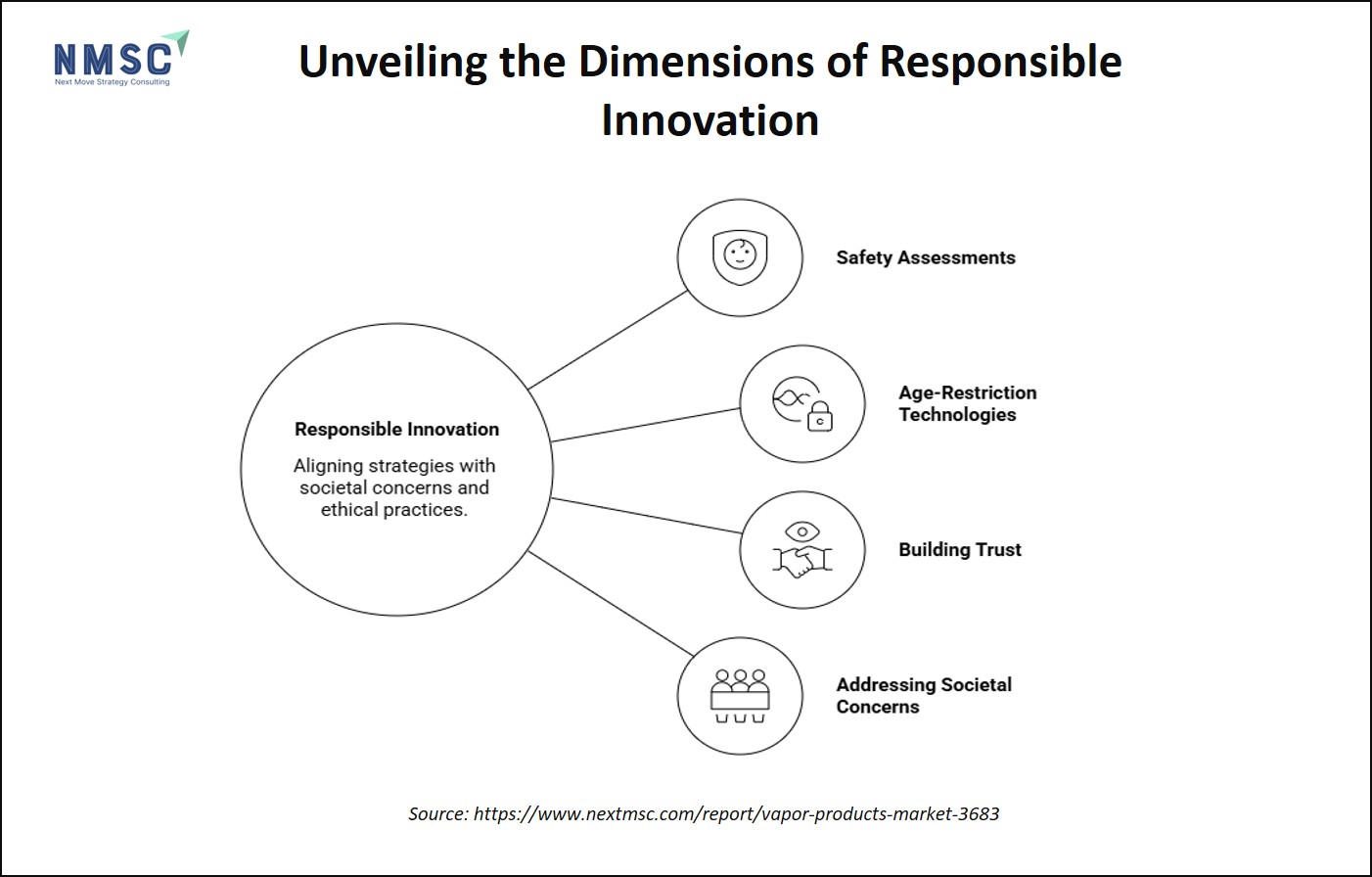
Manufacturers are increasingly aligning their strategies with responsible innovation. From safety assessments to age-restriction technologies, the focus is on building trust and addressing societal concerns. Innovation is no longer just about performance; it is about responsibility, safety, and credibility.
Sustainability and Consumer Expectations
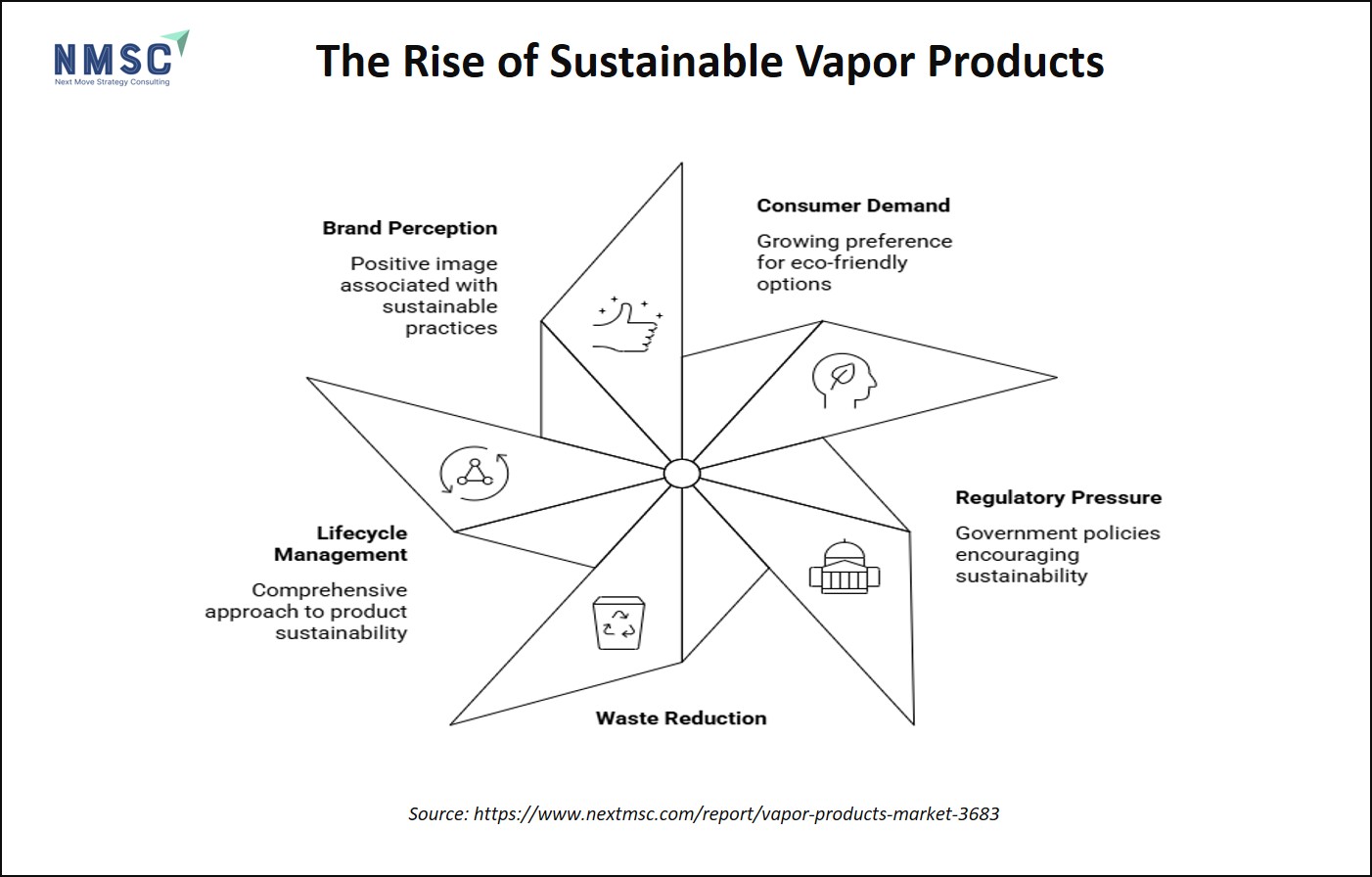
Environmental considerations are gaining importance in shaping product development. Consumers and regulators alike are expecting companies to reduce waste and improve product lifecycle management. Sustainability is becoming a defining factor in how vapor products are designed and perceived.
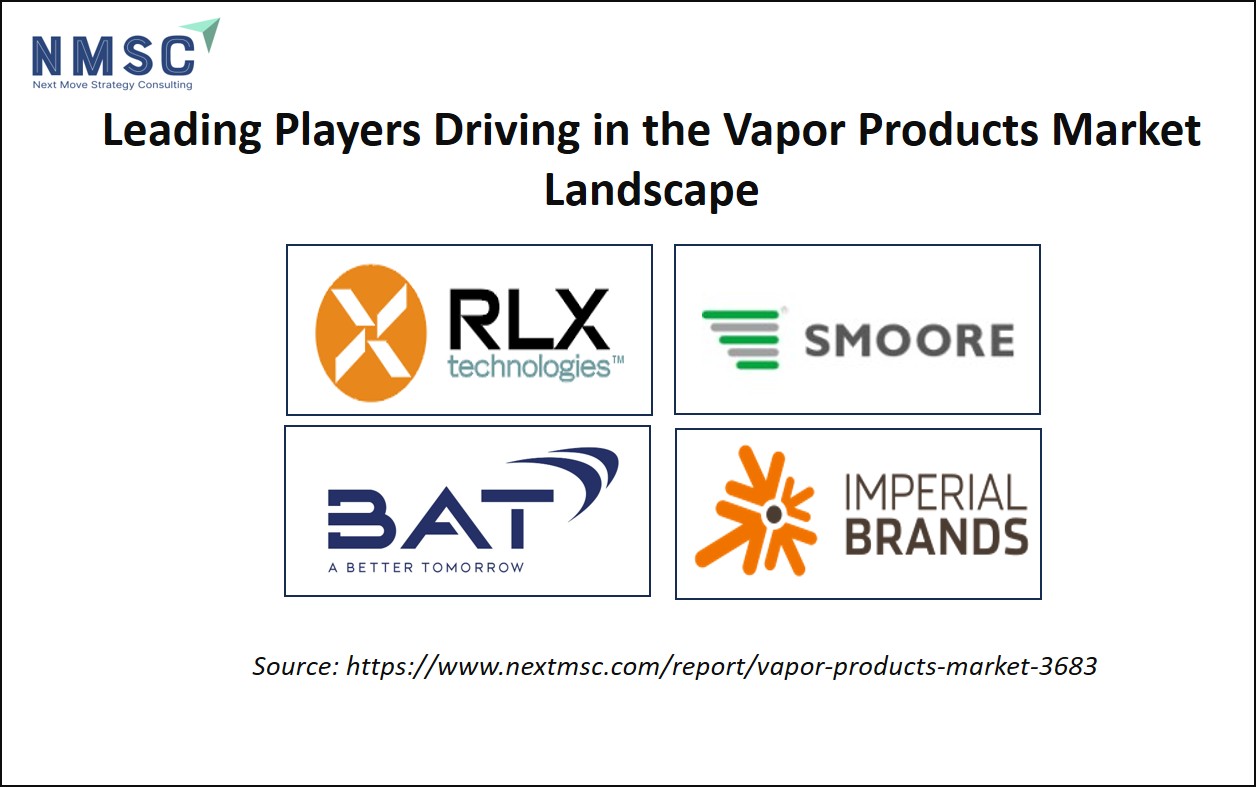
Key Players Shaping the Vapor Products Landscape
The global vapor products industry is led by a mix of multinational corporations and prominent regional manufacturers. Major companies driving innovation and competition include SMOORE International Holdings Limited, RLX Technology Inc., British American Tobacco plc, Philip Morris International Inc., Imperial Brands plc, Shenzhen IVPS Technology Co., Ltd., ICCPP Group (VOOPOO), Shenzhen Kanger Technology Co., Ltd., Shenzhen Joyetech Technology Co., Ltd., Innokin Technology, NJOY, LLC, Shenzhen FreeMax Technology Co., Ltd., Aspire (Shenzhen Eigate Technology), YiHi Electronic Technology Co., Ltd., and Horizon Technology Co., Ltd.
What Should Stakeholders Do Next?
Next Steps
Companies should strengthen compliance with evolving regulations and ensure that marketing practices remain transparent and responsible. Investing in safety-focused technologies can help minimize misuse and improve consumer confidence. Collaboration with regulators and public health bodies will be essential to create balanced and effective policies. Additionally, integrating sustainability into product development can support long-term growth.
-
Strengthen compliance with evolving regulations and legal frameworks
-
Ensure transparent and responsible marketing practices
-
Invest in age-restriction and safety-focused technologies
-
Collaborate with regulators and public health organizations
-
Integrate sustainability into product design and lifecycle management
Final Thoughts: Where Are Vapor Products Headed?
The future of vapor products is being shaped by a dual focus on regulation and responsibility. Governments are working to protect public health through stricter oversight, while companies are responding with safer and more transparent innovations. Regulation is becoming stricter, responsible innovation is gaining importance, and youth protection along with sustainability remains central to industry progress. A balanced and collaborative approach will ultimately define how vapor products evolve in the coming years.
About the Author
 Tania Dey
— Tania Dey is a content writer specializing in transformation-led, insight-driven storytelling. She develops research-backed, high-impact content aligned with evolving business priorities, digital behavior, and audience expectations. Her work helps organizations sharpen value propositions, strengthen visibility, and communicate strategic intent with clarity and precision. Grounded in data-informed storytelling, she brings a strong focus on relevance, consistency, and measurable digital impact across platforms.
Tania Dey
— Tania Dey is a content writer specializing in transformation-led, insight-driven storytelling. She develops research-backed, high-impact content aligned with evolving business priorities, digital behavior, and audience expectations. Her work helps organizations sharpen value propositions, strengthen visibility, and communicate strategic intent with clarity and precision. Grounded in data-informed storytelling, she brings a strong focus on relevance, consistency, and measurable digital impact across platforms.
About the Reviewer
 Sanyukta Deb
— Sanyukta Deb is Digital Marketing Team Lead at Next Move Strategy Consulting, where she has led content strategy and technical SEO for the firm's B2B market research publications for over 2 years. Her editorial process translates NextMSC's primary and secondary research — spanning technology, industrial, and consumer sectors — into commercial narratives, backed by search-intent, keyword, and competitive analysis. She brings 5 years of overall experience in digital marketing and content strategy.
Sanyukta Deb
— Sanyukta Deb is Digital Marketing Team Lead at Next Move Strategy Consulting, where she has led content strategy and technical SEO for the firm's B2B market research publications for over 2 years. Her editorial process translates NextMSC's primary and secondary research — spanning technology, industrial, and consumer sectors — into commercial narratives, backed by search-intent, keyword, and competitive analysis. She brings 5 years of overall experience in digital marketing and content strategy.


















Add Comment