How Call Tracking Software Is Changing the Way Businesses Measure Online Leads
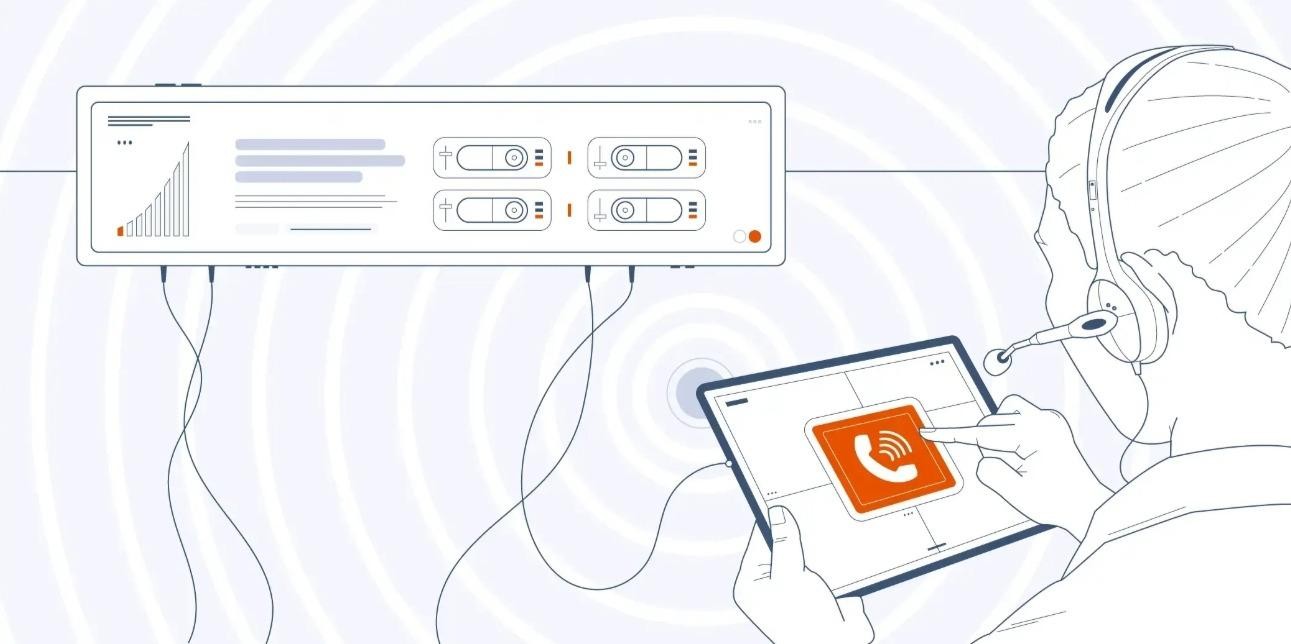
Digital marketing can confidently be called one of the pillars of modern business. A vast number of potential customers are attracted daily via multiple channels: paid search, SEO articles, and social media. However, it is important to understand that website traffic in itself is not a business's ultimate goal; the real value lies in online leads.
Let’s start by refreshing our knowledge of what a lead is. A lead is a potential customer who has already shown interest in a specific product or service. Usually, people demonstrate their interest by clicking a link, filling out a form, making an inquiry, or placing a phone call.
Phone calls are particularly important to businesses. Not everyone chooses to fill out a website form; many prefer to call the number listed on the site directly. Yet even after a potential customer has been attracted, a problem arises: how do you determine where they came from and which lead-generation strategy was effective? This is where call tracking software for lead generation can be especially effective.
Why do phone calls matter for lead generation?
Lead generation itself is not the main challenge. Today, various approaches are used to successfully attract potential customers, ranging from SEO-optimized landing pages to AI-driven lead generation. If a person is not interested in filling out a form, they might choose to call and speak with a real person.
For many potential customers, a phone call can be the most effective communication channel and a real signal of interest. An interested caller may have several objectives: requesting additional information, booking an appointment, inquiring about pricing, or even purchasing a product or service immediately.
However, it is important to remember that not every call automatically represents a high-quality lead. There may be accidental calls, very brief conversations, or calls from already existing customers.
Lead quality is fundamental for businesses, making it critical to track not only the volume of calls but also their context and potential accordance with business interests. This is precisely where high-quality call tracking software can come to the rescue.
The challenge of measuring form leads
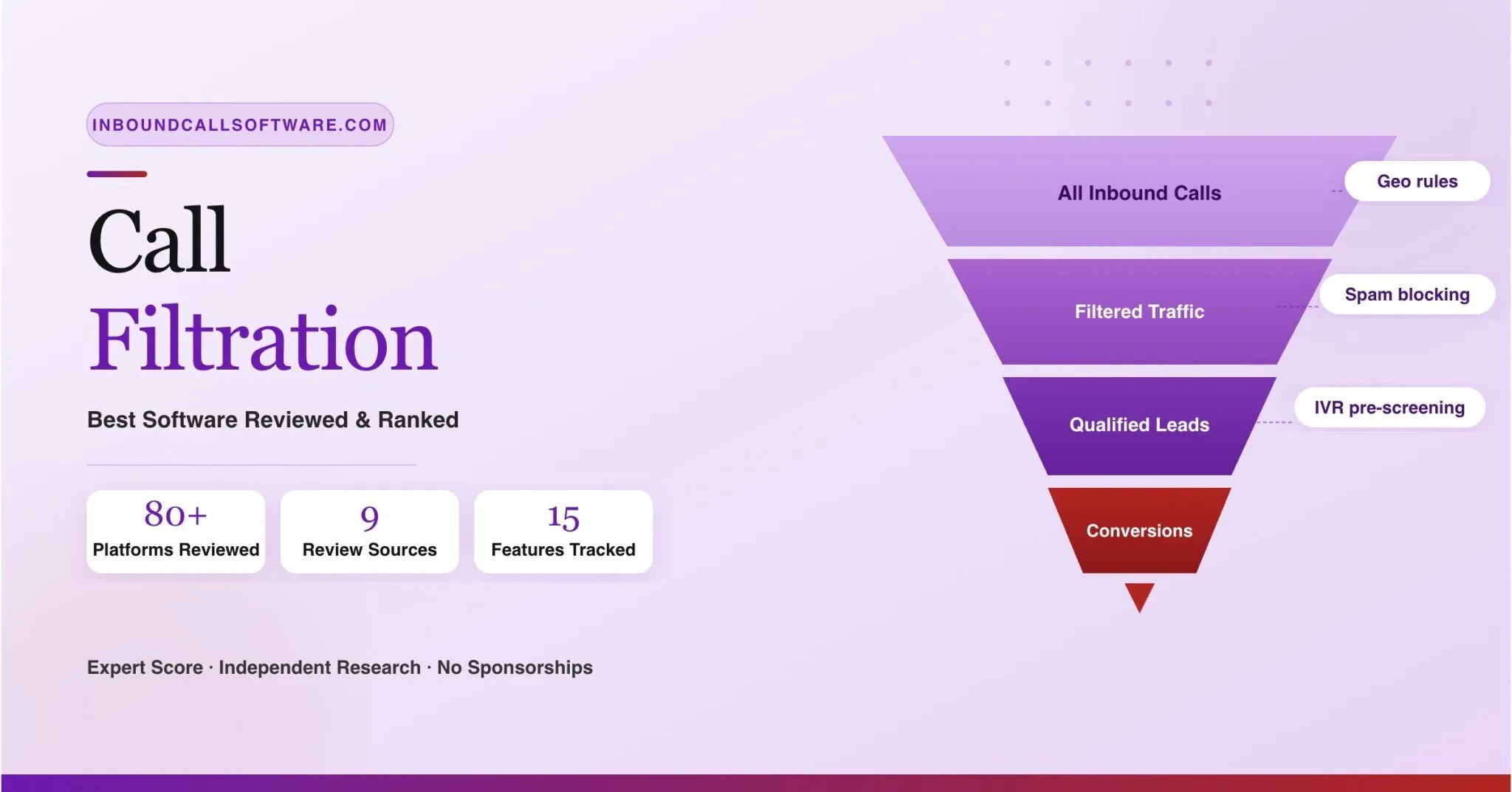
Let’s identify the main pitfall of call tracking. Suppose you receive a hundred calls. That alone isn't enough for in-depth analytics, because you don't know where those people came from – which campaign, keyword, or channel caught their attention – or what the ultimate business outcome was.
The number of calls itself is neither informative for conversion analytics, nor does it help affect marketing decisions. By simply receiving a hundred calls, you can’t get the full understanding of approaches to take for call conversion optimization. Only leads who actually submitted their details via a form, engaged in a substantial call, or booked an appointment hold real value for the business.
That is where call tracking software can help determine what percentage of online leads convert into genuine, quality leads. Tracking allows monitoring not just the volume of calls, but their actual quality. The more information a business gathers about a call, the more effective its analytics and advertising campaigns become, and the more potential clients it attracts.
What is call tracking software?
How should a business view call tracking software? Imagine an all-in-one tool acting as a careful assistant and a liaison between marketing, the business itself, and the customer. Call tracking software enables businesses to track and analyze incoming calls while observing patterns connecting those calls to marketing activities.
So, basically, tracking allows businesses to trace data about potential customers at all stages, starting with a marketing campaign, its effectiveness in attracting new website visitors, and their phone calls. All this finally leads to a stage where obtained tracking data may directly affect marketing automation.
A potential client interacts with specific marketing content, visits the website, spots the phone number, and decides to call. Call tracking is what links that phone call back to the marketing data.
What call tracking metrics can be obtained through this process? Depending on the platform, this may take the form of a list containing details such as:
-
the number of calls;
-
start time;
-
duration;
-
source;
-
campaign;
-
keywords;
-
and other call-related data.
Marketing teams can then use this information for further phone call analytics. Businesses now receive not only information that a call took place but also the context of the call, transforming it into an essential part of marketing data.
How call tracking transforms lead measurement
Imagine a time when a business could only look at the raw number of calls. Now, context enters the picture. What changes does this bring? Let’s compare two companies, for instance.
Company A generated high traffic volume but fewer calls. Company B generated less traffic but more calls. Marketers can now base their decisions on call volume alongside traffic volume. However, not all calls hold the same value. When evaluating performance, it is important to review factors such as call duration, lead quality, potential conversions, and so on.
Through analyzing both the quantity and quality of calls, marketers can assess campaign performance, lead generation, channels, and call outcomes. All of this makes marketing analytics more comprehensive and effective.
When a business understands which marketing activities produce valuable leads, it can more easily evaluate the efficiency of its marketing spend. It can calculate digital marketing ROI – the return on advertising investment.
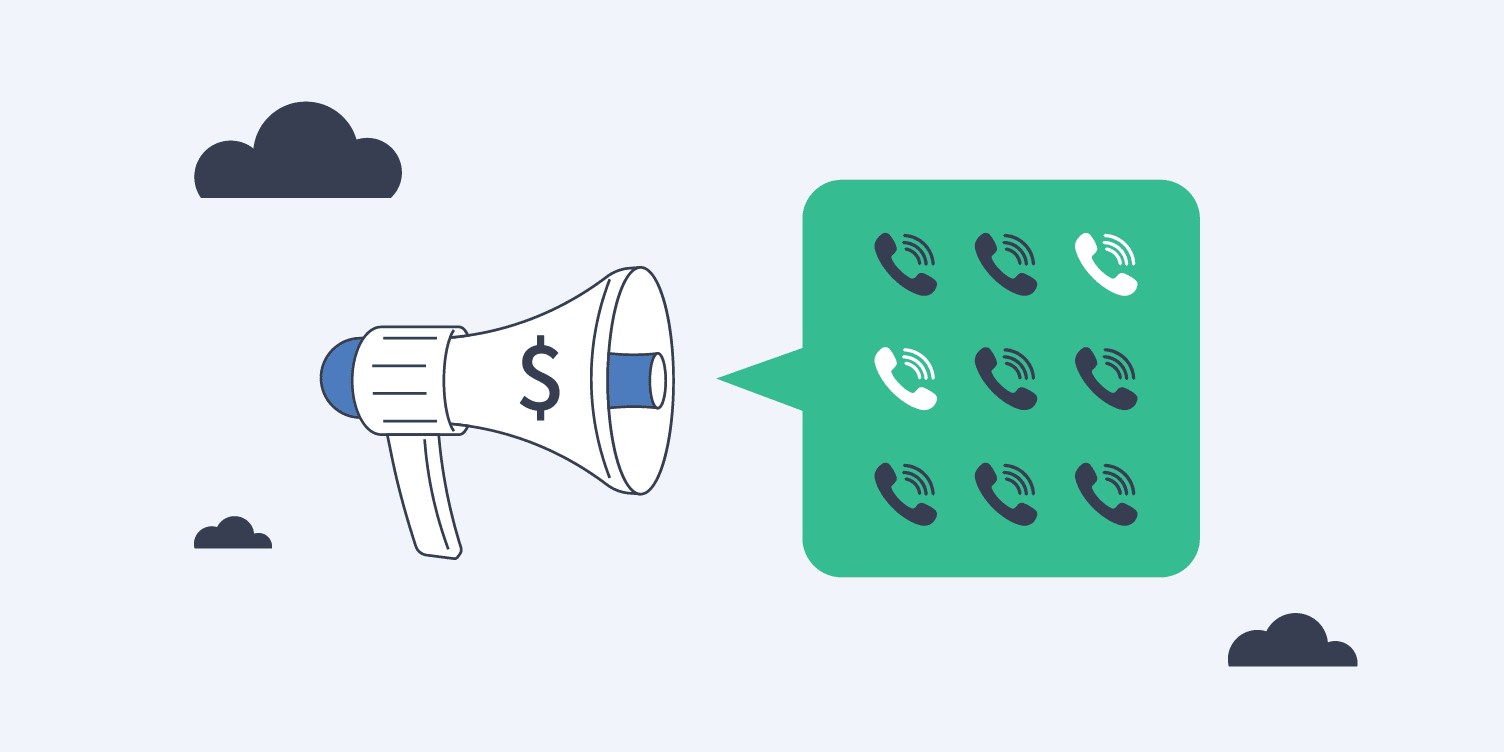
This enables businesses to reallocate their budgets across several channels to generate leads more effectively. In the pay-per-call ads model, the advertiser is charged for each phone call received on a number tied to a specific ad, not per impression or click, and only when the call clears criteria set in advance, so wrong numbers and instant hang-ups are free. Rates run from roughly $10–$30 for simple home-services calls to $50–$150+ in legal and insurance. Advertisers pay it because calls close.
Connecting call tracking with CRM and marketing tools
Sometimes it is not enough to use only call tracking to receive a comprehensive analytical data sample. While it is useful to understand which channels leads come from and how willing they are to make a deal over the phone, call tracking analytics do not show whether the transaction took place in the end. In this case, integrating CRM workflows into the tracking routine is an excellent approach for strengthening resources.
A CRM is a system for storing and processing information about leads and customers. It allows a business not only to track a call but also to understand what happens to the lead afterward – such as their current status, qualification level, follow-on actions, or progress through the sales funnel. Basically, CRM is an archive storing all the data about the current status of leads and customers and their qualification. By combining call tracking and CRM data, a business gains a more complete picture of the lead journey and customer acquisition.
What firms can do with better lead data.
Armed with a wider selection of lead data, a business can unlock several key advantages:
-
Better marketing decisions. Businesses gain a clearer understanding of which channels or campaigns drive calls.
-
Better lead management. In other words, it gives a deeper understanding of which interactions to focus on for better lead distribution.
-
Better understanding of customer acquisition. Companies gain more data regarding marketing's impact on the customer.
-
More informed budget decisions. Factoring digital marketing ROI within customer acquisition analytics facilitates sales funnel optimization.
Conclusion
So, what conclusions can we draw about the impact of call tracking on how businesses measure online leads?
Phone calls are a vital part of the lead generation process, yet their volume and quality can be difficult to track without proper tools. Call tracking software provides context for this measurement, especially when integrated with a CRM system. The variety and depth of the resulting analytics allow businesses to understand marketing's impact on lead generation better and, consequently, fine-tune their channel spending by focusing on the most effective options. Thus, call tracking software becomes a key link in the chain of lead generation and new customer acquisition.
About the Author
 Sanyukta Deb
— Sanyukta Deb is Digital Marketing Team Lead at Next Move Strategy Consulting, where she has led content strategy and technical SEO for the firm's B2B market research publications for over 2 years. Her editorial process translates NextMSC's primary and secondary research — spanning technology, industrial, and consumer sectors — into commercial narratives, backed by search-intent, keyword, and competitive analysis. She brings 5 years of overall experience in digital marketing and content strategy.
Sanyukta Deb
— Sanyukta Deb is Digital Marketing Team Lead at Next Move Strategy Consulting, where she has led content strategy and technical SEO for the firm's B2B market research publications for over 2 years. Her editorial process translates NextMSC's primary and secondary research — spanning technology, industrial, and consumer sectors — into commercial narratives, backed by search-intent, keyword, and competitive analysis. She brings 5 years of overall experience in digital marketing and content strategy.
About the Reviewer
 Debashree Dey
— Debashree Dey is Assistant Manager at Next Move Strategy Consulting, where she supports cross-vertical market content and communications across diverse industries for 6 years. Her professional background includes senior content writing, communications, and published manuscript authorship, with experience developing audience-focused business narratives and maintaining clear, consistent messaging. Her role supports research-led content development and editorial quality across NextMSC publications.
Debashree Dey
— Debashree Dey is Assistant Manager at Next Move Strategy Consulting, where she supports cross-vertical market content and communications across diverse industries for 6 years. Her professional background includes senior content writing, communications, and published manuscript authorship, with experience developing audience-focused business narratives and maintaining clear, consistent messaging. Her role supports research-led content development and editorial quality across NextMSC publications.

















Add Comment