How Smart Thermal Storage, Material Science, and Digital Control Are Rewriting Energy Efficiency?
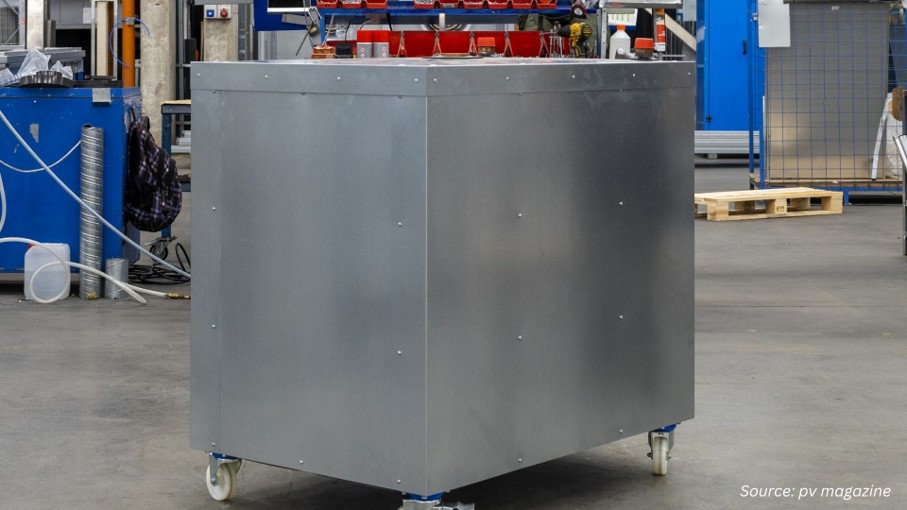
The global Advanced Phase Change Materials (PCM) Market is experiencing a significant technological transformation as industries increasingly prioritize energy efficiency, thermal resilience, and carbon reduction. Advanced phase change materials are specialized substances capable of storing and releasing large amounts of thermal energy during phase transitions, typically between solid and liquid states. Unlike conventional thermal management solutions, advanced PCMs provide highly efficient temperature regulation while reducing energy consumption across buildings, transportation systems, electronics, cold-chain logistics, renewable energy storage infrastructure, and industrial processes.
According to Next Move Strategy Consulting, The global Advanced Phase Change Materials Market was valued at USD 2.50 billion in 2025 and is expected to reach USD 3.07 billion in 2026. Propelled by escalating demand for energy-efficient thermal management solutions across construction, cold chain logistics, electric vehicles, and renewable energy storage, the market is projected to reach USD 7.73 billion by 2035, advancing at a CAGR of 10.82% from 2026 to 2035. Key growth drivers include rapid adoption of encapsulated and formulated PCMs in sustainable buildings, surging EV battery thermal regulation requirements, growing pharmaceutical cold chain investments, and expanding deployment of specialty PCM in renewable energy storage infrastructure globally.
Advanced Encapsulation Technologies: Enhancing PCM Stability and Commercial Viability
Encapsulation technology has emerged as one of the most influential innovations shaping the advanced PCM market. Traditional phase change materials often faced challenges related to leakage, degradation, and limited lifecycle performance. Advanced microencapsulation and macroencapsulation techniques have largely overcome these limitations by enclosing PCM substances within protective shells made from polymers, ceramics, metals, or composite materials.
Modern encapsulation technologies improve thermal conductivity, mechanical stability, chemical resistance, and long-term reliability. As a result, PCMs are increasingly integrated into building materials, thermal packaging systems, textiles, and energy storage units without compromising structural integrity.
For example, in March 2025, Pluss Advanced Technologies launched PRONGO®, a PCM-based temperature-controlled packaging solution designed for frozen food logistics and temperature-sensitive transportation. The development highlights how advanced encapsulation technologies are enabling more reliable thermal protection across increasingly demanding supply chain environments. This reflects a broader industry movement toward engineered PCM packaging systems capable of maintaining precise temperatures over extended durations.
Nanotechnology and Enhanced Thermal Conductivity: Making PCMs Faster and More Efficient
One of the most significant technical limitations of conventional PCMs has historically been low thermal conductivity. To address this challenge, manufacturers are increasingly incorporating nanomaterials such as graphene, carbon nanotubes, metallic nanoparticles, and nano-enhanced composites into PCM formulations. Nanotechnology significantly accelerates heat transfer rates, allowing thermal energy to be absorbed and released more efficiently. This advancement is particularly important for electric vehicles, battery thermal management systems, electronics cooling, and renewable energy storage applications where rapid temperature fluctuations must be controlled precisely.
Industry evidence indicates that nano-enhanced PCMs can deliver substantially improved thermal responsiveness compared with traditional paraffin or salt hydrate systems. Consequently, research investments are increasingly focused on developing hybrid PCM formulations that combine high latent heat storage capacity with enhanced conductivity characteristics. This trend is becoming especially important as EV manufacturers seek more advanced battery cooling solutions capable of improving safety, extending battery lifespan, and supporting fast-charging infrastructure.
AI-Driven Thermal Energy Optimization: Turning Passive Materials into Intelligent Systems
Artificial intelligence is emerging as a powerful technology enabler across thermal energy management systems that incorporate advanced PCMs. While PCMs themselves are passive materials, their integration into smart building platforms, renewable energy storage systems, and industrial energy networks is increasingly supported by AI-driven analytics. Machine learning algorithms can analyze temperature patterns, occupancy behavior, weather conditions, production cycles, and energy demand fluctuations to optimize PCM charging and discharging cycles. This improves energy efficiency while maximizing thermal storage utilization.
In smart commercial buildings, AI platforms are increasingly being paired with PCM-enhanced walls, ceilings, and HVAC systems to reduce peak energy demand. Similarly, renewable energy facilities are utilizing predictive analytics to coordinate thermal storage operations with solar and wind energy generation profiles. This convergence of material science and artificial intelligence is transforming advanced PCMs from passive thermal components into active contributors within broader digital energy ecosystems.
What Is the Impact of PCM-Based Thermal Batteries on Renewable Energy Integration?
Thermal battery technology represents one of the fastest-growing application areas within the advanced PCM market. Unlike electrochemical batteries that store electricity, PCM-based thermal batteries store heat energy and release it when required. These systems are becoming increasingly important for renewable energy integration because they address intermittency challenges associated with solar and wind generation. Excess thermal energy generated during peak production periods can be stored within PCM systems and discharged later when energy demand rises.
A major example emerged in March 2026 when Sunamp Limited launched Central Bank® Mini, its first dedicated product targeting commercial, industrial, and manufacturing sectors. According to the company, the system utilizes its proprietary Plentigrade® PCM technology to capture, store, and redeploy waste heat across food processing, advanced manufacturing, and district heating applications. This demonstrates how PCM-based thermal batteries are evolving into scalable industrial energy storage solutions that support decarbonization objectives while improving operational efficiency.
Advanced Thermal Management for Electric Vehicles and Electronics
EVs and advanced electronics are creating a more demanding thermal-management environment, which is good for advanced PCM suppliers. Batteries need stable temperatures for performance and safety, while electronics need compact thermal interface materials that can handle high heat density.
DuPont’s 2025 sustainability report highlighted Laird™ Tpcm™ 7000, a thermal phase change material designed to improve cooling in demanding advanced electronics applications. That matters because the electronics segment is moving toward denser architectures, faster processing, and greater thermal sensitivity, all of which raise the value of high-performance interface materials.
Henkel is also reinforcing the automotive and industrial thermal design ecosystem. In December 2025, the company launched Loctite MS 9650, a flexible adhesive and sealant for automotive display components and industrial applications. While not a PCM itself, the product supports lightweight vehicle assemblies, vibration resistance, and thermal stability, which are exactly the kinds of adjacent technologies that strengthen the broader thermal-management stack around advanced PCM adoption.
How Are Smart Cold Chain Technologies Transforming Digital Temperature Monitoring?
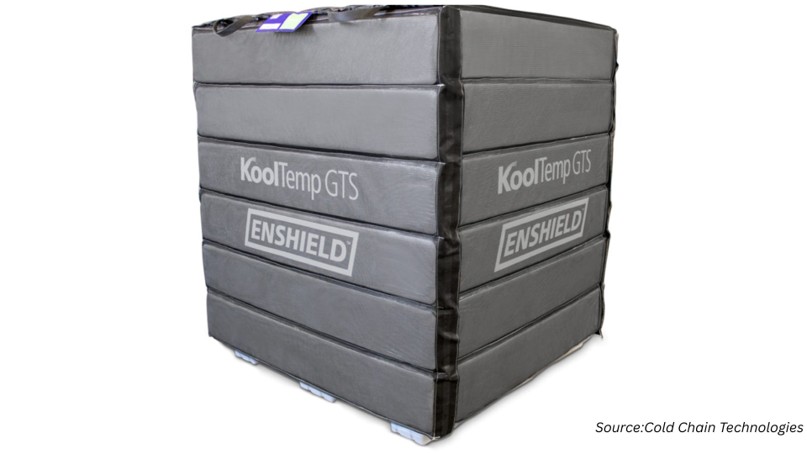
The increasing movement of temperature-sensitive pharmaceuticals, biologics, vaccines, and specialty food products is pushing logistics providers to adopt more sophisticated thermal protection solutions. Advanced phase change materials are becoming a critical component of next-generation cold chain systems, helping maintain precise temperature ranges throughout storage and transportation. When combined with connected sensors, cloud-based tracking platforms, and predictive analytics, PCM-enabled packaging provides greater visibility and control across the supply chain.
This evolution is evident in the strategic initiatives undertaken by Cold Chain Technologies, LLC. In September 2025, the company expanded its presence across the Asia-Pacific region through additional distribution partnerships and regional hubs, strengthening access to its PCM-based thermal packaging portfolio. The expansion reflects growing industry recognition that reliable temperature management is no longer solely about insulation—it increasingly depends on intelligent, data-driven cold chain solutions capable of protecting high-value healthcare products across complex global distribution networks.
Several technological advancements are further strengthening the adoption of PCM-based cold chain solutions:
-
IoT-Enabled Temperature Monitoring: Real-time sensors continuously track environmental conditions and provide instant alerts when temperatures move outside predefined ranges, reducing the risk of product spoilage.
-
Cloud-Based Supply Chain Visibility: Centralized monitoring platforms allow stakeholders to access shipment data remotely, improving transparency and enabling faster decision-making during transit.
-
Advanced PCM Packaging Systems: Modern PCM formulations offer longer temperature hold times and greater thermal stability compared to conventional cooling materials, making them suitable for long-distance transportation.
-
Data Analytics and Predictive Monitoring: Analytics tools help identify temperature trends, optimize shipping routes, and minimize operational risks, enhancing overall cold chain efficiency.
-
Growing Pharmaceutical and Biologics Distribution: The expanding global market for vaccines, cell therapies, and specialty medicines is increasing demand for reliable PCM-based packaging solutions capable of maintaining strict regulatory temperature requirements.
As cold chain logistics become more technology-driven and globally interconnected, advanced phase change materials are evolving from passive cooling components into essential enablers of smart, resilient, and compliant temperature-controlled supply chains.
Are Sustainable Bio-Based PCMs Shaping the Future of Circular Economy Solutions?
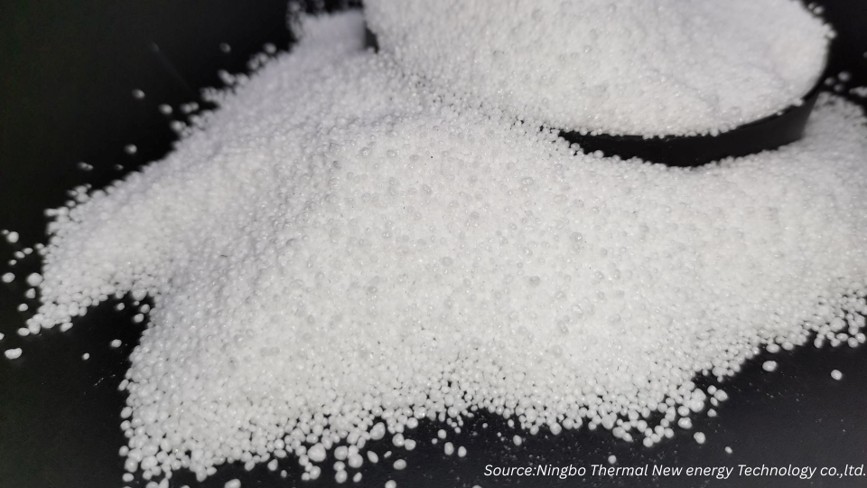
Sustainability has become a major innovation driver within the advanced PCM market. Manufacturers are increasingly developing bio-based phase change materials derived from renewable feedstocks such as plant oils, fatty acids, and agricultural byproducts. Compared with petroleum-derived alternatives, bio-based PCMs offer lower environmental impact while supporting circular economy initiatives and carbon reduction targets. Companies including PureTemp LLC, Croda International plc, and Sasol Limited continue investing in sustainable thermal storage materials designed for environmentally conscious applications. Industry evidence suggests that sustainability considerations are increasingly influencing procurement decisions across construction, transportation, and energy sectors, creating strong growth opportunities for renewable PCM technologies.
Global Manufacturing Expansion Accelerates PCM Commercialization
Manufacturing expansion and strategic partnerships are becoming critical to scaling PCM deployment globally.
For example, in November 2025, Sunamp Limited announced a partnership with Jiangsu Gomon New Energy Technology to establish PCM heat battery manufacturing capacity in China. The initiative supports growing demand across Asia-Pacific thermal storage markets while strengthening regional supply chains.
Similarly, in October 2025, Sunamp Limited signed a manufacturing and licensing agreement with Heat Transfer Equipment Company (HTEC) to produce PCM thermal batteries in California. This development expands North American production capabilities and demonstrates increasing commercialization of PCM-based energy storage technologies. These investments indicate that PCM manufacturers are transitioning from niche technology providers to large-scale energy infrastructure participants.
The Future of Advanced Phase Change Materials: Toward Intelligent Thermal Energy Ecosystems
Our assessment indicates that the future of the Advanced Phase Change Materials Market extends well beyond passive thermal storage. The next decade will likely be defined by intelligent thermal energy ecosystems that combine advanced PCMs with artificial intelligence, IoT-enabled monitoring, predictive analytics, digital twins, renewable energy networks, and smart grid infrastructure. Emerging innovations in nano-engineered materials, bio-based formulations, adaptive thermal systems, and PCM-based thermal batteries are expected to unlock entirely new applications across electric mobility, sustainable construction, industrial manufacturing, data centers, and renewable energy storage. Companies including Sunamp Limited, DuPont de Nemours, Inc., Henkel AG & Co. KGaA, Pluss Advanced Technologies Private Limited, and Cold Chain Technologies, LLC are increasingly demonstrating how advanced material science and digital technologies can converge to create more sustainable and resilient energy systems. As industries continue prioritizing decarbonization, energy efficiency, and thermal resilience, advanced phase change materials are positioned to become a foundational technology supporting the global transition toward a smarter and more sustainable energy future.
About the Author
 Mihul Sharma
— Mihul Sharma is Research Associate at Next Move Strategy Consulting, where he has covered technology, industrial, and healthcare markets for 3 years. His work applies structured business research, market analysis, and secondary-source review to assess market trends, competitive developments, and growth opportunities. He supports report development by fully synthesizing industry data, company information, and market signals into concise findings for strategy and investment-focused research teams.
Mihul Sharma
— Mihul Sharma is Research Associate at Next Move Strategy Consulting, where he has covered technology, industrial, and healthcare markets for 3 years. His work applies structured business research, market analysis, and secondary-source review to assess market trends, competitive developments, and growth opportunities. He supports report development by fully synthesizing industry data, company information, and market signals into concise findings for strategy and investment-focused research teams.
About the Reviewer
 Supradip Baul
— Supradip Baul is an accomplished business consultant and strategist with over a decade of rich experience in market intelligence, strategy, technology, and business transformation. His work has included rigorous qualitative and quantitative analysis across multiple industries, helping clients shape investment decisions and long-term roadmaps. Earlier in his career, he was associated with Gartner, where he contributed to industry-leading reports and market share analyses. He has worked with leading global companies and holds an MBA with a dual specialization in Marketing and Finance.
Supradip Baul
— Supradip Baul is an accomplished business consultant and strategist with over a decade of rich experience in market intelligence, strategy, technology, and business transformation. His work has included rigorous qualitative and quantitative analysis across multiple industries, helping clients shape investment decisions and long-term roadmaps. Earlier in his career, he was associated with Gartner, where he contributed to industry-leading reports and market share analyses. He has worked with leading global companies and holds an MBA with a dual specialization in Marketing and Finance.
















Add Comment