Hydraulic Cylinders: Manufacturing Growth, Innovation, and Industrial Expansion
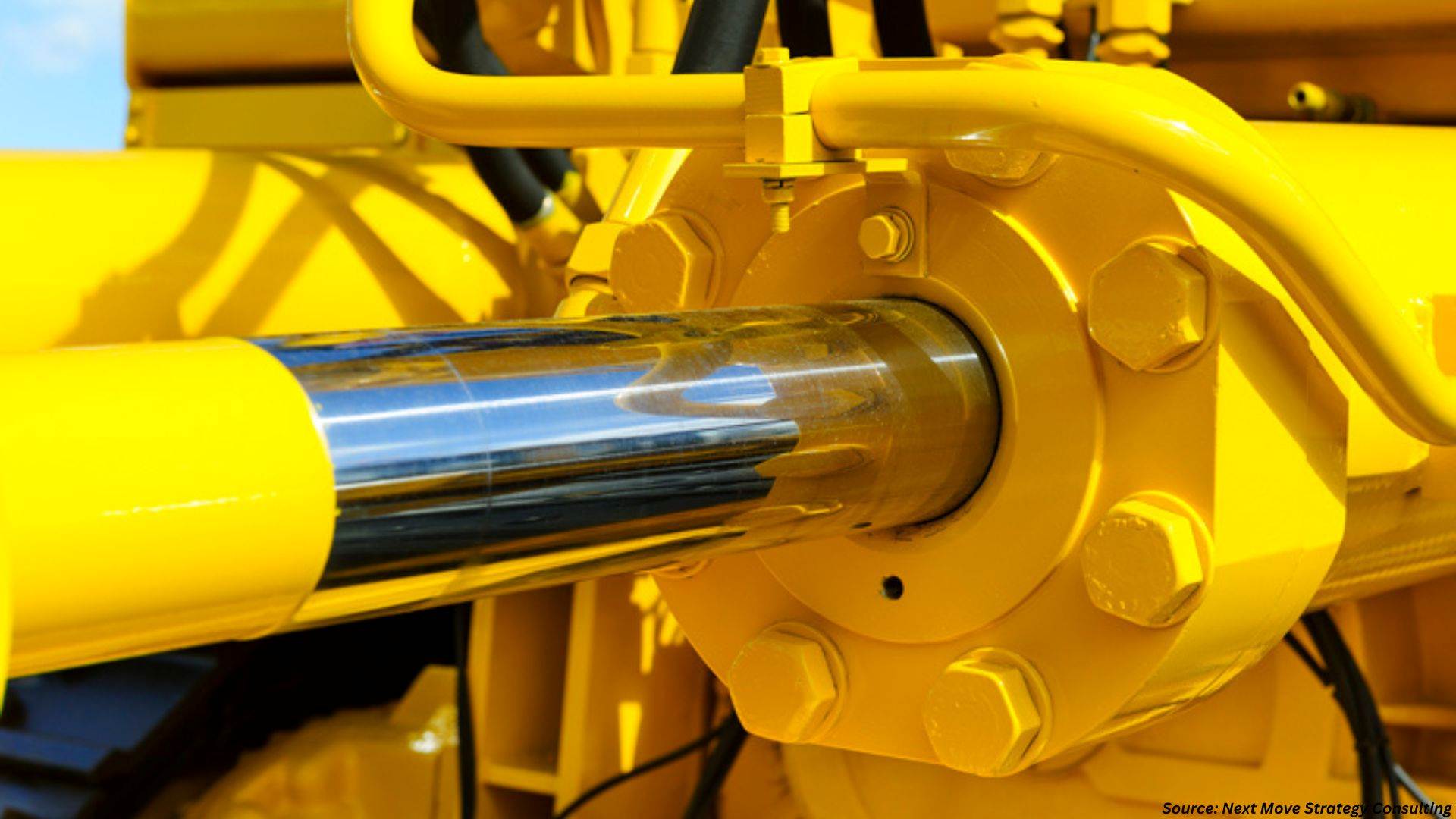
Hydraulic cylinders are essential mechanical components that convert fluid power into linear force and motion. They are widely used in construction machinery, industrial equipment, and heavy-duty systems where controlled force and precision movement are required. In 2026 and beyond, the industry is witnessing structural expansion in manufacturing capacity and strategic collaborations that aim to improve efficiency and localization of production.
1. Hydraulic Cylinders in Modern Industrial Systems
Hydraulic cylinders play a foundational role in modern engineering systems by enabling controlled movement in heavy machinery. They are commonly integrated into construction equipment, material handling systems, and industrial automation setups.
A typical hydraulic cylinder system consists of a piston, cylinder barrel, and hydraulic fluid mechanism that generates linear force. This allows machinery to lift, push, or press heavy loads with high precision.
While the design principles remain consistent, the focus is now shifting toward improving durability, energy efficiency, and manufacturing scalability.
Our observations at Next Move Strategy Consulting indicate that hydraulic cylinders are increasingly being positioned as core enablers of industrial automation, especially as infrastructure development and mechanized construction continue to expand globally.
2. Expansion in Hydraulic Cylinder Manufacturing Capacity
Recent developments highlight significant investments in production infrastructure aimed at strengthening hydraulic cylinder supply chains.
Liebherr has expanded its manufacturing footprint with the opening of a dedicated hydraulic cylinder facility. This development reflects a strategic move to enhance production capability and improve supply reliability for industrial applications.
The facility is designed to support high-precision production requirements, reinforcing the company’s focus on advanced engineering components used in heavy machinery and construction equipment.
Key Manufacturing Focus Areas
-
Enhanced production capacity for hydraulic components
-
Improved precision engineering processes
-
Strengthening supply chain reliability
-
Support for heavy machinery applications

Our analysis at Next Move Strategy Consulting indicates that such facility expansions are not isolated investments but part of a broader industrial trend toward localized, high-precision manufacturing to reduce dependency on fragmented global supply chains.
3. Strategic Partnerships in Hydraulic Cylinder Production
Another major development in the hydraulic cylinder industry is the collaboration between Wheels India and South Korea-based SHPAC. The partnership focuses on producing advanced hydraulic cylinders with improved technical capabilities and manufacturing integration.
This collaboration reflects a growing emphasis on cross-border technical cooperation to enhance product quality and manufacturing efficiency.
Partnership Objectives
-
Development of advanced hydraulic cylinder technologies
-
Integration of global manufacturing expertise
-
Strengthening industrial production capabilities
-
Enhancing competitiveness in engineering components
|
Partner |
Focus Area |
Strategic Outcome |
|
Wheels India |
Manufacturing & production |
Industrial scaling |
|
SHPAC (South Korea) |
Hydraulic technology expertise |
Product advancement |
Strategic partnerships like this are accelerating technology transfer in mechanical systems, particularly in hydraulic engineering, where precision and durability are critical performance factors.
4. Industry Applications and Operational Importance
Hydraulic cylinders are widely used across multiple industries due to their ability to generate high force output in compact systems. Their applications include:
-
Construction machinery such as excavators and loaders
-
Industrial presses and manufacturing equipment
-
Material handling systems
-
Infrastructure development machinery

These applications rely on hydraulic cylinders for controlled motion and high-load performance. As industries move toward more automated systems, demand for reliable hydraulic actuation continues to increase.
We observe that the increasing complexity of industrial machinery is directly influencing the demand for more efficient hydraulic systems that offer higher precision, durability, and operational stability.
5. Next Move Strategy Consulting’s View: Industry Impact
According to Next Move Strategy Consulting, recent developments in hydraulic cylinder manufacturing and partnerships indicate a clear shift toward:
-
Localized production ecosystems to reduce supply chain disruptions
-
Increased adoption of precision engineering in heavy equipment components
-
Stronger collaboration between global and regional manufacturers
-
Rising emphasis on industrial efficiency and lifecycle performance

These trends suggest that hydraulic cylinders are evolving from standard mechanical components into strategically important industrial assets that influence overall equipment performance and manufacturing competitiveness.
6. Next Steps for Industry Stakeholders
To align with the evolving hydraulic cylinder landscape, stakeholders should consider the following actions:
-
Invest in advanced manufacturing technologies for higher precision output
-
Strengthen partnerships for technology transfer and production scaling
-
Focus on supply chain localization to improve reliability
-
Enhance R&D for energy-efficient hydraulic systems
-
Adopt quality-driven production frameworks for industrial components
Conclusion
The hydraulic cylinder industry is undergoing a significant transformation driven by manufacturing expansion and international collaboration. Developments such as Liebherr’s facility expansion and the Wheels India–SHPAC partnership highlight the sector’s shift toward advanced engineering capabilities and localized production strength. As industrial systems continue to evolve, hydraulic cylinders will remain a critical component supporting efficiency, performance, and mechanical precision across global industries.
About the Author
 Joydeep Dey
— Joydeep Dey is a content writer and analyst fueled by creativity, research, and continuous learning. He combines compelling storytelling with market insights to turn complex information into engaging, impactful content. Passionate about emerging trends, digital strategy, and innovation-driven communication, he believes curiosity and consistent growth are key to creating meaningful influence in every project.
Joydeep Dey
— Joydeep Dey is a content writer and analyst fueled by creativity, research, and continuous learning. He combines compelling storytelling with market insights to turn complex information into engaging, impactful content. Passionate about emerging trends, digital strategy, and innovation-driven communication, he believes curiosity and consistent growth are key to creating meaningful influence in every project.
About the Reviewer
 Debashree Dey
— Debashree Dey is Assistant Manager at Next Move Strategy Consulting, where she supports cross-vertical market content and communications across diverse industries for 6 years. Her professional background includes senior content writing, communications, and published manuscript authorship, with experience developing audience-focused business narratives and maintaining clear, consistent messaging. Her role supports research-led content development and editorial quality across NextMSC publications.
Debashree Dey
— Debashree Dey is Assistant Manager at Next Move Strategy Consulting, where she supports cross-vertical market content and communications across diverse industries for 6 years. Her professional background includes senior content writing, communications, and published manuscript authorship, with experience developing audience-focused business narratives and maintaining clear, consistent messaging. Her role supports research-led content development and editorial quality across NextMSC publications.
















Add Comment