Is Cloud Gaming Entering a More Accessible and Scalable Era?
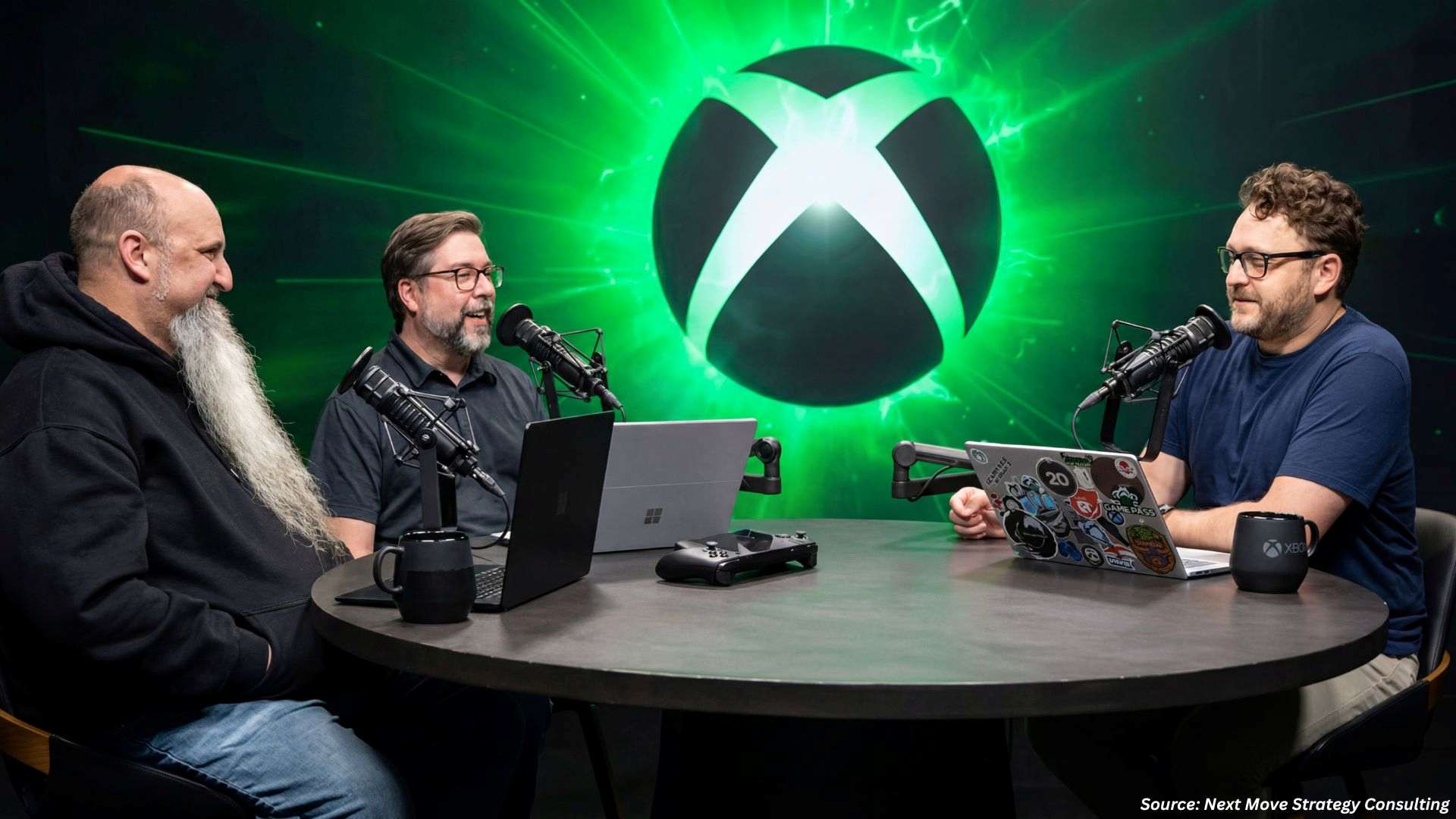
Cloud Gaming Market is steadily transitioning from a niche offering to a mainstream gaming model. This shift is being driven by two major forces: increasing affordability and rapid advancements in supporting infrastructure. Recent developments from Microsoft’s Xbox ecosystem and innovations in data center energy systems highlight how the industry is aligning technology with user expectations.
At its core, cloud gaming is becoming less about high-end hardware and more about seamless access. The focus is now on enabling players to engage with games across multiple devices without compromising performance. This marks a structural evolution in how gaming is delivered and consumed.
How Is Cloud Gaming Becoming More Affordable?
Affordability is emerging as a central theme in cloud gaming’s evolution. Microsoft has indicated that cloud gaming services are expected to become more cost-effective and accessible across a wider range of regions. This reflects a broader strategic direction focused on inclusivity and user reach.
Instead of building isolated gaming environments, Microsoft is investing in a unified ecosystem where features are designed to function consistently across consoles, personal computers, mobile devices, and cloud platforms. This reduces duplication of resources and helps optimize operational costs, which can eventually translate into more competitive pricing for users.
Another important factor is the shift in user behavior. Players increasingly expect flexibility, such as starting a game on one device and continuing it on another. By prioritizing this multi-device continuity, companies are redefining value in gaming services, making affordability not just about price but also about accessibility and convenience.

What Role Do Data Centers Play in Cloud Gaming Growth?
Behind every cloud gaming session is a complex network of data center that handle computation, rendering, and streaming in real time. As demand increases, these data centers must deliver higher performance while maintaining efficiency and reliability.
A notable advancement in this area is the development of hybrid energy storage systems that combine lithium-ion and sodium-ion technologies. These systems are designed to meet the dual needs of modern data centers: sustained energy supply and rapid response capability. For cloud gaming, this means more stable performance and reduced interruptions.
Such innovations also address one of the biggest challenges in cloud gaming: latency. Real-time gaming requires immediate processing, and even minor delays can impact user experience. By improving how energy is stored and delivered, data centers can operate more efficiently and respond faster to demand spikes.
Key Drivers Powering Cloud Gaming Growth
The pie chart highlights the primary factors shaping the evolution of cloud gaming, with affordability and infrastructure emerging as the most influential drivers, each contributing 30%. This indicates that reducing costs and strengthening data center capabilities are currently the top priorities for industry players aiming to expand user adoption and improve service quality.
The remaining 40% is evenly split between multi-device ecosystems and energy innovation, each accounting for 20%. This reflects the growing importance of allowing users to seamlessly switch between devices while also ensuring that the backend infrastructure is supported by efficient and reliable energy systems.
Overall, the chart shows a balanced ecosystem where front-end user accessibility (affordability and device flexibility) and back-end technological advancements (infrastructure and energy systems) are equally critical to the growth of cloud gaming.

Major Trends Shaping the Present
Multi-Device Gaming Ecosystems
Cloud gaming is increasingly defined by its ability to function across devices. Players are no longer restricted to a single platform, and this flexibility is becoming a baseline expectation. The ability to move seamlessly between handheld devices, consoles, and personal computers is reshaping how games are designed and delivered.
Infrastructure-Driven Performance Improvements
Technological advancements in data center operations are directly influencing gaming quality. Enhanced energy storage solutions and optimized computing environments are enabling smoother gameplay experiences, even during peak usage periods.
Cost Optimization Through Technology
Efficiency improvements in infrastructure and service delivery are helping reduce overall operational costs. While pricing strategies vary, the underlying trend suggests that these efficiencies will contribute to making cloud gaming more accessible over time.
How Are Energy Innovations Supporting Cloud Gaming?
Energy innovation is playing a foundational role in enabling cloud gaming at scale. Recent developments in long-duration energy storage systems highlight how data centers are evolving to support continuous, high-performance operations.
The introduction of systems capable of delivering up to eight hours of sustained energy represents a significant step forward. These systems are designed for deep cycling, long service life, and improved safety, all of which contribute to reducing operational costs over time.
Additionally, hybrid battery configurations allow data centers to balance long-term energy supply with rapid response capabilities. This combination is particularly important for cloud gaming, where both stability and speed are essential.
Competitive Landscape of Cloud Gaming Industry
The cloud gaming industry features a diverse mix of major players, including Amazon.com Inc., NVIDIA Corporation, Microsoft Corporation, Sony Interactive Entertainment, Google, IBM Corporation, Samsung, Ubisoft, Meta, and Tencent Cloud. These companies are actively strengthening their market positions by focusing on product innovation, new service launches, and regional expansion strategies to stay competitive and sustain growth.

What Does the Future Hold for Cloud Gaming?
Cloud gaming is moving toward a future where accessibility, efficiency, and performance are tightly integrated. As affordability improves and infrastructure becomes more sophisticated, the barriers to entry are expected to decline significantly.
The convergence of gaming ecosystems and energy-efficient data centers is not just enhancing performance but also redefining how gaming services are delivered. This positions cloud gaming as a key pillar in the broader digital entertainment landscape.
Next Steps
To stay aligned with the evolution of cloud gaming, it is important to focus on practical actions. Monitoring pricing developments will help identify when services become more accessible in different regions. Evaluating infrastructure trends can provide insights into performance improvements and future capabilities.
-
Monitor pricing changes across regions to identify affordability trends
-
Track data center innovations that impact performance and uptime
-
Adopt multi-device strategies to align with evolving user behavior
-
Evaluate infrastructure readiness for scalable cloud gaming deployment
-
Stay updated on ecosystem developments from major industry players
About the Author
 Tania Dey
— Tania Dey is a content writer specializing in transformation-led, insight-driven storytelling. She develops research-backed, high-impact content aligned with evolving business priorities, digital behavior, and audience expectations. Her work helps organizations sharpen value propositions, strengthen visibility, and communicate strategic intent with clarity and precision. Grounded in data-informed storytelling, she brings a strong focus on relevance, consistency, and measurable digital impact across platforms.
Tania Dey
— Tania Dey is a content writer specializing in transformation-led, insight-driven storytelling. She develops research-backed, high-impact content aligned with evolving business priorities, digital behavior, and audience expectations. Her work helps organizations sharpen value propositions, strengthen visibility, and communicate strategic intent with clarity and precision. Grounded in data-informed storytelling, she brings a strong focus on relevance, consistency, and measurable digital impact across platforms.
About the Reviewer
 Sanyukta Deb
— Sanyukta Deb is Digital Marketing Team Lead at Next Move Strategy Consulting, where she has led content strategy and technical SEO for the firm's B2B market research publications for over 2 years. Her editorial process translates NextMSC's primary and secondary research — spanning technology, industrial, and consumer sectors — into commercial narratives, backed by search-intent, keyword, and competitive analysis. She brings 5 years of overall experience in digital marketing and content strategy.
Sanyukta Deb
— Sanyukta Deb is Digital Marketing Team Lead at Next Move Strategy Consulting, where she has led content strategy and technical SEO for the firm's B2B market research publications for over 2 years. Her editorial process translates NextMSC's primary and secondary research — spanning technology, industrial, and consumer sectors — into commercial narratives, backed by search-intent, keyword, and competitive analysis. She brings 5 years of overall experience in digital marketing and content strategy.
















Add Comment