Is the LED Display Market Entering a New Era of Smart, Immersive Innovation?
Why Is the LED Display Market Gaining Momentum in 2025–2026?
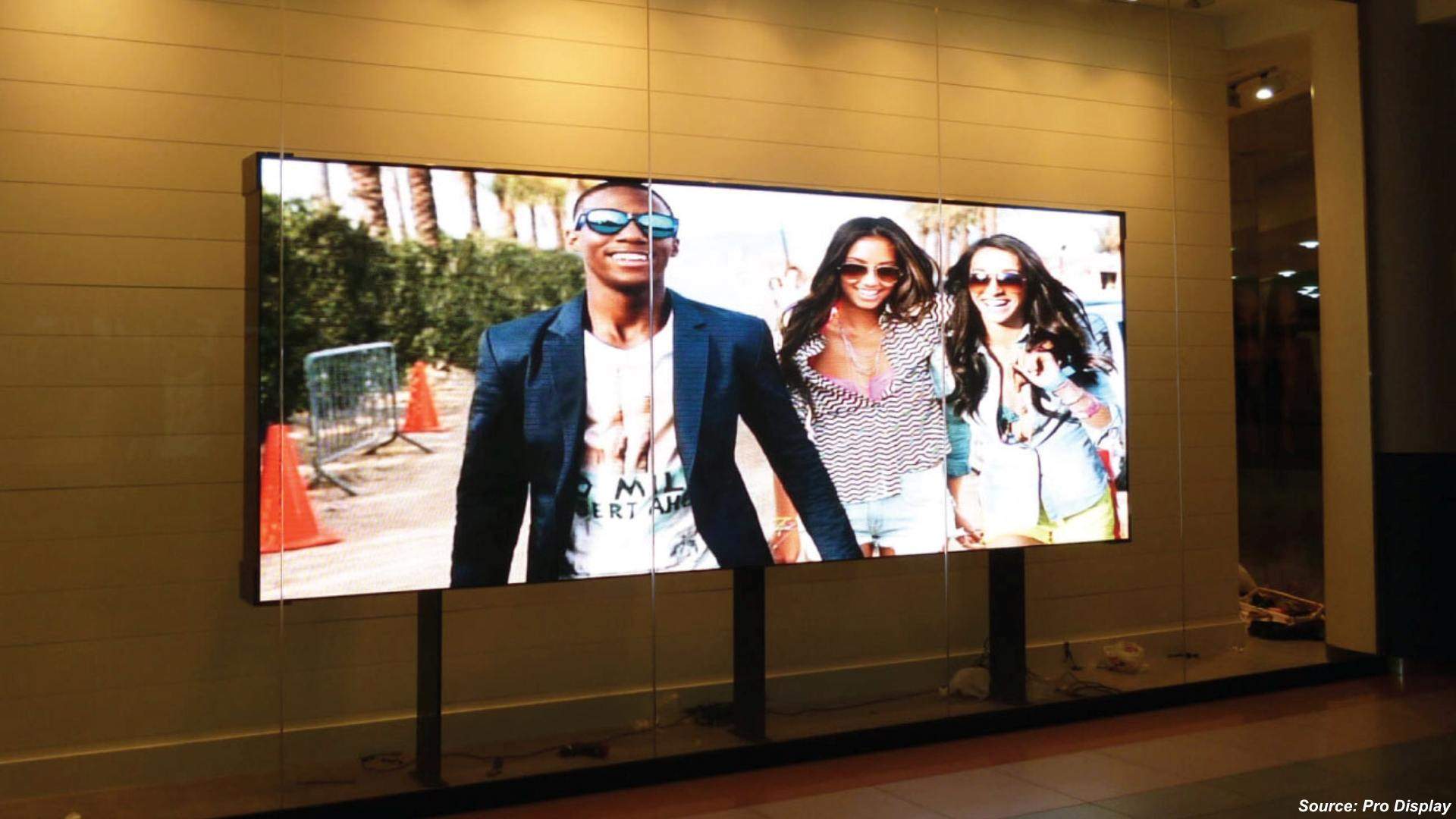
The LED display market is undergoing a noticeable transformation, driven by the demand for immersive visual experiences and intelligent display systems. Recent innovations indicate that the industry is no longer limited to traditional signage or television screens. Instead, it is expanding into high-performance environments such as cinemas and smart retail spaces.
Two notable developments from 2025–2026 clearly demonstrate this shift. One is Samsung’s introduction of a cinema LED display, while the other is the unveiling of smart transparent LED solutions by Pixelstar and Dahua. These advancements highlight how LED displays are becoming more interactive, versatile, and integrated into modern infrastructure.
How Is Cinema LED Technology Transforming the LED Display Market?
Samsung’s debut of the world’s first cinema LED display represents a significant shift in how visual content is delivered in theaters. Unlike traditional projection systems, this technology eliminates the need for projectors entirely, offering a more direct and consistent display method.
The cinema LED display delivers high brightness levels and enhanced contrast, ensuring that visuals remain sharp and vibrant even in environments with ambient light. It also supports high dynamic range (HDR), which improves color accuracy and depth, resulting in a more immersive viewing experience. According to Samsung Newsroom, the display ensures uniform picture quality across the entire screen, addressing inconsistencies often found in projector-based systems
From a market perspective, this innovation is particularly important because it introduces a new premium segment within the entertainment industry. Cinema operators can now offer enhanced viewing experiences, which may justify higher ticket pricing and attract a broader audience seeking high-quality visuals.
Are Smart Transparent LED Displays the Future of Advertising and Retail?
The introduction of smart transparent LED displays by Pixelstar and Dahua at DDX Asia 2026 marks another important development in the LED display market. These displays combine high-resolution visuals with transparency, allowing users to see through the screen while still displaying digital content.
This dual functionality makes them particularly valuable for retail and advertising applications. Businesses can maintain the aesthetic and openness of physical spaces while simultaneously delivering engaging digital content. According to Media4Growth, these solutions are designed for retail, advertising, and architectural use cases, highlighting their versatility.
From a market standpoint, this innovation enhances how brands interact with customers. Instead of static advertisements, businesses can now deploy dynamic, context-aware displays that blend seamlessly into real-world environments. This creates a more engaging and modern customer experience.
What Key Trends Are Emerging in the LED Display Market?
The LED display market is increasingly being shaped by a combination of immersive technology and intelligent design. One of the most prominent trends is the shift toward immersive experiences, as seen in cinema LED displays that offer superior brightness and HDR capabilities. These features enhance realism and elevate user engagement.
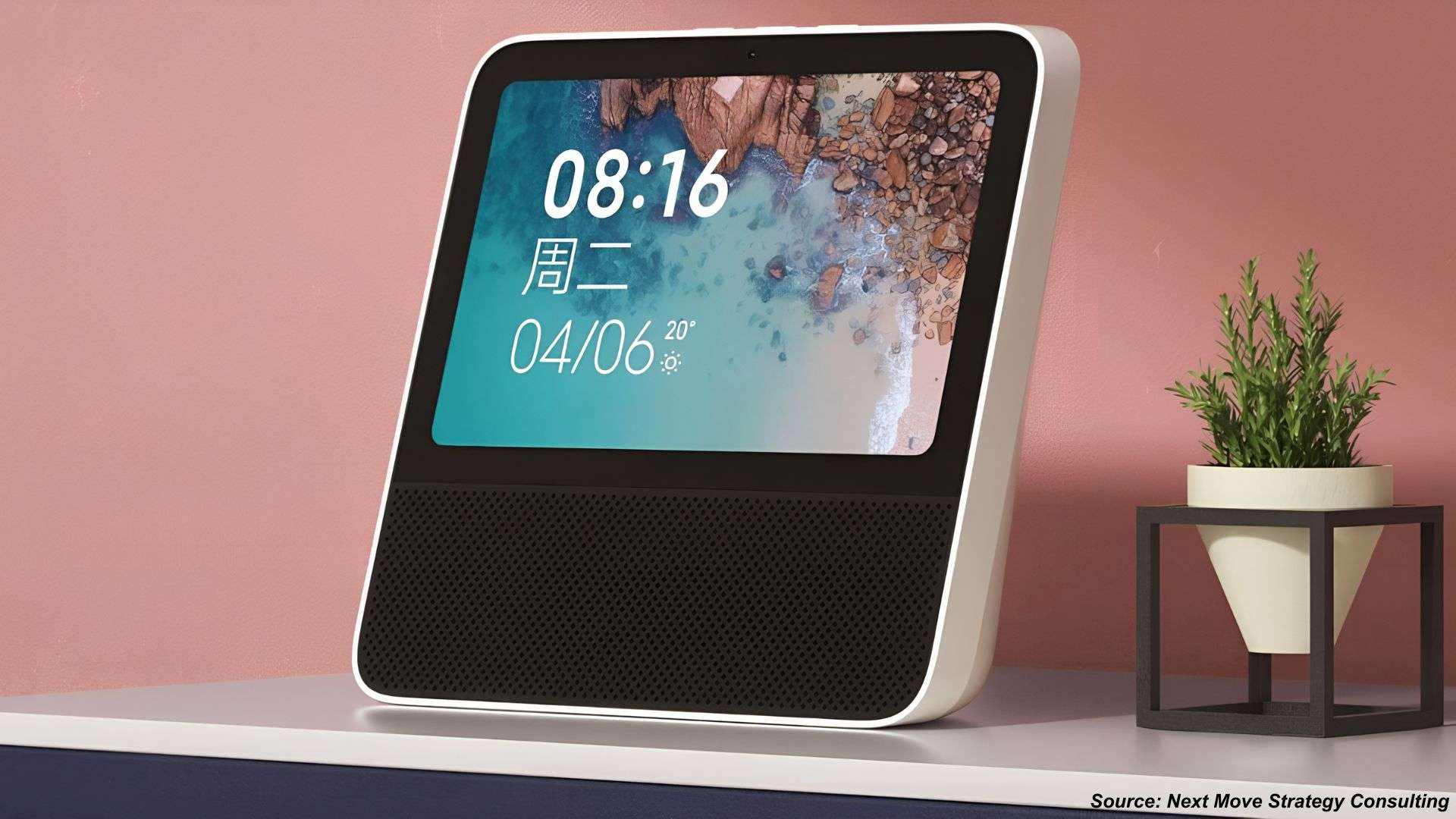
Another significant trend is the rise of smart display ecosystems. Modern LED displays are no longer standalone devices; they are integrated with digital systems that enable real-time content updates and interactive features. This transformation is making displays more responsive to user behavior and environmental conditions.
Additionally, the expansion of LED applications into new sectors such as retail, architecture, and entertainment is driving market growth. Transparent displays and cinema LED solutions illustrate how the technology is being adapted for diverse use cases.
|
Stakeholder |
Impact |
|
Manufacturers |
Need for continuous innovation |
|
Retailers |
Enhanced customer engagement opportunities |
|
Cinema operators |
Premium viewing experiences |
|
Advertisers |
More dynamic and interactive campaigns |
How Are These Innovations Shaping Market Growth Opportunities?
The recent developments indicate a broader transformation in the LED display market, where value is increasingly defined by experience rather than hardware alone. Companies are focusing on delivering visually engaging and interactive solutions that enhance user satisfaction.
At the same time, displays are becoming more intelligent, incorporating features that allow for real-time adaptability and integration with digital platforms. This shift is enabling businesses to use LED displays as strategic tools for communication and engagement rather than simple visual outputs.
Furthermore, the scalability of these technologies is opening new opportunities across multiple industries. From premium cinema experiences to smart retail environments, the range of applications continues to expand, creating new revenue streams and competitive advantages for market players.
What Do These Developments Mean for Stakeholders?
For manufacturers, these advancements emphasize the need for continuous innovation and differentiation. Companies must invest in research and development to stay competitive in a rapidly evolving market.
Retailers and advertisers benefit from enhanced customer engagement, as smart and transparent displays enable more interactive and visually appealing campaigns. Cinema operators, on the other hand, gain the ability to offer premium experiences that can attract audiences and increase revenue.
Overall, these innovations create a more competitive and opportunity-rich environment for all stakeholders involved.
Major Key Players of the Industry
The LED display market comprises several prominent players, including Leyard Optoelectronic Co., Ltd., Unilumin Group Co., Ltd., Samsung Electronics Co., Ltd., LG Electronics Inc., Sony Corporation, Cree, Inc., Absen Optoelectronic Co., Ltd., Liantronics Co., Ltd., Nichia Corporation, and Barco NV. These companies are actively adopting strategies such as product innovation, technological advancement, and strategic collaborations to strengthen their market presence and sustain competitive advantage in the global LED display industry.
For example, in January 2024, Samsung Electronics Co., Ltd. introduced its latest lineup of QLED, MICRO LED, OLED, and Lifestyle displays, incorporating advanced AI processors to enhance display intelligence and performance. Earlier, in September 2023, Sony Corporation launched the VERONA series of Crystal LED displays, specifically designed for virtual production, featuring Deep Black and Anti-Reflection Surface Technology along with improved energy efficiency. Additionally, in August 2023, LG Electronics Inc. unveiled the LG MAGNIT All-in-One Micro LED signage solution, offering seamless integration with webOS, compatibility with AV control systems, and simplified installation, making it well-suited for corporate environments.
What Is the NMSC Perspective on the Evolving LED Display Market?
From a Next Move Strategy Consulting (NMSC) perspective, the LED Display Market is undergoing a fundamental transformation, shifting from a hardware-centric industry to one driven by immersive and experience-based solutions. Innovations such as cinema LED displays introduced by Samsung Electronics Co., Ltd. reflect how visual technologies are being redefined to deliver superior performance, consistency, and engagement. This evolution is expected to create a premium segment within the market, where enhanced viewing experiences can justify higher investments and pricing models, particularly in the entertainment sector.
At the same time, the emergence of smart transparent LED solutions by Pixelstar and Dahua highlights the growing integration of digital displays into real-world environments such as retail and architecture. These advancements indicate a rising demand for flexible, intelligent, and application-specific display systems that go beyond traditional usage. NMSC identifies this trend as a key growth driver, with companies increasingly focusing on innovation, customization, and smart capabilities to remain competitive. As a result, the market is likely to witness stronger adoption across diverse industries, supported by the need for interactive and visually engaging communication tools.
What Should Be Your Next Steps in This Evolving Market?
-
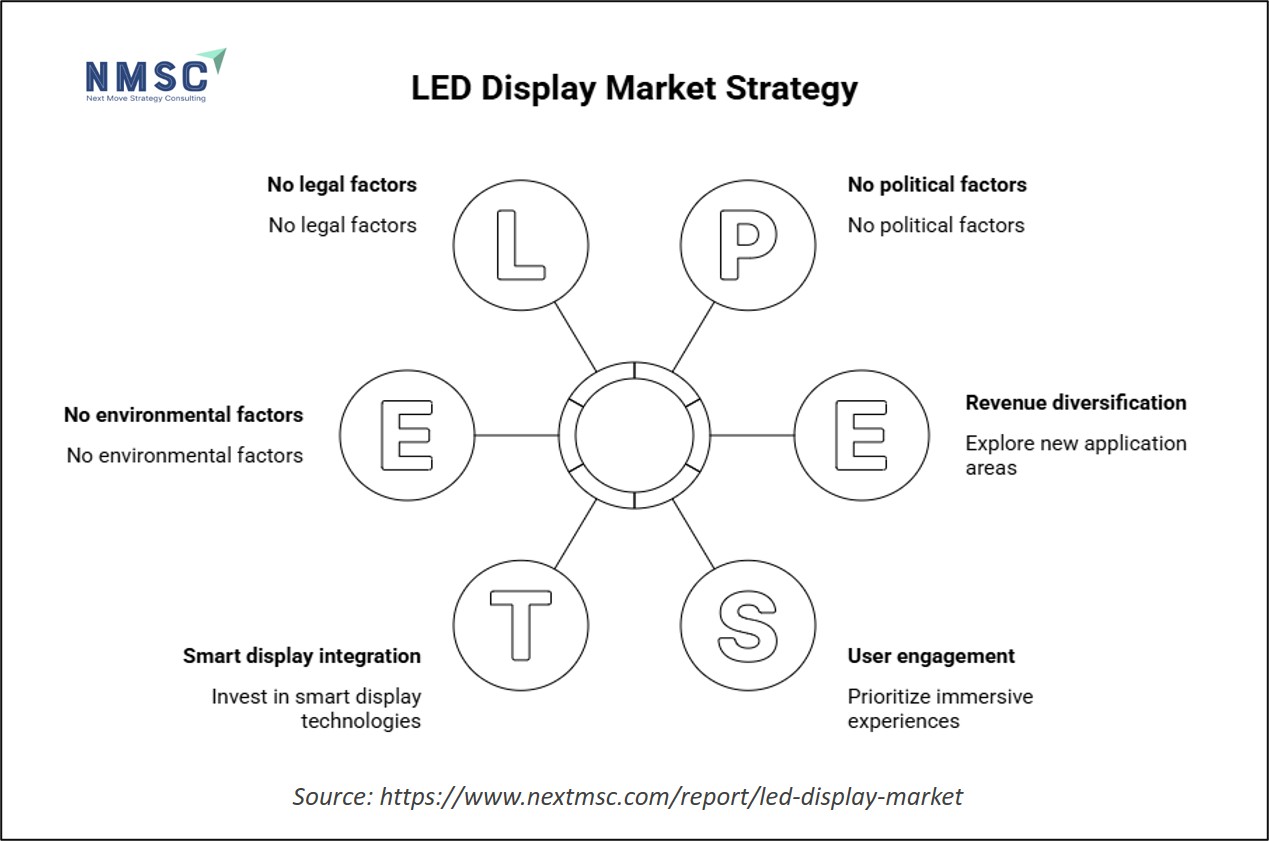
Invest in smart display technologies: Focus on LED solutions that integrate intelligent features such as real-time content updates and interactive capabilities to stay competitive.
-
Explore emerging application areas: Evaluate opportunities in cinema LED displays and transparent retail screens to diversify revenue streams and enter high-growth segments.
-
Prioritize immersive user experiences: Adopt display technologies that enhance visual quality, such as HDR and high brightness, to improve customer engagement and satisfaction.
-
Track innovation and industry developments: Continuously monitor advancements like cinema LED and transparent displays to make informed strategic decisions.
-
Adopt customization and flexibility: Develop tailored LED solutions that meet specific industry needs, whether in retail, entertainment, or architectural applications.
About the Author
 Sanyukta Deb
— Sanyukta Deb is Digital Marketing Team Lead at Next Move Strategy Consulting, where she has led content strategy and technical SEO for the firm's B2B market research publications for over 2 years. Her editorial process translates NextMSC's primary and secondary research — spanning technology, industrial, and consumer sectors — into commercial narratives, backed by search-intent, keyword, and competitive analysis. She brings 5 years of overall experience in digital marketing and content strategy.
Sanyukta Deb
— Sanyukta Deb is Digital Marketing Team Lead at Next Move Strategy Consulting, where she has led content strategy and technical SEO for the firm's B2B market research publications for over 2 years. Her editorial process translates NextMSC's primary and secondary research — spanning technology, industrial, and consumer sectors — into commercial narratives, backed by search-intent, keyword, and competitive analysis. She brings 5 years of overall experience in digital marketing and content strategy.
About the Reviewer
 Debashree Dey
— Debashree Dey is Assistant Manager at Next Move Strategy Consulting, where she supports cross-vertical market content and communications across diverse industries for 6 years. Her professional background includes senior content writing, communications, and published manuscript authorship, with experience developing audience-focused business narratives and maintaining clear, consistent messaging. Her role supports research-led content development and editorial quality across NextMSC publications.
Debashree Dey
— Debashree Dey is Assistant Manager at Next Move Strategy Consulting, where she supports cross-vertical market content and communications across diverse industries for 6 years. Her professional background includes senior content writing, communications, and published manuscript authorship, with experience developing audience-focused business narratives and maintaining clear, consistent messaging. Her role supports research-led content development and editorial quality across NextMSC publications.
















Add Comment