Military Computer Market Advances with AI and Rugged Systems

Defense operations today rely heavily on computing infrastructure to support cybersecurity, communications, intelligence processing, and battlefield coordination. Military computers serve as the backbone of digital defense ecosystems, enabling armed forces to analyze threats, manage operations, and maintain operational continuity in complex environments. As modern warfare increasingly shifts toward digital and electronic domains, computing systems are becoming as essential as traditional defense equipment.
Based on our ongoing defense technology analysis and primary research, Next Move Strategy Consulting observes that military computing infrastructure is rapidly evolving from basic processing systems to intelligent, mission-critical platforms. This transformation is enhancing operational efficiency, cybersecurity resilience, and defense readiness globally.
AI-Powered Military Computers Are Strengthening Cyber Warfare Capabilities
Artificial intelligence integration into military computing systems represents one of the most significant technological advancements in defense. AI-powered military computers enable faster data processing, automated threat detection, and improved cybersecurity operations.
According to Bloomberg, a cyber warfare startup secured contracts to provide artificial intelligence tools to United States military hackers, enabling them to identify vulnerabilities faster and enhance cyber warfare capabilities.
Artificial intelligence also enhances situational awareness by enabling military systems to analyze vast amounts of data in real time. This improves operational coordination and strengthens overall defense cybersecurity infrastructure.
Our analysis indicates that artificial intelligence integration into military computer systems significantly improves cyber defense capabilities. By enabling faster threat detection and automated cyber analysis, these systems enhance military cybersecurity preparedness and reduce operational vulnerabilities in increasingly complex digital warfare environments.
Rugged Military Computer Systems Ensure Reliable Battlefield Operations
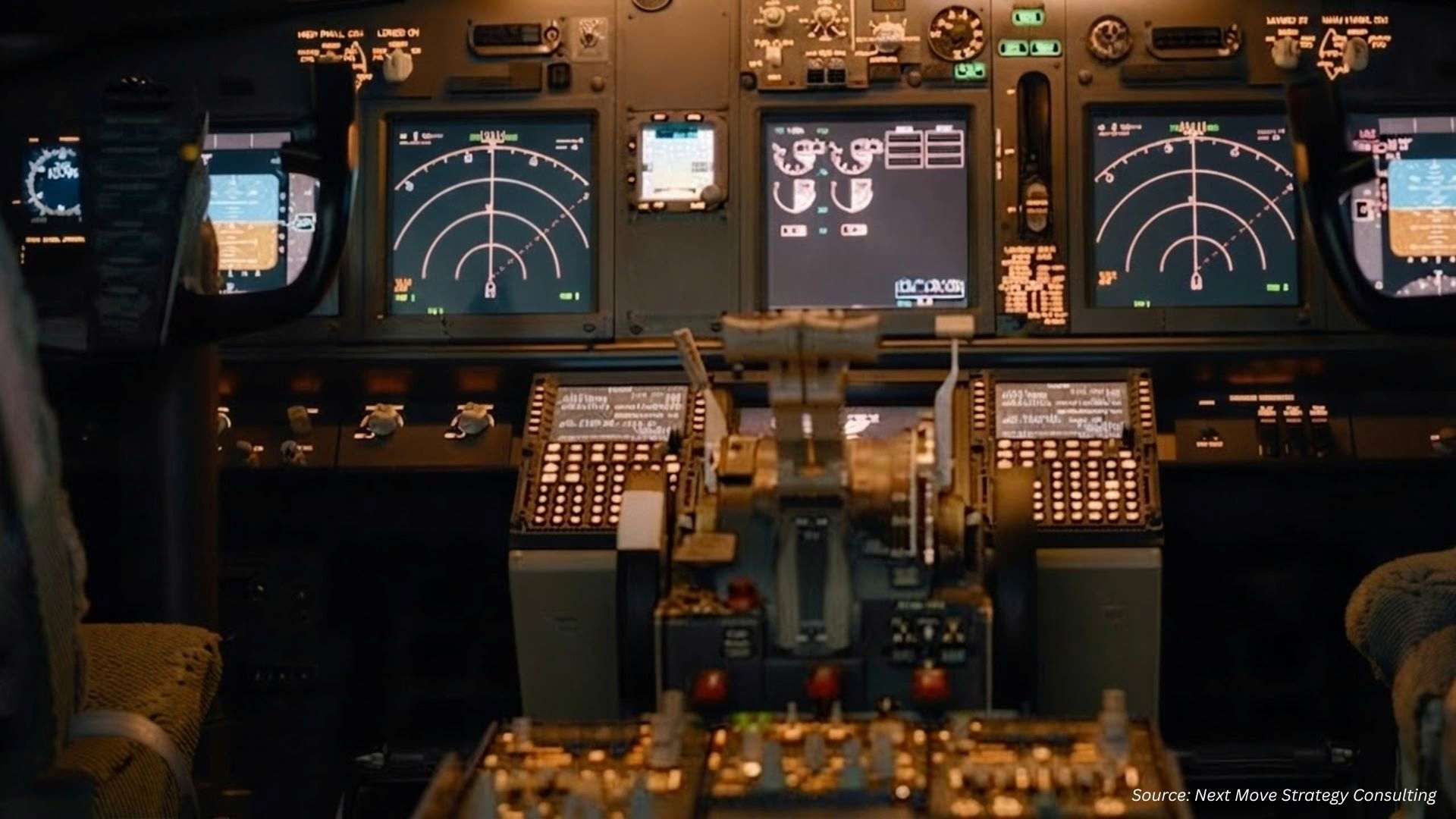
Military computers must function reliably in extreme environments, including high temperatures, shock, vibration, and dust. Conventional commercial computing systems cannot withstand these conditions, making rugged military computers essential for mission-critical operations.
According to Electronics Weekly, a newly introduced rugged military computer platform offers extensive input and output connectivity, enabling integration with multiple defense systems while maintaining reliable operation in demanding environments.
Reliable computing infrastructure is essential for maintaining communication networks, processing intelligence data, and supporting command and control functions. Rugged military computers ensure these systems remain operational even under extreme battlefield conditions.
Based on our defense infrastructure research, Next Move Strategy Consulting identifies rugged computing as a foundational requirement for modern military operations. Reliable and durable computing platforms ensure operational continuity, improve mission success rates, and reduce risks associated with hardware failure in challenging environments.
Convergence of Artificial Intelligence and Rugged Hardware Is Reshaping Military Computing Infrastructure
The military computer market is evolving through the integration of artificial intelligence capabilities with rugged hardware systems. This convergence enables military computers to deliver both advanced analytical capabilities and reliable performance in harsh environments.
Artificial intelligence enables faster threat detection, automated analysis, and enhanced decision-making capabilities. At the same time, rugged hardware ensures these computing systems remain operational under extreme physical conditions. This combination creates resilient and intelligent military computing platforms capable of supporting modern defense operations.
Military computers now play a central role in command and control, intelligence analysis, cybersecurity operations, and battlefield coordination. These systems serve as the digital backbone of military infrastructure, supporting mission-critical functions across defense organizations.
Our primary research indicates that the convergence of artificial intelligence and rugged computing systems is transforming military computer infrastructure into intelligent operational platforms. This evolution strengthens military readiness, improves operational efficiency, and enhances overall defense system resilience.
Military Computer Market Developments Are Strengthening Defense Technology Modernization
Recent technological advancements demonstrate a clear shift toward modernized military computing systems. Artificial intelligence integration is strengthening cybersecurity capabilities, while rugged computing platforms are improving system reliability and operational performance.
These developments reflect broader defense modernization efforts focused on improving digital warfare readiness and operational efficiency. Military organizations are increasingly prioritizing advanced computing systems to address emerging cybersecurity threats and operational challenges.
Next Move Strategy Consulting observes that military computing systems are becoming a critical component of defense modernization strategies. Advanced computing technologies enhance cybersecurity capabilities, improve operational coordination, and support long-term defense infrastructure development.
Strategic Implications for Defense Technology Stakeholders
The evolution of military computing systems creates significant strategic implications for defense technology providers, system integrators, and military organizations. Artificial intelligence-enabled computing systems improve cybersecurity readiness, while rugged platforms ensure operational reliability.
Defense organizations must prioritize investment in advanced computing infrastructure to maintain operational effectiveness and technological superiority. Reliable and intelligent military computing systems will continue to play a central role in strengthening defense capabilities.
Technology providers that focus on artificial intelligence integration, rugged system development, and system interoperability will be better positioned to support future defense requirements.
Based on our defense technology expertise and industry monitoring, Next Move Strategy Consulting concludes that military computer systems will remain a critical pillar of defense infrastructure. Continued innovation in artificial intelligence and rugged computing will drive long-term growth and strengthen global defense capabilities.
Next Steps: Strategic Recommendations from Next Move Strategy Consulting
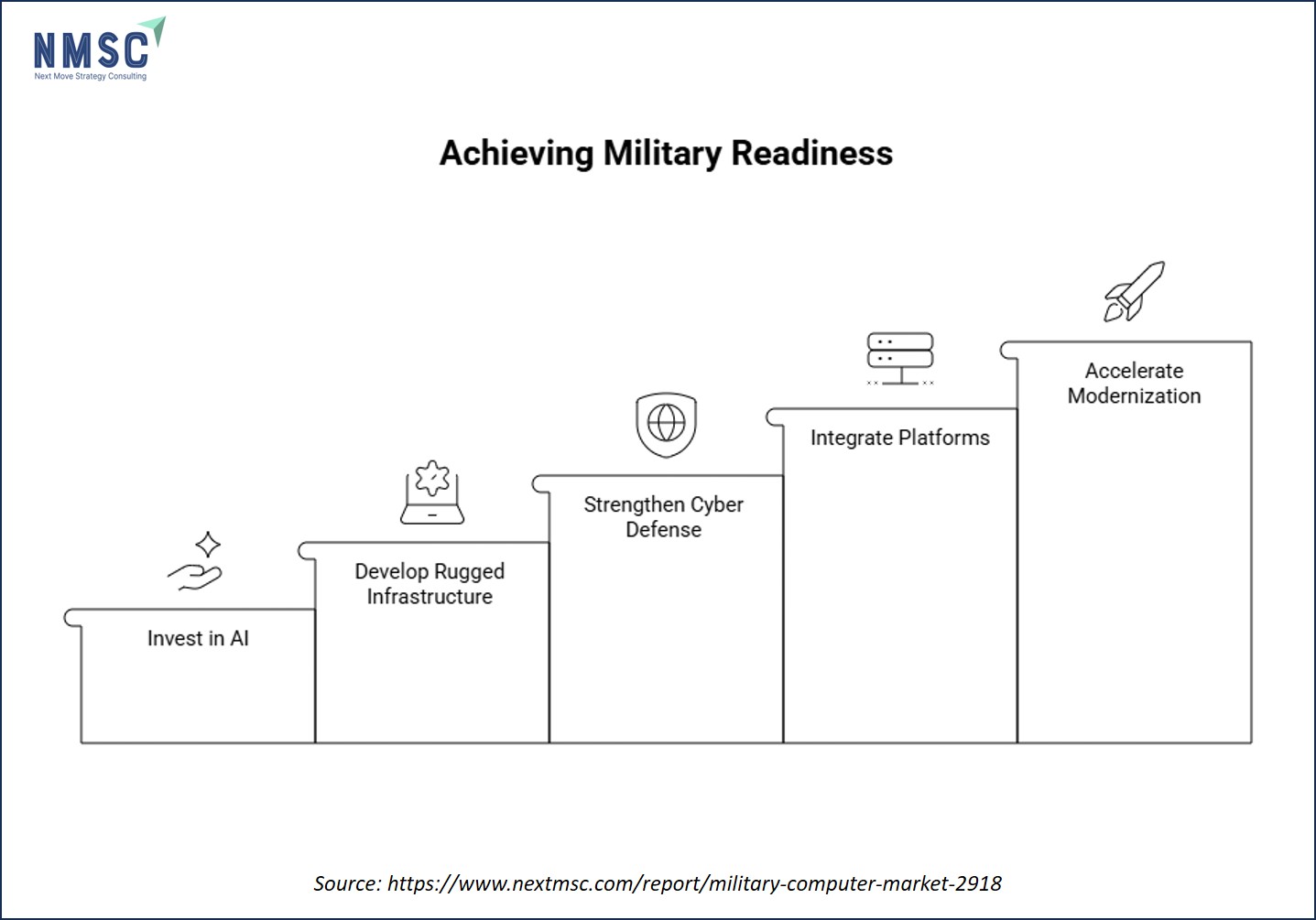
Based on our comprehensive industry analysis, we recommend the following strategic actions:
Invest in Artificial Intelligence-Enabled Military Computing Systems: Artificial intelligence improves cybersecurity capabilities and enhances operational efficiency.
Prioritize Development of Rugged Computing Infrastructure: Reliable hardware ensures uninterrupted performance in harsh military environments.
Strengthen Cyber Defense Computing Capabilities: Advanced computing systems enable faster threat detection and improved cyber response.
Support Integration Across Defense Platforms: Interoperable computing systems improve coordination and operational effectiveness.
Accelerate Defense Technology Modernization Efforts: Advanced computing infrastructure strengthens long-term military readiness.
Conclusion: Military Computers Are Becoming Essential to Modern Defense Infrastructure
Military computers are evolving into intelligent, rugged, and mission-critical systems that support modern defense operations. Artificial intelligence integration is enhancing cybersecurity capabilities, while rugged hardware ensures reliable performance in challenging environments.
These advancements demonstrate the growing importance of military computing systems in strengthening defense readiness and operational effectiveness. As defense organizations continue to modernize their infrastructure, military computers will play an increasingly important role in supporting cybersecurity, intelligence processing, and battlefield coordination.
At Next Move Strategy Consulting, our research confirms that military computer systems are becoming the digital foundation of modern defense infrastructure. Their continued evolution will play a critical role in enhancing global defense capabilities and ensuring operational readiness in an increasingly complex threat landscape.
About the Author
 Sanyukta Deb
— Sanyukta Deb is Digital Marketing Team Lead at Next Move Strategy Consulting, where she has led content strategy and technical SEO for the firm's B2B market research publications for over 2 years. Her editorial process translates NextMSC's primary and secondary research — spanning technology, industrial, and consumer sectors — into commercial narratives, backed by search-intent, keyword, and competitive analysis. She brings 5 years of overall experience in digital marketing and content strategy.
Sanyukta Deb
— Sanyukta Deb is Digital Marketing Team Lead at Next Move Strategy Consulting, where she has led content strategy and technical SEO for the firm's B2B market research publications for over 2 years. Her editorial process translates NextMSC's primary and secondary research — spanning technology, industrial, and consumer sectors — into commercial narratives, backed by search-intent, keyword, and competitive analysis. She brings 5 years of overall experience in digital marketing and content strategy.
About the Reviewer
 Debashree Dey
— Debashree Dey is Assistant Manager at Next Move Strategy Consulting, where she supports cross-vertical market content and communications across diverse industries for 6 years. Her professional background includes senior content writing, communications, and published manuscript authorship, with experience developing audience-focused business narratives and maintaining clear, consistent messaging. Her role supports research-led content development and editorial quality across NextMSC publications.
Debashree Dey
— Debashree Dey is Assistant Manager at Next Move Strategy Consulting, where she supports cross-vertical market content and communications across diverse industries for 6 years. Her professional background includes senior content writing, communications, and published manuscript authorship, with experience developing audience-focused business narratives and maintaining clear, consistent messaging. Her role supports research-led content development and editorial quality across NextMSC publications.
















Add Comment