Smart Railways in 2026: Intelligence Meets Infrastructure

Rail transport in 2025 is evolving beyond traditional modernization. The focus is now on intelligence, digital integration, and system-wide efficiency. Smart railways are no longer conceptual strategies discussed in policy documents. They are operational deployments backed by advanced rolling stock, digital infrastructure upgrades, and high-speed rail expansion projects.
Recent developments in China, Azerbaijan, and Morocco clearly illustrate how rail systems are becoming connected, data-driven, and strategically aligned with national transport goals.
Intelligent Rolling Stock: China’s New Standard for Smart Railways
In 2025, CRRC Corporation Limited introduced China’s first standard intelligent regional train.
According to the 2025 report, the train integrates intelligent control systems, advanced digital monitoring technologies, optimized energy management, and enhanced passenger service systems. These features collectively transform the train into an intelligent transport platform rather than a conventional carriage system.
The integration of real-time diagnostic monitoring allows operators to assess equipment performance continuously. This reduces manual inspection requirements and improves maintenance planning accuracy. Optimized energy management systems enhance efficiency by regulating power usage based on operational demands. Passenger information and service systems are also digitally enhanced, contributing to an improved onboard experience.
This development demonstrates that smart railways begin at the rolling stock level. Intelligence embedded within the train itself enables predictive maintenance, operational stability, and improved lifecycle management. The deployment signals a broader shift toward standardized intelligent regional rail platforms in China.
Digital Infrastructure Modernization in Azerbaijan
In 2025, Azerbaijan advanced its railway modernization strategy through infrastructure upgrades and digital transformation initiatives.
The report highlights Azerbaijan’s focus on improving operational reliability, strengthening safety systems, and enhancing overall efficiency across its rail network. Digital railway management systems are central to this transformation, enabling better coordination and oversight of rail operations.
Infrastructure modernization includes system upgrades designed to increase performance consistency and support regional connectivity goals. By adopting advanced control and monitoring technologies, Azerbaijan is aligning its railway infrastructure with modern digital standards. These improvements support the country’s strategic position within regional transport corridors.
The modernization effort reflects an understanding that smart railways are not defined solely by advanced trains. Intelligent infrastructure, integrated signaling, and digitally managed operations are equally essential. Azerbaijan’s approach underscores the importance of system-wide digital alignment in rail transformation.
High-Speed Smart Expansion in Morocco
In March 2025, Alstom announced it will supply 18 Avelia Horizon high-speed trains to Morocco as part of the country’s high-speed rail expansion.
The Avelia Horizon platform is designed to deliver high capacity, operational efficiency, and reduced operating costs. It represents a next-generation high-speed train model developed to optimize energy performance while maintaining advanced passenger comfort standards.
Morocco’s procurement of 18 trainsets signals continued investment in expanding and modernizing its high-speed rail network. High-speed rail systems require advanced control technologies, aerodynamic optimization, and energy-efficient propulsion systems. These elements are integral to the broader smart rail ecosystem.
By expanding its high-speed fleet with advanced train platforms, Morocco is reinforcing its commitment to modern rail infrastructure. The deployment aligns national expansion objectives with technological innovation and efficiency improvements.
The Emerging Architecture of Smart Railways
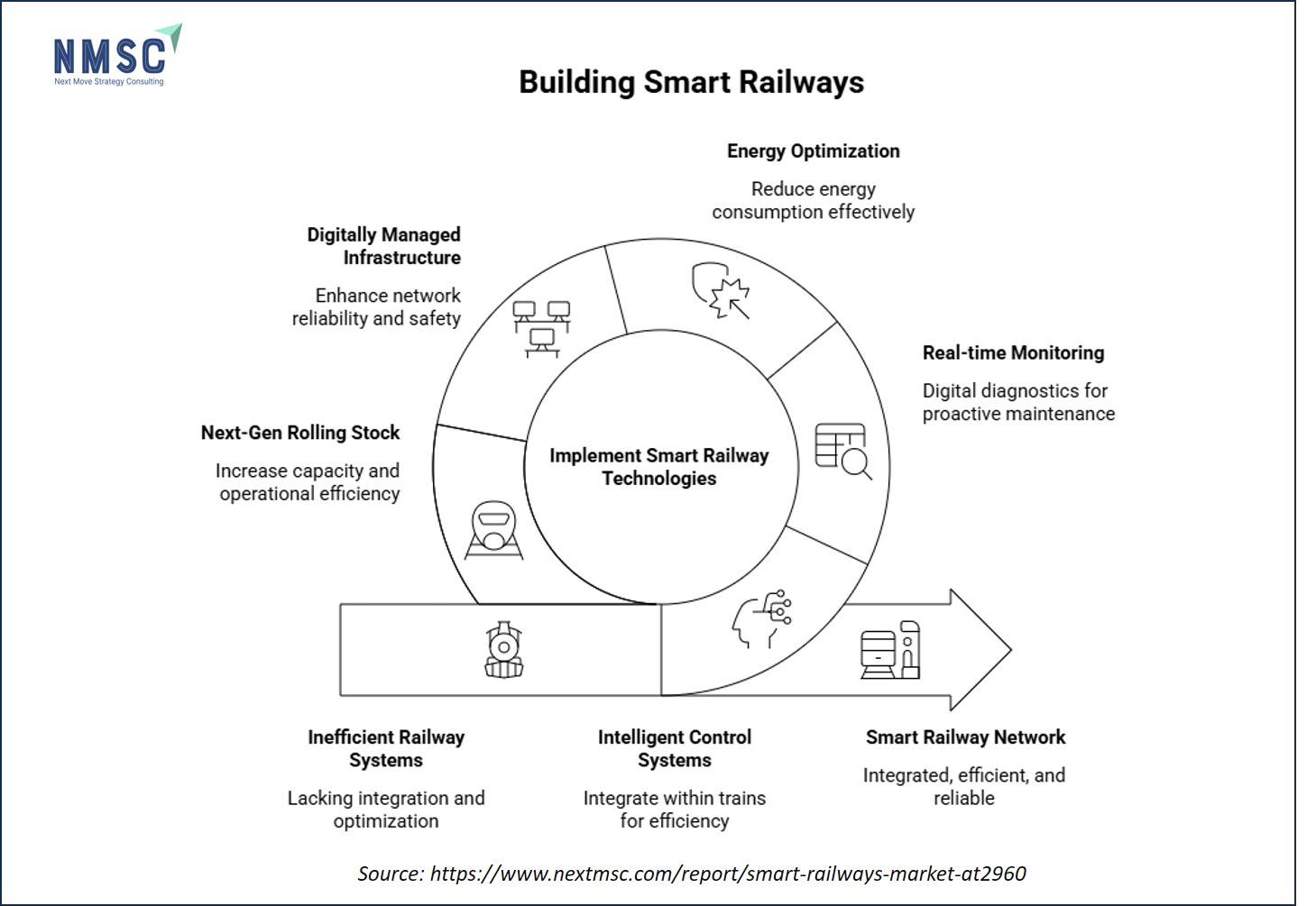
Across these three 2025 developments, a consistent pattern emerges. Smart railways are characterized by embedded intelligence in rolling stock, digitized infrastructure management, and large-scale deployment of advanced train platforms.
China’s intelligent regional train demonstrates how onboard systems can integrate digital diagnostics and energy optimization. Azerbaijan’s modernization strategy highlights the role of infrastructure digitization in enhancing network reliability and safety. Morocco’s high-speed expansion showcases how advanced train platforms contribute to capacity growth and operational efficiency.
The defining elements of smart railways in 2026 include:
-
Intelligent control systems integrated within trains
-
Real-time monitoring and digital diagnostics
-
Energy optimization technologies
-
Digitally managed infrastructure systems
-
Deployment of next-generation high-speed rolling stock
These are not isolated innovations. They represent coordinated advancements in rolling stock design, infrastructure modernization, and long-term strategic planning.
Next Steps: Strategic Considerations for Rail Stakeholders
Organizations involved in rail transport, infrastructure investment, or rolling stock procurement should consider several practical actions. Integrating intelligent monitoring systems into new train acquisitions can enhance reliability and reduce long-term maintenance costs. Infrastructure upgrades should align with digital management platforms to ensure system-wide compatibility. High-speed rail expansion strategies must prioritize energy efficiency and operational optimization.
A coordinated approach that links rolling stock intelligence, infrastructure modernization, and digital control systems will define competitive rail networks in the coming decade.
Smart railways are no longer aspirational concepts. They are measurable deployments driven by intelligent systems, digital infrastructure, and strategic high-speed expansion initiatives across multiple regions.
About the Author
 Sanyukta Deb
— Sanyukta Deb is Digital Marketing Team Lead at Next Move Strategy Consulting, where she has led content strategy and technical SEO for the firm's B2B market research publications for over 2 years. Her editorial process translates NextMSC's primary and secondary research — spanning technology, industrial, and consumer sectors — into commercial narratives, backed by search-intent, keyword, and competitive analysis. She brings 5 years of overall experience in digital marketing and content strategy.
Sanyukta Deb
— Sanyukta Deb is Digital Marketing Team Lead at Next Move Strategy Consulting, where she has led content strategy and technical SEO for the firm's B2B market research publications for over 2 years. Her editorial process translates NextMSC's primary and secondary research — spanning technology, industrial, and consumer sectors — into commercial narratives, backed by search-intent, keyword, and competitive analysis. She brings 5 years of overall experience in digital marketing and content strategy.
About the Reviewer
 Debashree Dey
— Debashree Dey is Assistant Manager at Next Move Strategy Consulting, where she supports cross-vertical market content and communications across diverse industries for 6 years. Her professional background includes senior content writing, communications, and published manuscript authorship, with experience developing audience-focused business narratives and maintaining clear, consistent messaging. Her role supports research-led content development and editorial quality across NextMSC publications.
Debashree Dey
— Debashree Dey is Assistant Manager at Next Move Strategy Consulting, where she supports cross-vertical market content and communications across diverse industries for 6 years. Her professional background includes senior content writing, communications, and published manuscript authorship, with experience developing audience-focused business narratives and maintaining clear, consistent messaging. Her role supports research-led content development and editorial quality across NextMSC publications.

















Add Comment