Teledentistry and Digital Follow-Ups: Dental in Tanjong Pagar
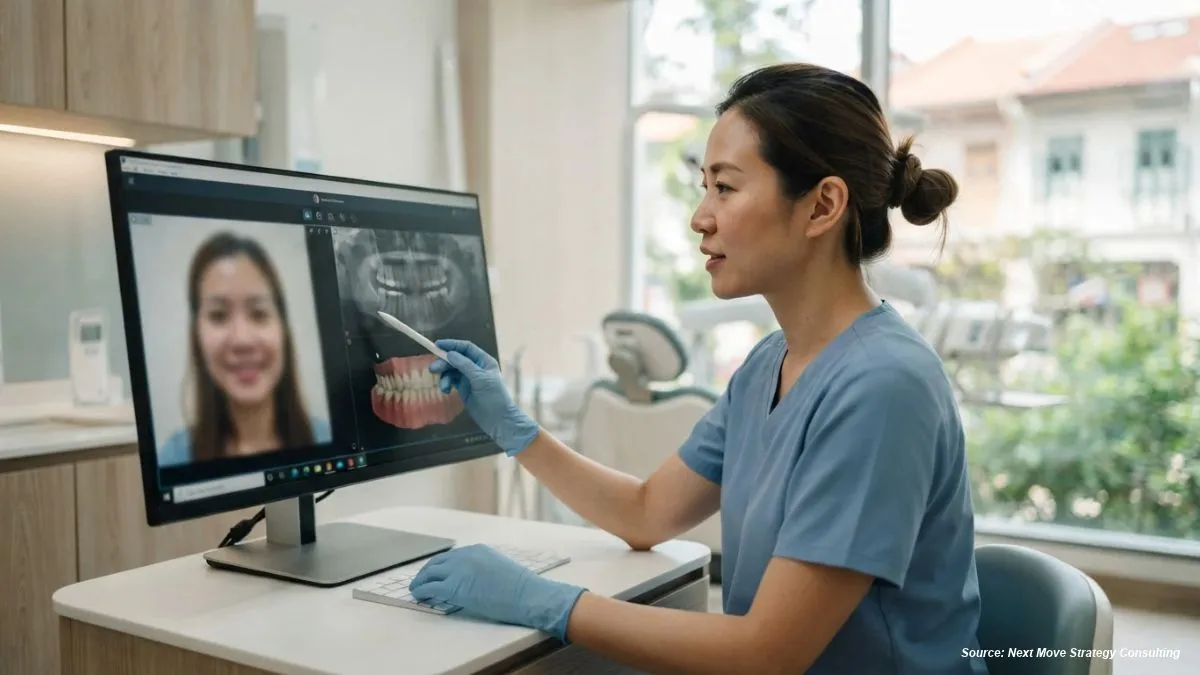
Dentistry no longer is as straightforward as simply going to the clinic. Digital communications, virtual appointments and remote monitoring are revolutionising how dental professionals interact with patients prior to, during and after treatment. These innovations are enabling patients to stay in the loop, adhere to their treatment plan and voice concerns without the need to pay repeated visits to the practice.
These developments offer an interesting view of how modern-day dentistry can fit into busy work schedules for dental in Tanjong Pagar. Tanjong Pagar is an industrial and professional hub for busy locals and visitors alike in the Central Business District of Singapore. Digital follow-ups can help encourage their dentists while keeping examinations or hands-on procedures as additional tools of communication for these patients.
What Is Modern Teledentistry?
Teledentistry refers to the application of digital communication systems within the framework of dental consultations, treatment education, monitoring, and post-treatment communication. Depending on the patient situation, information may be shared via secure messaging, sending images, video consultation and electronic charting.
Virtual visits are not intended to replace traditional dentistry. Instead, teledentistry provides a communication tool that complements physical exams and clinical procedures.
For example, a patient who has received a dental procedure may have questions regarding his or her recovery. In a similar minor case, the dental team may, if appropriate, be able to discuss symptoms or view photographs remotely rather than requiring another emergency attend to the clinic.
However, a dentist must know when remote assessment is unjustifiable. Digital images are not a substitute for diagnostic imaging or advice regarding gum problems and will often fail to detect cavities. There are still times when physical exams are needed when a patient's situation calls for a closer look.
The Dental Patient Experience: Advantages of Digital Follow-Ups
Why Follow-Up Is Crucial to Good Oral Health Days or weeks later, patients might forget the details about recovery or appoint dates, or they could hesitate to reveal telltale signs. Digital communication helps solve these lapses.
1. Communicate More Post-Treatment
Patients may have questions about pain, swelling, and oral health after procedures like tooth extractions, fillings, or gum treatment.
Another way to communicate these concerns to the dental team is through electronic follow-ups. Patients can be reminded of after-care instructions as well as when to return for another exam.
Open communication can also alert the dentist to the fact that a patient needs additional care instead of possibly ignoring important symptoms.
2. Better Management of Treatment
Certain dental treatments may call for multiple visits over time. For example, in orthodontic treatment, there is tooth movement that must be monitored and appliances that have to be in place.
Between visits, however, patients may also send digital photos and updates for additional information. Such updates can aid dentists in identifying issues that require an earlier in-person visit.
Of course, remote monitoring should not replace clinical monitoring of treatment progress.
3. Improved Appointment Scheduling
Missed appointments delay treatment and preventive care.
Digital appointments, e-appointment confirmations, and automated reminders can help patients stay on top of appointments. These systems can be especially beneficial for patients juggling work, family and multiple dental visits.
Although in Tanjong Pagar, working professionals may find it difficult to incorporate routine dental care in their busy week.
Digital Technology and the Rise of Teledentistry
They include technologies for digital dental communication and patient monitoring. Each has a specific role to play in the overall treatment process.
Video Consultations That Are Secure
Video appointments allow for live communication between dentists and patients. A dentist can use this to provide guidance on treatment or to voice concerns about recovery or if an in-office examination is necessary.
Video also enables patients to ask questions face-to-face instead of relying on written communication alone.
Electronic Dental Records
These are electronic records of treatment history, clinical notes, diagnostic results, and appointments.
These records, if well-maintained, can allow dental professionals to consult past procedures and assess current oral health needs of a patient.
Taking Pictures and Photographs
Photos are helpful in documenting changes you can see, such as broken appliances or swollen/irritated gums.
Clinical imaging technologies such as digital X-rays and intraoral scanning provide additional information during in-person visits. These technologies help with diagnosis and treatment planning but can't compare to, well, the rather boring photos sent in a remote call.
Dental Appointments vs. Virtual Follow-Ups
Some dental issues are better assessed in different ways. Patients need to understand when it is appropriate to communicate digitally and which decision will best fit their needs.
Here are some examples of the types of differences that both methods can assist:
-
Virtual follow-ups: Can be used for routine follow-up questions about returning to normal function, general aftercare information or scheduling further appointments if the dentist deems virtual communication appropriate.
-
Dentist exam: Necessary for checking teeth/gums, continuing pain or clinical assessments.
-
Office appointments: Required if X-rays, intraoral scanners, periodontal probing, etc. are needed to diagnose the condition.
-
Dental emergencies: Most important if you have significant swelling, severe pain, uncontrollable bleeding, dental injury, or concern for a dental infection that needs to be treated immediately in a clinical setting.
Don't hold off on treatment and wait for a remote chat. Patients who are severely symptomatic should be treated, not photographed or messaged.
Professionalism, Competence, and Patient Privacy in Singapore
Digital healthcare also raises considerable concerns regarding patient privacy, data security, and professional accountability.
Dental records can be sensitive and include information such as medical histories, diagnostic images, and information on treatments. Hence, clinics have to employ the appropriate systems to safeguard information on storage and transmission.
In Singapore, outpatient dental services are governed by the Healthcare Services Act 2020 and regulations promulgated thereunder. The Healthcare Services (Outpatient Dental Service) Regulations 2023 set out requirements for outpatient dental services, including some limitations in some areas pertaining to remote services.
The Singapore Dental Council Code of Ethics / Ethical Guidelines also refers to remote consultations. They distinguish between general informational provision to an anonymous person and ongoing treatment of a known patient (the relationship having been formed in person).
This is an important boundary, as a dentist may not be able to make all diagnoses adequately in an initial online encounter. For instance, the patient with complications or the new problem may need an in-person visit.
Patients should know how the clinic shares information about them, how they want to communicate, and if the remote follow-up is part of an official treatment deal.
Digital Follow-Ups in a Dental Tanjong Pagar Environment
Homes, workplaces, shops and public transport links combine in the Tanjong Pagar neighbourhood to make a lively place with a dental nuance to match.
Some patients will need regular preventative check-ups and others restorative work, orthodontic follow-up or chronic periodontics. These varying phases of treatment can be connected through digital communication.
For instance, an office worker undergoing orthodontic treatment may use digital updates to report an issue with an appliance between appointments. A patient who has undergone dental treatment may use a suitable channel to seek aftercare advice.
Also of note are some established dental providers in Tanjong Pagar such as Nuffield Dental (Tanjong Pagar link - at Guoco Tower). Treatment categories include general, restorative, cosmetic, and surgical. In all these areas of dentistry, despite the digital age of beckoning healthcare, good communication and follow-up care remain important.
A mix of technology and professional judgement. The electronic devices should facilitate communication but not at the expense of the quality of the examination, patient safety, or clinical standards.
Digital Dental Follow-Up: What Patients Should Think About
There are several things patients should consider before asking for something remotely and feeling confident.
First, they should ascertain what types of issues their dental provider can assess from a distance. A picture can show visible irritation but may not capture the underlying structures.
Second, patients should use provider-approved channels and methods to communicate. Using unsecure channels to send dental photography or health information can lead to unnecessary invasion of privacy for patients.
Finally, heed your dentist's advice about physical exams. Remote follow-ups offer best when used to supplement and not replace completion of a care plan along with a need for tight follow-ups.
The Rise of Connectivity in Dental Practices
Teledentistry and digital follow-ups offer different patient engagement with dentists. They offer convenient means of discussing recovery, the progress of the patient's chosen treatment, and scheduling appointments with continuity of care.
These technologies could help with busy schedules and to enhance dental information to the Tanjong Pagar community. But no amount of good clinical judgement and good communication can substitute for knowing when a physical examination is necessary.
Simply put, technology is best used as an adjunct to professional dental care. When used responsibly and coupled with regular checkups and preventative care, digital communication can help patients become more informed and consistent about their oral health.
About the Author
 Sanyukta Deb
— Sanyukta Deb is Digital Marketing Team Lead at Next Move Strategy Consulting, where she has led content strategy and technical SEO for the firm's B2B market research publications for over 2 years. Her editorial process translates NextMSC's primary and secondary research — spanning technology, industrial, and consumer sectors — into commercial narratives, backed by search-intent, keyword, and competitive analysis. She brings 5 years of overall experience in digital marketing and content strategy.
About the Reviewer
 Debashree Dey
— Debashree Dey is Assistant Manager at Next Move Strategy Consulting, where she supports cross-vertical market content and communications across diverse industries for 6 years. Her professional background includes senior content writing, communications, and published manuscript authorship, with experience developing audience-focused business narratives and maintaining clear, consistent messaging. Her role supports research-led content development and editorial quality across NextMSC publications.













Add Comment