Top 5 Technologies Shaping Africa’s Distributed Control System (DCS) Market

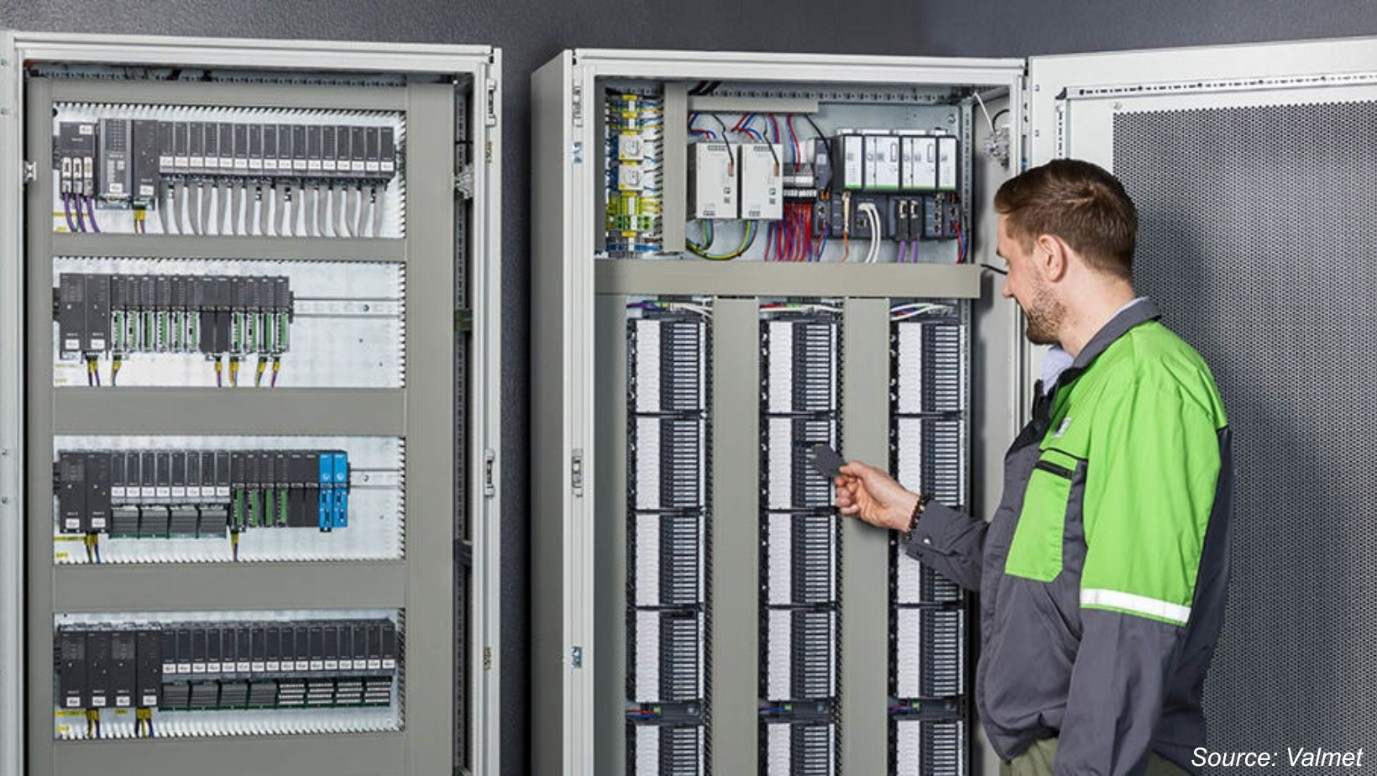
Distributed Control Systems (DCS) are advanced industrial automation solutions designed to monitor, manage, and optimize complex processes across sectors such as energy, oil and gas, chemicals, manufacturing, and water treatment. Unlike traditional centralized control systems, DCS distribute control functions across multiple controllers and nodes, offering enhanced reliability, scalability, and real-time operational insights. These systems are essential for maintaining precision, reducing downtime, and ensuring safety in critical industrial operations.
Africa’s industrial automation landscape is undergoing a remarkable transformation, with the DCS market playing a central role in optimizing and modernizing operations across industries such as oil and gas, power generation, chemicals, and manufacturing.
As the region accelerates its industrial and energy development, emerging technologies are redefining how industries monitor, control, and manage complex processes. Here are the top five technologies shaping the future of the Africa Distributed Control System (DCS) Market in 2025.
Integration of Artificial Intelligence (AI) and Machine Learning (ML)
AI and ML are revolutionizing DCS functionality by enabling predictive analytics, anomaly detection, and automated decision-making. African industries are increasingly leveraging AI-driven control systems to forecast equipment failures, optimize production schedules, and enhance operational efficiency.
In power generation, oil and gas, and manufacturing, AI-integrated DCS platforms provide real-time insights that improve process reliability, minimize unplanned downtime, and reduce maintenance costs—driving smarter, data-centric industrial ecosystems across Africa.
Expansion of Internet of Things (IoT)-Enabled Connectivity
The growing adoption of IoT-enabled sensors and devices is allowing African industries to build connected ecosystems that integrate field devices, control systems, and enterprise platforms. IoT technology empowers DCS frameworks with continuous data exchange, remote diagnostics, and real-time visibility of field operations. This is especially valuable in Africa’s geographically dispersed industries, such as mining, utilities, and energy, where IoT ensures effective remote monitoring and enhances system responsiveness.
Cloud-Based and Edge Computing Solutions
Cloud and edge computing technologies are reshaping the way industrial data is processed and utilized across DCS networks. In Africa, where industries often operate across vast and remote areas, cloud-based DCS architectures allow centralized monitoring, while edge computing ensures real-time control and decision-making at the plant level.
This hybrid model enhances operational agility, reduces latency, and enables predictive maintenance from virtually anywhere. Moreover, the rise of secure cloud infrastructures is increasing confidence among African enterprises to deploy scalable, cost-efficient DCS solutions.

Advanced Cybersecurity Frameworks Shapes Africa DCS Market Growth
Africa’s industrial systems become more connected, cybersecurity is becoming a key focus area for DCS operators. Modern DCS platforms are integrating multi-layered security architectures with AI-powered threat detection, real-time vulnerability monitoring, and network segmentation to safeguard critical infrastructure.
Given the continent’s growing investment in smart grids, oil refineries, and process industries, enhanced cybersecurity measures are crucial for maintaining system integrity, preventing disruptions, and ensuring compliance with emerging regulatory standards.
Digital Twins and Simulation Technologies
Digital twin technology virtual replicas of physical systems is rapidly emerging as a game-changer for African industries adopting DCS solutions. By creating a real-time digital mirror of industrial operations, digital twins enable predictive maintenance, process simulation, and performance optimization.
In regions where equipment accessibility and maintenance can be challenging, digital twins help engineers test process changes virtually, reduce downtime, and improve asset lifecycle management. As industries continue to digitize, the combination of DCS and digital twin technologies is driving a new era of operational intelligence across Africa.
Looking Ahead: The Future of Africa’s Distributed Control System Market
The convergence of AI, IoT, cloud computing, cybersecurity, and digital twin technologies is accelerating Africa’s transition toward smart, automated, and sustainable industrial systems. Supported by government infrastructure initiatives and private sector investments, these technologies are redefining DCS applications across power, oil and gas, manufacturing, and water treatment sectors. As African industries embrace digital transformation, DCS platforms will continue to evolve—serving as the backbone of resilient, data-driven, and intelligent industrial operations across the continent.
About the Author
 Bidhudhyoti Nag
— Bidhudhyoti Nag is a skilled market researcher known for delivering structured insights that support strategic decision-making. With strong analytical capabilities and a keen understanding of evolving market dynamics, he contributes to opportunity assessment, trend tracking, and insight-driven content development. He is passionate about translating research into clear narratives that inform business thinking and thought leadership. Outside of work, he enjoys sports, traveling, and exploring diverse cultures that broaden his global perspective.
Bidhudhyoti Nag
— Bidhudhyoti Nag is a skilled market researcher known for delivering structured insights that support strategic decision-making. With strong analytical capabilities and a keen understanding of evolving market dynamics, he contributes to opportunity assessment, trend tracking, and insight-driven content development. He is passionate about translating research into clear narratives that inform business thinking and thought leadership. Outside of work, he enjoys sports, traveling, and exploring diverse cultures that broaden his global perspective.
About the Reviewer
 Supradip Baul
— Supradip Baul is an accomplished business consultant and strategist with over a decade of rich experience in market intelligence, strategy, technology, and business transformation. His work has included rigorous qualitative and quantitative analysis across multiple industries, helping clients shape investment decisions and long-term roadmaps. Earlier in his career, he was associated with Gartner, where he contributed to industry-leading reports and market share analyses. He has worked with leading global companies and holds an MBA with a dual specialization in Marketing and Finance.
Supradip Baul
— Supradip Baul is an accomplished business consultant and strategist with over a decade of rich experience in market intelligence, strategy, technology, and business transformation. His work has included rigorous qualitative and quantitative analysis across multiple industries, helping clients shape investment decisions and long-term roadmaps. Earlier in his career, he was associated with Gartner, where he contributed to industry-leading reports and market share analyses. He has worked with leading global companies and holds an MBA with a dual specialization in Marketing and Finance.

















Add Comment