Top 5 Trends Driving Australia’s Distributed Control System Market in 2025
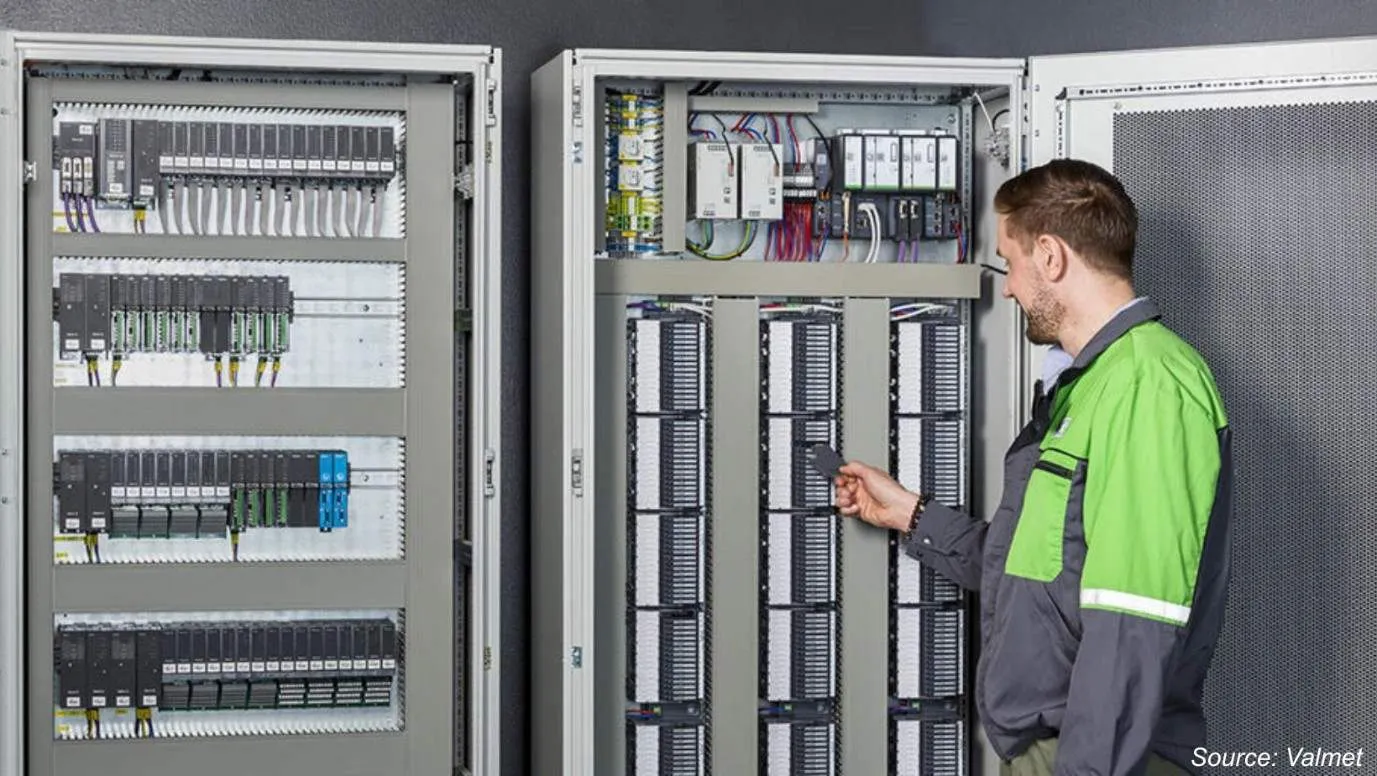
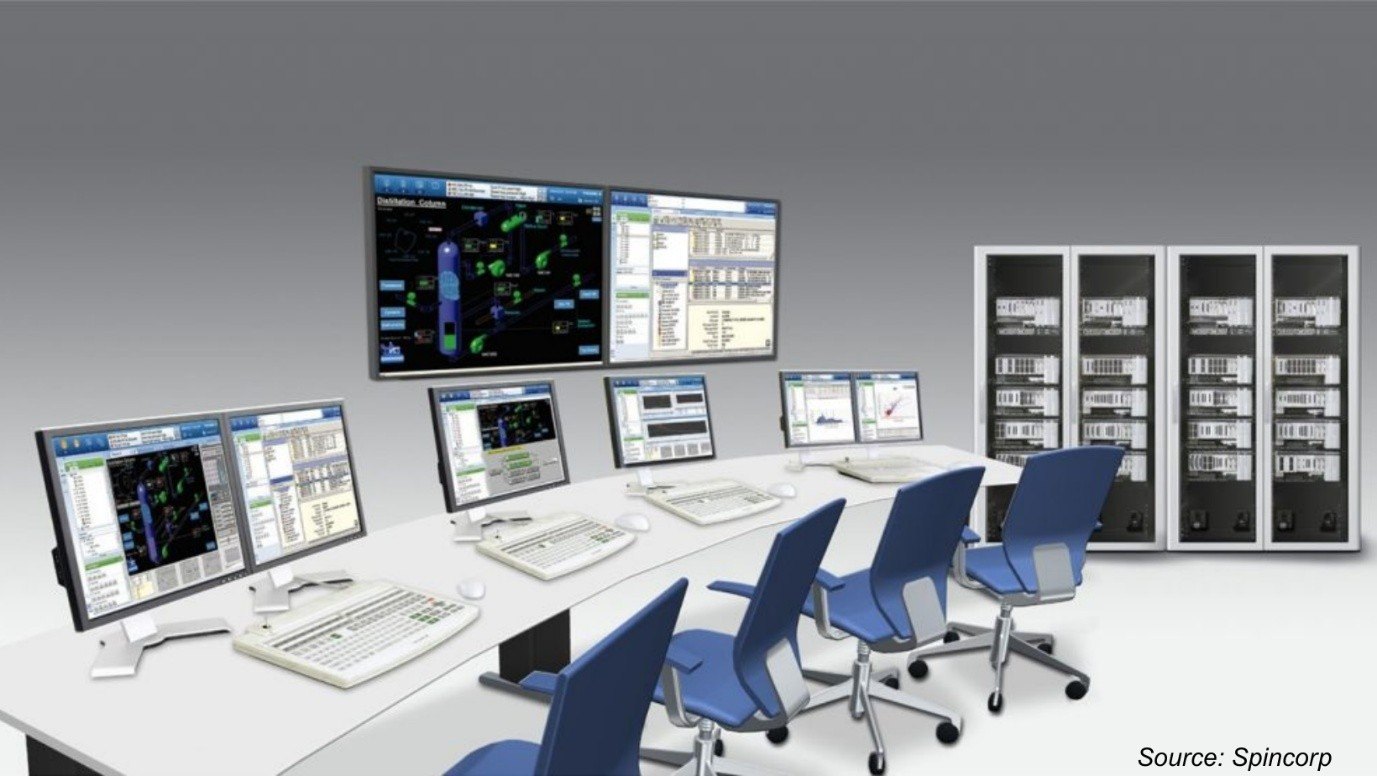
Distributed Control Systems (DCS) are sophisticated industrial control solutions that monitor, manage, and optimize complex processes across sectors such as power generation, oil and gas, chemicals, and manufacturing. Unlike traditional centralized systems, DCS distribute control functions across multiple controllers and nodes, offering enhanced reliability, scalability, and real-time operational insights. These systems are vital for ensuring precision, minimizing downtime, and maintaining safety in critical industrial operations.
In Australia’s dynamic industrial landscape, DCS have become indispensable, reshaping how facilities operate. The market is increasingly driven by technologies such as the Internet of Things (IoT), Artificial Intelligence (AI), cloud computing, robotics, big data analytics, and 5G connectivity. In this blog, we will explore the top trends shaping Australia DCS market, highlighting how these innovations are transforming industrial operations into smarter, more efficient, and predictive systems.
Curious about the Australia Distributed Control System Market Report? Grab a FREE Sample Now!
Government Support for Digital Transformation.
The Australian Government’s focus on digital transformation is laying a strong foundation for the widespread adoption of advanced Distributed Control Systems across industries. Initiatives like the National AI Capability Plan aim to harness artificial intelligence to boost economic growth and support local industries, enabling facilities to integrate smarter, AI-driven control solutions. Additionally, the Policy for the Responsible Use of AI in Government provides guidelines for ethical and safe AI deployment, encouraging companies to implement automation technologies responsibly. Collectively, these programs are stimulating investment in sophisticated DCS platforms, helping Australian industries improve operational efficiency, enhance process safety, and adopt predictive, data-driven decision-making.
Integration of Distributed Energy Resources (DER)
With the increasing integration of distributed energy resources into Australia’s national grid, initiatives like the Distributed Energy Integration Program (DEIP) and the Rewiring the Nation initiative are modernizing energy infrastructure. Managing decentralized and variable energy sources requires sophisticated control systems, directly driving demand for advanced DCS platforms. By providing real-time monitoring, predictive management, and seamless coordination across energy networks, DCS solutions are essential for ensuring reliability, stability, and efficiency in Australia’s evolving energy landscape.
Implementation of Industry 4.0 Technologies
As Australian industries embrace Industry 4.0 technologies—such as real-time energy management, logistics optimization, and smart supply chain operations—the need for advanced Distributed Control Systems has grown significantly. These intelligent platforms serve as the backbone of modern manufacturing, enabling seamless monitoring, control, and optimization of complex processes. By supporting enhanced efficiency, reliability, and data-driven decision-making, DCS solutions are playing a critical role in accelerating Industry 4.0 adoption across Australia’s industrial sectors.
Focus on Sustainability and Environmental Compliance
Sustainability and regulatory compliance are becoming central to industrial operations in Australia. DCS platforms help companies monitor emissions, optimize energy consumption, and reduce environmental impact, supporting adherence to strict environmental standards. By enabling real-time tracking of environmental metrics and predictive management of resources, DCS solutions empower industries to achieve sustainability goals while maintaining operational efficiency and cost-effectiveness.
Increased Adoption of Cloud-Based and Remote DCS Solutions
The shift toward cloud-enabled and remotely managed DCS architectures is transforming how Australian industries approach process automation. With geographically dispersed operations in sectors like mining, oil and gas, and utilities, remote monitoring and control capabilities have become essential. Cloud-based DCS systems allow real-time data sharing, predictive maintenance, and centralized decision-making from any location, significantly reducing downtime and operational costs. Furthermore, as cybersecurity frameworks strengthen under initiatives such as the Australian Cyber Security Strategy 2030, industries are gaining confidence in deploying secure, scalable, and flexible DCS solutions in hybrid or fully cloud environments. This trend is redefining industrial automation, making it more adaptive, connected, and resilient.
Looking Ahead: The Future of Australia’s Distributed Control System Market
Australia’s Distributed Control System (DCS) market is evolving rapidly, driven by technological innovation, government initiatives, and the growing adoption of Industry 4.0 practices. Trends such as digital transformation, integration of robotics and automation, deployment of smart energy solutions, and the expansion of predictive, data-driven operations are reshaping industrial processes across power generation, chemicals, manufacturing, and oil and gas sectors. These developments are enabling industries to achieve higher efficiency, improved safety, and sustainable operational practices.
Looking ahead, the market is poised for strong growth as DCS platforms continue to evolve into fully intelligent, interconnected, and adaptive systems. Emerging technologies such as artificial intelligence (AI), the Internet of Things (IoT), cloud computing, advanced analytics, and robotics will increasingly be integrated into DCS platforms, enabling predictive maintenance, real-time optimization, and proactive operational management. Government support for Industry 4.0 adoption, renewable energy integration, and automation will further accelerate market expansion.
Thus, Distributed Control Systems are set to become a cornerstone of Australia’s industrial landscape, driving smarter, safer, and more efficient operations. As industries increasingly embrace digitalization and automation, DCS platforms will play a pivotal role in shaping the future of industrial innovation, operational resilience, and sustainable growth.
About the Author
 Jayanta Das
— Jayanta Das is Senior Analyst at Next Move Strategy Consulting, where he has spent 4.5 years covering the firm's full industry taxonomy — spanning aerospace and defense, healthcare, BFSI, energy and power, semiconductors, and beyond — rather than one specialization. His work follows NextMSC's research model, combining data mining, analytics, and secondary research to build market sizing and forecasts behind NextMSC's 2,000-plus research reports, trusted by more than 3,000 organizations globally.
Jayanta Das
— Jayanta Das is Senior Analyst at Next Move Strategy Consulting, where he has spent 4.5 years covering the firm's full industry taxonomy — spanning aerospace and defense, healthcare, BFSI, energy and power, semiconductors, and beyond — rather than one specialization. His work follows NextMSC's research model, combining data mining, analytics, and secondary research to build market sizing and forecasts behind NextMSC's 2,000-plus research reports, trusted by more than 3,000 organizations globally.
About the Reviewer
 Supradip Baul
— Supradip Baul is an accomplished business consultant and strategist with over a decade of rich experience in market intelligence, strategy, technology, and business transformation. His work has included rigorous qualitative and quantitative analysis across multiple industries, helping clients shape investment decisions and long-term roadmaps. Earlier in his career, he was associated with Gartner, where he contributed to industry-leading reports and market share analyses. He has worked with leading global companies and holds an MBA with a dual specialization in Marketing and Finance.
Supradip Baul
— Supradip Baul is an accomplished business consultant and strategist with over a decade of rich experience in market intelligence, strategy, technology, and business transformation. His work has included rigorous qualitative and quantitative analysis across multiple industries, helping clients shape investment decisions and long-term roadmaps. Earlier in his career, he was associated with Gartner, where he contributed to industry-leading reports and market share analyses. He has worked with leading global companies and holds an MBA with a dual specialization in Marketing and Finance.
















Add Comment