Ultra-Fast Charging Expansion and Energy Ecosystem Integration Are Redefining the EV Charge Point Operator (CPO) Market
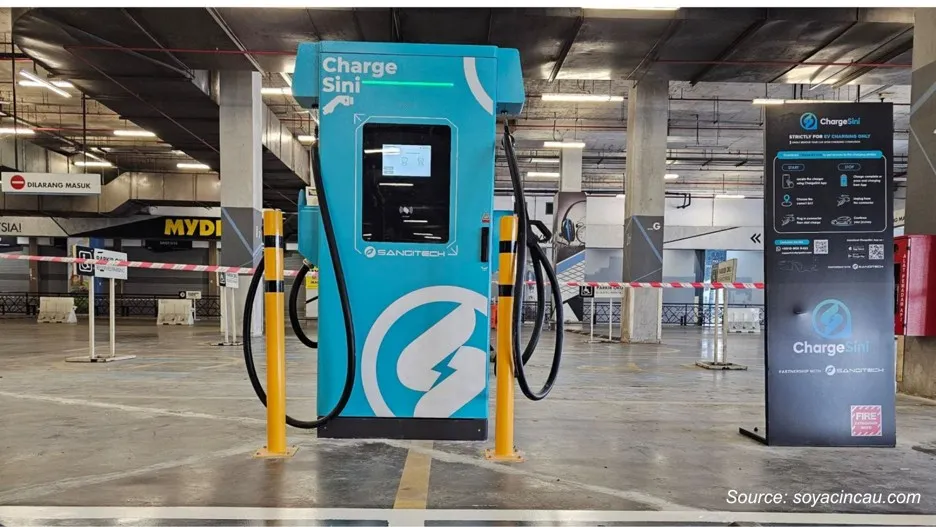
Based on our evaluation of global EV infrastructure trends, we observed that the EV charge point operator (CPO) market is undergoing a fundamental transformation from standalone charging deployment toward an integrated energy and digital ecosystem. Operators are increasingly combining ultra-fast charging infrastructure with intelligent software platforms, enabling real-time monitoring, dynamic load balancing, and seamless user access. In addition, our interactions with charge point operators and fleet operators indicate that interoperability, uptime reliability, and network accessibility are becoming critical differentiators in competitive positioning.
According to Next Move Strategy Consulting, the global EV Charge Point Operator (CPO) Market was valued at USD 11.22 billion in 2025 and is projected to reach USD 14.24 billion in 2026, with forecasts estimating it will grow to USD 80.34 billion by 2035, representing a CAGR of 21.19% from 2026 to 2035.
Furthermore, our analysis shows that integration with broader energy systems, including storage solutions and grid connectivity, is enhancing operational efficiency and cost optimization. As charging networks scale, the ability to manage energy flows and optimize infrastructure utilization is becoming increasingly important. Consequently, this transition is not only improving network performance but also positioning CPOs as key enablers of scalable, resilient, and future-ready electric mobility ecosystems.
For an In-depth Analysis of the EV Charge Point Operator (CPO) Market , Try a FREE Sample
Are Electric Vehicles and Charging Networks the Twin Engines of Market Expansion?

Based on our assessment of global market dynamics, we observed that accelerating EV adoption is directly translating into sustained growth for the charge point operator market. The expanding EV parc is increasing demand for reliable and accessible charging infrastructure across residential, commercial, and public environments. Governments and regulatory bodies are further supporting this expansion through incentives, mandates, and funding programs aimed at accelerating electrification. In addition, our analysis indicates that increasing EV penetration is improving utilization rates across charging networks, thereby enhancing revenue predictability for operators. This growing alignment between demand and infrastructure deployment is reinforcing long-term investment confidence across the ecosystem.
Moreover, our interactions with utilities, energy companies, and infrastructure investors indicate that investment activity is becoming more diversified, with these stakeholders actively contributing to network expansion. This influx of capital is enabling faster deployment of high-capacity charging hubs and corridor-based infrastructure. At the same time, strategic partnerships between automakers, energy providers, and CPOs are strengthening ecosystem collaboration and accelerating rollout timelines. As infrastructure scales alongside vehicle adoption, demand patterns are becoming more stable and continuous. Consequently, the CPO market is emerging as a critical enabler of the broader energy transition, supported by strong policy backing, increasing capital inflows, and expanding end-user demand.
Infrastructure Deployment and Network Management Position CPOs at the Core of the EV Value Chain
Based on our assessment of the EV charging ecosystem, we identified that charge point operators play a central role in enabling seamless and scalable electric mobility. CPOs are responsible for end-to-end infrastructure deployment, including site identification, hardware installation, grid connection, and operational management. In addition, they oversee payment systems, network uptime, and user access, ensuring consistent service delivery across diverse charging environments. Our interactions with operators indicate that as network scale increases, managing operational complexity particularly around uptime reliability, interoperability, and user experience becomes increasingly critical. This growing complexity is elevating the strategic importance of efficient network management capabilities.
Furthermore, our analysis shows that digital integration is becoming essential for optimizing network performance and maintaining service quality. Advanced software platforms enable operators to monitor usage patterns, forecast demand, and manage peak loads more effectively. At the same time, energy management systems allow for better coordination between charging demand and electricity supply, reducing operational inefficiencies. These capabilities are enabling CPOs to transition from passive infrastructure providers to active system operators managing dynamic and interconnected charging networks. As a result, their role within the EV value chain is expanding, positioning them as key enablers of reliable, efficient, and scalable charging infrastructure that supports the broader adoption of electric mobility.
Policy Support, Fleet Electrification, and Technology Advancements Are Accelerating Market Growth
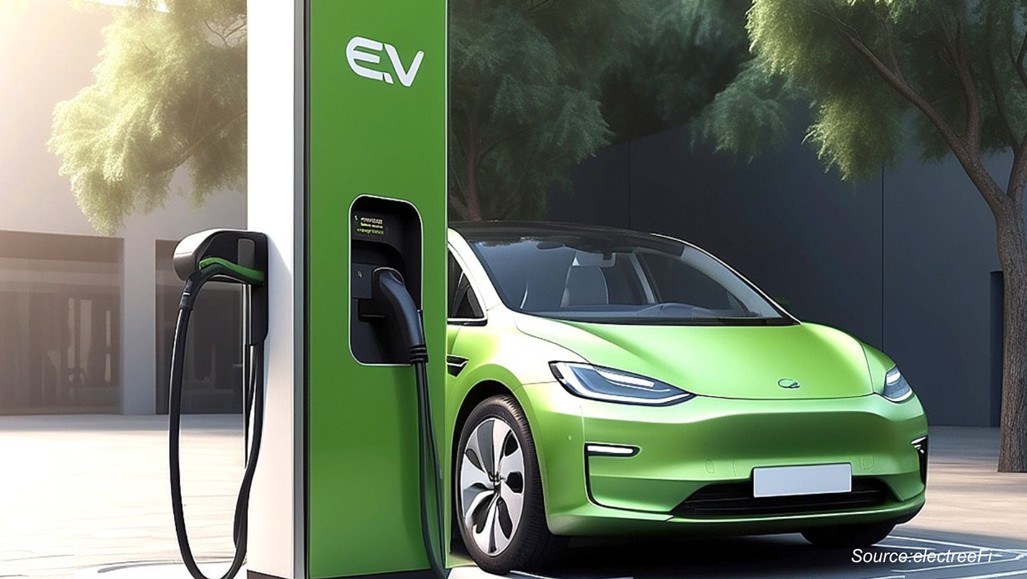
Based on our evaluation of market drivers, we found that the growth of the EV charge point operator market is being accelerated by a combination of regulatory support, technological advancement, and increasing commercial demand. Governments across major regions are implementing policies and incentives to promote EV adoption and expand charging infrastructure. At the same time, advancements in ultra-fast charging technologies and smart charging systems are improving charging speed, efficiency, and user convenience. These developments are enabling operators to enhance infrastructure performance while reducing charging time, thereby improving overall network attractiveness for end users.
In addition, our analysis indicates that fleet electrification is emerging as a major demand driver within the CPO market. The transition toward electric delivery vehicles, buses, and shared mobility fleets is creating predictable and high-volume charging requirements. Our interactions with fleet operators and logistics companies suggest that reliability, uptime, and charging speed are becoming critical factors influencing infrastructure planning for commercial applications. Furthermore, depot-based charging and managed charging solutions are improving operational efficiency and energy optimization for fleet operators. As these trends converge, they are driving higher utilization rates and more structured demand patterns. Consequently, the combined impact of policy support, technological progress, and fleet electrification is accelerating market expansion and strengthening the long-term growth outlook for CPOs.
Are High-Power Charging and Energy Integration Turning CPOs into Strategic Energy Leaders?
Based on our analysis of infrastructure evolution, we evaluated that high-power charging and energy integration are fundamentally transforming the role of charge point operators. The deployment of ultra-fast charging infrastructure is reducing dwell times and increasing throughput, enabling operators to serve a higher number of vehicles within the same footprint. This improvement in asset utilization is directly enhancing revenue potential and operational efficiency. In parallel, our research indicates that integration with energy systems such as load management, energy storage, and demand response is enabling operators to optimize electricity costs and improve grid interaction. These capabilities are becoming increasingly important as charging demand grows in scale and complexity.
Moreover, our assessment shows that digital platforms are playing a critical role in enabling this transformation. Real-time monitoring, predictive maintenance, and user engagement tools are improving network reliability and enhancing the overall charging experience. As a result, operators are transitioning from infrastructure-centric models to integrated energy service platforms that combine charging, energy management, and digital services. This shift is enabling more diversified revenue streams while strengthening operational resilience. Consequently, CPOs are emerging as strategic players within the broader energy ecosystem, capable of delivering scalable, efficient, and intelligent charging solutions that support the long-term growth of electric mobility.
Is the Race for Prime, High-Traffic Locations Reshaping Industry Competition?
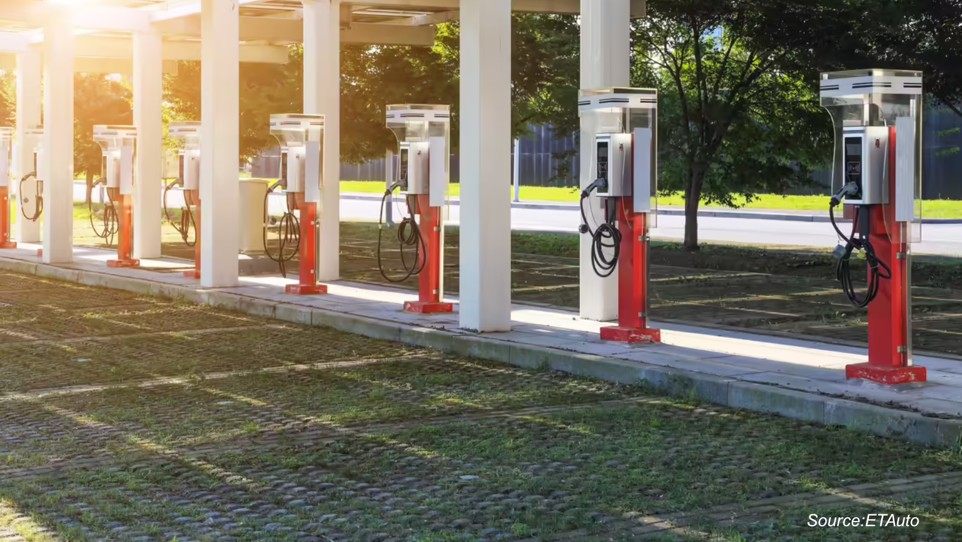
Based on our review of recent industry developments, we observed that competitive intensity in the CPO market is increasing as operators focus on large-scale infrastructure expansion and strategic site positioning. Leading players are prioritizing the deployment of high-capacity charging hubs in high-traffic and high-utilization locations, including highways, urban centers, and transit corridors. Our analysis indicates that such site strategies are critical for maximizing utilization rates and improving return on investment. In addition, operators are increasingly targeting fleet-focused infrastructure and corridor-based networks to capture growing commercial demand.
Furthermore, our interactions with charge point operators indicate that competitive differentiation is increasingly driven by scale, speed of deployment, and network accessibility. Companies such as GridServe, Tesla, and BP Pulse are expanding their presence through high-power charging hubs and integrated infrastructure models. These developments reflect a broader shift toward multi-use charging hubs capable of serving both public and commercial users. At the same time, partnerships and ecosystem collaborations are enabling faster rollout and improved service offerings. As a result, operators are strengthening their competitive positioning by combining infrastructure scale with strategic site selection and enhanced user experience, intensifying competition across the market.
Can Integrated Energy Platforms Unlock the Next Wave of CPO Market Expansion?
The EV charge point operator (CPO) market is undergoing a structural transformation driven by accelerating electric vehicle adoption, increasing energy system integration, and rising expectations for high-performance charging infrastructure. Based on our analysis, we observed that the strategic imperative for CPOs is centered on investing in ultra-fast charging networks, intelligent energy management systems, and interoperable digital platforms that enable seamless user experiences. As charging demand becomes more continuous and utilization-driven, operators must prioritize scalability, reliability, and network efficiency. In addition, integration with grid systems, including load balancing and energy optimization, is becoming critical to managing operational costs and ensuring long-term sustainability.
Looking ahead, our evaluation indicates that CPOs transitioning from infrastructure-centric models to integrated energy and mobility service platforms will be best positioned to capture long-term value. Operators that successfully combine high-capacity infrastructure with advanced analytics, dynamic pricing, and energy services will be able to enhance utilization, diversify revenue streams, and strengthen customer engagement. Furthermore, our interactions with utilities, automakers, and technology providers indicate that partnerships across these stakeholders will play a key role in accelerating network expansion and innovation. Consequently, CPOs that embrace scale, digital intelligence, and energy integration will emerge as market leaders in an increasingly competitive and global electrified mobility ecosystem.
About the Author
 Saista Faiyaz
— Saista Faiyaz is Research Associate at Next Move Strategy Consulting, where she has covered consumer markets and healthcare technologies for 3 years. Her work includes primary interview review, secondary-source validation, market sizing, and structured analysis of company and industry data. She supports research by comparing evidence across sources, organizing findings into market narratives, and documenting assumptions used in analysis. Her scope includes cross-market benchmarking, and reports.
Saista Faiyaz
— Saista Faiyaz is Research Associate at Next Move Strategy Consulting, where she has covered consumer markets and healthcare technologies for 3 years. Her work includes primary interview review, secondary-source validation, market sizing, and structured analysis of company and industry data. She supports research by comparing evidence across sources, organizing findings into market narratives, and documenting assumptions used in analysis. Her scope includes cross-market benchmarking, and reports.
About the Reviewer
 Sikha Haritwal
— Sikha Haritwal is an assistant manager with strong expertise in market research, data analysis, and cross-functional coordination. She plays a key role in leading complex research initiatives, strengthening analytical rigor, and enabling data-driven decision-making across teams. Known for her leadership mindset and structured problem-solving approach, she supports process improvement, enhances operational efficiency, and contributes to building scalable frameworks that drive long-term strategic outcomes and organizational effectiveness.
Sikha Haritwal
— Sikha Haritwal is an assistant manager with strong expertise in market research, data analysis, and cross-functional coordination. She plays a key role in leading complex research initiatives, strengthening analytical rigor, and enabling data-driven decision-making across teams. Known for her leadership mindset and structured problem-solving approach, she supports process improvement, enhances operational efficiency, and contributes to building scalable frameworks that drive long-term strategic outcomes and organizational effectiveness.

















Add Comment