Waste Management: Global Solutions Transforming the Waste Crisis
Waste generation is increasing worldwide, and governments and organizations are taking new steps to manage it responsibly. Waste management is no longer just about disposal; it now includes education, circular economy strategies, public health protection, and community engagement.
Recent developments highlight this transformation. A new waste management education center in Samoa, a transformative solid waste pilot project in Liberia, and a global health warning from the World Health Organization demonstrate how the sector is shifting toward sustainable and health-focused waste systems.
Together, these developments show how waste management is evolving from a sanitation challenge into a key pillar of environmental protection, economic opportunity, and public health resilience.
Waste Management Education Center Promotes Sustainable Practices
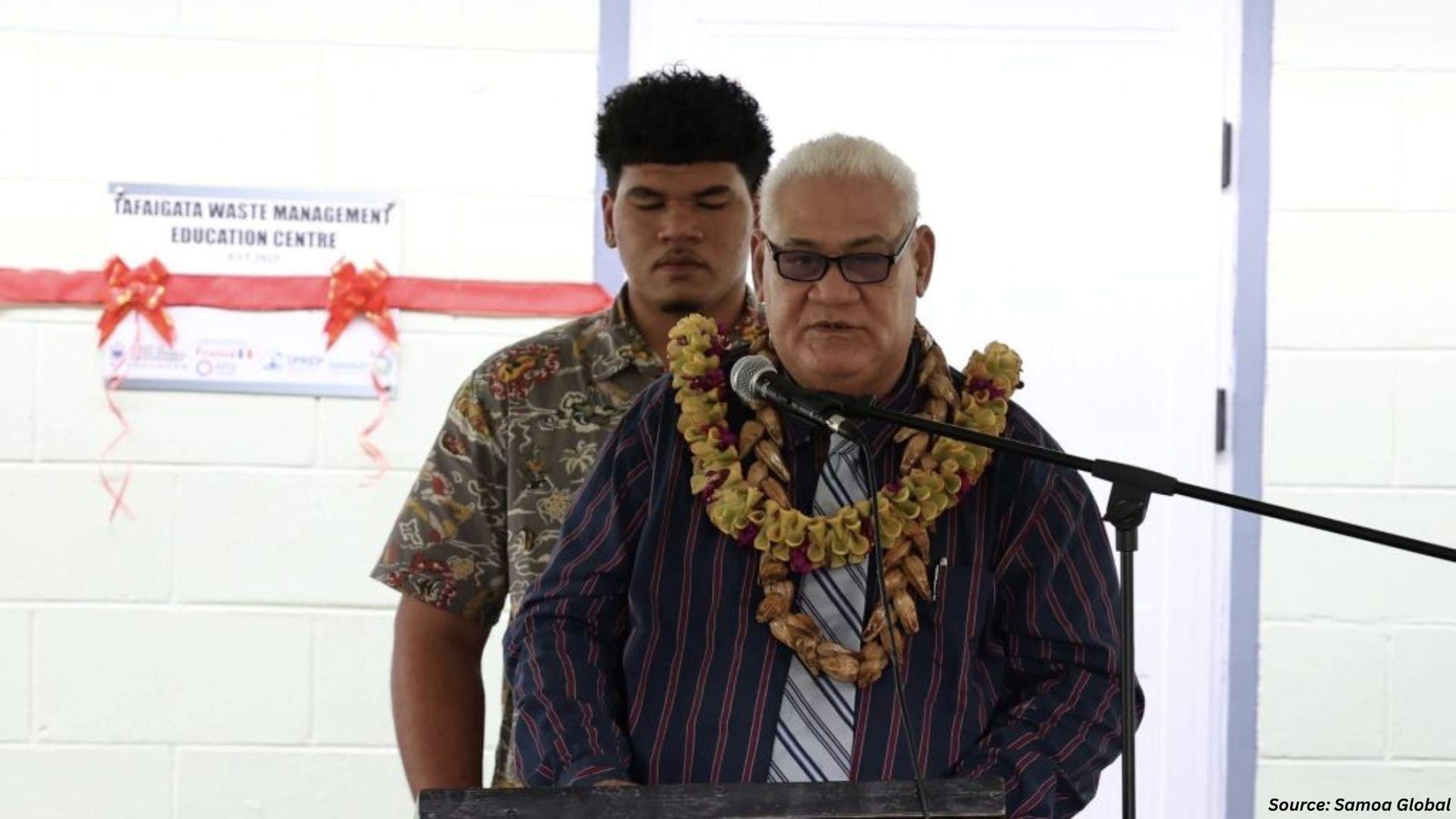
One of the most significant developments in environmental education occurred in Samoa with the launch of the Tafa’igata Waste Management Education Center in December 2025.
The center serves as a hub for training programs, educational events, and community engagement activities focused on responsible waste practices, recycling, and marine litter prevention. Schools, youth groups, churches, and communities can use the facility to learn about sustainable consumption and waste reduction strategies.
The center was developed under the Sustainable Waste Actions in the Pacific (SWAP) Project, supported by the French Development Agency and the Secretariat of the Pacific Regional Environment Programme.
Officials highlighted that the facility will help communities understand how responsible waste management protects ecosystems, reduces landfill pressure, and supports local economic activities through recycling and circular economy initiatives.
The center also showcased recycled products such as locally produced notebooks made from recycled paper, demonstrating how waste recycling can create local industry opportunities.
Key Components of the Education Center
|
Feature |
Purpose |
|
Training programs |
Educate communities about recycling and waste reduction |
|
Recycling demonstrations |
Show practical circular economy solutions |
|
Community engagement |
Encourage responsible consumption |
|
Environmental awareness |
Promote marine litter prevention |
Educational infrastructure such as waste management training centers plays a crucial role in changing behavioral patterns around waste generation and disposal. Analysis from Next Move Strategy Consulting indicates that awareness-based programs can significantly accelerate the adoption of recycling practices and circular economy initiatives within communities.
Liberia Introduces Climate-Smart Solid Waste Management Model
In April 2025, the Environmental Protection Agency of Liberia launched a transformative solid waste management pilot project in Monrovia aimed at improving waste collection and converting organic waste into valuable resources.
Monrovia currently generates approximately 800 tons of solid waste per day, yet only 45% of this waste is properly collected, leaving the remainder in streets, waterways, and informal dump sites.
The pilot project focuses on developing composting systems and strengthening community-based waste management structures. The initiative includes identifying feedstock resources, establishing compost partnerships, and training local champions in sustainable waste practices.
Market-level waste analysis showed that each of the surveyed markets produces around 89.3 kg of organic waste daily, primarily consisting of leafy greens (83.3%), fruits (10.8%), and vegetables (5.1%).
The project aims to divert organic waste from landfills, reduce methane emissions, and generate compost that can support urban agriculture.
Pilot Project Goals
|
Objective |
Expected Outcome |
|
Organic waste collection |
Reduce landfill waste |
|
Compost production |
Support agriculture |
|
Community participation |
Improve waste accountability |
|
Capacity training |
Build local waste management expertise |
Community-driven waste management initiatives are emerging as scalable models for developing urban waste systems. Our observations at Next Move Strategy Consulting indicate that decentralized composting and local stakeholder participation can significantly improve waste collection efficiency while creating economic value from organic waste streams.
WHO Highlights Health Impacts of Poor Waste Management
A December 2025 report from the World Health Organization emphasizes that poorly managed solid waste is becoming a growing public health threat worldwide.
The report explains that inadequate waste collection and improper disposal practices such as open dumping and burning can release hazardous chemicals into the environment, contaminating air, water, soil, and food systems.
Communities living near dumpsites, informal waste workers, children, and pregnant women face particularly high health risks due to exposure to contaminated environments.
The WHO stresses that improving waste management systems is essential for building climate-resilient urban environments and preventing disease.
However, the report also highlights an opportunity: when waste is managed effectively, it can generate energy, create green jobs, and support circular economic systems.
Major Health Risks Linked to Poor Waste Management
|
Environmental Factor |
Health Impact |
|
Open dumping |
Spread of disease vectors |
|
Waste burning |
Air pollution and respiratory illness |
|
Water contamination |
Unsafe drinking water |
|
Hazardous waste exposure |
Chemical health risks |
The intersection of waste management and public health is increasingly shaping global environmental policy. Analysis from Next Move Strategy Consulting indicates that investments in waste infrastructure will become a central strategy for improving urban health outcomes while simultaneously supporting climate resilience goals.
According to Next Move Strategy Consulting: Impact on the Waste Management Industry
The developments highlighted in Samoa, Liberia, and the global policy guidance from the World Health Organization reflect broader structural changes in the waste management sector.
According to Next Move Strategy Consulting, the industry is evolving across three major dimensions:
1. Education and behavioral change - Waste education centers and awareness programs are becoming critical tools for improving waste segregation and recycling rates.
2. Localized waste processing systems - Community composting projects and decentralized waste management facilities are enabling cities to reduce landfill dependency.
3. Health-centric waste policies - Governments are increasingly integrating waste management with public health strategies to prevent disease and environmental contamination.
Together, these developments indicate a shift toward integrated waste management systems that combine environmental protection, economic opportunity, and public health safeguards.
Next Steps for Governments and Organizations
To strengthen waste management systems globally, several practical actions can accelerate progress:
-
Expand community waste education programs to improve recycling participation and responsible consumption.
-
Invest in decentralized waste treatment systems, such as composting and material recovery facilities.
-
Improve waste collection infrastructure, particularly in underserved urban areas.
-
Strengthen regulations on dumping and burning, which pose serious environmental and health risks.
-
Promote circular economy solutions, transforming waste into energy, compost, or recyclable materials.
Implementing these strategies can help cities transition from waste disposal models to resource recovery systems that support sustainable development.



















Add Comment