What Is Driving Aluminum Casting Transformation in 2025 and Why Does It Matter for Industrial Growth?
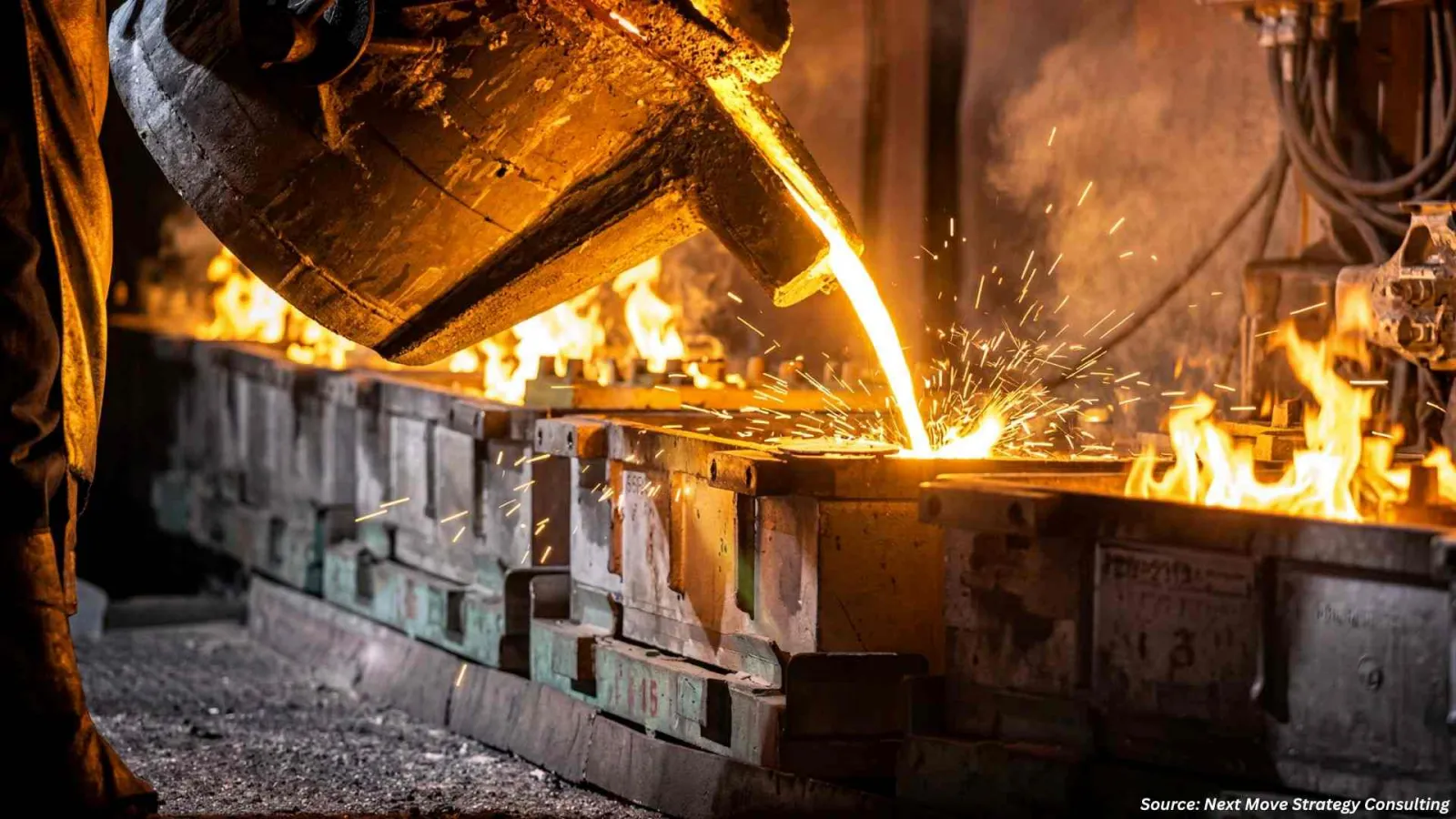
The Aluminum Casting Market is witnessing a notable shift as manufacturers increasingly focus on operational efficiency, scale, and specialized production capabilities. The answer lies in a series of corporate actions that highlight how companies are repositioning themselves to strengthen competitiveness and enhance long-term value creation.
Recent developments across the automotive and aerospace sectors demonstrate that aluminum casting is no longer viewed simply as a manufacturing process. Instead, it is becoming a strategic asset that supports operational optimization, supply chain integration, and advanced engineering applications.
Two notable developments illustrate this shift. CIE Automotive India approved the merger of its wholly owned subsidiary, CIE Aluminium Casting India Ltd., into the parent company, while Pursuit Aerospace acquired Aeromet International to strengthen its aerospace casting capabilities. Together, these developments provide valuable insight into where the aluminum casting sector is heading and why stakeholders should pay close attention.
How Is Corporate Consolidation Reshaping Aluminum Casting Operations?
One of the most significant developments in 2025 comes from CIE Automotive India, which approved the amalgamation of CIE Aluminium Casting India Ltd. into the parent company.
According to the company, the merger is expected to:
-
Improve operational efficiency
-
Reduce organizational complexity
-
Enable economies of scale
-
Enhance coordination across aluminum casting operations
Since the subsidiary is wholly owned, no new shares will be issued and the subsidiary's share capital will be canceled following completion of the merger.
For investors and operational leaders, this move reflects a broader trend toward organizational simplification. By consolidating aluminum casting activities within a single entity, companies can potentially streamline decision-making and improve resource allocation.
Why Does Operational Integration Matter?
In manufacturing-intensive industries, fragmented structures can create administrative duplication and operational inefficiencies. Bringing casting operations under one management framework may support faster execution and better alignment between production and business objectives.
How Is Aerospace Demand Influencing Aluminum Casting Strategies?
Another major development comes from Pursuit Aerospace's acquisition of Aeromet International.
Aeromet is recognized as a supplier of aluminum and magnesium castings for Aerospace & Defense applications. Through the acquisition, Pursuit expands its casting portfolio beyond super alloy investment casting by adding:
-
Light alloy investment casting
-
Sand-casting capabilities
-
Enhanced engineering expertise
-
Broader aerospace component manufacturing capacity
According to Pursuit Aerospace CEO Doug Folsom, the acquisition supports the company's commitment to investing in casting and forging capabilities that create value for customers.
Why Are Specialized Casting Capabilities Becoming Important?
Modern aerospace applications require highly engineered components with strict performance requirements. Aluminum castings play a critical role in producing lightweight parts while maintaining structural integrity.
The acquisition also demonstrates how technical expertise has become a differentiator. Aeromet's engineering capabilities and experience in complex light alloy casting provide Pursuit with access to specialized knowledge that can support future growth opportunities.
Leading Companies Driving Innovation in the Aluminum Casting Industry
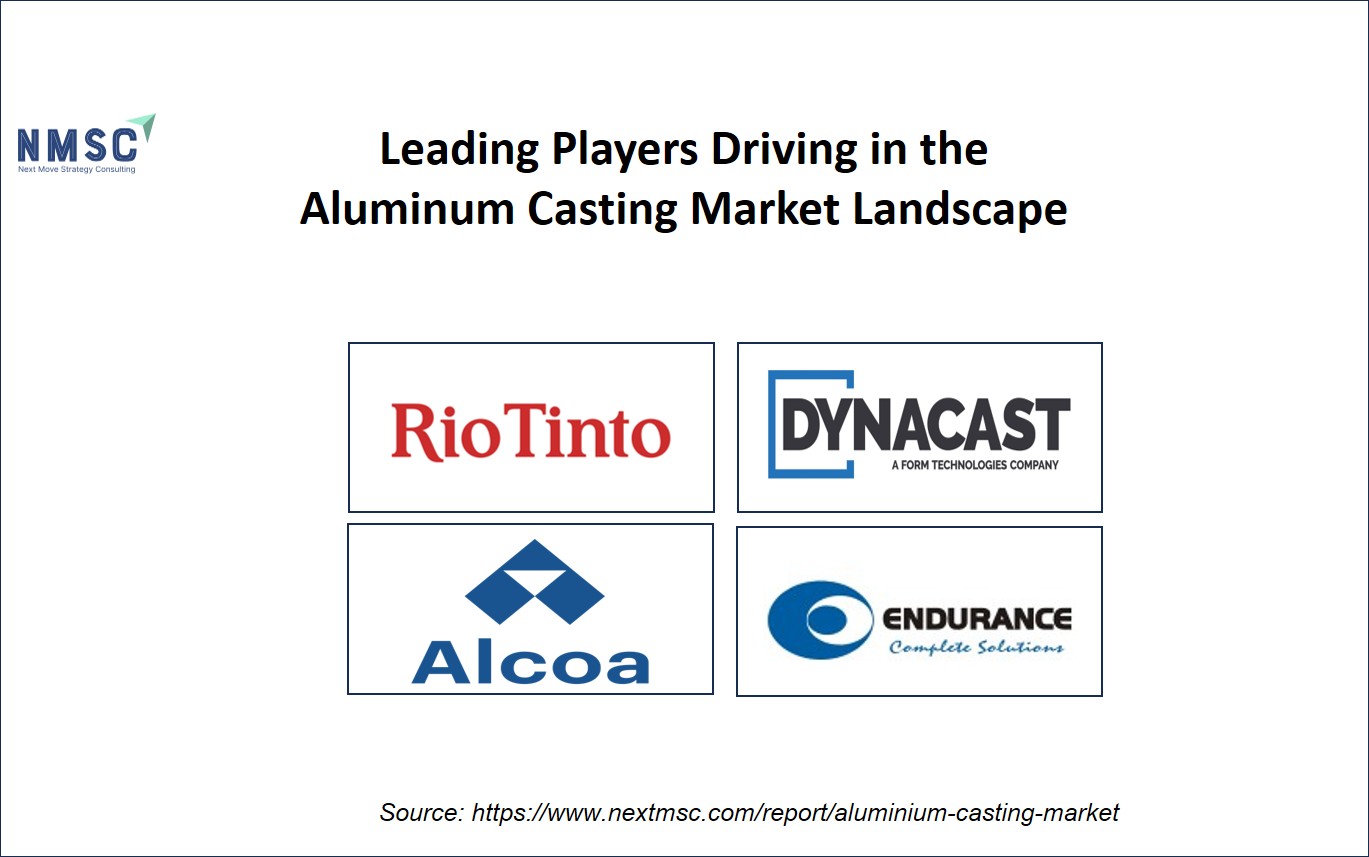
The aluminum casting industry features a diverse group of manufacturers and technology providers, including Alcoa Corporation, Ryobi Die Casting, Aluminium Corporation of China Limited, Rio Tinto, Alcast Technologies Ltd., Endurance Technologies Limited, Jiangsu Xingyong Aluminium Technology Co., Ltd., Chongqing Yujiang Die Casting Co., Ltd., Dynacast, and Zetwerk, among others. These companies are actively implementing strategic initiatives, expanding capabilities, and introducing new offerings across regional markets to strengthen their competitive positioning and sustain growth within the aluminum casting industry.
Industry Impact Analysis
What Do These Developments Mean for Industry Stakeholders?
The recent merger and acquisition activity suggest several broader implications for aluminum casting participants.
For manufacturers, the focus appears to be shifting toward operational optimization and capability expansion rather than purely increasing production volume.
For investors, these transactions indicate confidence in the long-term strategic value of casting operations, particularly in sectors requiring specialized engineering capabilities.
For procurement and supply chain leaders, larger and more integrated casting organizations may offer improved coordination and broader service offerings.
At the same time, consolidation can create challenges, including integration risks and the need to align operational cultures and systems.
Future Outlook
What Could Be Next for Aluminum Casting?
While future market projections cannot be established from the available sources, the recent developments reveal several observable directions.
First, manufacturers appear focused on simplifying organizational structures to improve efficiency.
Second, acquisitions are increasingly being used to obtain specialized manufacturing capabilities rather than building them internally.
Third, sectors such as Aerospace & Defense continue to value advanced casting expertise and diversified production capabilities.
These trends suggest that operational excellence and technical specialization will remain important strategic priorities for industry participants.
Next Steps
For executives, investors, and procurement leaders evaluating aluminum casting opportunities:
-
Monitor consolidation activity across automotive and aerospace supply chains.
-
Assess whether operational integration can improve efficiency within existing organizations.
-
Evaluate supplier capabilities beyond production volume, including engineering expertise.
-
Track acquisitions that expand technical competencies and manufacturing breadth.
Conclusion
Aluminum casting is emerging as a strategic area of focus for industrial manufacturers seeking greater efficiency and specialized capabilities. The merger approved by CIE Automotive India and the acquisition of Aeromet International by Pursuit Aerospace demonstrate two distinct but complementary approaches: operational consolidation and capability expansion.
For decision-makers, these developments reinforce an important reality. Success in aluminum casting increasingly depends not only on manufacturing capacity but also on organizational efficiency, engineering expertise, and the ability to serve complex end-market requirements. As companies continue to refine their competitive positions, aluminum casting will likely remain central to broader industrial transformation strategies.
About the Author
 Sanyukta Deb
— Sanyukta Deb is Digital Marketing Team Lead at Next Move Strategy Consulting, where she has led content strategy and technical SEO for the firm's B2B market research publications for over 2 years. Her editorial process translates NextMSC's primary and secondary research — spanning technology, industrial, and consumer sectors — into commercial narratives, backed by search-intent, keyword, and competitive analysis. She brings 5 years of overall experience in digital marketing and content strategy.
About the Reviewer
 Debashree Dey
— Debashree Dey is Assistant Manager at Next Move Strategy Consulting, where she supports cross-vertical market content and communications across diverse industries for 6 years. Her professional background includes senior content writing, communications, and published manuscript authorship, with experience developing audience-focused business narratives and maintaining clear, consistent messaging. Her role supports research-led content development and editorial quality across NextMSC publications.















Add Comment