6G IoT Faces Repeat of 5G's Connectivity Setback
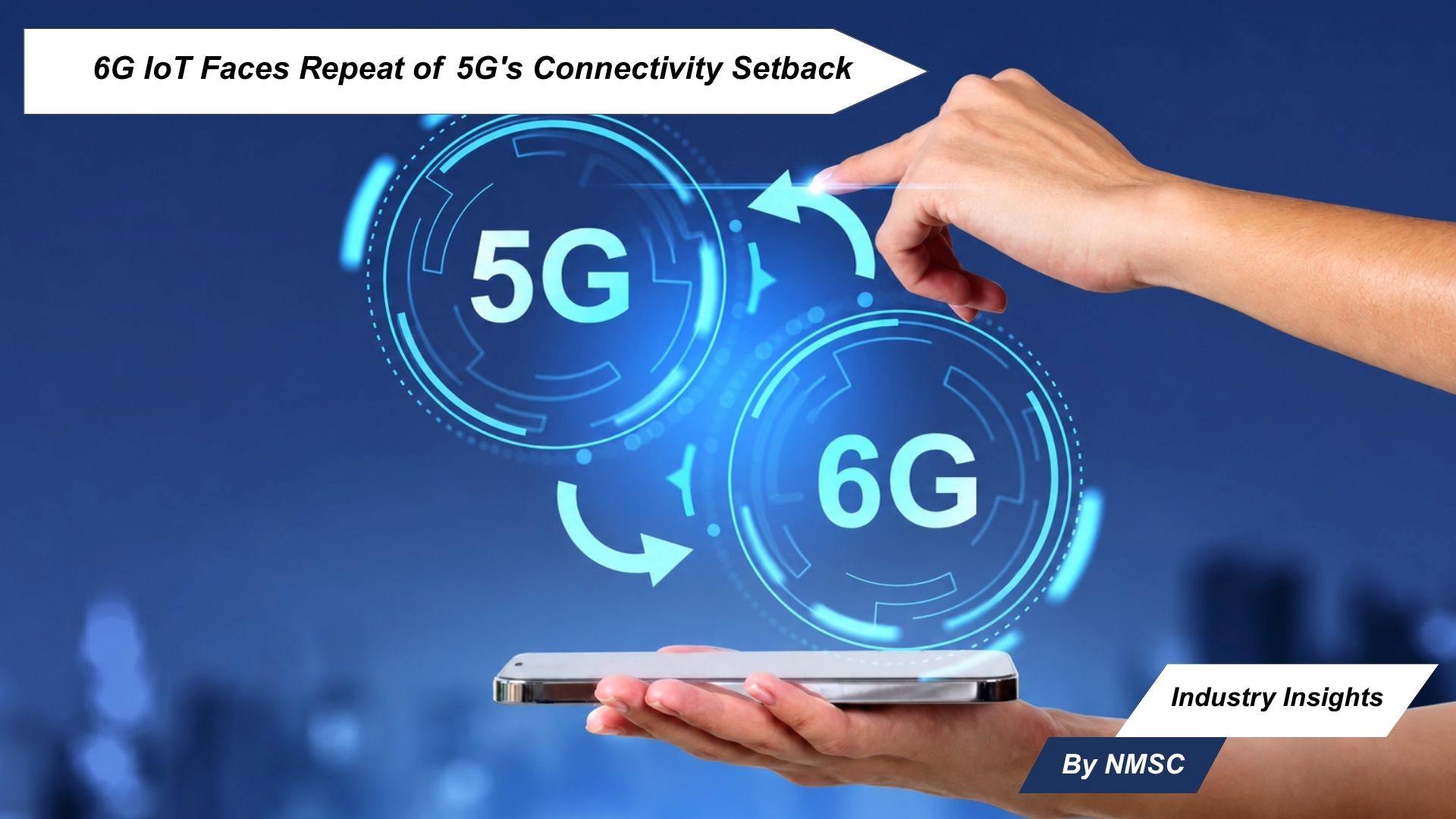
6G Risks Repeating 5G's IoT Failure as Module Costs and Slow Standalone Rollout Persist
LONDON, United Kingdom — June 25, 2026 — Industry analysts and equipment vendors warned this week that sixth-generation (6G) mobile technology risks repeating the underwhelming Internet of Things (IoT) performance that characterized the 5G era, citing persistent high module prices, patchy network coverage and a proliferation of competing narrowband standards. The caution matters because IoT was promoted as a central pillar of cellular's expansion into industrial and machine connectivity, yet adoption has consistently trailed expectations as the industry begins shaping the 6G roadmap.
Main Development
According to Light Reading, cellular IoT connections reached approximately 4.5 billion last year, around 3 billion fewer than the roughly 7.5 billion smartphones in circulation, based on Ericsson's latest Mobility Report. Between 600 and 700 million of those connections still rely on older 2G and 3G systems.
A key constraint is the slow rollout of 5G standalone (SA) networks, without which newer IoT standards such as RedCap cannot operate effectively. Ericsson CEO Börje Ekholm put 5G SA adoption at just 6% in Europe, 50% in the United States and 98% in China.
Analyst firm Omdia maintains a more conservative outlook than Ericsson, projecting cellular IoT connections will not reach 5.9 billion until 2035, by which point 6G networks may have been commercially operational for several years.
Attention in 6G is shifting toward new device categories, including smart glasses, humanoids and other "physical AI" form factors, which Ericsson describes as part of an emerging multi-year upgrade "supercycle."
Key Highlights:
-
Cellular IoT connections reached roughly 4.5 billion last year, about 3 billion below smartphone volumes.
-
5G standalone adoption stands at 6% in Europe, 50% in the U.S. and 98% in China, limiting RedCap deployment.
-
Omdia does not expect cellular IoT connections to reach 5.9 billion until 2035.
-
6G focus is shifting toward smart glasses, humanoids and connected physical AI devices.
Analyst Insight:
According to analysts at Next Move Strategy Consulting, the global 6G Market is projected to reach USD 41.42 billion by 2030, expanding at a CAGR of 34.5% from 2024 to 2030. NMSC analysts note that rising adoption of IoT devices across healthcare, manufacturing and logistics, alongside escalating government and telecommunications investment, is expected to underpin long-term market growth, even as limited global coverage remains a near-term restraint.
Industry Outlook:
The early 6G narrative positions higher-value device categories — rather than traditional low-power sensors — at the center of next-generation connectivity strategies. Whether operators can convert this shift into sustainable IoT revenue will depend on accelerating standalone network deployment, lowering module costs and consolidating fragmented standards as the industry advances toward commercial 6G later this decade.
Source: Light Reading
Prepared By: Sanyukta Deb
For More Information – Download FREE Sample on 6G Market Report
About the Author
 Sanyukta Deb
— Sanyukta Deb is Digital Marketing Team Lead at Next Move Strategy Consulting, where she has led content strategy and technical SEO for the firm's B2B market research publications for over 2 years. Her editorial process translates NextMSC's primary and secondary research — spanning technology, industrial, and consumer sectors — into commercial narratives, backed by search-intent, keyword, and competitive analysis. She brings 5 years of overall experience in digital marketing and content strategy.
Sanyukta Deb
— Sanyukta Deb is Digital Marketing Team Lead at Next Move Strategy Consulting, where she has led content strategy and technical SEO for the firm's B2B market research publications for over 2 years. Her editorial process translates NextMSC's primary and secondary research — spanning technology, industrial, and consumer sectors — into commercial narratives, backed by search-intent, keyword, and competitive analysis. She brings 5 years of overall experience in digital marketing and content strategy.
About the Reviewer
 Debashree Dey
— Debashree Dey is Assistant Manager at Next Move Strategy Consulting, where she supports cross-vertical market content and communications across diverse industries for 6 years. Her professional background includes senior content writing, communications, and published manuscript authorship, with experience developing audience-focused business narratives and maintaining clear, consistent messaging. Her role supports research-led content development and editorial quality across NextMSC publications.
Debashree Dey
— Debashree Dey is Assistant Manager at Next Move Strategy Consulting, where she supports cross-vertical market content and communications across diverse industries for 6 years. Her professional background includes senior content writing, communications, and published manuscript authorship, with experience developing audience-focused business narratives and maintaining clear, consistent messaging. Her role supports research-led content development and editorial quality across NextMSC publications.

















Add Comment