Aluminium Trade Talks Take Center Stage in UK–US Agreements
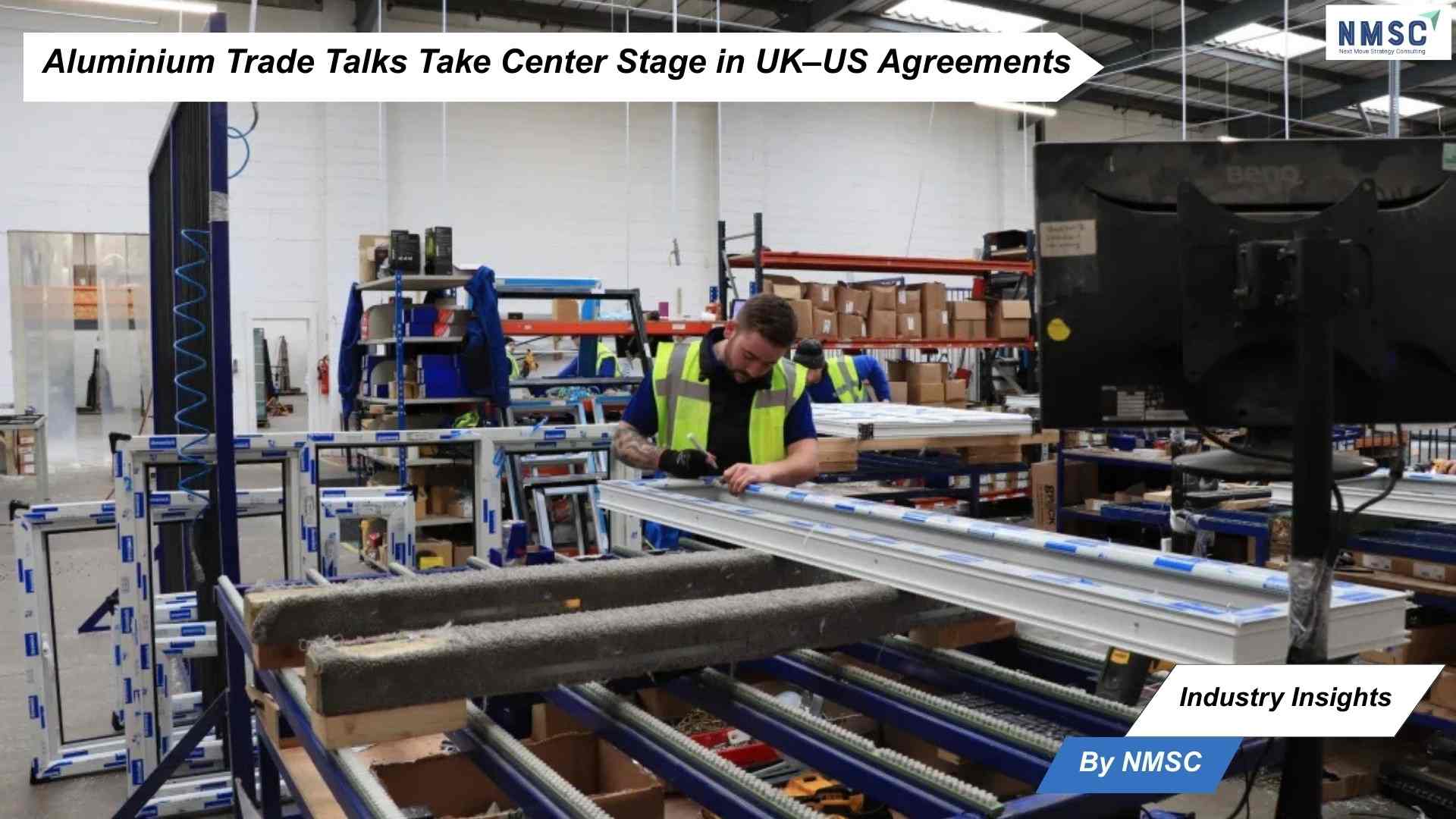
Industry Insights from Next Move Strategy Consulting
LONDON, Sept 15 (Reuters) – The United States and Britain are set to unveil landmark agreements on technology and civil nuclear energy during U.S. President Donald Trump’s second state visit this week. Alongside these high-profile partnerships, negotiations over steel and aluminium tariffs remain a pivotal focus, as both nations seek to cement stronger trade ties.
A Strategic Push on Aluminium and Steel
The British government is working to finalise lower tariffs for steel and aluminium under a broader trade deal with Washington. Prime Minister Keir Starmer will host Trump at his Chequers residence on Thursday, with discussions centered on Ukraine and advancing tariff reductions.
British business minister Peter Kyle emphasized the urgency of the matter, stating: “When it comes to steel, we will make sure that we have an announcement as soon as possible.”
Expanding the UK–US Partnership
Beyond tariffs, the visit underscores a “world-leading tech partnership” and “a major civil nuclear deal,” according to Starmer’s spokesperson. These initiatives are positioned as transformative milestones in bilateral and it seeks tighter defence, security and energy ties with Washington, having already secured a favourable tariff deal.
Next Move Strategy Consulting Highlights Aluminium’s Role
As tariff negotiations progress, aluminium emerges not just as a commodity but as a strategic lever in shaping cross-border manufacturing competitiveness and energy transitions. According to Next Move Strategy Consulting, the outcome of these talks is set to influence long-term investment flows, market stability, and the broader trajectory of industrial partnerships between the two nations.
Investment Momentum and Strategic Outlook
Ahead of the visit, Britain announced over £1.25 billion ($1.69 billion) in U.S. investments from PayPal, Bank of America, and other firms. Technology giants including Nvidia, OpenAI, and CoreWeave are also expected to announce new commitments under the emerging partnership framework.
Redefining the Aluminium Trade Landscape
The pending resolution on aluminium tariffs reflects more than a trade technicality — it represents a broader shift in how two of the world’s largest economies align industrial strategy with geopolitical goals. With agreements spanning technology, civil nuclear energy.
Source: Reuters
Prepared by: Next Move Strategy Consulting
About the Author
 Sanyukta Deb
— Sanyukta Deb is Digital Marketing Team Lead at Next Move Strategy Consulting, where she has led content strategy and technical SEO for the firm's B2B market research publications for over 2 years. Her editorial process translates NextMSC's primary and secondary research — spanning technology, industrial, and consumer sectors — into commercial narratives, backed by search-intent, keyword, and competitive analysis. She brings 5 years of overall experience in digital marketing and content strategy.
Sanyukta Deb
— Sanyukta Deb is Digital Marketing Team Lead at Next Move Strategy Consulting, where she has led content strategy and technical SEO for the firm's B2B market research publications for over 2 years. Her editorial process translates NextMSC's primary and secondary research — spanning technology, industrial, and consumer sectors — into commercial narratives, backed by search-intent, keyword, and competitive analysis. She brings 5 years of overall experience in digital marketing and content strategy.
About the Reviewer
 Debashree Dey
— Debashree Dey is Assistant Manager at Next Move Strategy Consulting, where she supports cross-vertical market content and communications across diverse industries for 6 years. Her professional background includes senior content writing, communications, and published manuscript authorship, with experience developing audience-focused business narratives and maintaining clear, consistent messaging. Her role supports research-led content development and editorial quality across NextMSC publications.
Debashree Dey
— Debashree Dey is Assistant Manager at Next Move Strategy Consulting, where she supports cross-vertical market content and communications across diverse industries for 6 years. Her professional background includes senior content writing, communications, and published manuscript authorship, with experience developing audience-focused business narratives and maintaining clear, consistent messaging. Her role supports research-led content development and editorial quality across NextMSC publications.


















Add Comment