ARBOR Edge AI Launch Sparks Industry Growth Update
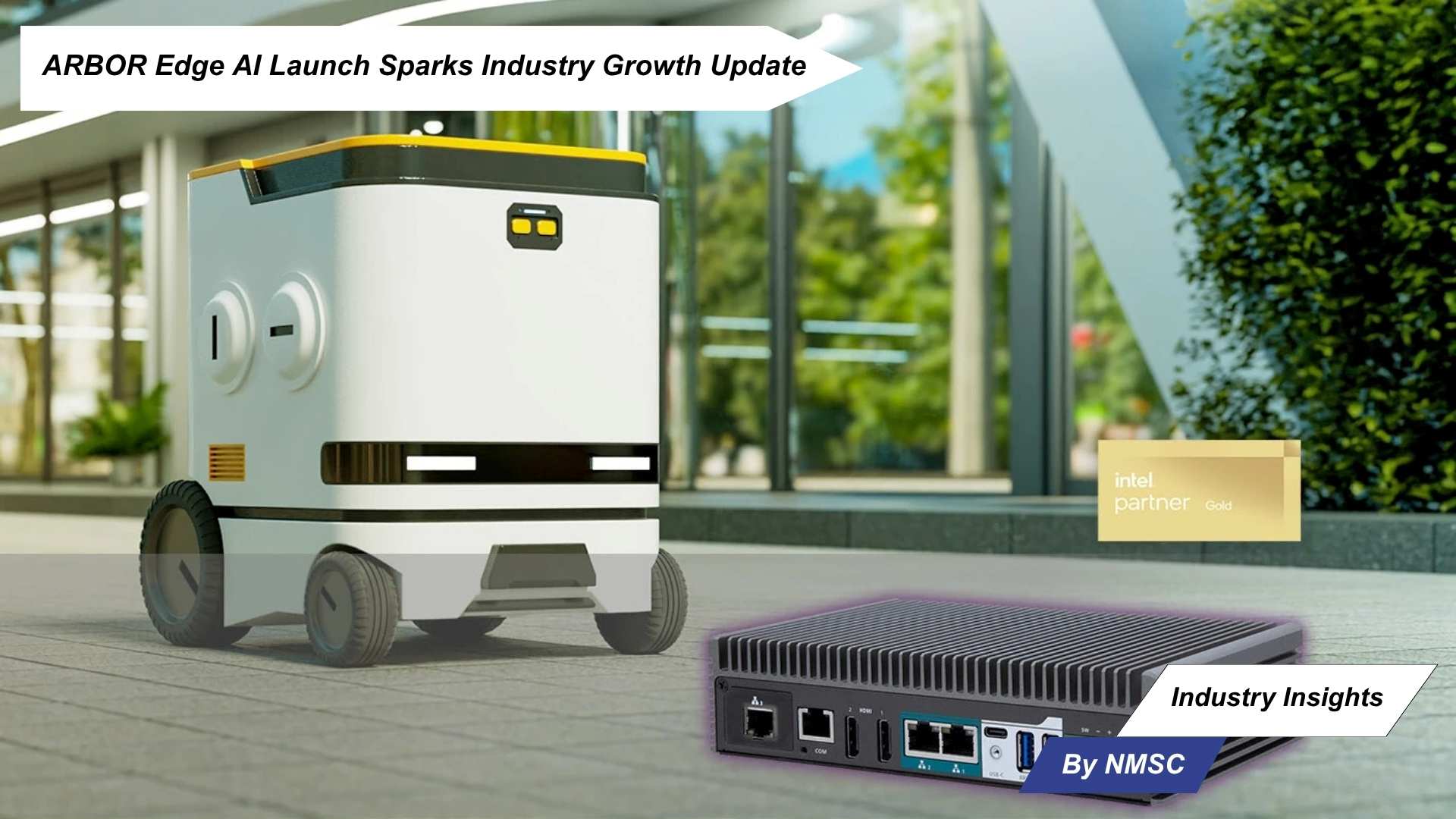
ARBOR’s ARES-2100 Launch Accelerates Edge AI Industry Transformation
TAIPEI, Taiwan — May 12, 2026 — The launch of ARBOR Technology’s new ARES-2100 Edge AI System is poised to strengthen momentum across the rapidly evolving edge AI ecosystem, as industries intensify investments in real-time computing, automation, and intelligent analytics. Powered by Intel Xe3 graphics architecture and delivering up to 40 TOPS AI performance, the platform arrives amid rising demand for high-efficiency edge processing solutions.
The latest announcement reflects a broader industry shift toward decentralized AI infrastructure, where low-latency computing and advanced graphics acceleration are becoming critical for industrial automation, smart surveillance, robotics, and transportation systems.
Edge AI Demand Pushes Hardware Innovation
ARBOR’s ARES-2100 is engineered to support next-generation AI workloads at the edge while balancing thermal efficiency and compact deployment requirements. The system integrates Intel’s latest graphics and AI acceleration technologies to address growing enterprise needs for localized data processing.
Key features of the ARES-2100 include:
-
Up to 40 TOPS AI computing capability
-
Intel Xe3 integrated graphics architecture
-
Compact industrial-grade edge AI design
-
Optimized support for real-time analytics and machine vision
-
Enhanced deployment flexibility for industrial and smart city applications
Industry analysts view the release as part of a larger competitive race among hardware vendors to deliver scalable AI computing systems closer to data sources.
“Edge AI infrastructure is becoming a foundational layer for intelligent industrial ecosystems,” notes an analyst at Next Move Strategy Consulting. “Systems capable of combining graphics acceleration with high AI throughput are expected to play a pivotal role in future automation and smart mobility deployments.”
Strategic Shift Toward Real-Time AI Processing
The launch comes as organizations increasingly seek alternatives to cloud-dependent AI models, particularly in sectors requiring immediate decision-making and reduced network latency. Edge AI platforms like the ARES-2100 are enabling enterprises to process complex AI workloads directly on-site while minimizing bandwidth constraints and cybersecurity risks.
According to NMSC analysts, the global Edge AI Market is witnessing accelerated adoption due to the convergence of AI-enabled IoT devices, industrial automation initiatives, and demand for faster inferencing capabilities across mission-critical environments.
Competitive Implications for the Edge AI Market
ARBOR’s latest move also underscores the growing importance of hardware-software optimization in edge computing ecosystems. With AI workloads becoming more computationally intensive, manufacturers are prioritizing compact yet powerful systems capable of supporting machine learning, computer vision, and predictive analytics in real time.
The introduction of the ARES-2100 is expected to intensify competition within the edge AI hardware segment as vendors continue to align product strategies with enterprise digital transformation initiatives.
As industrial sectors move toward autonomous operations and intelligent infrastructure, edge AI systems with advanced processing efficiency are likely to become central to future technology investments.
Source: Embedded Computing Design
Prepared By: Prakhyat Chowdhury
About the Author
 Sanyukta Deb
— Sanyukta Deb is Digital Marketing Team Lead at Next Move Strategy Consulting, where she has led content strategy and technical SEO for the firm's B2B market research publications for over 2 years. Her editorial process translates NextMSC's primary and secondary research — spanning technology, industrial, and consumer sectors — into commercial narratives, backed by search-intent, keyword, and competitive analysis. She brings 5 years of overall experience in digital marketing and content strategy.
Sanyukta Deb
— Sanyukta Deb is Digital Marketing Team Lead at Next Move Strategy Consulting, where she has led content strategy and technical SEO for the firm's B2B market research publications for over 2 years. Her editorial process translates NextMSC's primary and secondary research — spanning technology, industrial, and consumer sectors — into commercial narratives, backed by search-intent, keyword, and competitive analysis. She brings 5 years of overall experience in digital marketing and content strategy.
About the Reviewer
 Debashree Dey
— Debashree Dey is Assistant Manager at Next Move Strategy Consulting, where she supports cross-vertical market content and communications across diverse industries for 6 years. Her professional background includes senior content writing, communications, and published manuscript authorship, with experience developing audience-focused business narratives and maintaining clear, consistent messaging. Her role supports research-led content development and editorial quality across NextMSC publications.
Debashree Dey
— Debashree Dey is Assistant Manager at Next Move Strategy Consulting, where she supports cross-vertical market content and communications across diverse industries for 6 years. Her professional background includes senior content writing, communications, and published manuscript authorship, with experience developing audience-focused business narratives and maintaining clear, consistent messaging. Her role supports research-led content development and editorial quality across NextMSC publications.

















Add Comment