Arizona Expands Fish Advisories to Include PFOS Chemical
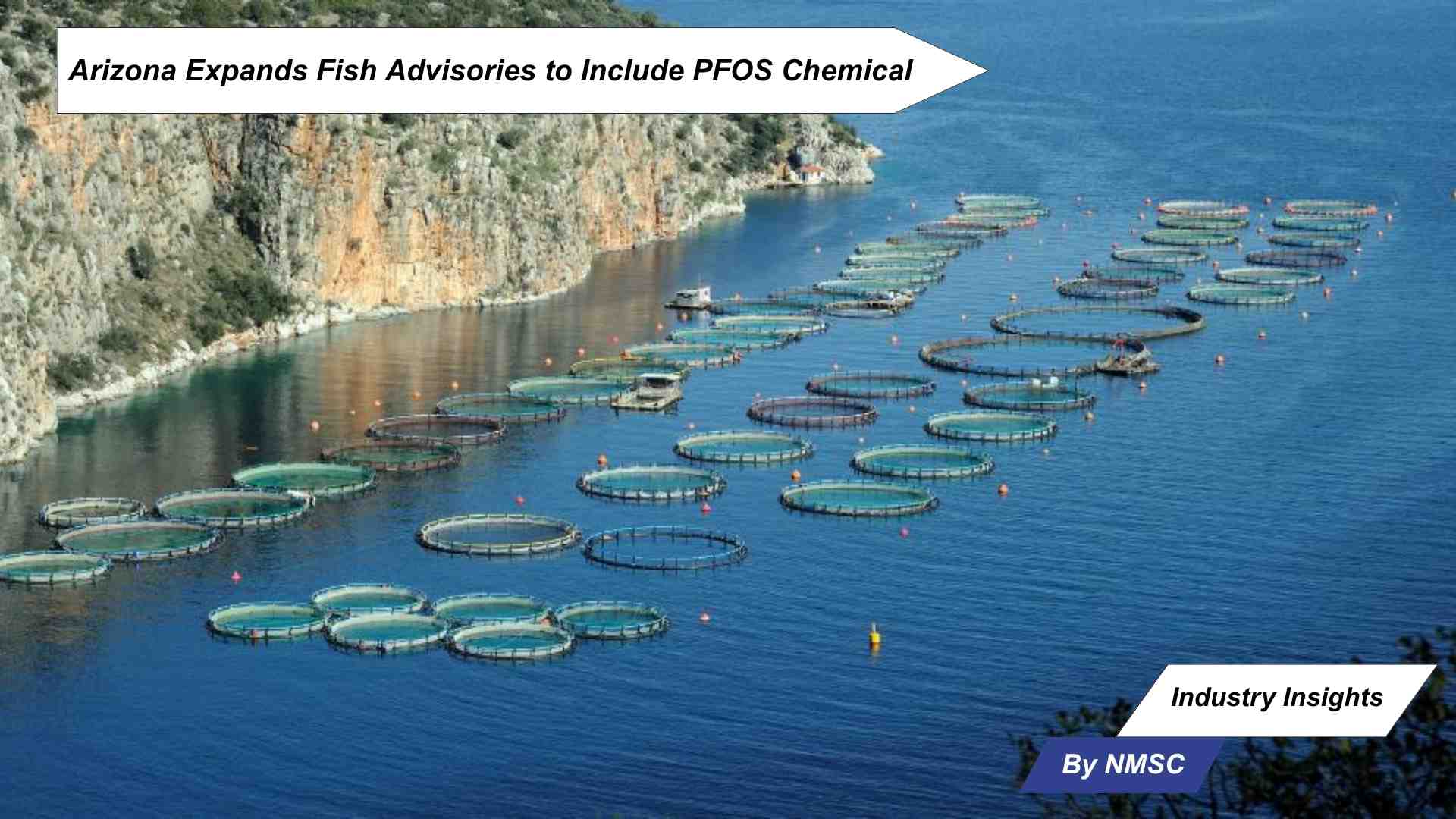
Global Aquaculture Market Faced with Tightening Compliance as Arizona Enacts Rigid PFOS Environmental Safeguards
PHOENIX, USA — May 29, 2026 — In a move that underscores the intensifying crosswinds between regulatory oversight and global food supply chains, the Arizona Department of Environmental Quality (ADEQ) has officially expanded its statewide fish consumption advisory framework to include perfluorooctanesulfonic acid (PFOS). The decision, executed in alignment with the Arizona Department of Health Services (ADHS) and the Arizona Game and Fish Department (AZGFD), marks a significant step forward in domestic environmental health monitoring and ripples directly into the broader consumer seafood and aquaculture sectors.
A Decisive Pivot in Contaminant Tracking
For decades, state environmental agencies have primarily focused fish tissue monitoring on heavy metals, with mercury acting as the baseline hazard. The incorporation of PFOS—a highly persistent organic pollutant belonging to the broader per- and polyfluoroalkyl substances (PFAS) family—represents a modernization of safety testing parameters. Backed by American Rescue Plan Act (ARPA) funding initiated by Governor Katie Hobbs, the state’s proactive testing mechanism has been expanded to screen for 40 distinct types of PFAS at more than 25 heavily trafficked recreational lakes, rivers, and streams.
"By adding PFOS to our existing advisory system, we are giving anglers clear guidance," stated Randy Matas, Acting Water Quality Division Director at ADEQ, emphasizing the reliance on strict thresholds established by the Great Lakes Consortium for Fish Consumption Advisories.
Key structural aspects of the expanded safety protocol include:
-
Targeted Tissue Analysis: Ongoing multi-site testing protocols evaluating wild fish fillets for bioaccumulative synthetic compounds.
-
Open-Access Telemetry: Planned migration of full tissue data sets into the U.S. Environmental Protection Agency’s (EPA) public water quality databases.
-
Stratified Public Guidance: Differentiating recreational surface-water activities (such as swimming and catch-and-release fishing, which present minimal absorption risks) from the long-term metabolic risks associated with dietary ingestion.
Aquaculture Market Impacts and Strategic Projections
As wild catchments face tightening ecological scrutiny, market metrics suggest a rapid realignment within the commercial seafood trade. The discovery of persistent "forever chemicals" in wild environments is steadily shifting retail and commercial volume targets toward highly controlled, biosecure production models.
"The introduction of rigid regional contamination advisories accelerates a foundational transition within the global protein matrix," notes an industry analyst at Next Move Strategy Consulting. "According to NMSC analysts, the global aquaculture market size—valued at approximately $290 billion—is projected to experience an altered trajectory as commercial buyers demand strict traceability and verifiable contaminant-free compliance. Incidents of wild-stock chemical exposure inevitably drive capital expenditures toward closed-loop recirculating Aquaculture systems (RAS) that insulate food supplies from unmanaged groundwater vectors."
Redefining the Safety Standard
The state's updated guidelines explicitly recommend that consumers prioritize stocked fish over long-lived wild species, citing the lower bioaccumulation factors inherent in controlled diets and abbreviated exposure windows. As federal agencies prepare to finalize broader TSCA chemical reporting protocols later this year, localized actions like Arizona's new tracking regime serve as an early operational benchmark for commercial supply chains adapting to an era of heightened chemical transparency.
Source: KVOA.com
Prepared By: Prakhyat Chowdhury
About the Author
 Sanyukta Deb
— Sanyukta Deb is Digital Marketing Team Lead at Next Move Strategy Consulting, where she has led content strategy and technical SEO for the firm's B2B market research publications for over 2 years. Her editorial process translates NextMSC's primary and secondary research — spanning technology, industrial, and consumer sectors — into commercial narratives, backed by search-intent, keyword, and competitive analysis. She brings 5 years of overall experience in digital marketing and content strategy.
Sanyukta Deb
— Sanyukta Deb is Digital Marketing Team Lead at Next Move Strategy Consulting, where she has led content strategy and technical SEO for the firm's B2B market research publications for over 2 years. Her editorial process translates NextMSC's primary and secondary research — spanning technology, industrial, and consumer sectors — into commercial narratives, backed by search-intent, keyword, and competitive analysis. She brings 5 years of overall experience in digital marketing and content strategy.
About the Reviewer
 Debashree Dey
— Debashree Dey is Assistant Manager at Next Move Strategy Consulting, where she supports cross-vertical market content and communications across diverse industries for 6 years. Her professional background includes senior content writing, communications, and published manuscript authorship, with experience developing audience-focused business narratives and maintaining clear, consistent messaging. Her role supports research-led content development and editorial quality across NextMSC publications.
Debashree Dey
— Debashree Dey is Assistant Manager at Next Move Strategy Consulting, where she supports cross-vertical market content and communications across diverse industries for 6 years. Her professional background includes senior content writing, communications, and published manuscript authorship, with experience developing audience-focused business narratives and maintaining clear, consistent messaging. Her role supports research-led content development and editorial quality across NextMSC publications.


















Add Comment