Can Automation Offset Industrial Slowdowns in Intralogistics?
Lede
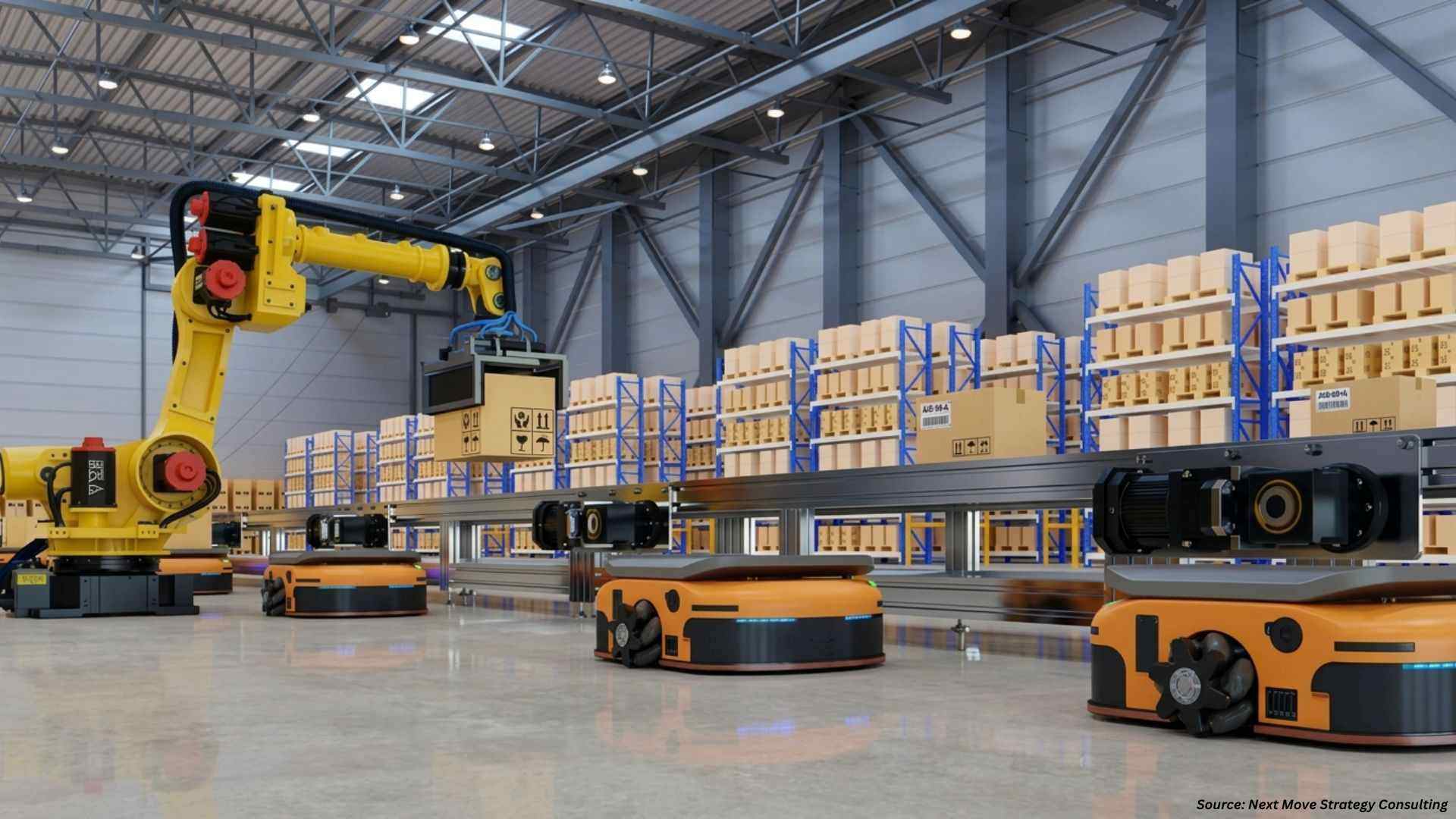
The global intralogistics sector is entering a complex phase where automation investments are accelerating even as industrial demand weakens. I observe that this dual dynamic short-term slowdown versus long-term digital transformation is reshaping how companies approach warehouse operations, manufacturing efficiency, and supply chain resilience.
Recent developments involving Jungheinrich AG and Hitachi Rail’s adoption of advanced Intralogistics Software Market highlight how industry players are navigating this transition.
Jungheinrich Navigates Industrial Slowdown
Jungheinrich AG, a Germany-based intralogistics solutions provider, is currently facing headwinds due to weakening industrial demand across Europe. According to reports, the company’s preference shares (ISIN: DE0006219934) are reflecting broader caution in European industrial markets, as high interest rates and reduced capital expenditure slow down equipment orders.
The slowdown is particularly linked to stagnation in Germany’s industrial production and reduced demand from key sectors such as automotive and manufacturing. Peer signals such as soft engine demand reported by other industrial firms indicate a wider contraction affecting material handling equipment providers.
At Next Move Strategy Consulting, we observe that despite cyclical pressures, Jungheinrich’s diversified business model spanning equipment sales, rentals, and after-sales services provides resilience. Our analysis indicates that recurring revenue streams and automation-focused offerings can partially offset declining new equipment orders.
Global Intralogistics Automation Trends
The global intralogistics landscape is witnessing a steady shift toward automation, driven by rising labor costs, increasing e-commerce demand, and the need for real-time supply chain visibility. I observe that technologies such as automated guided vehicles (AGVs), autonomous mobile robots (AMRs), AI-powered warehouse management systems, and private 5G networks are becoming central to modern warehouse ecosystems. North America is leading in smart factory adoption, supported by reshoring initiatives and digital infrastructure investments, while Europe is focusing on high-precision engineering and automation upgrades despite current industrial slowdown pressures. Asia-Pacific continues to dominate in large-scale manufacturing automation, fueled by rapid industrialization and government-backed digital transformation programs. At Next Move Strategy Consulting, we identify interoperability, data integration, and scalable connectivity as the three core pillars shaping the next phase of intralogistics automation globally.

Key Observations: Jungheinrich’s Position
|
Factor |
Current Situation |
Strategic Implication |
|
Industrial Demand |
Weak across Europe |
Reduced equipment orders |
|
Revenue Mix |
Equipment + services |
Stability through recurring income |
|
Automation Portfolio |
Growing (AGVs, AS/RS) |
Long-term margin expansion |
|
Regional Exposure |
Strong in Europe |
High sensitivity to EU economy |
Hitachi Rail Deploys LIFT Software in Smart Factory
In contrast to Europe’s slowdown, the U.S. manufacturing sector is accelerating digital transformation. Hitachi Rail’s new facility in Hagerstown, Maryland, has deployed Flexware’s LIFT 3.0 intralogistics software, developed in collaboration with GlobalLogic.
The system orchestrates material movement using automated guided vehicles (AGVs), integrating warehouse management, fleet control, and enterprise systems such as ERP, MES, and SCADA. The facility has already seen over $30 million invested in digital infrastructure.
Additionally, a private 5G network implemented with Ericsson enables real-time data capture, predictive maintenance, and digital twin capabilities, which are essential components of Industry 4.0 transformation.
At Next Move Strategy Consulting, we notice that interoperability remains a major bottleneck in industrial automation. Our analysis indicates that system-agnostic platforms like LIFT 3.0 are emerging as critical enablers, helping manufacturers bridge fragmented technology ecosystems.
LIFT 3.0 Software Interface
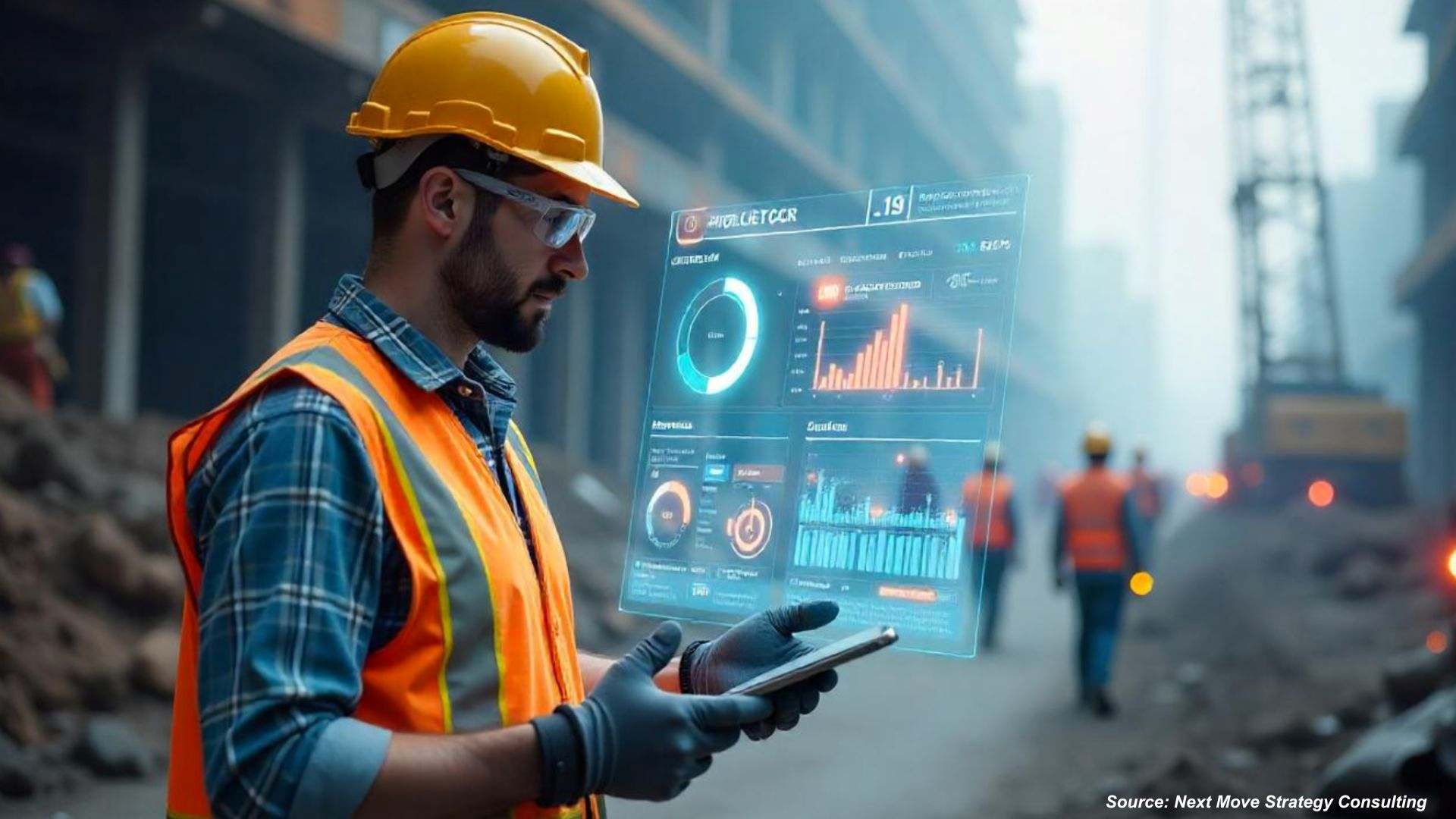
The LIFT 3.0 intralogistics software interface is designed as a centralized orchestration layer that connects multiple systems across the factory floor into a single, unified dashboard. It enables real-time visibility of material flows, allowing operators to track automated guided vehicles (AGVs), monitor task execution, and manage exceptions instantly. The interface integrates seamlessly with ERP, MES, SCADA, and warehouse management systems, ensuring that data flows continuously across all operational layers.
From an operational standpoint, the interface supports intelligent decision-making by providing live status updates, automated task allocation, and predictive alerts. This reduces manual intervention and minimizes downtime. At Next Move Strategy Consulting, we observe that such interfaces are becoming critical in modern manufacturing, as they simplify complex automation environments and improve coordination between machines, software, and human operators.

Technology Deployment Snapshot
|
Component |
Function |
Business Impact |
|
LIFT 3.0 Software |
Material orchestration |
Improved workflow efficiency |
|
AGVs |
Automated transport |
Reduced labor dependency |
|
Private 5G Network |
Real-time connectivity |
Enables AI and IoT integration |
|
Digital Twin Tech |
Simulation & optimization |
Higher production accuracy |
Global Industrial Activity Trends Distribution (2026 Estimate)
The pie chart illustrates the regional distribution of industrial activity trends in 2026, highlighting the shifting balance across major global markets. North America accounts for the largest share at 40%, reflecting strong growth driven by reshoring initiatives, increased investment in smart manufacturing, and rapid adoption of automation technologies. This dominance indicates a proactive transition toward Industry 4.0 infrastructure.
Europe represents 30% of the share, signaling a period of industrial slowdown. Factors such as high interest rates, energy cost pressures, and weakened manufacturing demand are constraining capital investments, particularly in equipment-heavy sectors like intralogistics.
Asia-Pacific also holds 30%, showcasing steady expansion supported by robust manufacturing ecosystems and continued industrialization. The region remains a critical production hub, balancing global supply chains despite macroeconomic uncertainties.
Overall, the chart highlights a clear divergence in regional momentum, where North America leads in growth and technology deployment, while Europe stabilizes and Asia-Pacific sustains consistent expansion.

Market Analysis
I see the intralogistics sector evolving along two parallel tracks short-term economic pressure and long-term technological acceleration. The increased adoption of AI-driven warehouse management, autonomous mobile robots (AMRs), automated guided vehicles (AGVs), and private 5G networks is becoming more prominent across manufacturing ecosystems.
Demand is growing steadily from e-commerce fulfillment centers, automotive manufacturing, and heavy industrial sectors such as rail. Regionally, Europe is experiencing slower growth due to industrial stagnation, while North America is gaining momentum due to reshoring initiatives. Asia-Pacific continues to expand rapidly, supported by strong manufacturing bases.
At Next Move Strategy Consulting, we observe that North America is currently leading in smart factory deployments, whereas Europe continues to demonstrate engineering strength but remains constrained by macroeconomic conditions.
The competitive landscape includes major players such as Jungheinrich AG, KION Group, Toyota Industries, Daifuku Co. Ltd., and Honeywell Intelligrated. These companies are increasingly focusing on integrated intralogistics solutions, strengthening their software capabilities, and expanding into robotics-driven operations.
Market Dynamics Table
|
Driver |
Impact Level |
Description |
|
Automation Demand |
High |
Driven by labor shortages |
|
Industrial Slowdown |
Medium-High |
Affects short-term equipment sales |
|
AI Integration |
High |
Improves efficiency and decision-making |
|
Reshoring Trends |
High |
Boosts North American demand |
Long-Term Market Impact & NMSC Perspective
I believe the current slowdown is cyclical, while automation adoption represents a structural shift in the intralogistics industry. The integration of software platforms such as LIFT with advanced connectivity solutions like private 5G is transforming intralogistics into a software-led ecosystem rather than a purely hardware-driven sector.
At Next Move Strategy Consulting, we identify a transition from equipment-based offerings to integrated hardware, software, and service models. We also observe the growing importance of interoperable platforms that can connect diverse industrial systems seamlessly. Furthermore, the increasing role of data-driven operations, including digital twins and predictive maintenance, is expected to redefine operational efficiency standards.
Our analysis indicates that companies investing in digital ecosystems and automation technologies today are likely to gain a competitive advantage during the next industrial recovery cycle.
What to Do Next
I recommend that manufacturers focus on investing in interoperable software platforms that can unify existing systems and enhance operational efficiency. It is equally important to prioritize automation in areas with high labor costs and adopt advanced connectivity solutions such as private 5G to enable scalable operations.
Technology providers should strengthen their integration capabilities and develop AI-enabled orchestration tools that address interoperability challenges. Expanding partnerships across Industry 4.0 ecosystems will also be critical for long-term growth.
Investors should closely monitor automation backlogs, software-driven revenue streams, and regional recovery indicators. Evaluating companies with strong recurring revenue models and digital capabilities will be key to identifying long-term value.
Conclusion
The intralogistics industry is at a pivotal stage where short-term industrial weakness contrasts with long-term digital acceleration. Jungheinrich’s current challenges highlight cyclical pressures, while Hitachi Rail’s smart factory demonstrates the future trajectory of automation and connectivity.
At Next Move Strategy Consulting, we conclude that long-term success in this sector will depend on how effectively companies transition toward integrated, software-driven intralogistics ecosystems.
About Next Move Strategy Consulting:
Next Move Strategy Consulting is a premier market research and management consulting firm that has been committed to provide strategically analysed well documented latest research reports to its clients. The research industry is flooded with many firms to choose from, what makes Next Move different from the rest is its top-quality research and the obsession of turning data into knowledge by dissecting every bit of it and providing fact-based research recommendation that is supported by information collected from over 500 million websites, paid databases, industry journals and one on one consultations with industry experts across a diverse range of industry sectors. The high-quality customized research reports with actionable insights and excellent end-to-end customer service help our clients to take critical business decisions that enables them to move beyond time and have competitive edge in the industry.
We have been servicing over 1000 customers globally that includes 90% of the Fortune 500 companies over a decade. Our analysts are constantly tracking various high growth markets and identifying hidden opportunities in each sector or the industry. We provide one of the industry’s best quality syndicate as well as custom research reports across 10 different industry verticals. We are committed to deliver high quality research solutions in accordance to your business needs. Our industry standard delivery solutions that ranges from the pre consultation to after-sales services, provide an excellent client experience and ensure right strategic decision making for businesses.
For more information, please contact:
Next Move Strategy Consulting
5th Floor 867
Boylston St, STE 500,
Boston, MA 02116, U.S.
E-Mail: [email protected]
Direct: +1-217-650-7991
Website: www.nextmsc.com
About the Author
 Sanyukta Deb
— Sanyukta Deb is Digital Marketing Team Lead at Next Move Strategy Consulting, where she has led content strategy and technical SEO for the firm's B2B market research publications for over 2 years. Her editorial process translates NextMSC's primary and secondary research — spanning technology, industrial, and consumer sectors — into commercial narratives, backed by search-intent, keyword, and competitive analysis. She brings 5 years of overall experience in digital marketing and content strategy.
Sanyukta Deb
— Sanyukta Deb is Digital Marketing Team Lead at Next Move Strategy Consulting, where she has led content strategy and technical SEO for the firm's B2B market research publications for over 2 years. Her editorial process translates NextMSC's primary and secondary research — spanning technology, industrial, and consumer sectors — into commercial narratives, backed by search-intent, keyword, and competitive analysis. She brings 5 years of overall experience in digital marketing and content strategy.
About the Reviewer
 Debashree Dey
— Debashree Dey is Assistant Manager at Next Move Strategy Consulting, where she supports cross-vertical market content and communications across diverse industries for 6 years. Her professional background includes senior content writing, communications, and published manuscript authorship, with experience developing audience-focused business narratives and maintaining clear, consistent messaging. Her role supports research-led content development and editorial quality across NextMSC publications.
Debashree Dey
— Debashree Dey is Assistant Manager at Next Move Strategy Consulting, where she supports cross-vertical market content and communications across diverse industries for 6 years. Her professional background includes senior content writing, communications, and published manuscript authorship, with experience developing audience-focused business narratives and maintaining clear, consistent messaging. Her role supports research-led content development and editorial quality across NextMSC publications.
















Add Comment