Diabetic Food Market: Nutrition-Led Care, Traditional Diets & Preventive Health Shift
Lede
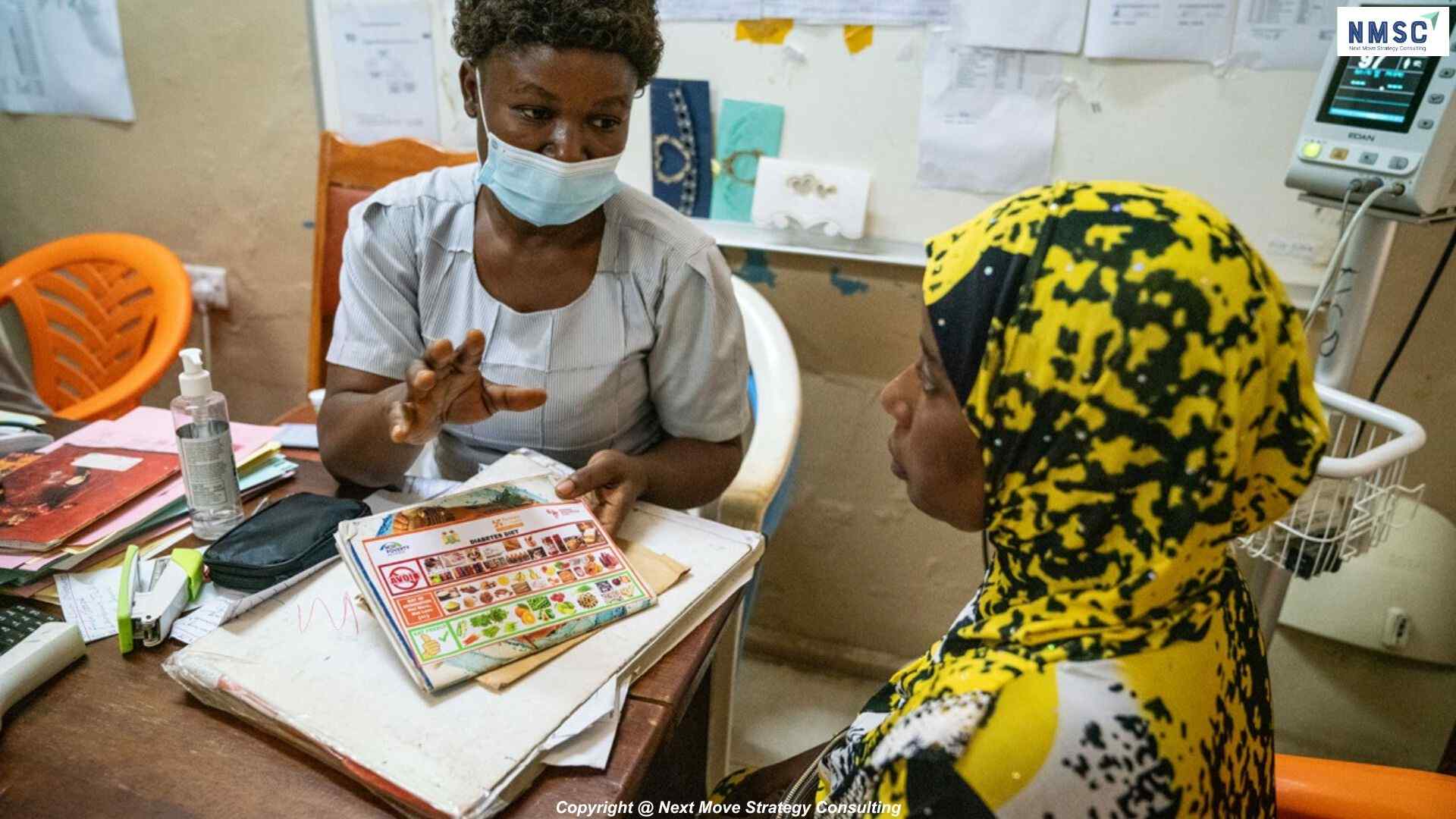
The Diabetic Food Market is entering a transformative phase as global health authorities and emerging clinical evidence increasingly position diet as a primary tool in diabetes management. Recent developments—including the World Health Organization’s (WHO) global guidelines on diabetes during pregnancy and new research from Nepal demonstrating the reversal of type 2 diabetes through traditional diets—signal a shift toward preventive, nutrition-led healthcare. These advancements highlight how structured dietary interventions, culturally relevant food systems, and affordability-driven nutrition models are redefining diabetes care and influencing the evolution of diabetic food solutions worldwide.
WHO Strengthens Nutrition-Centric Diabetes Care Framework
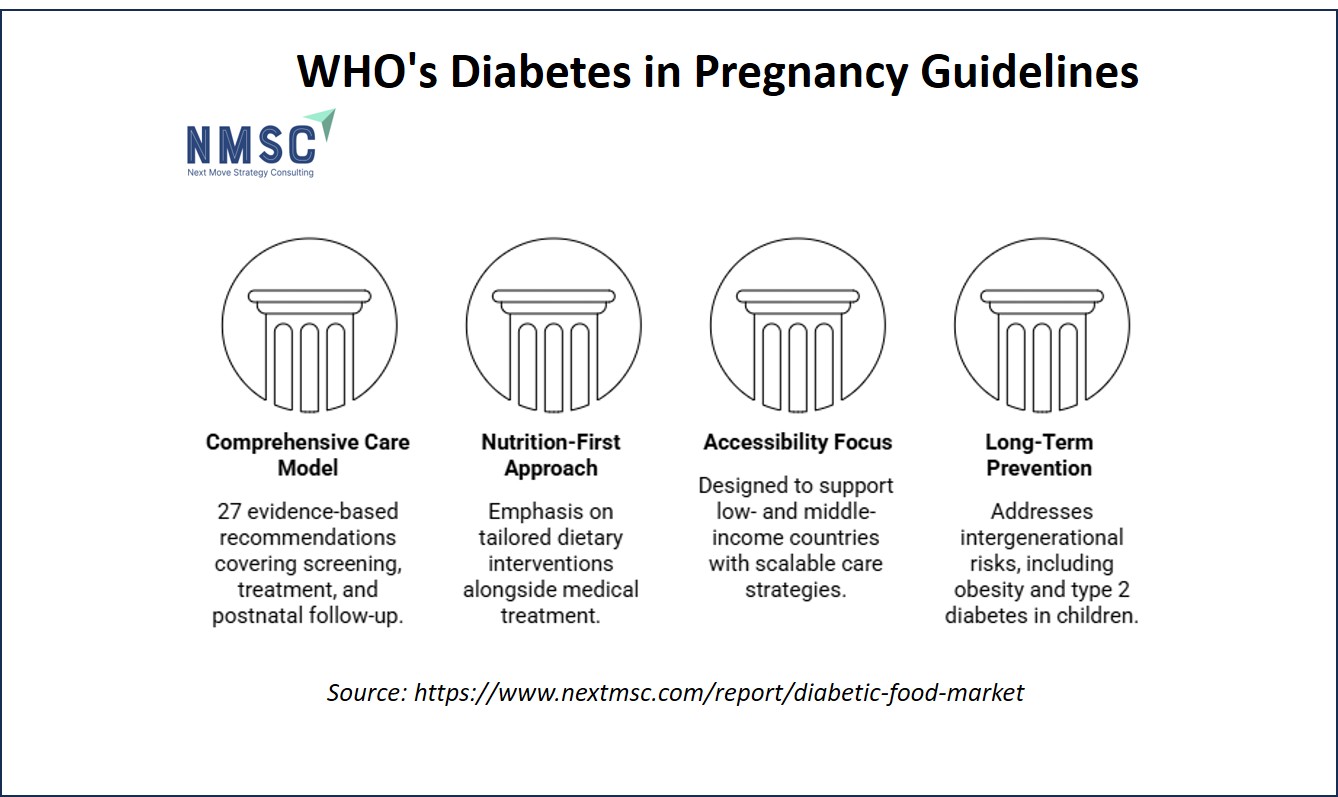
The World Health Organization (WHO) recently launched its first global guidelines focused on diabetes during pregnancy, addressing a condition that affects millions of women worldwide. The guidelines emphasize a structured, life-cycle approach to diabetes care, integrating early diagnosis, continuous monitoring, and most importantly, personalized nutrition planning as a foundational element of treatment.
Key highlights include:
-
Comprehensive care model: 27 evidence-based recommendations covering screening, treatment, and postnatal follow-up.
-
Nutrition-first approach: Emphasis on tailored dietary interventions alongside medical treatment.
-
Accessibility focus: Designed to support low- and middle-income countries with scalable care strategies.
-
Long-term prevention: Addresses intergenerational risks, including obesity and type 2 diabetes in children.
From our observations at Next Move Strategy Consulting, this development reinforces a broader industry shift—nutrition is no longer a supportive element but a central pillar of diabetes management. As healthcare systems formalize dietary guidelines, the demand for clinically aligned diabetic food solutions is expected to expand significantly.
Nepal Study Highlights Power of Traditional Diets
Complementing global policy developments, recent studies from Nepal reveal that traditional, minimally processed diets can play a critical role in reversing type 2 diabetes. The research demonstrates that structured dietary programs based on local staples such as lentils, rice, and vegetables can deliver measurable clinical outcomes.
Key findings include:
-
Diabetes remission: Around 43% of participants achieved remission through calorie-controlled traditional diets.
-
Rapid impact: Nearly half of participants reversed diabetes within a few months in ongoing trials.
-
Low-cost intervention: Relies on affordable, locally available foods rather than specialized products.
-
Lifestyle integration: Supported by community health systems rather than hospital-centric care.
We observe that this approach challenges conventional reliance on highly processed “diabetic-friendly” foods. Instead, it highlights the effectiveness of whole-food-based, culturally familiar diets in managing and even reversing diabetes.
Next Move Strategy Consulting Perspective
Our research indicates that the Diabetic Food Market is undergoing a structural transition, characterized by:
-
Shift Toward Functional Everyday Nutrition – Traditional and minimally processed foods are gaining recognition as effective diabetes management tools, reducing dependence on niche “sugar-free” products.
-
Integration with Preventive Healthcare – Global guidelines are embedding dietary solutions into clinical pathways, increasing the relevance of medically aligned food products.
-
Affordability-Driven Innovation – Emerging markets are prioritizing cost-effective nutrition solutions, encouraging the use of local ingredients and scalable dietary models.
-
Declining Reliance on Ultra-Processed Foods – Growing evidence linking processed diets to diabetes prevalence is driving demand for natural and whole-food alternatives.
Impact & Future Prospects:
-
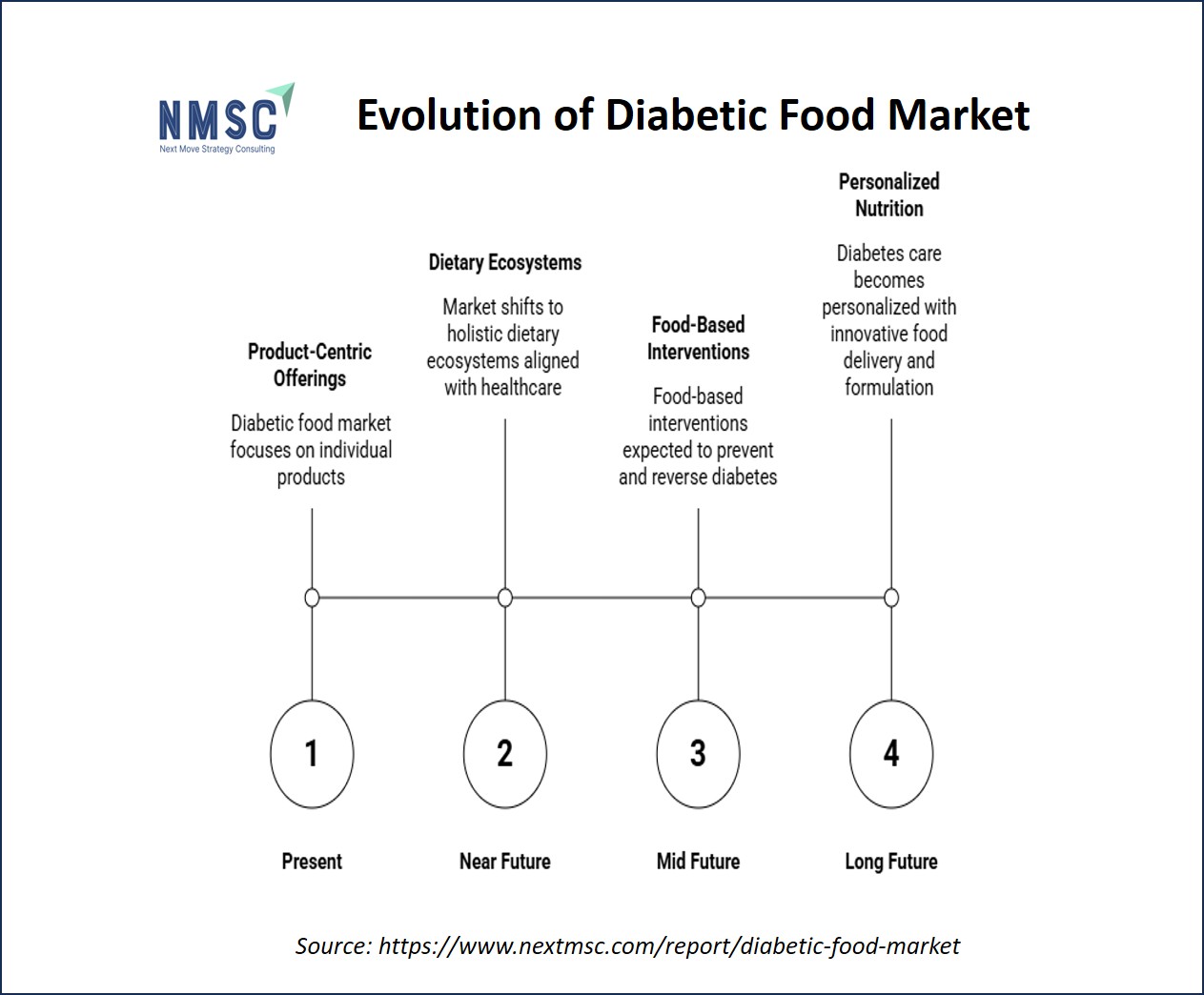
The diabetic food market is evolving from product-centric offerings to holistic dietary ecosystems aligned with healthcare systems.
-
Food-based interventions are expected to play a larger role in preventing and potentially reversing diabetes, not just managing it.
-
Regional dietary models and traditional food systems will likely influence product innovation and market strategies.
-
Partnerships between healthcare providers and food companies are anticipated to increase, supporting clinically validated nutrition solutions.
Overall, we observe that diabetes care is shifting closer to everyday nutrition, creating new opportunities for innovation in food formulation, delivery, and personalization.
Conclusion
The Diabetic Food Market is moving beyond conventional “diet foods” toward a more integrated, preventive, and culturally relevant nutrition model. WHO’s structured dietary guidelines and Nepal’s evidence on traditional diets collectively demonstrate that food is becoming a frontline intervention in diabetes care.
Next Move Strategy Consulting estimates that companies aligning with preventive healthcare trends, affordability, and region-specific dietary practices will shape the future of the market, driving sustainable growth and improved health outcomes.
About Next Move Strategy Consulting:
Next Move Strategy Consulting is a premier market research and management consulting firm that has been committed to providing strategically analysed well documented latest research reports to its clients. The research industry is flooded with many firms to choose from, what makes Next Move different from the rest is its top-quality research and the obsession of turning data into knowledge by dissecting every bit of it and providing fact-based research recommendation that is supported by information collected from over 500 million websites, paid databases, industry journals and one on one consultations with industry experts across a diverse range of industry sectors. The high-quality customized research reports with actionable insights and excellent end-to-end customer service help our clients to take critical business decisions that enables them to move beyond time and have competitive edge in the industry.
We have been servicing over 1000 customers globally that includes 90% of the Fortune 500 companies over a decade. Our analysts are constantly tracking various high growth markets and identifying hidden opportunities in each sector or the industry. We provide one of the industry’s best quality syndicate as well as custom research reports across 10 different industry verticals. We are committed to deliver high quality research solutions in accordance to your business needs. Our industry standard delivery solutions that ranges from the pre consultation to after-sales services, provide an excellent client experience and ensure right strategic decision making for businesses.
For more information please contact:
Next Move Strategy Consulting
5th Floor 867 Boylston St, STE 500,
Boston, MA 02116, U.S.
E-Mail: [email protected]
Direct: +1 857 758 5017
Website: www.nextmsc.com
About the Author
 Sanyukta Deb
— Sanyukta Deb is Digital Marketing Team Lead at Next Move Strategy Consulting, where she has led content strategy and technical SEO for the firm's B2B market research publications for over 2 years. Her editorial process translates NextMSC's primary and secondary research — spanning technology, industrial, and consumer sectors — into commercial narratives, backed by search-intent, keyword, and competitive analysis. She brings 5 years of overall experience in digital marketing and content strategy.
Sanyukta Deb
— Sanyukta Deb is Digital Marketing Team Lead at Next Move Strategy Consulting, where she has led content strategy and technical SEO for the firm's B2B market research publications for over 2 years. Her editorial process translates NextMSC's primary and secondary research — spanning technology, industrial, and consumer sectors — into commercial narratives, backed by search-intent, keyword, and competitive analysis. She brings 5 years of overall experience in digital marketing and content strategy.
About the Reviewer
 Debashree Dey
— Debashree Dey is Assistant Manager at Next Move Strategy Consulting, where she supports cross-vertical market content and communications across diverse industries for 6 years. Her professional background includes senior content writing, communications, and published manuscript authorship, with experience developing audience-focused business narratives and maintaining clear, consistent messaging. Her role supports research-led content development and editorial quality across NextMSC publications.
Debashree Dey
— Debashree Dey is Assistant Manager at Next Move Strategy Consulting, where she supports cross-vertical market content and communications across diverse industries for 6 years. Her professional background includes senior content writing, communications, and published manuscript authorship, with experience developing audience-focused business narratives and maintaining clear, consistent messaging. Her role supports research-led content development and editorial quality across NextMSC publications.


















Add Comment