Egypt Advances Smart Mobility with IoT Licenses - NTRA Move
Industry Insights from Next Move Strategy Consulting
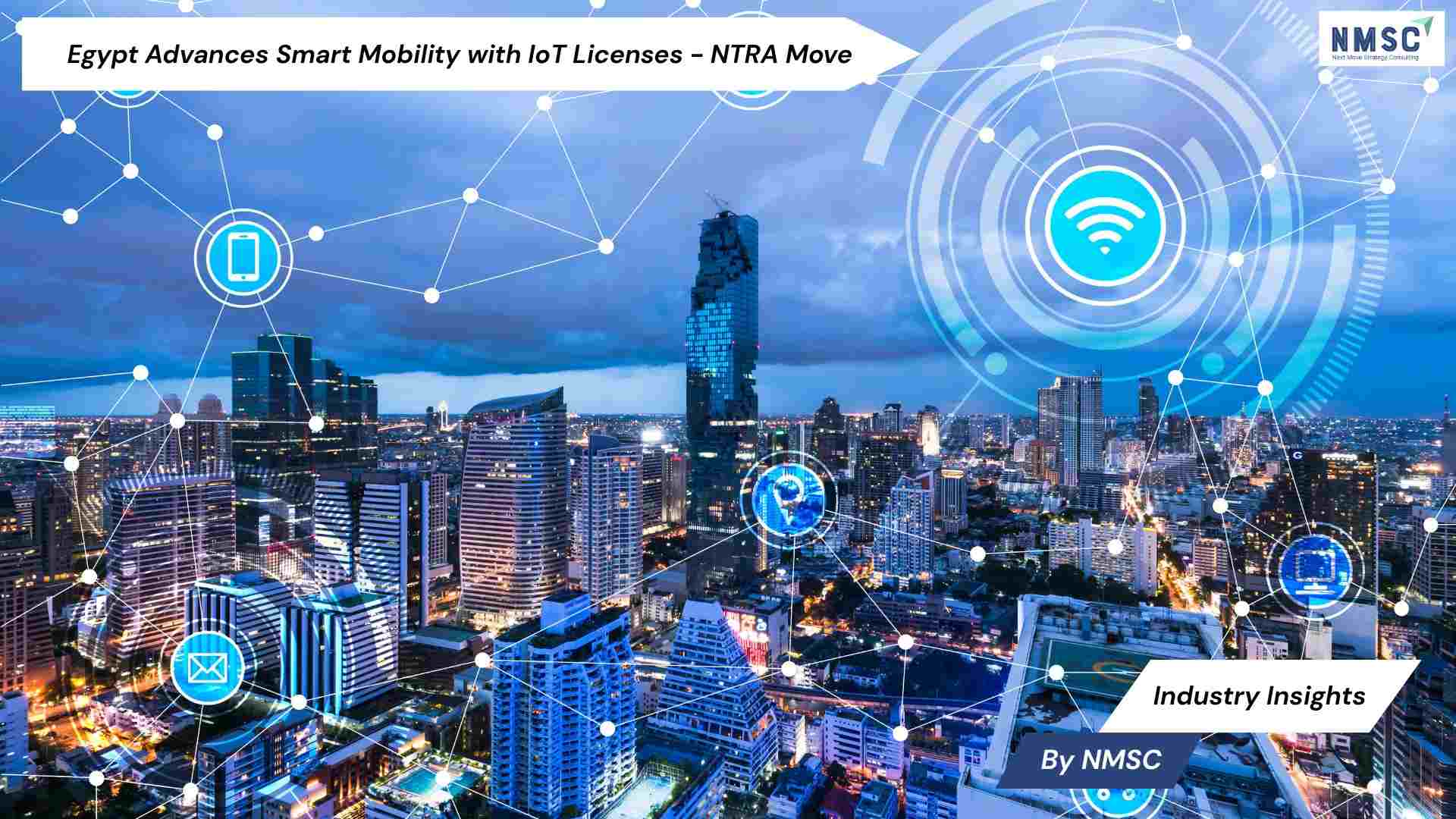
Egypt is accelerating its journey toward a digitally transformed future, with the National Telecom Regulatory Authority (NTRA) authorizing IoT services for smart vehicles. This milestone introduces advanced navigation, tracking, and emergency response capabilities for drivers, underpinned by stringent data privacy and security measures, solidifying Egypt’s role as a leader in connected automotive technology.
Advancing Connected Vehicle Ecosystems
Smart mobility in emerging markets has often been challenged by regulatory complexities and data protection concerns. The NTRA’s recent approval enables manufacturers to implement IoT solutions, creating a secure and regulated environment that enhances driver safety and convenience. The initiative, formalized under the oversight of Minister of Communications and Information Technology Amr Talaat, saw licensing agreements signed with seven global automotive leaders: OnStar (General Motors), Mansour MG Automotive (IM brand, China), Global Auto (BMW), Alpha Ezz El-Arab (Volvo, Aston Martin, Lotus, and Lynk & Co), Egyptian International Motors – EIM (Zeekr and BAIC), Egyptian Automotive and Trading Co. (Audi, Škoda), and SMG Engineering Automotive Co. (Porsche, Scania).
“These services elevate the driving experience by integrating cutting-edge information and communication technologies,” said Minister Talaat. He underscored the role of artificial intelligence in continuously enhancing these offerings, enabling secure and efficient interactions between drivers and their vehicles for a seamless, modernized experience.
Core Features of IoT Services:
-
Navigation Systems: Delivering accurate, real-time routing for optimal travel.
-
Vehicle Tracking: Enabling secure monitoring of vehicle location and status.
-
Emergency Assistance: Providing rapid-response tools for critical situations.
-
Data Privacy Safeguards: Ensuring compliance with national standards to protect user information.
-
NTRA Executive President Mohamed Shamroukh described this as a transformative step for Egypt’s smart transportation framework, aligning with the nation’s Digital Egypt strategy to embrace global technologies while prioritizing user rights and data security.
Impact on the IoT Market: Next Move Strategy Consulting’s View
This licensing initiative is poised to catalyze growth in the Internet of Things (IoT) market, particularly in the automotive sector across Africa and the Middle East. By fostering a regulated environment for IoT-enabled vehicles, Egypt is driving demand for connected solutions, spurring investment in AI analytics, edge computing, and secure network infrastructure. This move could inspire similar advancements regionally, contributing to the global IoT ecosystem’s expansion and fueling innovation in smart mobility solutions.
Shaping Egypt’s Digital Mobility Future
Anchored in the Digital Egypt strategy, these IoT licenses position Egypt as a trailblazer in smart infrastructure. By integrating advanced technology with everyday mobility, the initiative enhances vehicle functionality while laying the groundwork for a connected, digitally empowered society focused on safety and efficiency.
Next Steps for Stakeholders
To fully capitalize on this IoT licensing breakthrough, stakeholders should consider the following actions:
-
Automotive Manufacturers: Accelerate the deployment of IoT-enabled vehicles in Egypt, ensuring compliance with NTRA regulations and prioritizing user-centric features like real-time diagnostics and enhanced safety protocols.
-
Technology Providers: Collaborate with licensed automotive firms to develop and integrate advanced AI and IoT solutions, focusing on scalable platforms that support future innovations in smart mobility.
-
Regulators and Policymakers: Monitor the implementation of IoT services to ensure ongoing adherence to data privacy and security standards, while exploring additional policies to expand IoT applications in other sectors.
-
Consumers and Businesses: Adopt IoT-enabled vehicles to leverage improved navigation, tracking, and emergency services, contributing to broader market adoption and feedback for service enhancements.
-
Investors and Market Analysts: Evaluate opportunities in Egypt’s growing IoT and automotive sectors, particularly in supporting infrastructure like 5G networks and edge computing, to drive long-term growth.
Source: TechAfrica News
Prepared by: Next Move Strategy Consulting
About the Author
 Sanyukta Deb
— Sanyukta Deb is Digital Marketing Team Lead at Next Move Strategy Consulting, where she has led content strategy and technical SEO for the firm's B2B market research publications for over 2 years. Her editorial process translates NextMSC's primary and secondary research — spanning technology, industrial, and consumer sectors — into commercial narratives, backed by search-intent, keyword, and competitive analysis. She brings 5 years of overall experience in digital marketing and content strategy.
Sanyukta Deb
— Sanyukta Deb is Digital Marketing Team Lead at Next Move Strategy Consulting, where she has led content strategy and technical SEO for the firm's B2B market research publications for over 2 years. Her editorial process translates NextMSC's primary and secondary research — spanning technology, industrial, and consumer sectors — into commercial narratives, backed by search-intent, keyword, and competitive analysis. She brings 5 years of overall experience in digital marketing and content strategy.
About the Reviewer
 Debashree Dey
— Debashree Dey is Assistant Manager at Next Move Strategy Consulting, where she supports cross-vertical market content and communications across diverse industries for 6 years. Her professional background includes senior content writing, communications, and published manuscript authorship, with experience developing audience-focused business narratives and maintaining clear, consistent messaging. Her role supports research-led content development and editorial quality across NextMSC publications.
Debashree Dey
— Debashree Dey is Assistant Manager at Next Move Strategy Consulting, where she supports cross-vertical market content and communications across diverse industries for 6 years. Her professional background includes senior content writing, communications, and published manuscript authorship, with experience developing audience-focused business narratives and maintaining clear, consistent messaging. Her role supports research-led content development and editorial quality across NextMSC publications.

















Add Comment