Has the World Reached a Renewable Energy Tipping Point?
Lede:
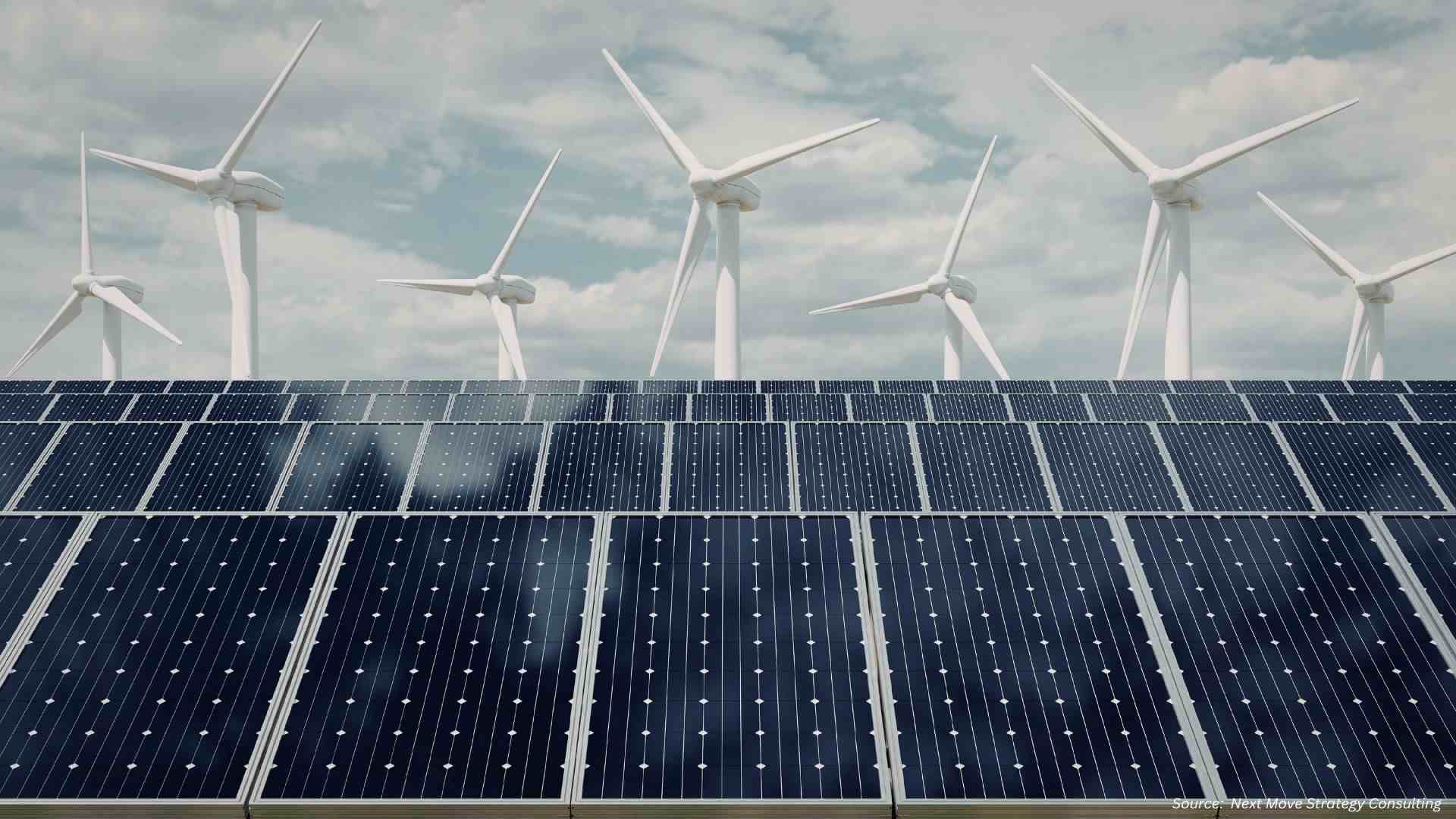
Renewable energy has crossed a historic inflection point, with solar and wind now outpacing fossil fuels in cost, capacity additions, and electricity generation growth. Fresh reports from the United Nations, International Renewable Energy Agency, International Energy Agency, and energy think tank Ember confirm that the global energy transition has entered what leaders are calling a “positive tipping point.” Yet while momentum is undeniable, the pace and fairness of the transition remain critical concerns.
A Structural Shift in Global Power Generation
According to the UN’s multi-agency report Seizing the Moment of Opportunity, renewable energy accounted for 92.5 percent of all new electricity capacity added worldwide in 2024. Furthermore, 74 percent of the growth in global electricity generation last year came from wind, solar, and other clean sources.
Cost dynamics have accelerated this transition. Data compiled by IRENA show that:
-
Solar power is now 41 percent cheaper than the lowest-cost fossil fuel alternative.
-
Onshore wind is 53 percent cheaper.
-
Onshore wind, solar photovoltaic (PV), and new hydropower emerged as the three most affordable sources of electricity globally in 2024.
At UN headquarters in New York, Secretary-General António Guterres declared, “The fossil fuel age is flailing and failing. We are in the dawn of a new energy era.”
Investment patterns reflect this shift. In 2024, global green energy investment reached $2 trillion, approximately $800 billion more than fossil fuel investments. Electric vehicle adoption also surged from 500,000 units sold in 2015 to more than 17 million in 2024.
Renewables Surpass Coal as Demand Climbs
In a parallel development, Ember’s latest electricity analysis found that renewables generated more electricity than coal for the first time ever. Solar and wind growth during the first half of 2025 exceeded the rise in global electricity demand, leading to a slight decline in coal and gas generation compared to the same period in 2024. Meanwhile, the IEA projects that global renewable capacity will expand by 4,600 gigawatts (GW) by 2030 roughly equivalent to adding the combined power capacity of China, the European Union, and Japan today. Solar PV alone is expected to contribute nearly 80 percent of this increase. However, the transition is uneven. China, India, and Brazil are leading capacity growth, while Africa accounted for less than 2 percent of new renewable installations last year despite significant electrification needs.
Key Components in the Renewable-Hydrogen System Model
|
Component |
Function in the System |
|
Renewable Energy Sources |
Generate electricity from solar, wind, and water |
|
Power Converters (AC/DC etc.) |
Standardize and regulate electrical output |
|
Electrolytic Cell |
Converts electricity into hydrogen via water splitting |
|
Hydrogen Storage Tank |
Stores hydrogen for later use |
|
Hydrogen Compressor |
Maintains required storage and transport pressure |
|
Fuel Cell |
Converts hydrogen back into electricity |
|
Substation & External Grid |
Enables grid connectivity and bidirectional power flow |
Hybrid Renewable Power and Hydrogen Storage System Architecture
A hybrid renewable energy system integrated with hydrogen production, storage, and reconversion infrastructure. It represents a closed-loop clean energy model where renewable electricity is not only consumed directly but also converted into hydrogen for storage, transportation, and later reuse. Multiple renewable sources including water/tidal, solar, and wind energy generate electricity. Because these sources produce either alternating current (AC) or direct current (DC), power converters such as AC/AC, DC/AC, and AC/DC systems are used to regulate and standardize output before integration into the system.
Renewable Power to Hydrogen Conversion
Electricity from renewable sources feeds into a hydrogen production system, where an electrolytic cell splits water into hydrogen (H₂) using DC power. The diagram also highlights a DC chopper circuit that regulates voltage and current to maintain efficient electrolysis performance.
Once generated, hydrogen flows into:
-
A hydrogen storage tank
-
A hydrogen compressor for pressure management
-
Distribution pathways including fuel supply options (H₂, CH₄, or hydrogen blends)
Storage, Transport, and Grid Interaction
Stored hydrogen can serve multiple purposes:
-
Fuel Cell Reconversion – Hydrogen is converted back into electricity via a fuel cell, supplying power to the external grid through AC/DC converters.
-
Transportation Applications – The diagram shows hydrogen fueling a vehicle (air load), representing mobility integration.
-
Grid Stabilization – Excess renewable energy is converted into hydrogen during peak generation and later reconverted when demand increases.
A substation and external grid connection demonstrate bidirectional energy flow, allowing the system to either draw power from or supply power to the grid.

The Energy Demand Challenge
Despite the rapid expansion of renewables, fossil fuel production continues to rise in absolute terms. This paradox is driven by surging electricity demand particularly from developing economies, cooling requirements in warmer climates, and energy-intensive artificial intelligence data centres. The UN warns that by 2030, global data centres could consume as much electricity as Japan does today. The Secretary-General has called on major technology companies to power data centres entirely with renewable energy by 2030. Subsidy imbalances remain another structural hurdle. In 2023, fossil fuels received approximately $620 billion in global consumption subsidies, compared to $70 billion for renewables.
Long-Term Impact on the Renewable Energy Market
The current inflection point signals more than cost parity; it suggests structural rebalancing across the Renewable Energy Market ecosystem.
1. Capital Reallocation Trends
Institutional investors are increasingly redirecting portfolios toward clean infrastructure, grid modernization, storage, and green hydrogen. This is reshaping global capital flows beyond generation assets alone.
2. Industrial Competitiveness
Countries anchoring their economic strategy in renewables are building competitive advantages in manufacturing, battery storage, and supply chain localization. China’s green economy contribution nearly one-tenth of its GDP illustrates this industrial integration model.
3. Grid and Storage Expansion
The next growth phase will depend less on panel installation and more on transmission networks, smart grids, and large-scale battery storage deployment.
4. Equity and Financing Reform
Emerging markets require concessional financing structures to prevent debt stress while scaling clean power. Without financial reform, growth imbalances could widen.
Next Move Strategy Consulting’s View
According to analysts at Next Move Strategy Consulting, the transition has moved from a policy-driven ambition to an economics-driven inevitability.
Structural Observations:
-
Cost curves are now self-reinforcing; lower prices drive adoption, which further lowers costs through scale efficiencies.
-
The Renewable Energy Market is entering a phase of integration complexity, where grid stability, storage solutions, and demand management will determine sustainable expansion.
-
AI-driven energy consumption will paradoxically accelerate renewable investments, as corporate decarbonization commitments push hyperscale operators toward long-term renewable power purchase agreements.
Forward Outlook:
NMSC anticipates that the next decade will be defined not merely by capacity additions, but by systemic electrification across transport, industry, and digital infrastructure. Countries that delay grid modernization risk stranded fossil assets and declining competitiveness.
Rather than viewing renewables solely through a climate lens, NMSC suggests that the defining narrative will be economic resilience, industrial leadership, and energy security.
A Turning Point, But Not the Finish Line
While renewable energy has reached a measurable tipping point in cost and deployment, the transition remains incomplete. Demand growth, fossil fuel subsidies, financing disparities, and infrastructure constraints could slow progress if not addressed.
The message from global institutions is clear: the clean energy era is no longer theoretical. It is operational. The central question now is whether governments, industries, and financial systems can scale this transformation fast enough to meet both climate goals and economic expectations. If current trends continue, the Renewable Energy Market is not merely expanding it is redefining the global energy order.
About Next Move Strategy Consulting:
Next Move Strategy Consulting is a premier market research and management consulting firm that has been committed to providing strategically analysed well documented latest research reports to its clients. The research industry is flooded with many firms to choose from, what makes NMSC different from the rest is its top-quality research and the obsession of turning data into knowledge by dissecting every bit of it and providing fact-based research recommendation that is supported by information collected from over 500 million websites, paid databases, industry journals and one on one consultations with industry experts across a diverse range of industry sectors. The high-quality customized research reports with actionable insights and excellent end-to-end customer service help our clients to take critical business decisions that enables them to move beyond time and have competitive edge in the industry.
We have been servicing over 1000 customers globally that includes 90% of the Fortune 500 companies over a decade. Our analysts are constantly tracking various high growth markets and identifying hidden opportunities in each sector or the industry. We provide one of the industry’s best quality syndicate as well as custom research reports across 10 different industry verticals. We are committed to deliver high quality research solutions in accordance to your business needs. Our industry standard delivery solutions that ranges from the pre consultation to after-sales services, provide an excellent client experience and ensure right strategic decision making for businesses.
For more information, please contact:
Next Move Strategy Consulting
5th Floor 867
Boylston St, STE 500
Boston, MA 02116, U.S.
E-Mail: [email protected]
Direct: +1 857 758 5017
Website: www.nextmsc.com
About the Author
 Tania Dey
— Tania Dey is a content writer specializing in transformation-led, insight-driven storytelling. She develops research-backed, high-impact content aligned with evolving business priorities, digital behavior, and audience expectations. Her work helps organizations sharpen value propositions, strengthen visibility, and communicate strategic intent with clarity and precision. Grounded in data-informed storytelling, she brings a strong focus on relevance, consistency, and measurable digital impact across platforms.
Tania Dey
— Tania Dey is a content writer specializing in transformation-led, insight-driven storytelling. She develops research-backed, high-impact content aligned with evolving business priorities, digital behavior, and audience expectations. Her work helps organizations sharpen value propositions, strengthen visibility, and communicate strategic intent with clarity and precision. Grounded in data-informed storytelling, she brings a strong focus on relevance, consistency, and measurable digital impact across platforms.
About the Reviewer
 Debashree Dey
— Debashree Dey is Assistant Manager at Next Move Strategy Consulting, where she supports cross-vertical market content and communications across diverse industries for 6 years. Her professional background includes senior content writing, communications, and published manuscript authorship, with experience developing audience-focused business narratives and maintaining clear, consistent messaging. Her role supports research-led content development and editorial quality across NextMSC publications.
Debashree Dey
— Debashree Dey is Assistant Manager at Next Move Strategy Consulting, where she supports cross-vertical market content and communications across diverse industries for 6 years. Her professional background includes senior content writing, communications, and published manuscript authorship, with experience developing audience-focused business narratives and maintaining clear, consistent messaging. Her role supports research-led content development and editorial quality across NextMSC publications.















Add Comment