Hydrogen Market: Scania and Colruyt Group Pioneer H2 Trucks
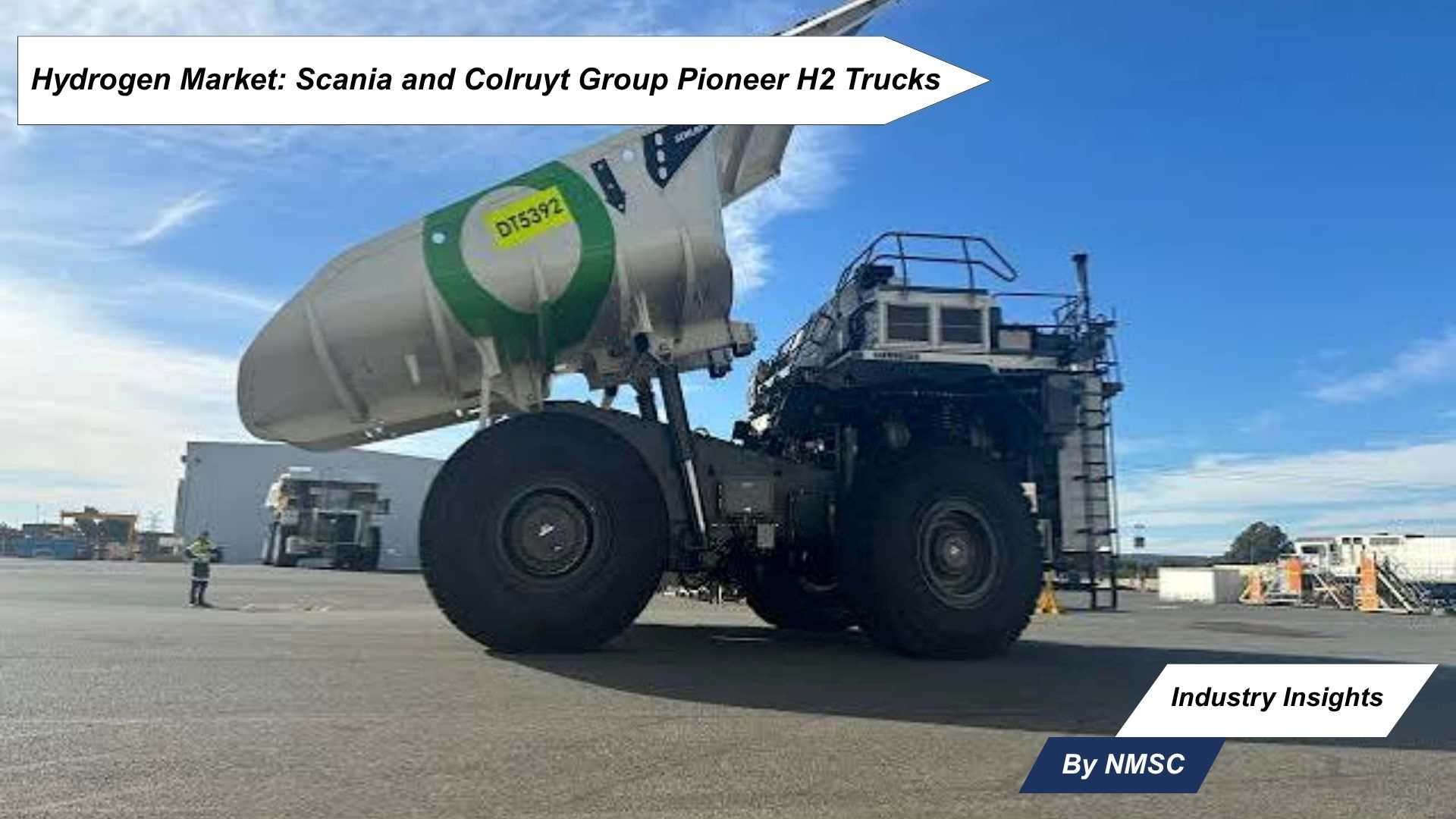
Scania Delivers Hydrogen Fuel Cell Trucks to Colruyt Group for Zero-Emission Logistics in Belgium
BRUSSELS, Belgium August 21, 2026 Swedish commercial vehicle manufacturer Scania has delivered two hydrogen fuel cell electric trucks (FCEVs) to Belgian retail group Colruyt Group, marking a significant milestone in the deployment of hydrogen-powered heavy-duty transport within real-world logistics operations. The development underscores the accelerating momentum across the global Hydrogen Market, which was valued at USD 186.00 billion in 2022 and is projected to reach USD 294.67 billion by 2030, growing at a CAGR of 5.9%.
The delivery is part of Scania's Pilot Partner programme, a collaborative innovation platform established in 2021 that evaluates emerging powertrain technologies including battery-electric, hydrogen fuel cells, and internal combustion engines with range extenders under real-world operating conditions. Colruyt Group is the first and only Belgian company to integrate Scania hydrogen trucks into its active day-to-day distribution fleet, with Scania having produced only approximately twenty such vehicles globally for select pilot markets.
Each truck is equipped with a 300-kW fuel cell system that generates electricity from hydrogen to support onboard battery packs during operation. The electric powertrain delivers a continuous output of 400 kW, with up to 480 kW of regenerative braking capacity. Hydrogen is stored in onboard tanks with a combined capacity of 56 kg at 700 bar pressure, enabling a range of approximately 800 kilometres per fill a critical operational threshold for heavy-duty long-distance freight.
Key Highlights:
-
Zero-Emission Range: The Scania FCEV achieves up to 800 km on a single hydrogen fill, making it viable for heavy-duty freight routes across Belgium and beyond.
-
Dual Energy Architecture: The trucks combine a 300-kW hydrogen fuel cell with 356 kWh battery packs, providing operational flexibility and maximum energy efficiency.
-
Colruyt Group's 2030 Target: The Belgian retailer aims to achieve 100% zero-emission freight transport by 2030, transitioning entirely to green electricity and green hydrogen by 2035.
-
Regulatory Milestone: The vehicle required individual type-approval under Belgian and European regulations a process spanning approximately 18 months given its non-standard configuration, setting a precedent for future hydrogen truck certifications in the EU.
Analyst Insight:
According to analysts at Next Move Strategy Consulting, the Scania Colruyt Group deployment represents a critical inflection point for hydrogen adoption in heavy-duty transport, a segment where battery-electric solutions face inherent limitations in range and payload capacity. NMSC analysts note that as hydrogen refuelling infrastructure expands across Europe with stations in Halle and Ollignies already supporting this pilot the commercial viability of fuel cell trucks is expected to improve substantially, potentially accelerating fleet-level adoption among logistics operators targeting net-zero supply chains ahead of EU regulatory deadlines.
Industry Outlook:
The Scania–Colruyt Group pilot reflects a broader strategic shift within the hydrogen transport sector, where real-world operational data is increasingly replacing theoretical projections as the basis for investment and policy decisions. With Colruyt Group committing to fully green hydrogen-powered freight by 2035, and Scania continuing to evaluate hydrogen alongside its core battery-electric strategy, the collaboration signals that hydrogen fuel cells are gaining traction as a complementary rather than competing technology in the decarbonisation of heavy logistics.
As governments across Europe tighten emissions standards for commercial vehicles and hydrogen infrastructure investment scales up, industry participants that establish early operational expertise in hydrogen-electric powertrains are likely to hold a competitive advantage in the transition to zero-emission freight.
Source: Fuel Cells Works
For More Information: Download FREE Sample on Generative AI Market Report
Prepared By: Sanyukta Deb
About the Author
 Sanyukta Deb
— Sanyukta Deb is Digital Marketing Team Lead at Next Move Strategy Consulting, where she has led content strategy and technical SEO for the firm's B2B market research publications for over 2 years. Her editorial process translates NextMSC's primary and secondary research — spanning technology, industrial, and consumer sectors — into commercial narratives, backed by search-intent, keyword, and competitive analysis. She brings 5 years of overall experience in digital marketing and content strategy.
Sanyukta Deb
— Sanyukta Deb is Digital Marketing Team Lead at Next Move Strategy Consulting, where she has led content strategy and technical SEO for the firm's B2B market research publications for over 2 years. Her editorial process translates NextMSC's primary and secondary research — spanning technology, industrial, and consumer sectors — into commercial narratives, backed by search-intent, keyword, and competitive analysis. She brings 5 years of overall experience in digital marketing and content strategy.
About the Reviewer
 Debashree Dey
— Debashree Dey is Assistant Manager at Next Move Strategy Consulting, where she supports cross-vertical market content and communications across diverse industries for 6 years. Her professional background includes senior content writing, communications, and published manuscript authorship, with experience developing audience-focused business narratives and maintaining clear, consistent messaging. Her role supports research-led content development and editorial quality across NextMSC publications.
Debashree Dey
— Debashree Dey is Assistant Manager at Next Move Strategy Consulting, where she supports cross-vertical market content and communications across diverse industries for 6 years. Her professional background includes senior content writing, communications, and published manuscript authorship, with experience developing audience-focused business narratives and maintaining clear, consistent messaging. Her role supports research-led content development and editorial quality across NextMSC publications.

















Add Comment