Japan's 40,000 m³ LH2 Carrier Reshapes Global Storage
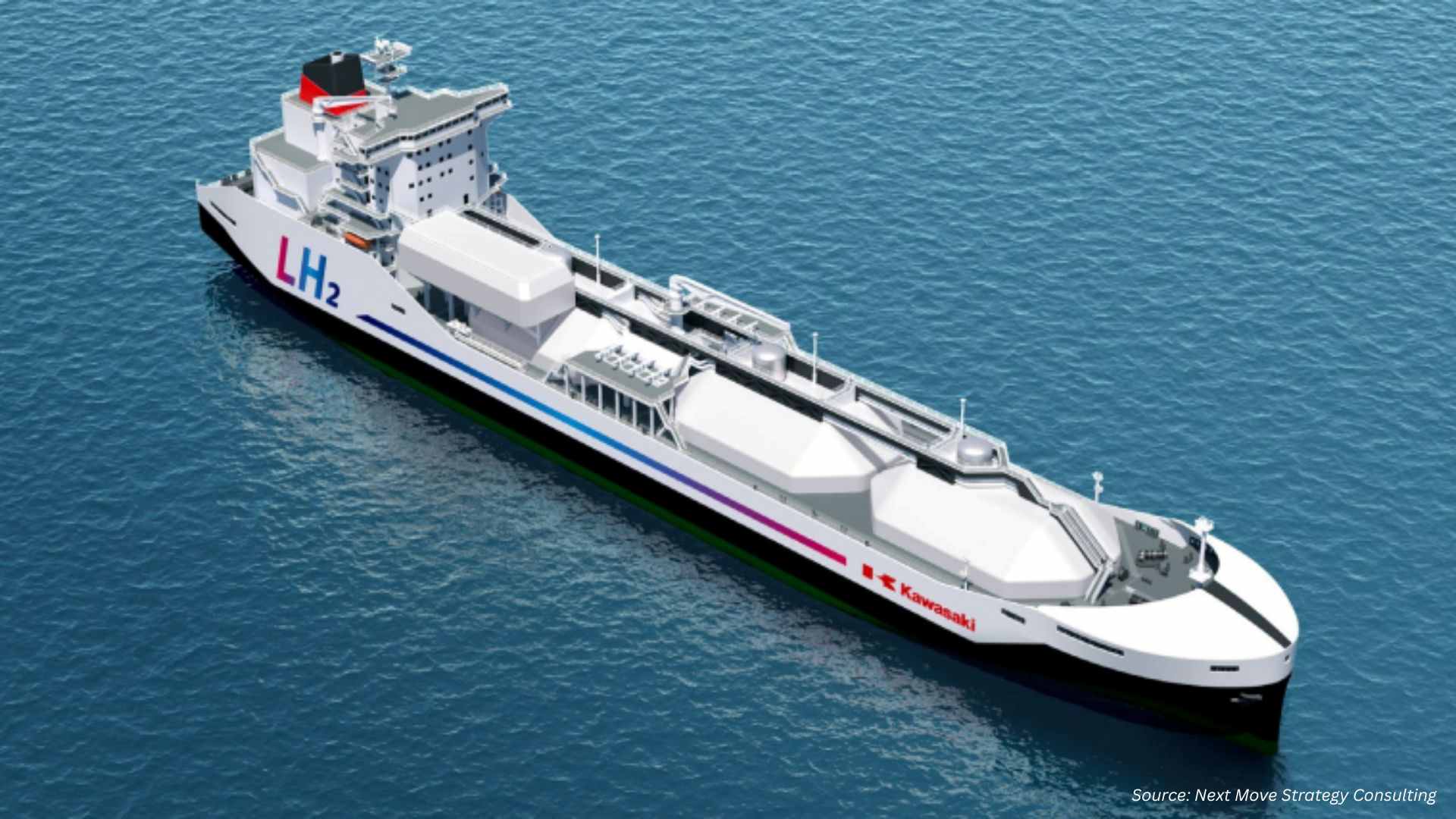
Kawasaki Heavy Industries' January 2026 Contract for the World's Largest Liquefied Hydrogen Carrier Signals a Commercial-Scale Inflection Point for Global Liquid Hydrogen Storage Infrastructure
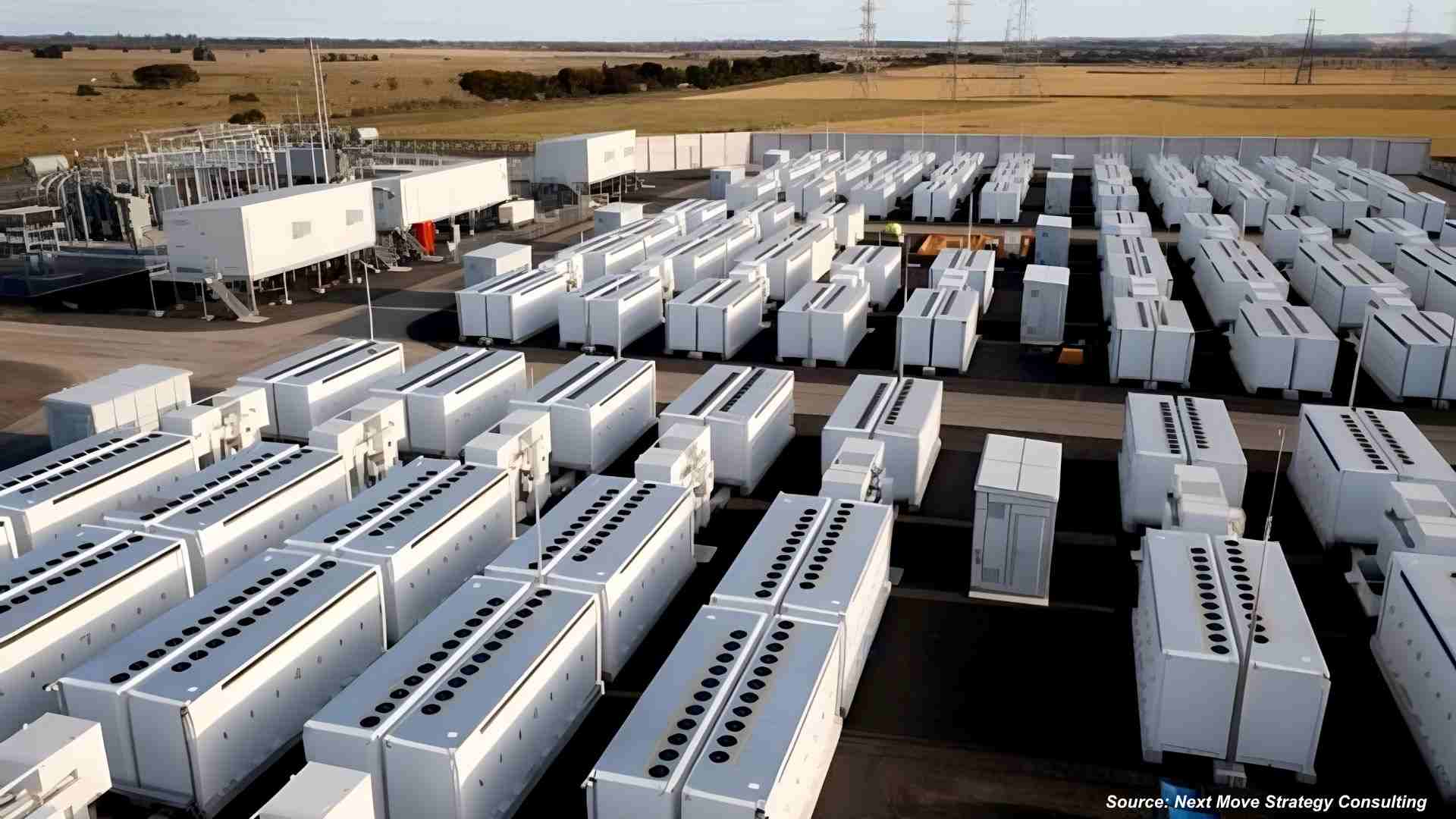
On January 6, 2026, Kawasaki Heavy Industries, Ltd. and Japan Suiso Energy, Ltd. signed a contract to construct the world's largest liquefied hydrogen carrier vessel, with a total cargo tank capacity of approximately 40,000 cubic meters — more than 32 times the capacity of the pioneering 1,250 cubic meter Suiso Frontier, the world's first liquefied hydrogen carrier commissioned in 2020. The vessel, to be built at Kawasaki's Sakaide Works, is designed to operate in conjunction with the Kawasaki LH2 Terminal in Ogishima, Kawasaki City, for which a groundbreaking ceremony was held on November 27, 2025. The terminal will feature what the companies describe as the world's largest 50,000 cubic meter flat-bottom cylindrical liquefied hydrogen storage tank, fabrication of which was launched at Kawasaki's Harima Works in August 2025.
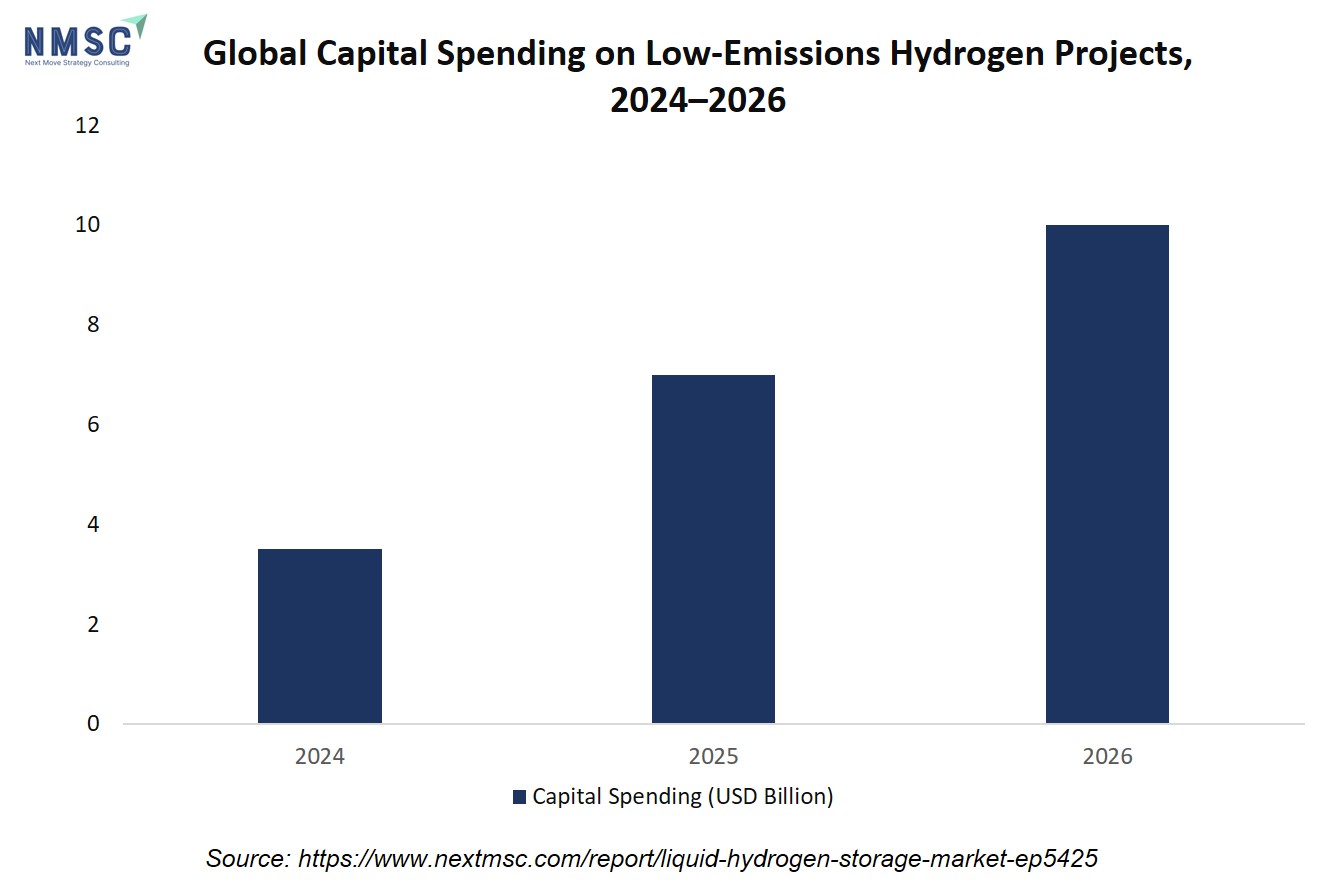
Together, these milestones represent the most consequential cluster of commercial-scale liquid hydrogen infrastructure commitments in the sector's history — and they are arriving precisely as the International Energy Agency's Global Hydrogen Review 2026, published in mid-2026, confirms that global hydrogen demand surpassed 100 million tonnes for the first time in 2025, while capital spending on low-emissions hydrogen projects reached nearly USD 7 billion — almost double the 2024 level.
The convergence of these developments is reshaping the strategic calculus for the global Liquid Hydrogen Storage Market, which is transitioning from a sector defined by pilot-scale demonstration projects to one anchored by commercial-scale terminal and carrier vessel infrastructure with multi-decade operational horizons.
For More Information: Download FREE Sample on Liquid Hydrogen Storage Market Report
The Commercial-Scale Threshold: Why Japan's Infrastructure Milestones Matter
The significance of Kawasaki's January 2026 carrier contract and November 2025 terminal groundbreaking extends well beyond their individual engineering specifications. They represent the first time that a fully integrated, commercial-scale liquid hydrogen supply chain — encompassing production, liquefaction, marine transport, and import terminal storage — has moved simultaneously from planning into active construction and procurement across all its major components.
The IEA's Global Hydrogen Review 2026 explicitly confirms that construction has started on the first commercial-scale terminal for liquefied hydrogen imports in Japan, identifying this as a landmark infrastructure milestone within its global hydrogen trade and infrastructure assessment. The IEA further notes that shipping pure hydrogen implies minimum costs of around USD 2 per kilogram and energy use above 10 kWh per kilogram — equivalent to over 30% of hydrogen's energy content — due to intensive liquefaction and reconversion steps, underscoring the critical importance of storage tank scale and insulation performance in determining the commercial viability of liquid hydrogen supply chains.
Japan's Green Innovation Fund, administered by the New Energy and Industrial Technology Development Organization (NEDO), continues to subsidize the Liquefied Hydrogen Supply Chain Commercialization Demonstration project, with the Kawasaki LH2 Terminal and its associated carrier vessel targeting commercial operation by fiscal year 2030.
IEA Global Hydrogen Review 2026: A Sector at an Inflection Point
The IEA's Global Hydrogen Review 2026 — the sixth edition of the agency's flagship hydrogen assessment — presents a sector that has achieved measurable progress while confronting persistent structural barriers. Global hydrogen demand grew almost 3% in 2025 to surpass 100 million tonnes, driven overwhelmingly by traditional uses in industry and refining. Low-emissions hydrogen production grew 20% in 2025 to reach close to 1 million tonnes, and is expected to exceed 1% of global production for the first time in 2026.
Installed global electrolysis capacity doubled in 2025 to surpass 4 GW, with China accounting for nearly three-quarters of new installations. More than 2.5 GW are under construction, targeting operation in 2026, with growth expected mostly in Europe.
The IEA identifies a total of USD 41 billion in public funding linked to hydrogen-related policy updates made since the Global Hydrogen Review 2025, with nearly two-thirds tied to legislation already in force and almost 25% already disbursed to projects, triggering final investment decisions. The number of national hydrogen strategies has stabilized at 66 globally, though most countries remain behind their 2030 targets. Only the Netherlands and China are currently on track to achieve their 2030 hydrogen production objectives.
The report also highlights a critical geopolitical dimension: the ongoing conflict in the Middle East has severely disrupted global production and trade of hydrogen-based products, including ammonia, urea, and methanol, with the closure of the Strait of Hormuz constraining trade flows and causing urea prices to double between January and May 2026. The IEA characterizes this disruption as a structural argument for accelerating the development of diversified, low-emissions hydrogen supply chains — including liquefied hydrogen import infrastructure — as a long-term energy security measure.
Market Intelligence: Liquid Hydrogen Storage Scales Toward Commercial Maturity
According to Next Move Strategy Consulting's analysis, the global liquid hydrogen storage market was valued at USD 2.98 billion in 2025 and is estimated at USD 3.25 billion in 2026, forecast to reach USD 7.73 billion by 2035, expanding at a 10.0% CAGR over the forecast period. The market presents an absolute dollar opportunity of USD 4.48 billion between 2026 and 2035, concentrated in commercial-scale terminal equipment, marine carrier vessel storage, and onboard systems for heavy transport and aerospace applications.
North America leads with approximately 32% revenue share — valued at USD 954 million in 2025 — supported by established industrial gas infrastructure and expanding hydrogen refueling investment anchored by companies including Chart Industries, Inc. and Linde plc. Asia-Pacific is the fastest-growing region at an 11.8% CAGR through 2035, driven by Japan's commercial-scale terminal and carrier vessel development and China's expanding domestic hydrogen production capacity. Japan is the fastest-growing individual country market at 13.5% CAGR, reflecting the direct impact of the Kawasaki LH2 Terminal and carrier vessel program on domestic storage equipment demand.
Stationary Storage Systems dominate the product landscape with approximately 38% revenue share (USD 1.13 billion in 2025), anchored by their established role at industrial gas production sites and emerging large-scale import terminals. Onboard Storage Systems are the fastest-growing product segment at a 15.0% CAGR through 2035, as heavy commercial vehicles, marine vessels, and aerospace platforms increasingly adopt dedicated liquid hydrogen fuel storage. Hydrogen Refueling is the fastest-growing end-user industry at a 15.1% CAGR, reflecting expanding refueling station infrastructure supporting fuel cell mobility and commercial hydrogen logistics.
Key Global Liquid Hydrogen Infrastructure Milestones, 2025–2026
|
Date |
Event |
Location |
Significance |
|
August 2025 |
Kawasaki Heavy Industries launched fabrication of 50,000 m³ flat-bottom cylindrical LH2 storage tank at Harima Works |
Japan |
World's largest LH2 storage tank under fabrication |
|
November 27, 2025 |
Kawasaki Heavy Industries and Japan Suiso Energy held groundbreaking ceremony for Kawasaki LH2 Terminal, Ogishima |
Japan |
First commercial-scale LH2 import terminal under construction globally |
|
2025 |
China began construction of world's longest hydrogen pipeline |
China |
Major hydrogen transport infrastructure milestone (IEA GHR 2026) |
|
2025 |
Germany completed world's longest repurposing of a natural gas pipeline for hydrogen |
Germany |
First large-scale hydrogen pipeline repurposing in Europe |
|
January 6, 2026 |
Kawasaki Heavy Industries and Japan Suiso Energy signed contract for 40,000 m³ LH2 carrier vessel |
Japan |
World's largest LH2 carrier; 32× capacity of Suiso Frontier pilot vessel |
|
Q1 2026 |
International public finance for low-emissions hydrogen in emerging economies reached ~USD 3.3 billion cumulative |
Global |
Fourfold increase from negligible levels in 2022 (IEA GHR 2026) |
|
By 2035 |
Announced underground hydrogen storage projects could provide 11 TWh capacity (335 kt H₂) |
Global |
Only 7% has reached FID or is under construction as of mid-2026 |
Technology Segmentation: Tank Construction and Capacity Drive Differentiation
The liquid hydrogen storage market's technology landscape is bifurcating along two distinct axes: established vacuum-insulated metallic systems serving industrial gas and stationary applications, and emerging composite and advanced insulation systems targeting weight-sensitive onboard and marine applications.
Multi-Layer Vacuum Insulated construction leads the tank construction segment with approximately 30% revenue share (USD 894 million in 2025), valued for its superior thermal performance in minimizing boil-off across both stationary and transport applications. The IEA confirms that shipping pure hydrogen implies energy losses above 10 kWh per kilogram due to intensive liquefaction steps, making boil-off minimization a critical commercial parameter for large-scale storage systems.
Composite tank construction is the fastest-growing segment at a 14.9% CAGR through 2035, as weight-sensitive onboard applications in heavy commercial vehicles, marine vessels, and aerospace platforms increasingly specify composite construction over conventional metallic designs. The IEA's Global Hydrogen Review 2026 notes that fuel cell electric vehicle stock grew 20% in 2025 to almost 130,000 globally, driven by truck sales in China and a rebound in car sales in South Korea, with trucks and buses projected to account for approximately 60% and 30% of hydrogen use in transport by 2030.
The capacity segmentation reflects the structural shift toward commercial scale. The 10 to 100 cubic meter segment holds the largest share at approximately 32% (USD 954 million in 2025), reflecting established industrial gas demand. However, the Above 500 Cubic Meters segment is the fastest-growing at a 13.8% CAGR through 2035, directly driven by the Kawasaki LH2 Terminal's 50,000 cubic meter storage tank and the broader pipeline of commercial-scale import terminal projects targeting operation by 2030.
Cross-Industry Partnerships Reshape European Supply Chain Architecture
The liquid hydrogen storage market's competitive dynamics are being reshaped by a new category of multi-stakeholder infrastructure partnerships that span shipping, port logistics, and heavy transport — a structural shift that extends demand for coordinated storage, transport, and onboard system development beyond single-company project boundaries.
In October 2025, Daimler Truck, HHLA (Hamburger Hafen und Logistik AG), and Kawasaki Heavy Industries, Ltd. launched a strategic partnership to establish a liquid hydrogen supply chain for Europe, encompassing marine transport, port terminal storage, and onboard vehicle storage systems. This partnership exemplifies the IEA's observation that trade remains a key driver of low-emissions hydrogen projects, with trade-oriented offtake agreements overtaking domestic-use agreements for the first time in 2025.
The IEA's Global Hydrogen Review 2026 confirms that announced hydrogen pipeline projects, including new and repurposed natural gas pipelines, exceed 40,000 km by 2035, though only 9% of this length is operational or has committed investment. Since the Global Hydrogen Review 2025, operational and committed hydrogen pipeline length has increased by 70%, with activity concentrated in Europe and China.
Selected National Hydrogen Policy Commitments and Public Funding, 2025–2026
|
Country / Region |
Policy / Funding Mechanism |
Amount / Target |
Status (as of mid-2026) |
|
Global (66 countries) |
National hydrogen strategies |
66 strategies in force |
Stabilized; most countries behind 2030 targets |
|
European Union |
EU Renewable Energy Directive (RFNBO transport targets) |
>575 ktpa low-emissions H₂ demand created |
Transposed in 13 member states for transport sector |
|
European Union |
European Commission low-emissions steel quota proposal |
Quota for public procurement and automotive sector |
Proposed; supports demand creation |
|
China |
City clusters hydrogen programme |
USD 1.1 billion |
Announced; targets 100,000 FCEVs and USD 3.6/kg end-use price by 2030 |
|
Japan |
Contracts for difference scheme |
~130 kt low-emissions hydrogen (6 winners selected) |
Winners selected as of late May 2026; includes ammonia imports for power |
|
Germany |
Hydrogen-capable gas turbine fleet targets |
Agreed with European Commission |
Targets agreed; supports industrial decarbonization |
|
India |
SECI tenders and refinery offtake contracts |
Multiple tenders; contracts signed |
Progress contingent on government incentive availability |
|
Global (public finance) |
International public finance for emerging economies |
~USD 3.3 billion cumulative by Q1 2026 |
Fourfold increase from negligible levels in 2022 |
Competitive Landscape: Scale Capability Defines Market Access
The liquid hydrogen storage market features a moderately fragmented competitive landscape in which large diversified cryogenic engineering and industrial gas groups compete alongside specialized tank fabricators and heavy industrial conglomerates advancing marine and terminal-scale infrastructure. The competitive divide is increasingly defined by fabrication scale: suppliers unable to demonstrate credible large-scale tank fabrication and marine cargo handling capability risk exclusion from commercial-scale terminal and carrier vessel contracts as the sector transitions from pilot to commercial operation.
Chart Industries, Inc. and Air Liquide S.A. exemplify the diversified cryogenic engineering archetype, leveraging extensive global service networks and integrated storage, transport, and terminal solutions to serve industrial gas and emerging terminal customers across North America and Europe. Kawasaki Heavy Industries, Ltd. exemplifies the heavy industrial archetype, having progressed from the 1,250 cubic meter Suiso Frontier to a 40,000 cubic meter carrier vessel — a more than 32-fold capacity increase — while simultaneously advancing the world's largest commercial-scale LH2 import terminal.
In Asia, CIMC ENRIC Holdings Limited and INOX India Limited are expanding domestic cryogenic manufacturing capacity to serve China's and India's rapidly growing industrial gas and hydrogen production sectors. India's market, valued at approximately USD 117 million in 2025, is projected to reach USD 368 million by 2035 at a 12.5% CAGR — the second-fastest country-level growth rate after Japan — supported by the Indian government's National Green Hydrogen Mission and expanding domestic cryogenic manufacturing capability.
Venture capital for hydrogen continued to fall in 2025, declining from a 13% peak share of energy venture capital in 2023 to just 4% in 2025, according to the IEA. However, the IEA notes that hydrogen company valuations are being driven to new highs by Bloom Energy, which added almost USD 80 billion in market capitalization in the past year as surging electricity demand from AI data centers and long gas turbine backlogs boosted prospects for its fuel cells.
Restraints: Liquefaction Energy Penalty and Competing Carrier Technologies
The liquid hydrogen storage market's growth trajectory faces two primary structural restraints. The high liquefaction energy penalty — requiring more than 30% of hydrogen's energy content for liquefaction and reconversion — limits cost competitiveness relative to alternative hydrogen carrier technologies, particularly ammonia, which benefits from more mature, lower-cost transport and storage infrastructure. The IEA notes that around 170 ammonia and 130 methanol port terminals are currently in operation globally, compared with a single commercial-scale liquefied hydrogen import terminal under construction.
The second restraint is the low technology readiness of large-scale composite cryotanks, which constrains deployment timelines for the fastest-growing tank construction segment. Suppliers pursuing composite tank designs for heavy transport and marine applications face certification timelines that are materially longer than those for established stainless steel and vacuum-insulated metallic systems, creating a near-term bottleneck in the onboard storage segment despite strong underlying demand growth.
The IEA's Global Hydrogen Review 2026 further notes that the pipeline of announced projects for low-emissions hydrogen production has shrunk to 27 million tonnes by 2030, down from 37 million tonnes in the prior year's assessment, driven by delays and cancellations. More than 100 GW of announced electrolysis capacity could lose any chance of being in operation by 2030 if investment decisions are not taken before the end of 2027.
Bottom Line
The global liquid hydrogen storage market is at a structural inflection point. Kawasaki Heavy Industries' January 2026 contract for the world's largest 40,000 cubic meter liquefied hydrogen carrier, combined with the November 2025 groundbreaking of the Kawasaki LH2 Terminal in Ogishima, represents the first time that a fully integrated commercial-scale liquid hydrogen supply chain has moved simultaneously from planning into active construction across all its major components. This transition from pilot-scale demonstration to commercial-scale infrastructure is the defining market event of the 2026–2035 forecast period.
The IEA's confirmation that capital spending on low-emissions hydrogen projects nearly doubled to USD 7 billion in 2025 — with an estimated USD 10 billion projected for 2026 — and that USD 41 billion in public funding has been identified globally, provides the macroeconomic foundation for sustained demand growth across the liquid hydrogen storage value chain. For investors, the strongest risk-adjusted opportunities lie in large-capacity stationary storage tank fabrication for import terminals, composite onboard storage systems for heavy transport and marine applications, and hydrogen refueling infrastructure in Asia-Pacific markets. The primary risks — liquefaction energy penalty, competing ammonia carrier infrastructure, and composite cryotank certification timelines — are real but manageable for suppliers with proven large-scale fabrication capability and established safety certification credentials. The USD 4.48 billion absolute dollar opportunity projected by Next Move Strategy Consulting between 2026 and 2035 is structurally intact, anchored by Japan's government-backed commercial-scale program and China's accelerating domestic hydrogen production investment.
About Next Move Strategy Consulting
Next Move Strategy Consulting is a premier market research and management consulting firm that has been committed to provide strategically analysed well documented latest research reports to its clients. The research industry is flooded with many firms to choose from, what makes NMSC different from the rest is its top-quality research and the obsession of turning data into knowledge by dissecting every bit of it and providing fact-based research recommendation that is supported by information collected from over 500 million websites, paid databases, industry journals and one on one consultations with industry experts across a diverse range of industry sectors. The high-quality customized research reports with actionable insights and excellent end-to-end customer service help our clients to take critical business decisions that enables them to move beyond time and have competitive edge in the industry.
We have been servicing over 1000 customers globally that includes 90% of the Fortune 500 companies over a decade. Our analysts are constantly tracking various high growth markets and identifying hidden opportunities in each sector or the industry. We provide one of the industry's best quality syndicate as well as custom research reports across 10 different industry verticals. We are committed to deliver high quality research solutions in accordance to your business needs. Our industry standard delivery solutions that ranges from the pre consultation to after-sales services, provide an excellent client experience and ensure right strategic decision making for businesses.
For more information, please contact:
Next Move Strategy Consulting
5th Floor 867
Boylston St, STE 500,
Boston, MA 02116, U.S.
E-Mail: [email protected]
Direct: +1-217-650-7991
Website: www.nextmsc.com
About the Author
 Sanyukta Deb
— Sanyukta Deb is Digital Marketing Team Lead at Next Move Strategy Consulting, where she has led content strategy and technical SEO for the firm's B2B market research publications for over 2 years. Her editorial process translates NextMSC's primary and secondary research — spanning technology, industrial, and consumer sectors — into commercial narratives, backed by search-intent, keyword, and competitive analysis. She brings 5 years of overall experience in digital marketing and content strategy.
Sanyukta Deb
— Sanyukta Deb is Digital Marketing Team Lead at Next Move Strategy Consulting, where she has led content strategy and technical SEO for the firm's B2B market research publications for over 2 years. Her editorial process translates NextMSC's primary and secondary research — spanning technology, industrial, and consumer sectors — into commercial narratives, backed by search-intent, keyword, and competitive analysis. She brings 5 years of overall experience in digital marketing and content strategy.
About the Reviewer
 Debashree Dey
— Debashree Dey is Assistant Manager at Next Move Strategy Consulting, where she supports cross-vertical market content and communications across diverse industries for 6 years. Her professional background includes senior content writing, communications, and published manuscript authorship, with experience developing audience-focused business narratives and maintaining clear, consistent messaging. Her role supports research-led content development and editorial quality across NextMSC publications.
Debashree Dey
— Debashree Dey is Assistant Manager at Next Move Strategy Consulting, where she supports cross-vertical market content and communications across diverse industries for 6 years. Her professional background includes senior content writing, communications, and published manuscript authorship, with experience developing audience-focused business narratives and maintaining clear, consistent messaging. Her role supports research-led content development and editorial quality across NextMSC publications.















Add Comment