Palm Oil Supply Concerns Reshape Cooking Oil Market
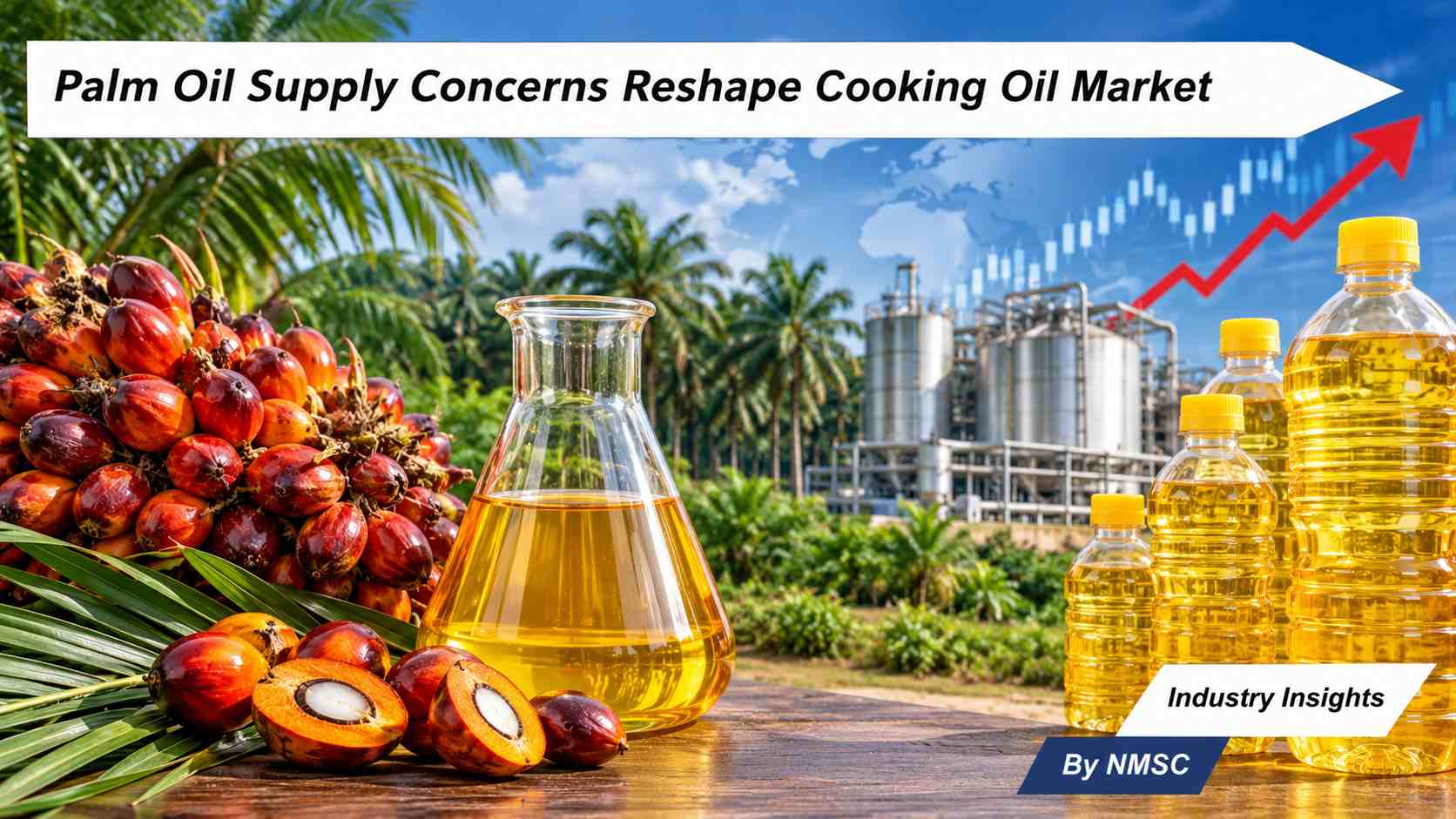
El Niño Could Cut 2027 Palm Oil Output by About 3 Million Tons, Indonesian Industry Body Says
JAKARTA, Indonesia — November 18, 2026 — The Indonesian Palm Oil Association (GAPKI) said El Niño could reduce palm oil production in 2027 by around 3 million tons, according to remarks by Chairman Eddy Martono following the close of the 2026 Indonesian Palm Oil Conference (IPOC) in Bali. The outlook is relevant to the Cooking Oil Market, where palm oil is a core product segment and a significant input for edible-oil sourcing.
Martono spoke after IPOC 2026, held in Bali from November 11 to 13, which drew more than 1,500 attendees. Topics included the B50 biodiesel blend, smallholder replanting policy, 2027 export projections, global supply conditions and readiness for the European Union’s anti-deforestation regulation. He said Indonesia contributes nearly 60% of world palm oil supply, so domestic policy changes quickly affect prices.
Conference participants estimated that prices would remain quite high and could rise, citing the war in the Middle East and the effect of El Niño on production. Martono mentioned a price range of around US$1,300 per ton. He said biodiesel demand alone is estimated to rise by around 17.4 million tons. Because domestic consumption cannot be sacrificed, exports are the component expected to fall. Global vegetable oil demand is rising by around 3–5 million tons per year.
Market data from Next Move Strategy Consulting shows the Cooking Oil Market is valued at USD 319.63 billion in 2026. It is projected to reach USD 475.27 billion by 2035, at a CAGR of 4.51% from 2026 to 2035. The palm oils segment was valued at USD 90.70 billion in 2025 and is forecast to reach USD 133.08 billion by 2035. Asia-Pacific leads the market.
Key Highlights:
-
GAPKI’s chairman said El Niño could reduce 2027 palm oil production by around 3 million tons.
-
Indonesia contributes nearly 60% of world palm oil supply, according to the same official.
-
Biodiesel demand is estimated to rise by around 17.4 million tons, with exports expected to absorb the reduction as domestic consumption is prioritized.
-
Conference participants expect prices to stay high or rise, while global vegetable oil demand grows by around 3–5 million tons per year.
Analyst Insight:
According to analysts at Next Move Strategy Consulting, feedstock price volatility from weather and crop-yield variability is the principal restraint in the firm’s cooking oil forecast, which makes palm yield cycles a key variable for sourcing and contract pricing. NMSC analysts note that biofuel demand adds a second claim on the same vegetable oil feedstock, a dual-demand structure that tightens the supply balance for food manufacturers.
Industry Outlook:
The 2027 production outlook adds to supply considerations for buyers of palm-based edible oils. Martono said overseas buyers are worried about tightening supply under Indonesia’s B60 biodiesel plan. The size of any 2027 shortfall will depend on how El Niño conditions develop and on Indonesia’s biodiesel and export policy settings.
Source: Indonesian Palm Oil Association (GAPKI)
For More Information: Download FREE Sample on Cooking Oil Market Report
Prepared By: Sanyukta Deb
About the Author
 Sanyukta Deb
— Sanyukta Deb is Digital Marketing Team Lead at Next Move Strategy Consulting, where she has led content strategy and technical SEO for the firm's B2B market research publications for over 2 years. Her editorial process translates NextMSC's primary and secondary research — spanning technology, industrial, and consumer sectors — into commercial narratives, backed by search-intent, keyword, and competitive analysis. She brings 5 years of overall experience in digital marketing and content strategy.
About the Reviewer
 Debashree Dey
— Debashree Dey is Assistant Manager at Next Move Strategy Consulting, where she supports cross-vertical market content and communications across diverse industries for 6 years. Her professional background includes senior content writing, communications, and published manuscript authorship, with experience developing audience-focused business narratives and maintaining clear, consistent messaging. Her role supports research-led content development and editorial quality across NextMSC publications.














Add Comment