Processed Food Industry Faces WHO Profiling Proposal
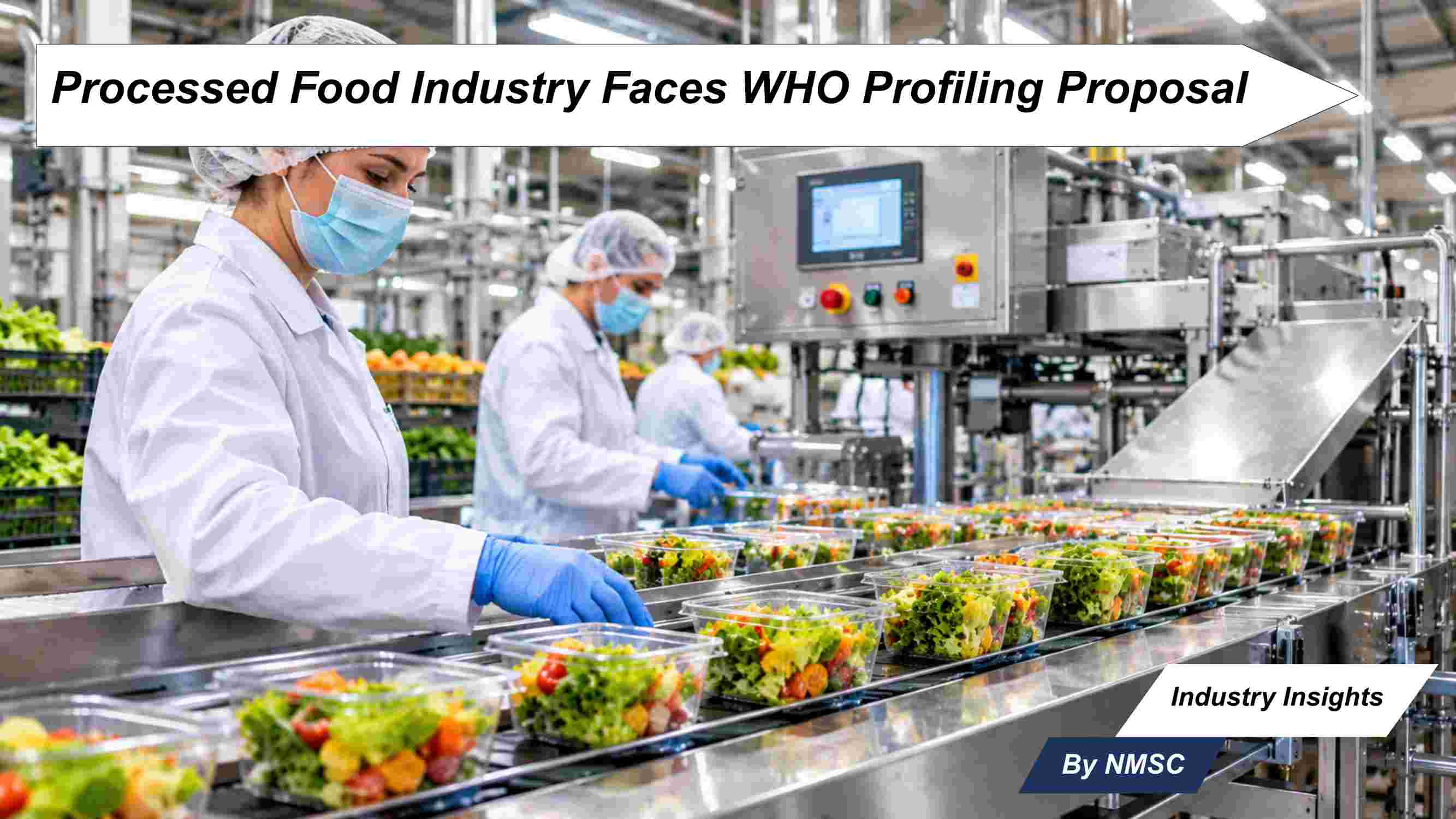
WHO Draft Food-Profiling Model Adds Colours, Flavours, Sweeteners; Industry Pushes Back
LONDON, United Kingdom — November 9, 2026 —The World Health Organization’s draft food-profiling model has drawn pushback from the food industry, Reuters reported on Monday. For the first time, the draft considers added colours, flavours and sweeteners alongside nutritional content. The proposal is relevant to the Processed Food Market because governments could use it to identify foods for measures such as warning labels or taxes.
The draft model was published last week. It is intended to help governments identify foods that should be consumed in moderation as part of a healthy diet, with any measures depending on national priorities. WHO guidance had previously focused on nutritional content, including fat and salt.
Katrin Engelhardt, a technical officer in the WHO’s department of nutrition and food safety, said the draft goes beyond traditional nutrient profiling. She said foods may need to be assessed on aspects of their formulation as well as their nutrient content, to help prevent diet-related disease. The WHO links around 11 million deaths a year to unhealthy diets, based on data from a global study.
The International Food and Beverage Alliance, which represents major multinational food and beverage companies, said the approach could shift attention away from nutritional quality and capture more products for potential regulation. Other industry concerns include reformulation costs, stricter labelling requirements, the risk of class-action lawsuits and higher taxes. The consultation on the draft is open until November 27, 2026.
For market context, Next Move Strategy Consulting reports that the global processed food market was valued at USD 3.85 trillion in 2025. It is estimated at USD 4.02 trillion in 2026 and forecast to reach USD 6.98 trillion by 2035, a CAGR of 6.3% over 2026–2035.
Key Highlights:
-
The draft is the first WHO guidance of this kind to include added colours, flavours and sweeteners alongside nutritional criteria.
-
Governments could use the model to identify foods for warning labels or taxes, depending on national priorities.
-
Industry concerns include reformulation costs, stricter labelling, litigation risk and higher taxes.
-
The proposal enters a polarised debate over ultra-processed foods, with the WHO seeking to guide member states. Examples cited include carbonated soft drinks and instant noodles.
Analyst Insight:
According to analysts at Next Move Strategy Consulting, tightening sugar, sodium and ultra-processed food regulation is a recognised restraint on the processed food market. The firm estimates a 0.9% impact on CAGR between 2027 and 2035, concentrated in Europe and North America.
NMSC analysts note that reformulation of sugar, sodium and saturated fat is becoming a core innovation priority for brand owners. Smaller regional manufacturers face particular exposure because of limited reformulation budgets.
Industry Outlook:
The WHO consultation remains open until November 27, and the draft is a proposal rather than binding regulation. Its practical effect on the processed food industry will depend on the final text and on how national governments choose to apply it. Industry participants have said they want a role in how the discussions evolve, and the definition of ultra-processed foods remains contested.
Source: Reuters (via Yahoo News)
For More Information: Download FR`EE Sample on Processed Food Market Report
Prepared By: Sanyukta Deb
About the Author
 Sanyukta Deb
— Sanyukta Deb is Digital Marketing Team Lead at Next Move Strategy Consulting, where she has led content strategy and technical SEO for the firm's B2B market research publications for over 2 years. Her editorial process translates NextMSC's primary and secondary research — spanning technology, industrial, and consumer sectors — into commercial narratives, backed by search-intent, keyword, and competitive analysis. She brings 5 years of overall experience in digital marketing and content strategy.
About the Reviewer
 Debashree Dey
— Debashree Dey is Assistant Manager at Next Move Strategy Consulting, where she supports cross-vertical market content and communications across diverse industries for 6 years. Her professional background includes senior content writing, communications, and published manuscript authorship, with experience developing audience-focused business narratives and maintaining clear, consistent messaging. Her role supports research-led content development and editorial quality across NextMSC publications.















Add Comment