Pickup Truck Market: Safety, Design Shifts & Manufacturing Change
Lede
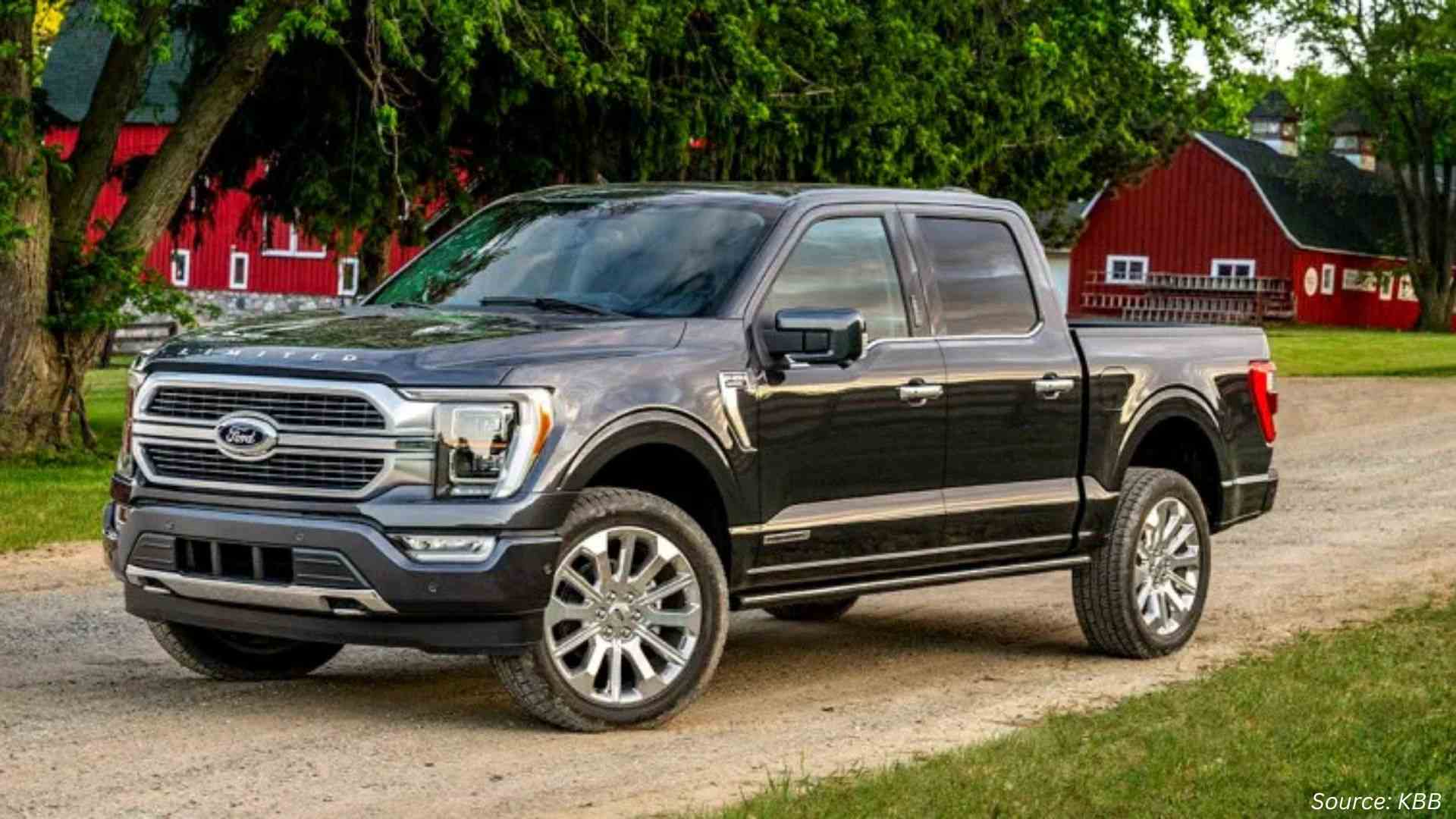
Three recent developments – Toyota’s large-scale pickup truck recall linked to digital display failures, Hyundai’s exploration of removable-roof pickup truck architecture, and Nissan’s decision to exit pickup truck production in South Africa through a plant sale to China’s Chery – collectively signal a pickup truck market in transition. Together, they highlight rising technical complexity, changing consumer expectations, and a structural reshaping of global manufacturing footprints. These events reflect how the pickup truck market is evolving from purely utility-driven products toward technology-intensive, lifestyle-oriented, and globally rebalanced platforms.
1. Toyota Pickup Truck Recall Highlights Rising Software and Electronics Risk
Toyota recently announced a recall affecting over 160,000 pickup trucks in the U.S., including Tundra and Tundra Hybrid models, due to a multimedia display issue that can freeze or go blank. The malfunction can disable the rearview camera image while reversing, raising safety compliance concerns under U.S. vehicle regulations.
This development underscores a broader reality for the modern pickup truck market: as pickups integrate larger digital displays, camera-based safety systems, and software-driven interfaces, electronic reliability has become just as critical as drivetrain durability. Unlike traditional mechanical recalls, display and software issues can directly undermine driver trust, especially in premium pickup segments where technology is positioned as a key value driver.
Toyota’s response strategy – focused on inspection and replacement – reflects how automakers are adapting recall processes to increasingly digital vehicle architectures. The incident also highlights how pickup trucks, once defined by rugged simplicity, are now exposed to the same software risks seen in passenger vehicles and EVs.
2. Hyundai’s Removable-Roof Pickup Concept Signals Lifestyle-Led Design Shift
Hyundai has filed a U.S. patent for a pickup truck design featuring a removable roof panel and potentially removable doors, introducing open-air flexibility to the segment. While the concept has not yet been confirmed for production, it points to growing experimentation with modular pickup architectures.
This design direction reflects an effort to capture lifestyle-oriented buyers who use pickup trucks for recreation, outdoor travel, and leisure rather than strictly commercial or industrial work. Removable-roof configurations, long associated with off-road SUVs, are now being explored within the pickup truck market to differentiate products in an increasingly crowded landscape.
From a design standpoint, the patent also suggests engineering progress in sealing, structural rigidity, and modular assembly – historically challenging areas for removable-body pickups. If commercialized, such designs could redefine how pickup trucks balance utility with experiential driving.
3. Nissan’s South Africa Exit and Chery’s Entry Reshape Pickup Manufacturing Geography
Nissan’s decision to sell its South African Rosslyn plant to China’s Chery Automobile will result in the end of local production of the Nissan Navara pickup truck. The move is part of Nissan’s broader global restructuring, aimed at consolidating manufacturing capacity and reducing operational complexity.
South Africa has long been a key pickup truck manufacturing hub, particularly for models serving African, Middle Eastern, and export markets. Nissan’s withdrawal highlights the intense competitive pressure in the segment, where established players face shrinking margins and rising production costs.
Chery’s acquisition of the plant signals the growing role of Chinese automakers in the global pickup truck ecosystem. Rather than exporting finished vehicles alone, Chinese firms are increasingly investing in local production assets, accelerating their learning curve and regional market penetration.

4. Next Move Strategy Consulting – Opinion, Impact, and Near-Term Prospects
Next Move Strategy Consulting views these developments as evidence of a pickup truck market moving into a more complex and competitive phase, where technology, design differentiation, and manufacturing strategy carry equal weight.
-
Electronics reliability as a core value driver: Recalls linked to software and displays suggest that future pickup competitiveness will depend on robust digital validation and lifecycle software management, not just mechanical strength.
-
Design modularity gaining commercial relevance: Concepts like removable roofs indicate that modular design may emerge as a differentiator, particularly in lifestyle and recreational pickup segments.
-
Manufacturing power shifting eastward: Nissan’s exit and Chery’s entry reflect a gradual rebalancing of pickup truck production toward Chinese-backed platforms with global ambitions.
-
Platform consolidation over regional specialization: Automakers are increasingly favoring fewer global pickup platforms adaptable across markets rather than region-specific production strategies.
-
Brand trust under pressure: Safety recalls and manufacturing exits both influence long-term brand perception in a segment where loyalty has traditionally been strong.
Next Move Strategy Consulting estimates that near-term competition in the pickup truck market will intensify around technology reliability, modular features, and cost-efficient global manufacturing rather than raw performance metrics alone.
5. Practical Suggestions for Stakeholders
-
Automakers should strengthen software validation and digital safety testing specific to pick up usage conditions.
-
Suppliers should focus on modular components that support flexible vehicle architectures and faster platform updates.
-
Investors should monitor companies combining pickup truck innovation with scalable, cost-efficient manufacturing strategies.
-
Policymakers and regulators should update safety frameworks to reflect the growing role of software-driven systems in pickup trucks.
Conclusion
The Toyota recall, Hyundai’s modular design exploration, and Nissan’s South African manufacturing shift together illustrate a pickup truck market undergoing structural change. The segment is no longer defined solely by durability and payload capacity; it is increasingly shaped by software reliability, lifestyle-oriented design, and global production realignment. As pickup trucks evolve into multi-purpose, technology-intensive vehicles, companies that align engineering resilience with flexible manufacturing and user-centric innovation are best positioned to capture long-term value.
About Next Move Strategy Consulting:
Next Move Strategy Consulting is a premier market research and management consulting firm that has been committed to providing strategically analysed well documented latest research reports to its clients. The research industry is flooded with many firms to choose from, what makes NMSC different from the rest is its top-quality research and the obsession of turning data into knowledge by dissecting every bit of it and providing fact-based research recommendation that is supported by information collected from over 500 million websites, paid databases, industry journals and one on one consultations with industry experts across a diverse range of industry sectors. The high-quality customized research reports with actionable insights and excellent end-to-end customer service help our clients to take critical business decisions that enables them to move beyond time and have competitive edge in the industry.
We have been servicing over 1000 customers globally that includes 90% of the Fortune 500 companies over a decade. Our analysts are constantly tracking various high growth markets and identifying hidden opportunities in each sector or the industry. We provide one of the industry’s best quality syndicate as well as custom research reports across 10 different industry verticals. We are committed to deliver high quality research solutions in accordance to your business needs. Our industry standard delivery solutions that ranges from the pre consultation to after-sales services, provide an excellent client experience and ensure right strategic decision making for businesses.
For more information please contact:
Next Move Strategy Consulting
5th Floor 867
Boylston St, STE 500,
Boston, MA 02116, U.S.
E-Mail: [email protected]
Direct: +1-857-758-5017
Website: www.nextmsc.com
About the Author
 Sanyukta Deb
— Sanyukta Deb is Digital Marketing Team Lead at Next Move Strategy Consulting, where she has led content strategy and technical SEO for the firm's B2B market research publications for over 2 years. Her editorial process translates NextMSC's primary and secondary research — spanning technology, industrial, and consumer sectors — into commercial narratives, backed by search-intent, keyword, and competitive analysis. She brings 5 years of overall experience in digital marketing and content strategy.
Sanyukta Deb
— Sanyukta Deb is Digital Marketing Team Lead at Next Move Strategy Consulting, where she has led content strategy and technical SEO for the firm's B2B market research publications for over 2 years. Her editorial process translates NextMSC's primary and secondary research — spanning technology, industrial, and consumer sectors — into commercial narratives, backed by search-intent, keyword, and competitive analysis. She brings 5 years of overall experience in digital marketing and content strategy.
About the Reviewer
 Debashree Dey
— Debashree Dey is Assistant Manager at Next Move Strategy Consulting, where she supports cross-vertical market content and communications across diverse industries for 6 years. Her professional background includes senior content writing, communications, and published manuscript authorship, with experience developing audience-focused business narratives and maintaining clear, consistent messaging. Her role supports research-led content development and editorial quality across NextMSC publications.
Debashree Dey
— Debashree Dey is Assistant Manager at Next Move Strategy Consulting, where she supports cross-vertical market content and communications across diverse industries for 6 years. Her professional background includes senior content writing, communications, and published manuscript authorship, with experience developing audience-focused business narratives and maintaining clear, consistent messaging. Her role supports research-led content development and editorial quality across NextMSC publications.















Add Comment