Plastic-to-Hydrogen Breakthrough Boosts Market Size
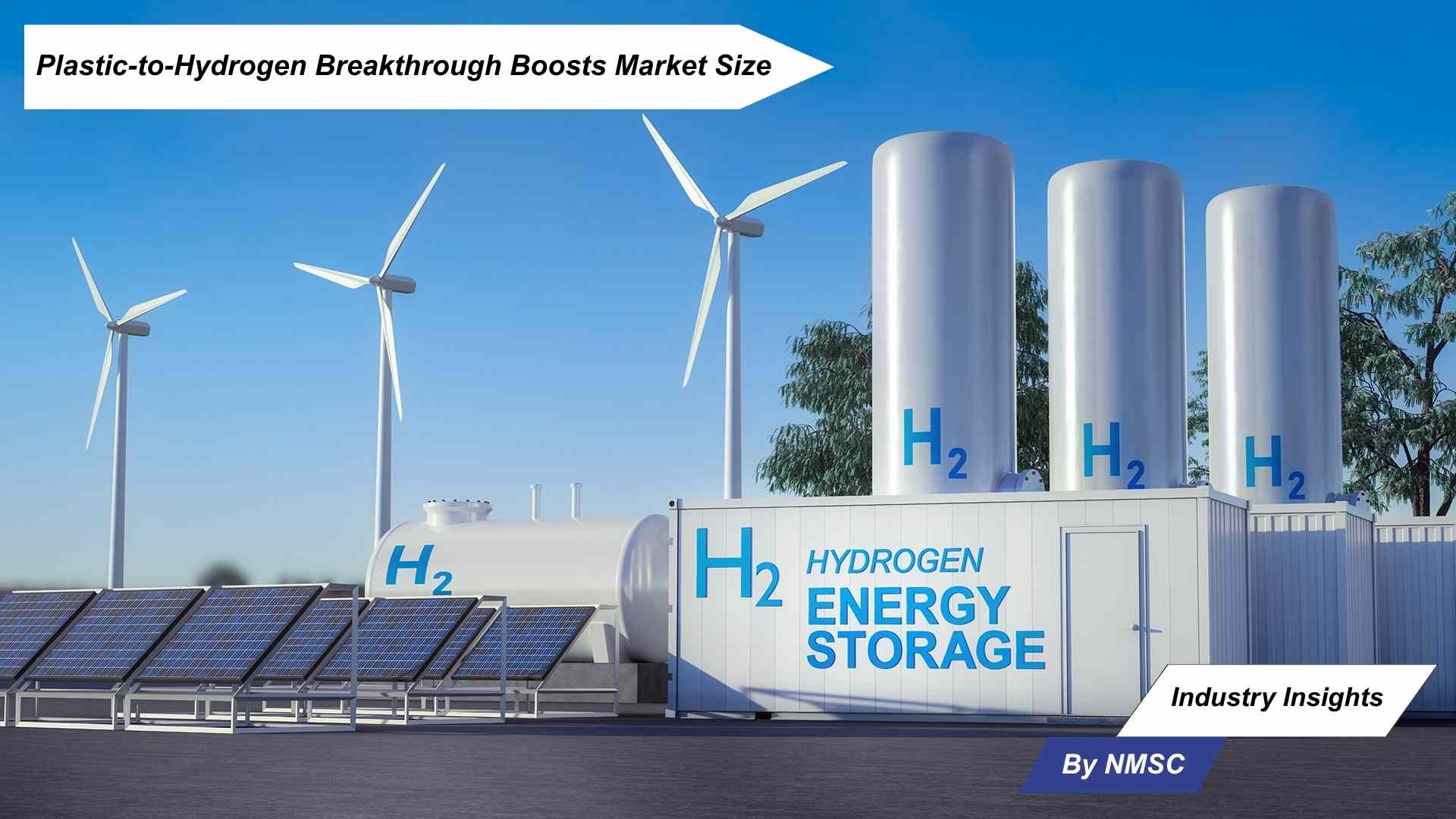
Plastic-to-Hydrogen Breakthrough Signals Clean Energy Shift
CAMBRIDGE, United Kingdom — May 5, 2026 — In a major scientific breakthrough with far-reaching market implications, researchers have developed a method to convert plastic waste into clean hydrogen fuel using sunlight, marking a potential turning point for the global hydrogen economy.
The innovation directly addresses two of the world’s most pressing challenges—plastic pollution and clean energy demand—by combining photocatalytic technology with sustainable fuel production.
A Dual Solution to Waste and Energy Challenges
Scientists have successfully engineered a system that uses solar energy to break down plastic materials while simultaneously generating hydrogen gas. This process eliminates the need for fossil fuel inputs, positioning it as a low-emission alternative in hydrogen production.
Unlike conventional recycling or energy recovery methods, the approach transforms discarded plastics into a high-value clean fuel, significantly improving resource efficiency.
“This development represents a convergence of environmental remediation and energy innovation,” said a senior researcher involved in the study.
Key Capabilities at a Glance:
-
Solar-Driven Process: Utilizes sunlight as the primary energy source
-
Plastic Waste Conversion: Targets non-recyclable plastics
-
Clean Hydrogen Output: Produces zero-carbon fuel suitable for multiple industries
-
Scalable Potential: Designed for future industrial adaptation
Industry Response and Market Implications
The breakthrough comes at a time when the Hydrogen Market is witnessing accelerated investment driven by decarbonization goals across transportation, manufacturing, and power generation sectors.
According to NMSC analysts, such innovations could significantly alter cost dynamics in hydrogen production, making green hydrogen more commercially viable.
“Technologies that reduce input costs while addressing environmental waste streams are likely to reshape competitive positioning in the hydrogen market,” notes an analyst at Next Move Strategy Consulting.
Redefining the Hydrogen Economy
As governments and corporations intensify efforts to transition toward sustainable energy systems, this plastic-to-hydrogen method could emerge as a disruptive force. Its ability to merge waste management with clean fuel generation aligns with circular economy principles, a growing priority in global policy frameworks.
While still in the research phase, the technology has already sparked interest among energy stakeholders seeking scalable, low-carbon hydrogen solutions.
If successfully commercialized, this innovation could accelerate the hydrogen market’s growth trajectory while simultaneously tackling the global plastic waste crisis—two challenges, one transformative solution.
Source: ScienceDaily
Prepared By: Prakhyat Chowdhury
About the Author
 Sanyukta Deb
— Sanyukta Deb is Digital Marketing Team Lead at Next Move Strategy Consulting, where she has led content strategy and technical SEO for the firm's B2B market research publications for over 2 years. Her editorial process translates NextMSC's primary and secondary research — spanning technology, industrial, and consumer sectors — into commercial narratives, backed by search-intent, keyword, and competitive analysis. She brings 5 years of overall experience in digital marketing and content strategy.
Sanyukta Deb
— Sanyukta Deb is Digital Marketing Team Lead at Next Move Strategy Consulting, where she has led content strategy and technical SEO for the firm's B2B market research publications for over 2 years. Her editorial process translates NextMSC's primary and secondary research — spanning technology, industrial, and consumer sectors — into commercial narratives, backed by search-intent, keyword, and competitive analysis. She brings 5 years of overall experience in digital marketing and content strategy.
About the Reviewer
 Debashree Dey
— Debashree Dey is Assistant Manager at Next Move Strategy Consulting, where she supports cross-vertical market content and communications across diverse industries for 6 years. Her professional background includes senior content writing, communications, and published manuscript authorship, with experience developing audience-focused business narratives and maintaining clear, consistent messaging. Her role supports research-led content development and editorial quality across NextMSC publications.
Debashree Dey
— Debashree Dey is Assistant Manager at Next Move Strategy Consulting, where she supports cross-vertical market content and communications across diverse industries for 6 years. Her professional background includes senior content writing, communications, and published manuscript authorship, with experience developing audience-focused business narratives and maintaining clear, consistent messaging. Her role supports research-led content development and editorial quality across NextMSC publications.

















Add Comment