SIBIONICS GS3 Advances AI-Powered Glucose Monitoring
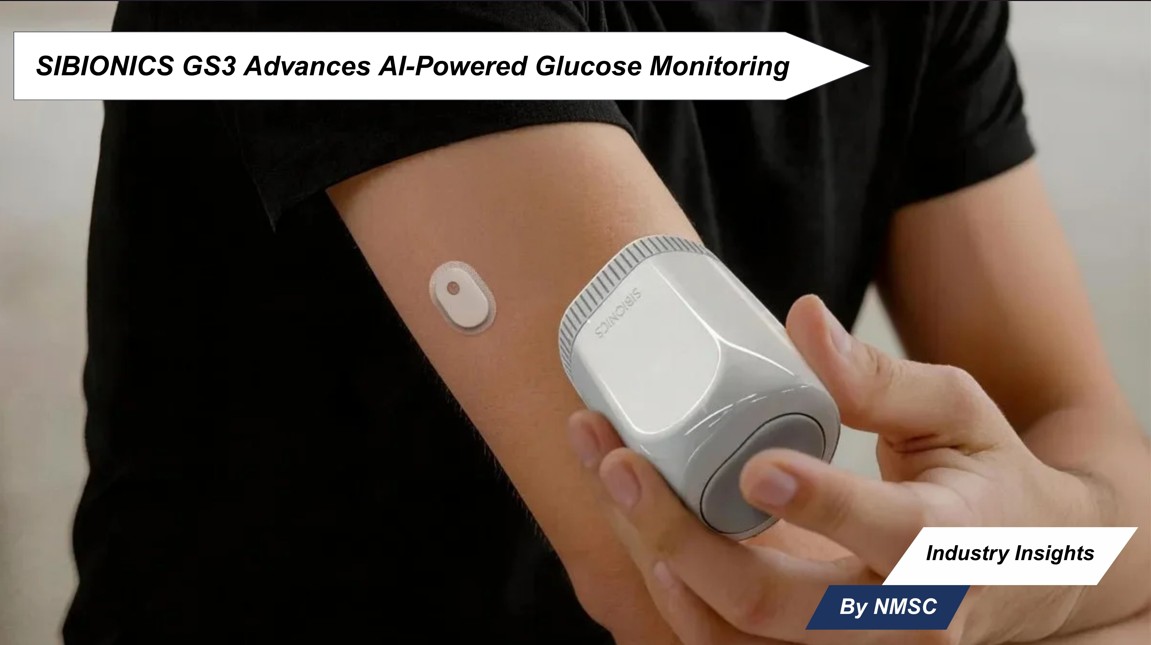
SIBIONICS Showcases AI-Powered GS3 CGM Sensor at IDF-WPR 2026 Congress in Melbourne
MELBOURNE, Australia August 31, 2026 SIBIONICS, a medical technology company specializing in biosensing and brain-computer interface engineering, showcased its GS3 continuous glucose monitoring (CGM) sensor at the joint IDF-WPR, ADC and Metabolic Diseases 2026 congress in Melbourne, Australia, signaling a significant step forward for the global Biosensors Market. The company's participation spanning a dedicated exhibition booth, a scientific symposium, and on-site interviews with Credentialled Diabetes Educators (CDEs) underscored the growing convergence of advanced biosensing technology and artificial intelligence in diabetes management.
According to Next Move Strategy Consulting, the global Biosensors Market was valued at USD 27.15 billion in 2023 and is projected to reach USD 48.66 billion by 2030, expanding at a compound annual growth rate of 8.7% during the forecast period. The increasing prevalence of chronic diseases such as diabetes, combined with rising demand for non-invasive, real-time health monitoring solutions, continues to drive adoption of advanced biosensor platforms globally.
SIBIONICS' GS3 is a factory-calibrated, 14-day CGM sensor featuring a compact 2.9 mm profile, engineered to deliver reliable glucose monitoring with minimal on-body burden. The company's biosensing expertise traces its origins to high-complexity brain-computer interface systems, including a retinal prosthesis designed for patients with outer retinal degenerative diseases such as retinitis pigmentosa a foundation that has informed the precision engineering embedded in the GS3 platform.
At the congress, SIBIONICS co-hosted a scientific symposium titled "Beyond Glucose: The Integrated Future of CGM, CKM, and AI in Diabetes" alongside Air Liquide Healthcare. The session brought together leading clinical voices, including Professor Sofianos Andrikopoulos, Group CEO of the Australian Diabetes Society; Professor David O'Neal of the University of Melbourne and Deputy Director of the Australian Centre for Accelerating Diabetes Innovations; Associate Professor Shannon Lin, a diabetes and nutrition specialist at the University of Technology Sydney; and Professor Wei Qiang, Associate Chief Physician at the First Affiliated Hospital of Xi'an Jiaotong University. Discussions centered on emerging clinical evidence for continuous glucose and ketone monitoring, the role of AI in personalizing diabetes care, and the development of integrated, data-driven ecosystems for metabolic disease management.
Key Highlights:
-
GS3 Sensor Specifications: Factory-calibrated, 14-day wear duration, 2.9 mm profile designed for reliable monitoring with low on-body burden.
-
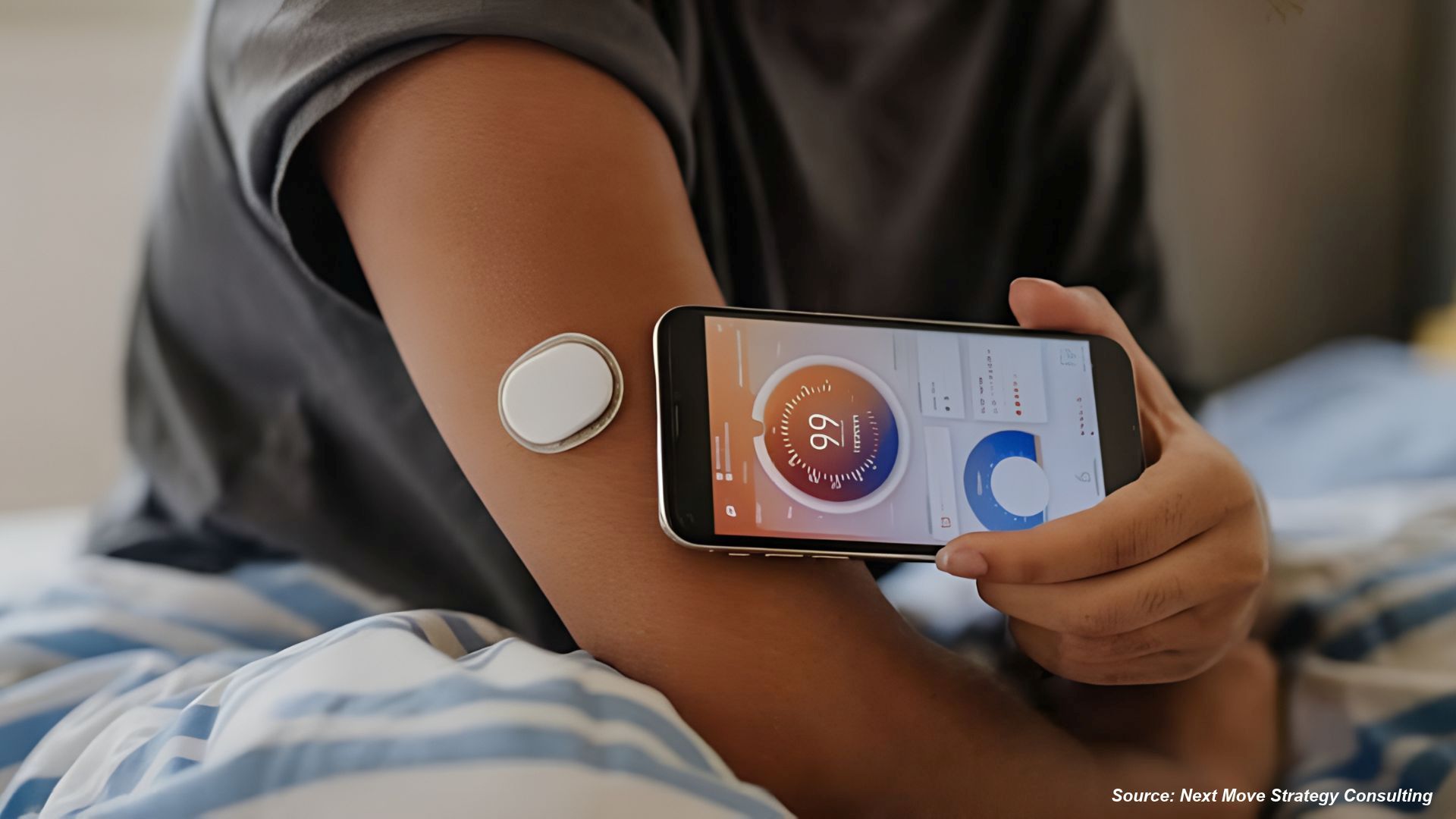
AI-Driven Capabilities: GS3 supports AI-powered glucose spike detection, meal logging, food analysis, and personalized glucose trend insights, connecting dietary context with metabolic data.
-
Clinical Endorsement: Credentialled Diabetes Educators at the congress described the sensor as small, light, comfortable, and easy to set up, highlighting its potential for personalised, actionable patient support.
-
Future Roadmap: SIBIONICS plans to expand its platform to incorporate continuous ketone monitoring, insulin delivery integration, and broader AI-driven diabetes management tools.
Analyst Insight:
According to analysts at Next Move Strategy Consulting, the SIBIONICS GS3 showcase at IDF-WPR 2026 reflects a broader industry trend in which biosensor manufacturers are moving beyond single-parameter monitoring toward integrated, AI-augmented health ecosystems. The convergence of continuous glucose monitoring with artificial intelligence and multi-biomarker sensing is expected to accelerate adoption across both clinical and home-care settings, particularly as the global diabetic population continues to expand. NMSC analysts note that companies capable of translating high-complexity biosensing engineering such as that derived from neural interface research into accessible, consumer-grade medical devices are well-positioned to capture significant share in the rapidly growing wearable biosensor segment.
Industry Outlook:
The SIBIONICS GS3 demonstration at one of the Asia-Pacific region's most prominent diabetes congresses highlights the accelerating integration of precision biosensing with AI-driven clinical decision support. As regulatory frameworks for wearable medical devices continue to mature across key markets including Australia, the United States, and the European Union, demand for factory-calibrated, long-wear CGM sensors with embedded intelligence is expected to intensify. The planned expansion of SIBIONICS' platform to encompass continuous ketone monitoring and insulin delivery integration points toward a future in which biosensors serve not merely as data-collection instruments, but as active components of closed-loop metabolic management systems. For the broader biosensors industry, this trajectory reinforces the strategic importance of cross-disciplinary engineering, clinical validation, and AI integration as core competitive differentiators.
Source: dealroom.co
For More Information: Download FREE Sample on Biosensors Market Report
Prepared By: Sanyukta Deb
About the Author
 Sanyukta Deb
— Sanyukta Deb is Digital Marketing Team Lead at Next Move Strategy Consulting, where she has led content strategy and technical SEO for the firm's B2B market research publications for over 2 years. Her editorial process translates NextMSC's primary and secondary research — spanning technology, industrial, and consumer sectors — into commercial narratives, backed by search-intent, keyword, and competitive analysis. She brings 5 years of overall experience in digital marketing and content strategy.
Sanyukta Deb
— Sanyukta Deb is Digital Marketing Team Lead at Next Move Strategy Consulting, where she has led content strategy and technical SEO for the firm's B2B market research publications for over 2 years. Her editorial process translates NextMSC's primary and secondary research — spanning technology, industrial, and consumer sectors — into commercial narratives, backed by search-intent, keyword, and competitive analysis. She brings 5 years of overall experience in digital marketing and content strategy.
About the Reviewer
 Debashree Dey
— Debashree Dey is Assistant Manager at Next Move Strategy Consulting, where she supports cross-vertical market content and communications across diverse industries for 6 years. Her professional background includes senior content writing, communications, and published manuscript authorship, with experience developing audience-focused business narratives and maintaining clear, consistent messaging. Her role supports research-led content development and editorial quality across NextMSC publications.
Debashree Dey
— Debashree Dey is Assistant Manager at Next Move Strategy Consulting, where she supports cross-vertical market content and communications across diverse industries for 6 years. Her professional background includes senior content writing, communications, and published manuscript authorship, with experience developing audience-focused business narratives and maintaining clear, consistent messaging. Her role supports research-led content development and editorial quality across NextMSC publications.















Add Comment