The Smart Home Market is Expected to Reach USD 412.11 Billion by 2030
Rising Demand for Connected Living, Energy-Efficient Solutions, and App-Enabled Home Automation is Accelerating Global Smart Home Market Growth
According to Next Move Strategy Consulting, the Smart Home Market size was valued at USD 179.61 billion in 2025, and is expected to be valued at USD 217.66 billion by the end of 2026. The industry is projected to grow, hitting USD 412.11 billion by 2030, with a CAGR of 18.07% between 2026 and 2030.
Request for a Sample PDF of the Smart Home Market
One of the primary drivers of the smart home market demand is the growing demand for convenience, safety, and energy efficiency in everyday living. As households become more digitally connected, consumers increasingly expect their homes to offer automated control over lighting, appliances, security, and climate systems through intuitive mobile and voice-based interfaces. Rising energy costs and sustainability awareness further accelerate adoption, with smart thermostats, energy monitoring systems, and connected appliances helping users optimise consumption and reduce utility expenses. At the same time, improvements in IoT connectivity, AI-driven automation, and device interoperability are making smart home solutions more reliable, affordable, and easier to deploy, supporting broader adoption across both developed and emerging markets.
At the same time, interoperability challenges and trust concerns remain a significant constraint on broader smart home adoption. Reviews of consumer deployment experiences reveal that many households hesitate to expand beyond initial installations due to fragmented ecosystems and uncertainty around device compatibility. Friction often arises when newly purchased sensors or appliances fail to integrate seamlessly with existing hubs or voice platforms. Inconsistent adherence to connectivity standards, coupled with uneven software update and support policies, increases system complexity and raises concerns about long-term reliability and maintenance. These issues are particularly discouraging for non-technical users who prioritize stability and ease of use. Until interoperability becomes more predictable and confidence improves around data security, device longevity, and platform continuity, mainstream households are likely to approach smart home expansion cautiously.
Looking ahead, the convergence of smart homes with broader energy systems is creating a compelling growth opportunity. Recent residential implementations show homeowners seeking capabilities that go beyond automation to include active monitoring and control of energy generation, storage, and consumption. This is increasingly visible in homes coordinating rooftop solar output with battery storage and electric vehicle charging schedules. AI-enabled energy orchestration and responsive grid connectivity are essential to managing these interactions efficiently. This evolution positions smart homes as active participants within the energy ecosystem rather than passive consumers. Growing utility involvement and supportive policy frameworks for grid-interactive buildings reinforce this shift. Vendors offering secure, interoperable energy management platforms are well placed to build recurring service models aligned with long-term sustainability and infrastructure transformation.
According to the report, the top players operating in the global smart home industry include Samsung Electronics, LG Electronics, Haier, Xiaomi Corporation, Amazon, Alphabet (Google), Huawei, Sony, Schneider Electric, Robert Bosch GmbH, Apple, Assa Abloy, Dahua, Panasonic, TP-Link, Siemens AG, Sonos, Legrand, Anker Innovations (Eufy), and ABB Ltd are among others.
These market players are implementing strategies such as strategic partnerships with platform providers, ecosystem integrations, localized product launches, and region-specific distribution expansions across different countries and regions to strengthen interoperability, accelerate adoption, and sustain their leadership in the smart home market share.
A strong example of this trend is Samsung Electronics, which, in December 2025, expanded its SmartThings platform by introducing native Matter camera support, becoming the first major smart home ecosystem to do so. This move significantly improves cross-brand camera interoperability, reinforces SmartThings’ position across home appliances and security use cases, and reduces integration complexity for both device manufacturers and end users.
Meanwhile, in September 2025, Xiaomi announced global rollouts of its AIoT home product lineup, including robot vacuums, mini-LED televisions, and smart appliances, at its Munich launch event. The initiative signals a strong international expansion strategy aimed at exporting Xiaomi’s cost-competitive smart home ecosystem and challenging established players across Europe and other overseas markets.
Also, in October 2025, Google introduced Gemini for Home, replacing Google Assistant on Nest speakers and smart displays. The AI-first shift adds Gemini-powered camera intelligence, application capabilities, and developer APIs, enhancing device intelligence, enabling new subscription monetisation paths, and supporting deeper third-party ecosystem integrations.
Similarly, in September 2024, Schneider Electric launched Schneider Home at RE+, unveiling an integrated residential solution combining solar, battery storage, EV charging, and smart electrical panels under a single app. The platform targets residential energy management and grid-edge opportunities while simplifying installer deployment and enabling recurring service revenues.
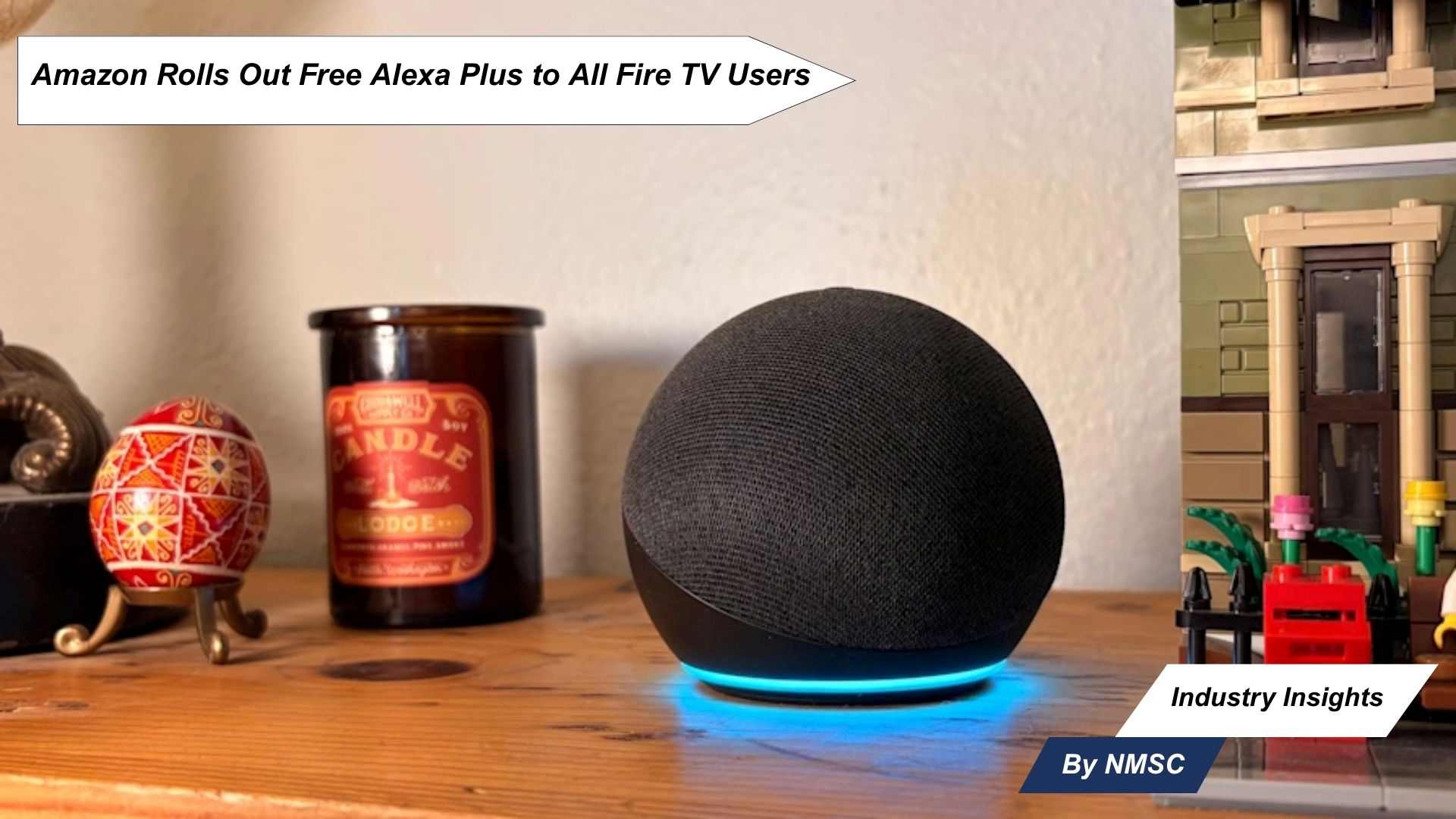
Moreover, in January 2024, Amazon expanded Alexa’s developer ecosystem through enhancements to the Alexa Connect Kit for Matter and added Matter-casting support for Fire TV and Echo Show devices. These updates accelerate Matter adoption and simplify voice and media integration for device makers across Amazon’s smart home ecosystem.
Key Insights from The Smart Home Market Report:
-
The information related to key drivers, restraints, and opportunities and their impact on the smart home market is provided in the report.
-
The value chain analysis in the market study provides a clear picture of the roles of each stakeholder.
-
The market share of the players in the smart home market, along with their competitive analysis, is provided in the report.
About the Author
 Mayurima Roy
— Mayurima Roy is Research Analyst at Next Move Strategy Consulting, where she has spent 4 years working across the firm's full industry coverage rather than a single fixed vertical. Her work centers on structured research, ongoing trend tracking, competitive assessment, and insight-led content development, translating complex market data into clear, decision-ready narratives that support informed client decision-making across diverse global industries, market sectors, and world regions every day.
Mayurima Roy
— Mayurima Roy is Research Analyst at Next Move Strategy Consulting, where she has spent 4 years working across the firm's full industry coverage rather than a single fixed vertical. Her work centers on structured research, ongoing trend tracking, competitive assessment, and insight-led content development, translating complex market data into clear, decision-ready narratives that support informed client decision-making across diverse global industries, market sectors, and world regions every day.
About the Reviewer
 Supradip Baul
— Supradip Baul is an accomplished business consultant and strategist with over a decade of rich experience in market intelligence, strategy, technology, and business transformation. His work has included rigorous qualitative and quantitative analysis across multiple industries, helping clients shape investment decisions and long-term roadmaps. Earlier in his career, he was associated with Gartner, where he contributed to industry-leading reports and market share analyses. He has worked with leading global companies and holds an MBA with a dual specialization in Marketing and Finance.
Supradip Baul
— Supradip Baul is an accomplished business consultant and strategist with over a decade of rich experience in market intelligence, strategy, technology, and business transformation. His work has included rigorous qualitative and quantitative analysis across multiple industries, helping clients shape investment decisions and long-term roadmaps. Earlier in his career, he was associated with Gartner, where he contributed to industry-leading reports and market share analyses. He has worked with leading global companies and holds an MBA with a dual specialization in Marketing and Finance.

















Add Comment