Soft Robotics Market Surges on Record 2026 Investment Wave
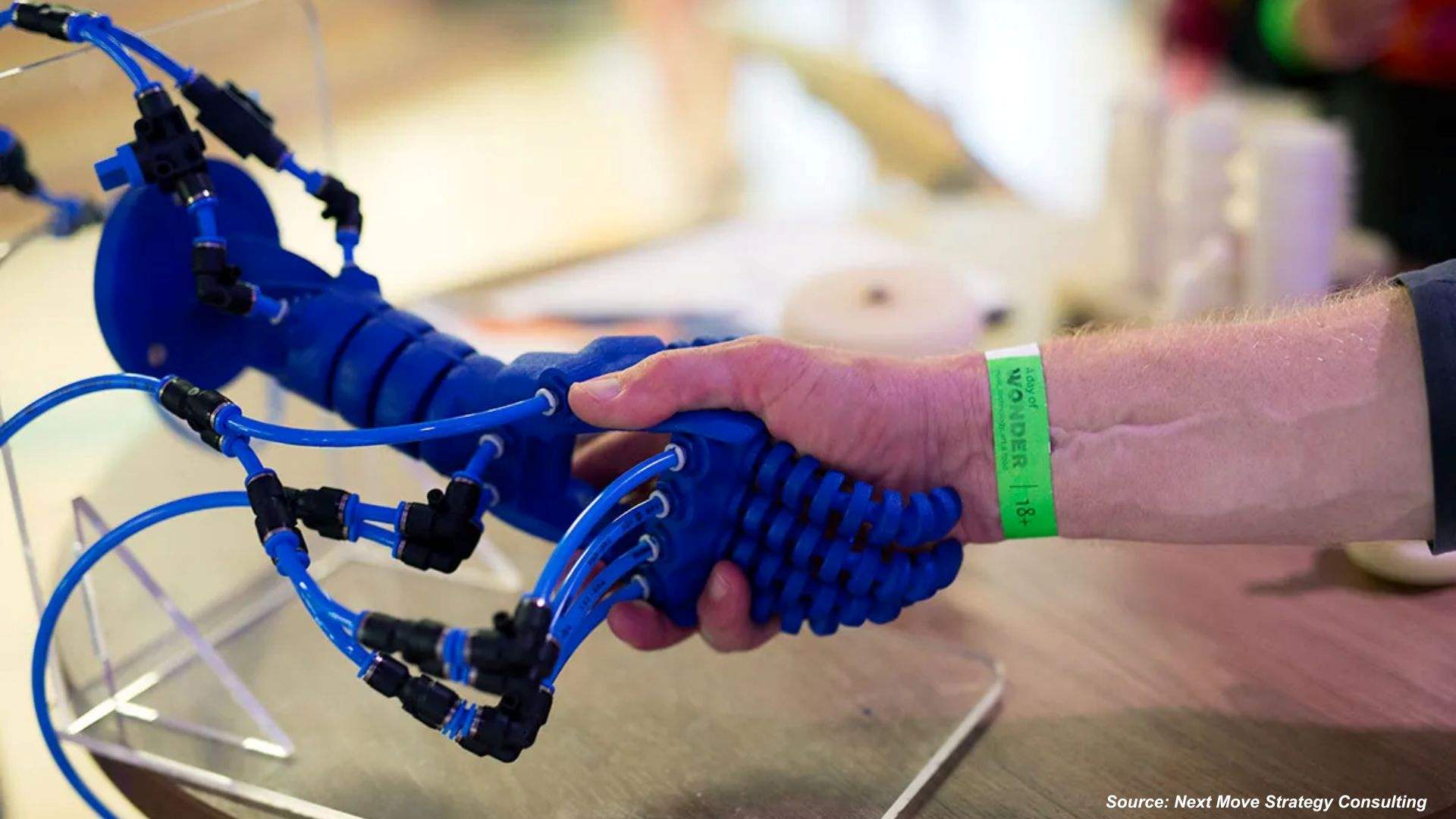
A USD 5.375 Billion ABB–SoftBank Transaction and an Unprecedented USD 18.8 Billion Global Robotics Funding Surge in 2026 Are Reshaping the Structural Foundations of the Global Soft Robotics Market
In one of the most consequential corporate transactions in the history of the global robotics industry, Swiss industrial technology conglomerate ABB Ltd. is finalising the divestment of its entire Robotics division to Japan's SoftBank Group Corp. for an enterprise value of USD 5.375 billion — a deal expected to close in mid-to-late 2026. The transaction, which superseded ABB's earlier plan to spin off the division as a separately listed company, signals a fundamental strategic realignment: the convergence of Physical AI, next-generation computing, and advanced robotics under a single, capital-intensive ownership structure. SoftBank Chairman and CEO Masayoshi Son described the acquisition as central to the group's "Physical AI" frontier, stating that the combination of ABB Robotics' industrial expertise with SoftBank's artificial superintelligence capabilities would "drive a groundbreaking evolution that will propel humanity forward."
The ABB–SoftBank transaction is not an isolated event. It is the most visible expression of a broader capital mobilisation that is reshaping the global robotics sector in 2026. According to Crunchbase, robotics startups globally had raised USD 18.8 billion in 2026 as of mid-year — already surpassing the USD 15 billion raised across the entirety of 2025. In June 2026 alone, NEURA Robotics announced a Series C financing of up to USD 1.4 billion, one of the largest single funding rounds in the sector's history.
These developments carry direct and material implications for the global Soft Robotics Market, which Next Move Strategy Consulting values at USD 1.89 billion in 2024 and projects will reach USD 13.38 billion by 2030, expanding at a compound annual growth rate of 38.6% between 2025 and 2030. The sector — defined by robots constructed from compliant, flexible materials such as elastomers, hydrogels, and smart polymers — is positioned at the intersection of the two most powerful structural forces in global technology: the automation imperative and the AI integration wave.
For More Information: Download FREE Sample on Soft Robotics Market Report
The ABB–SoftBank Deal: Strategic Implications for Soft Robotics
The ABB Robotics division that SoftBank is acquiring generated revenues of USD 2.3 billion in 2024, representing approximately 7% of ABB Group's total revenues, with an Operational EBITA margin of 12.1%. The division employs approximately 7,000 people globally.
ABB CEO Morten Wierod stated that "SoftBank will be an excellent new home for the business and its employees," adding that the combination of ABB Robotics' leading technology and deep industry expertise with SoftBank's capabilities in AI and next-generation computing "will allow the business to strengthen and expand its position as a technology leader in its field."
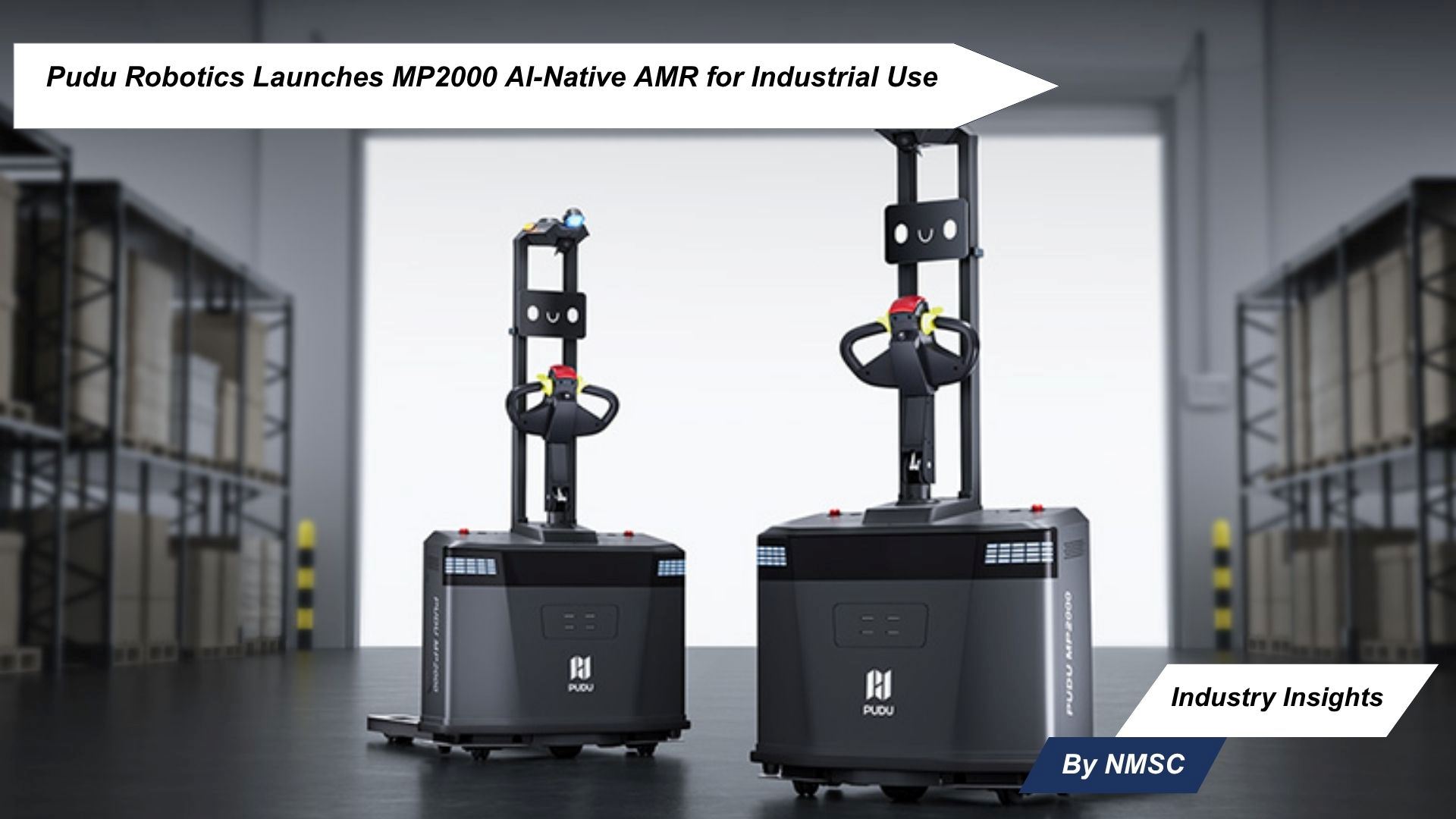
For the soft robotics sector specifically, the transaction carries several structural implications. First, it consolidates significant AI and robotics capital under a single entity with an explicit mandate to accelerate Physical AI — a category that encompasses the adaptive, compliant, and human-safe robotic systems that define soft robotics. Second, it signals that the era of robotics as a standalone industrial division is giving way to an era of robotics as an AI-native platform business. Third, it validates the investment thesis that robotics assets — including soft robotics capabilities — command premium valuations in an environment of accelerating automation demand.
ABB remains listed among the key companies in the soft robotics competitive landscape, alongside Kawasaki Heavy Industries, Yaskawa America, Festo Corporation, SCHUNK SE & Co. KG, Ottobock, Schmalz, Robotiq, OnRobot, RightHand Robotics, Ekso Bionics, and others. The post-divestment trajectory of ABB Robotics under SoftBank ownership will be closely monitored by market participants for its implications on competitive dynamics, R&D investment priorities, and partnership strategies across the soft robotics value chain
Global Industrial Robotics: The Macro Foundation
The soft robotics market does not exist in isolation — it is embedded within, and accelerated by, the broader global industrial robotics expansion. According to the International Federation of Robotics (IFR) World Robotics 2025 report, released in September 2025, 542,000 industrial robots were installed globally in 2024 — the second-highest annual installation count in history, only 2% below the all-time record set in 2022. Annual installations have exceeded 500,000 units for four consecutive years.
The total number of industrial robots in operational use worldwide reached 4,664,000 units in 2024 — an increase of 9% compared to the previous year. This figure represents more than double the operational stock recorded a decade ago, underscoring the structural and sustained nature of global automation demand.
IFR projects global robot installations will grow by 6% to approximately 575,000 units in 2025, with the 700,000-unit threshold expected to be surpassed by 2028.
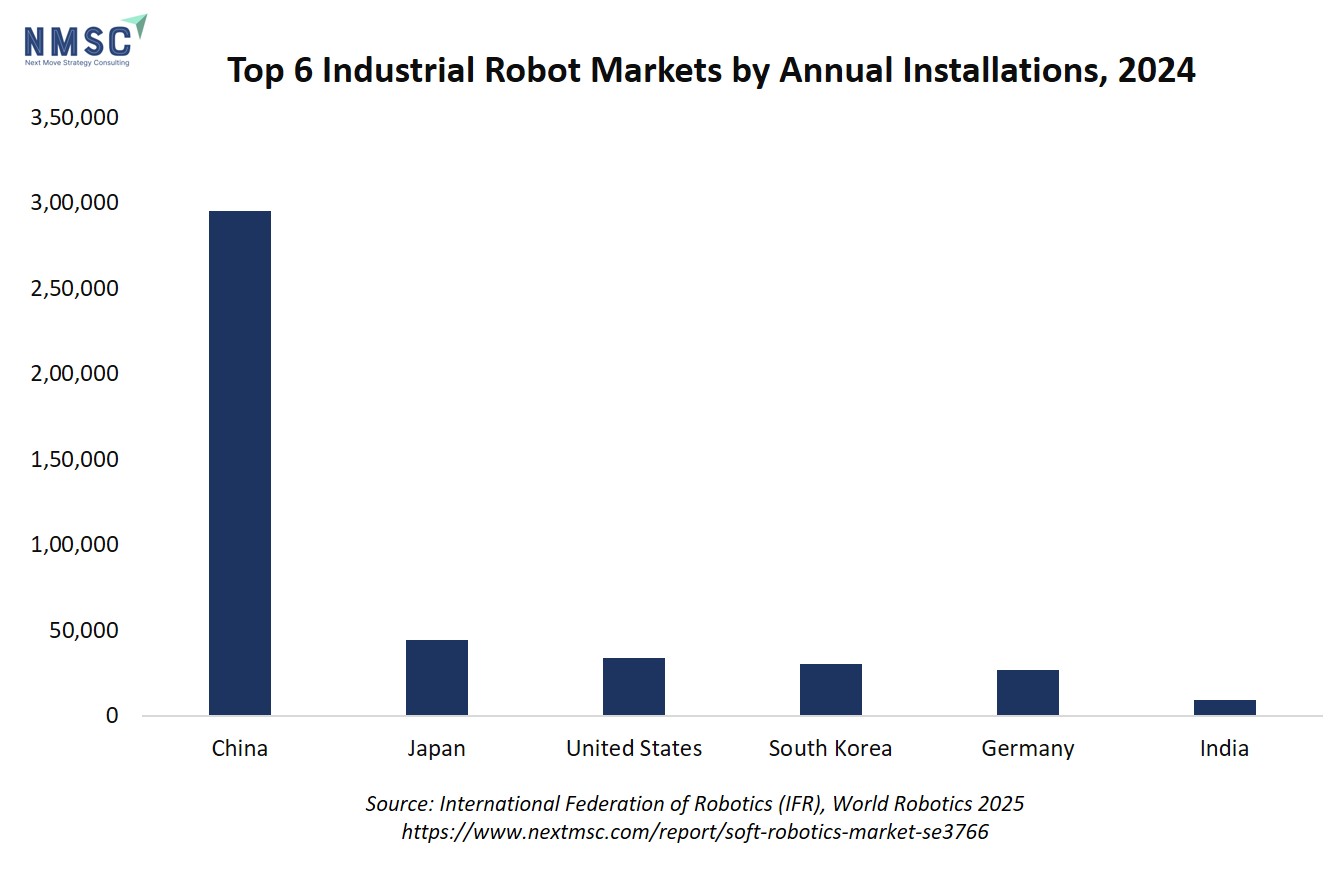
Regional Dynamics: Asia Dominates, Europe Restructures, Americas Stabilise
Asia's dominance in global robotics deployment is unambiguous and accelerating. The region accounted for 74% of all new industrial robot deployments in 2024, compared with 16% in Europe and 9% in the Americas, according to the IFR.
China alone represented 54% of global deployments in 2024, with 295,000 units installed — the highest annual total on record for any single country. For the first time, Chinese domestic manufacturers outsold foreign suppliers in their home market, with domestic market share climbing to 57%, up from approximately 28% a decade ago. China's operational robot stock exceeded 2 million units in 2024, the largest of any country globally. IFR projects continued growth of approximately 10% per year on average in China through 2028.
In the soft robotics context, China's scale advantage is particularly significant. The NMSC report notes that China is advancing AI-powered humanoid and soft robotic systems through a combination of government subsidies, state procurement, and a robust domestic supply chain for robot components that materially lowers production costs. President Xi Jinping has publicly highlighted humanoid robots' strategic importance, and state procurement of such technology rose dramatically in 2024.
Europe's industrial robot market contracted 8% to 85,000 units in 2024, though this remains the second-largest installation count in European history. Germany, the continent's largest robot market, recorded 26,982 installations — a 5% decline but still the second-best result in its history. The European Union's emphasis on digital transformation and AI adoption, combined with nearshoring trends, continues to support medium-term demand for flexible automation solutions, including soft robotics, across manufacturing, healthcare, and logistics.
North America recorded 50,100 robot installations in 2024 — the fourth consecutive year above 50,000 units. The United States, accounting for 68% of regional installations, installed 34,200 units, down 9% from 2023. The U.S. market is characterised by strong demand for flexible automation in logistics, healthcare, and advanced manufacturing — sectors where soft robotics offers distinct advantages over rigid systems.
Market Segmentation: Where Soft Robotics Demand Is Concentrating
According to Next Move Strategy Consulting's analysis, the soft robotics market is segmented by product type, materials, technology, application, and end-user — with distinct demand concentrations emerging across each dimension.
By Product Type: Soft robotic grippers represent the most widely adopted segment, driven by their application in food processing, logistics, and healthcare — industries requiring delicate, adaptive handling that rigid grippers cannot reliably deliver. Collaborative soft robots (cobots) are the second-largest and fastest-growing segment, reflecting the global shift toward human-robot collaboration in assembly, healthcare, and agriculture. Soft wearables and robotic exoskeletons are gaining traction in rehabilitation, industrial ergonomics, and defence applications.
By Technology: Actuation and power systems dominate the technology segment, as they provide the foundational movement, flexibility, and force generation required for soft grippers, exoskeletons, and wearable robots. Sensors are increasingly critical, providing real-time feedback on pressure, position, and force to enable safe and precise human-robot interaction. Control and software technologies — including AI-driven motion planning and adaptive automation — are the fastest-evolving segment, enabling more intelligent and autonomous soft robotic behaviour.
By Application: Medical and surgical applications lead the market, driven by the need for precision, safety, and minimally invasive procedures. Soft robots are deployed in surgical tools, rehabilitation devices, and wearable assistive technologies. The handling and packaging segment is expanding rapidly, fuelled by e-commerce growth and the increasing need for automation in warehousing and food processing. Human-machine interaction applications — encompassing cobots and wearable exoskeletons — are gaining traction as industries prioritise workplace safety and operational efficiency.
By End-User: Healthcare remains the most significant end-user segment, followed by food and beverage, logistics and warehousing, and advanced manufacturing and electronics. The automotive sector is an emerging end-user, leveraging soft robotics for delicate assembly and quality inspection tasks.
Competitive Landscape: Consolidation, Specialisation, and AI Integration
The soft robotics competitive landscape is characterised by a dual dynamic: large industrial automation conglomerates leveraging scale and distribution, and specialised innovators addressing niche applications with proprietary material and actuation technologies.
The ABB–SoftBank transaction is the most significant consolidation event of the current cycle. In August 2024, Schmalz acquired the mGrip product family from Soft Robotics Inc. — including all finger gripper configurations, patents, and associated know-how — strengthening its position in food handling automation. In September 2024, Yaskawa launched the Motoman NEXT platform in North America, integrating machine learning and AI to deliver more intelligent robotic systems. Kawasaki Robotics unveiled its CL Series of industrial-grade collaborative robots at IMTS 2024 in Chicago, expanding its footprint in flexible automation.
In September 2025, Ottobock — the world's largest prosthetics manufacturer and a key player in soft wearable robotics — targeted a market valuation of USD 5.75 billion in its planned initial public offering, reflecting strong investor confidence in the medical soft robotics segment.
Investment valuations across the broader robotics ecosystem are escalating materially. Companies such as Skild AI have reached valuations approaching USD 4 billion, while Figure Robotics is valued at USD 2.6 billion, attracting investments from SoftBank, Nvidia, and Microsoft. U.S. robotics funding rose from approximately USD 7 billion in 2020 to more than USD 12 billion in 2024, according to NMSC analysis.
The IFR's World Robotics 2025 report highlights a parallel trend in collaborative robots (cobots) — a category that overlaps significantly with soft robotics. Cobot installations have grown consistently since 2017, driven by demand for flexible, human-safe automation in small and medium-sized enterprises across manufacturing, logistics, and healthcare.
Key Soft Robotics Industry Developments, 2024–2026
|
Date |
Company / Entity |
Event |
Financial Value |
Significance |
|
Aug 2024 |
Schmalz / Soft Robotics Inc. |
Schmalz acquires mGrip product family, patents, and know-how from Soft Robotics Inc. |
Undisclosed |
Consolidation of soft gripper IP; strengthens food handling automation |
|
Sep 2024 |
Yaskawa America |
Launch of Motoman NEXT platform with ML/AI integration in North America |
Undisclosed |
AI-native robotics platform; advances intelligent automation |
|
Sep 2024 |
Kawasaki Robotics |
Unveils CL Series industrial-grade collaborative robots at IMTS 2024, Chicago |
Undisclosed |
Expands cobot portfolio; enhances flexible automation capabilities |
|
Apr 2025 |
ABB Ltd. |
Announces plan to spin off Robotics division as separately listed company |
N/A |
Strategic restructuring; signals robotics as standalone value driver |
|
Sep 2025 |
Ottobock |
Targets USD 5.75 billion valuation in planned IPO |
USD 5.75B (target) |
Validates medical soft robotics market; largest prosthetics manufacturer |
|
Oct 2025 |
ABB / SoftBank Group |
ABB signs agreement to divest Robotics division to SoftBank for USD 5.375B |
USD 5.375B |
Largest robotics M&A transaction of the cycle; Physical AI convergence |
|
Jun 2026 |
NEURA Robotics |
Announces Series C financing of up to USD 1.4 billion |
USD 1.4B |
Largest single robotics funding round of 2026; AI-native humanoid focus |
|
2026 YTD |
Global Robotics Sector |
Robotics startups raise USD 18.8 billion globally in 2026 (mid-year) |
USD 18.8B |
Surpasses full-year 2025 total of USD 15B; record investment pace |
Materials Science and AI: The Twin Technology Drivers
Two technology vectors are defining the pace of soft robotics market expansion: advances in materials science and the integration of artificial intelligence into robotic control systems.
In materials science, innovations in elastomers, hydrogels, shape-memory alloys, and smart polymers are enabling soft robots to perform increasingly complex movements while maintaining the compliance and safety characteristics that distinguish them from rigid systems. Biodegradable and recyclable materials are gaining traction in medical device and environmental monitoring applications, aligning soft robotics development with broader sustainability mandates. Fabric and textile integration is enabling lightweight, breathable exoskeletons and assistive devices suited for prolonged human interaction.
The AI integration dimension is equally consequential. AI algorithms enable soft robots to learn from their environment, improving object recognition, path planning, and real-time decision-making. This is particularly critical in unstructured environments — agricultural fields, hospital wards, logistics warehouses — where rigid, pre-programmed robots cannot operate reliably. The NMSC report notes that regions with higher AI adoption rates, such as the United States and the United Kingdom, are likely to see faster commercialisation and broader deployment of soft robotic solutions across healthcare, logistics, and manufacturing.
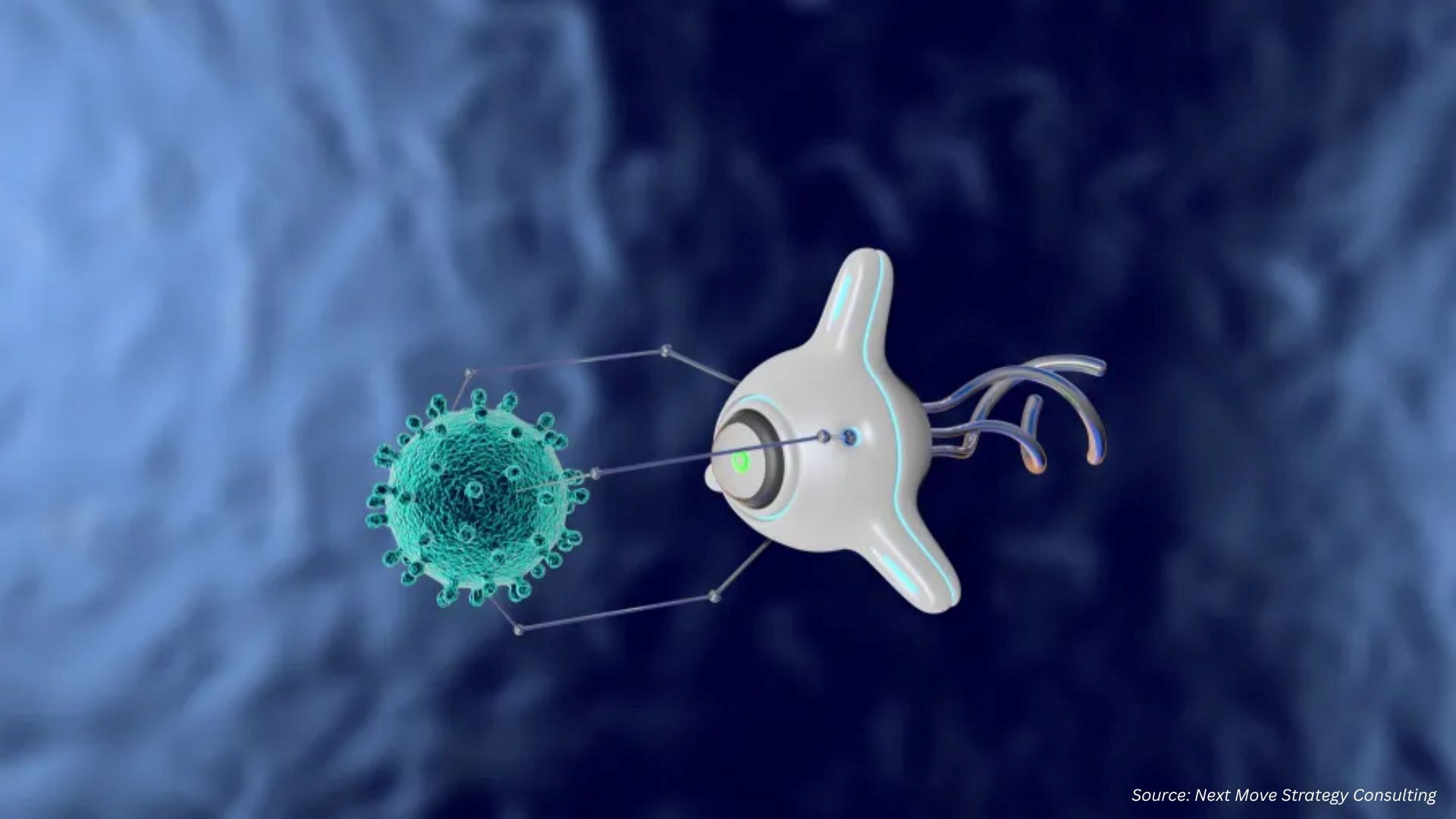
The miniaturisation trend is opening new application frontiers. Advances in microfabrication and compact actuator design are enabling soft robots to navigate constrained environments — including within the human body for minimally invasive surgical procedures — that were previously inaccessible to robotic systems of any kind.
Regulatory Environment and Policy Tailwinds
The regulatory environment for soft robotics is evolving in parallel with the technology. The European Commission has issued a call for proposals to accelerate the adoption of AI-powered robotics and support the transition from research to deployment by developing next-generation platforms — a direct policy signal supporting soft robotics commercialisation across EU member states.
In the Asia-Pacific region, government-backed innovation ecosystems are providing direct financial and operational support to robotics firms. China's state-directed industrial lending initiative — estimated at USD 1.9 trillion — is channelling capital from real estate into manufacturing automation, with humanoid and soft robotic systems identified as strategic priorities. Japan's aging population and labour shortage are driving government support for soft robotics in elderly care and healthcare settings. South Korea's conglomerates are investing in integrated hydrogen and robotics ecosystems, with soft robotics components embedded in broader industrial automation strategies.
In the Middle East, Abu Dhabi's Hub71 Innovation Ecosystem is supporting AI and robotics startups, while Saudi Arabia's NEOM project is integrating robotics and AI extensively into smart city planning — creating demand for soft robotic systems in healthcare, logistics, and defence applications.
The IFR notes that geopolitical tensions, trade disruptions, and macroeconomic uncertainty — with the OECD and IMF projecting global growth of 2.9% to 3.1% in 2025 and 2026 — represent headwinds for the broader robotics industry. However, the IFR's assessment is that "there is no indication that the overall long-term growth trend will come to an end any time soon."
Challenges: Technical Limitations and Commercialisation Barriers
Despite the sector's strong growth trajectory, the soft robotics market faces a set of structural challenges that are moderating the pace of large-scale commercial deployment.
The primary technical constraint is the complexity of integrating sensing, actuation, and control within compliant materials while maintaining the precision and reliability required for critical applications. Soft robotic systems are inherently more difficult to model and control than rigid systems, and material durability under repeated operational cycles remains an active area of research. These limitations slow adoption in applications where reliability and precision are non-negotiable — including medical robotics and high-throughput industrial handling.
The cost of soft robotic systems remains elevated relative to conventional automation alternatives, limiting adoption among small and medium-sized enterprises that lack the capital to absorb higher upfront investment. The absence of standardised interfaces and interoperability frameworks across soft robotic platforms adds integration complexity for end-users operating heterogeneous automation environments.
Supply chain dependencies — particularly for specialised elastomers, smart polymers, and advanced sensor components — introduce procurement risk, particularly in an environment of ongoing geopolitical trade tensions. The U.S. tariff environment on electronics and advanced manufacturing components is increasing input costs across the robotics value chain, with downstream implications for soft robotics system pricing and margin structures.
Bottom Line
The global soft robotics market is entering a period of accelerating structural transformation, driven by the convergence of unprecedented capital mobilisation, AI integration, and expanding automation demand across healthcare, logistics, manufacturing, and defence. The ABB–SoftBank transaction — closing in mid-to-late 2026 at an enterprise value of USD 5.375 billion — and the record USD 18.8 billion in global robotics venture funding raised in 2026 collectively signal that institutional capital has made a definitive commitment to the robotics sector's long-term growth thesis.
Next Move Strategy Consulting projects the soft robotics market will expand from USD 1.89 billion in 2024 to USD 13.38 billion by 2030 at a CAGR of 38.6% — a trajectory supported by IFR data showing global industrial robot installations on course to exceed 700,000 units annually by 2028. The primary growth opportunities lie in medical and surgical applications, AI-native collaborative robotics, and soft wearable systems for rehabilitation and industrial ergonomics.
Key risks include technical limitations in material durability and control precision, elevated system costs relative to rigid alternatives, and supply chain vulnerabilities in specialised materials. For investors and strategic decision-makers, the critical positioning variables are AI integration capability, materials science innovation, and the ability to scale manufacturing while maintaining the compliance and safety characteristics that define soft robotics' competitive differentiation from conventional automation.
About Next Move Strategy Consulting
Next Move Strategy Consulting is a premier market research and management consulting firm that has been committed to provide strategically analysed well documented latest research reports to its clients. The research industry is flooded with many firms to choose from, what makes NMSC different from the rest is its top-quality research and the obsession of turning data into knowledge by dissecting every bit of it and providing fact-based research recommendation that is supported by information collected from over 500 million websites, paid databases, industry journals and one on one consultations with industry experts across a diverse range of industry sectors. The high-quality customized research reports with actionable insights and excellent end-to-end customer service help our clients to take critical business decisions that enables them to move beyond time and have competitive edge in the industry.
We have been servicing over 1000 customers globally that includes 90% of the Fortune 500 companies over a decade. Our analysts are constantly tracking various high growth markets and identifying hidden opportunities in each sector or the industry. We provide one of the industry's best quality syndicate as well as custom research reports across 10 different industry verticals. We are committed to deliver high quality research solutions in accordance to your business needs. Our industry standard delivery solutions that ranges from the pre consultation to after-sales services, provide an excellent client experience and ensure right strategic decision making for businesses.
For more information, please contact:
Next Move Strategy Consulting
5th Floor 867 Boylston St, STE 500,
Boston, MA 02116, U.S.
E-Mail: [email protected]
Direct: +1-217-650-7991
Website: www.nextmsc.com
About the Author
 Sanyukta Deb
— Sanyukta Deb is Digital Marketing Team Lead at Next Move Strategy Consulting, where she has led content strategy and technical SEO for the firm's B2B market research publications for over 2 years. Her editorial process translates NextMSC's primary and secondary research — spanning technology, industrial, and consumer sectors — into commercial narratives, backed by search-intent, keyword, and competitive analysis. She brings 5 years of overall experience in digital marketing and content strategy.
Sanyukta Deb
— Sanyukta Deb is Digital Marketing Team Lead at Next Move Strategy Consulting, where she has led content strategy and technical SEO for the firm's B2B market research publications for over 2 years. Her editorial process translates NextMSC's primary and secondary research — spanning technology, industrial, and consumer sectors — into commercial narratives, backed by search-intent, keyword, and competitive analysis. She brings 5 years of overall experience in digital marketing and content strategy.
About the Reviewer
 Debashree Dey
— Debashree Dey is Assistant Manager at Next Move Strategy Consulting, where she supports cross-vertical market content and communications across diverse industries for 6 years. Her professional background includes senior content writing, communications, and published manuscript authorship, with experience developing audience-focused business narratives and maintaining clear, consistent messaging. Her role supports research-led content development and editorial quality across NextMSC publications.
Debashree Dey
— Debashree Dey is Assistant Manager at Next Move Strategy Consulting, where she supports cross-vertical market content and communications across diverse industries for 6 years. Her professional background includes senior content writing, communications, and published manuscript authorship, with experience developing audience-focused business narratives and maintaining clear, consistent messaging. Her role supports research-led content development and editorial quality across NextMSC publications.
















Add Comment