The United States Just Rewrote the Global Benchmark for Battery Storage Deployment
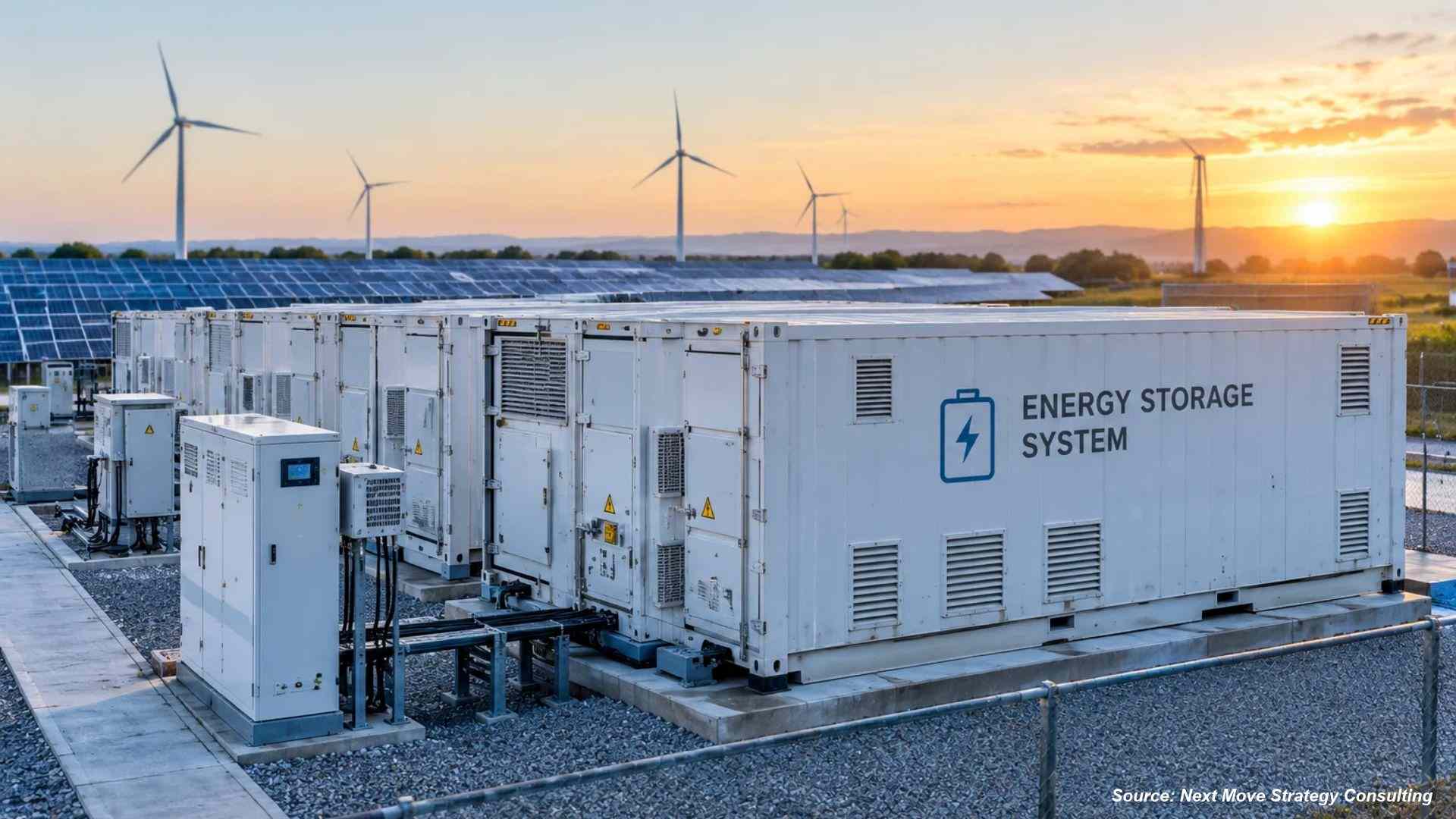
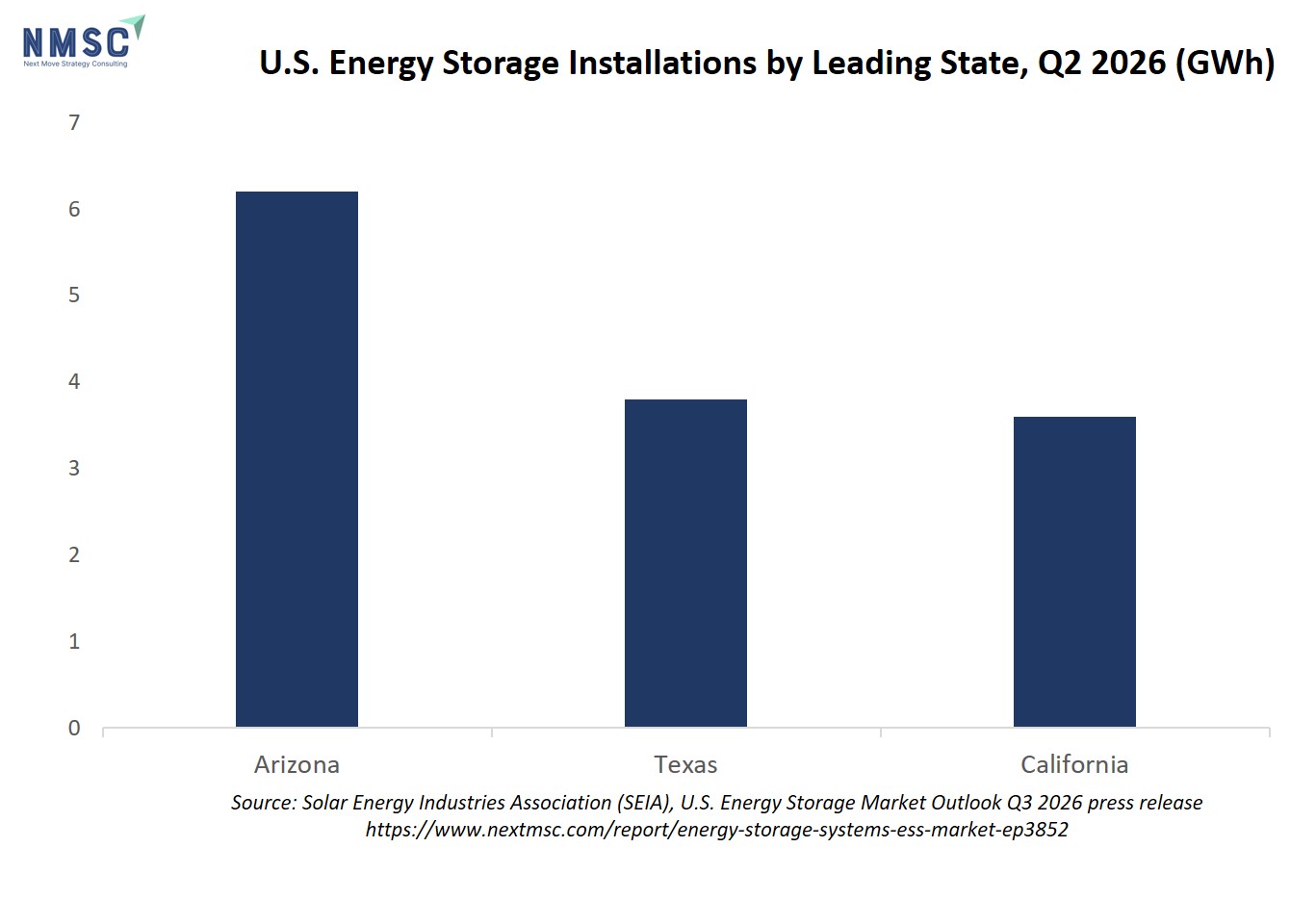
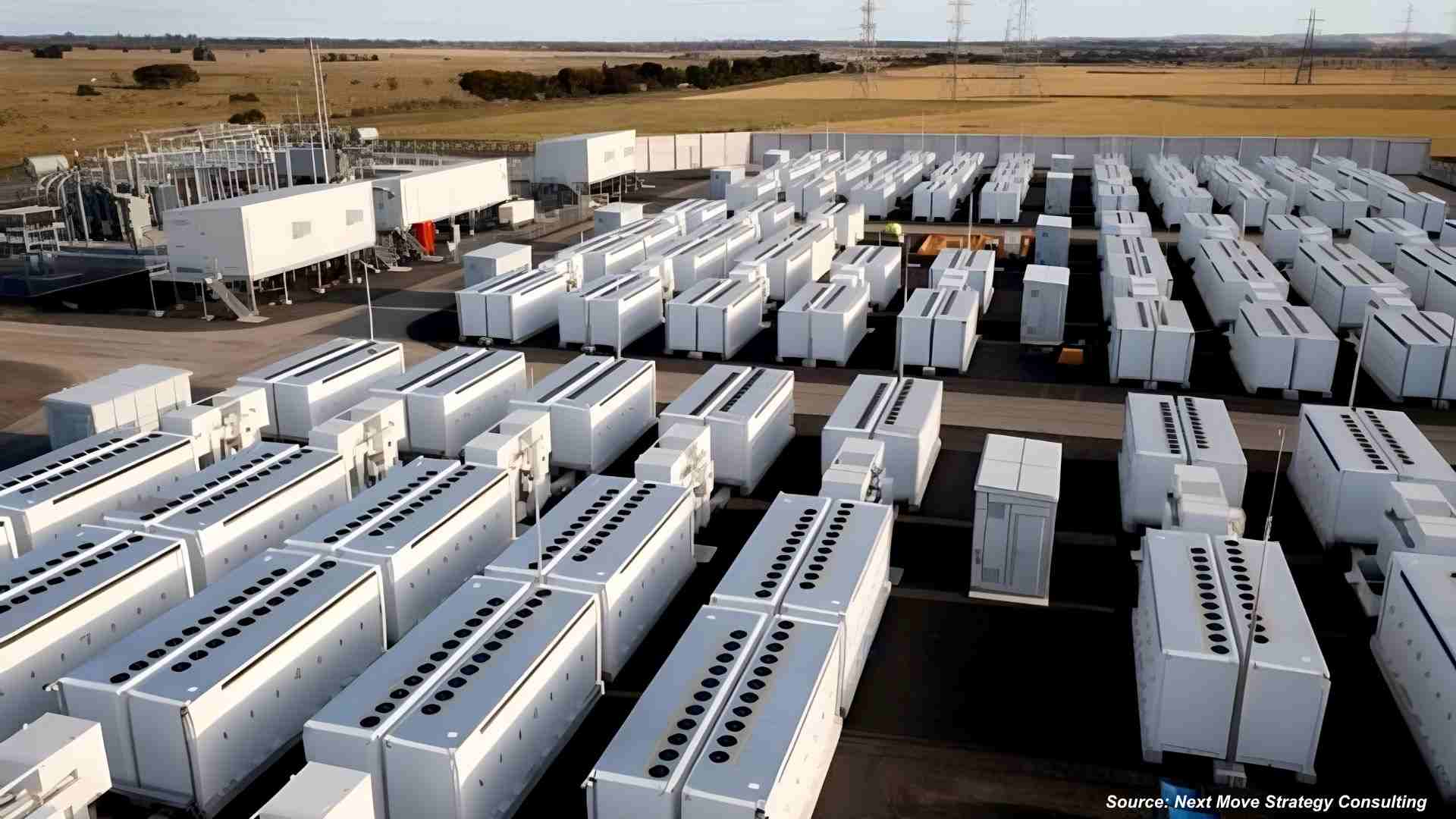
The U.S. energy storage industry installed a record 20.2 gigawatt-hours (GWh) of new battery capacity in the second quarter of 2026 — the single largest deployment quarter in the history of the American grid — bringing total first-half 2026 installations to 30.8 GWh, according to the U.S. Energy Storage Market Outlook Q3 2026 released by the Solar Energy Industries Association (SEIA) and Benchmark Mineral Intelligence on September 1, 2026. The milestone is not merely a domestic record: it represents a structural inflection point in how grid operators, utilities, and independent power producers are treating battery storage — no longer as a supplemental resource, but as a primary reliability instrument capable of absorbing and dispatching power at gigawatt scale within a single state's borders. Arizona alone installed 6.2 GWh of utility-scale storage in Q2 2026, the strongest single-quarter deployment ever recorded by any U.S. state, driven by the need to capture surplus solar generation and meet surging electricity demand from data centers and industrial loads.
Against this backdrop of accelerating physical deployment, the commercial opportunity is expanding in parallel. According to Next Move Strategy Consulting's Energy Storage Systems (ESS) market report, the global ESS market was valued at USD 531.94 billion in 2025 and is projected to reach USD 1,088.65 billion by 2030, growing at a compound annual growth rate (CAGR) of 15.4% over the 2025–2030 forecast period. NMSC's proprietary research and analysis — drawing on primary and secondary research, proprietary databases, and rigorous quality control — positions the ESS sector as one of the fastest-growing segments in the global energy infrastructure landscape, underpinned by the convergence of renewable integration mandates, electric mobility expansion, and AI-enabled grid management.
For More Information: Download FREE Sample on Energy Storage Systems (ESS) Market Report
Q2 2026: A Quarter That Redefined the Scale of Grid-Level Storage
The Q2 2026 deployment figure of 20.2 GWh represents a 108% quarter-over-quarter increase from Q1 2026's 9.7 GWh, itself the strongest first quarter on record, according to SEIA and Benchmark Mineral Intelligence's Energy Storage Market Outlook Q3 2026 (September 1, 2026). Utility-scale projects accounted for 17.9 GWh of Q2 installations, with seven gigawatt-scale projects contributing the bulk of capacity. Commercial and industrial (C&I) storage added 1.8 GWh — largely driven by data center demand — while residential storage contributed 657 MWh.
"This record growth highlights that storage is a powerful reliability tool that strengthens our energy security, meets rising demand and puts downward pressure on electricity bills," said Tim Pawlenty, President and CEO of the Solar Energy Industries Association, in the SEIA press release dated September 1, 2026.
The geographic distribution of Q2 deployments is equally significant. More than 74% of the energy storage capacity installed in Q2 was built in states carried by President Donald Trump in the 2024 election, led by Arizona (6.2 GWh), Texas (3.8 GWh), and California (3.6 GWh), according to SEIA's September 1, 2026 release. This cross-partisan deployment pattern underscores that battery storage has transcended its earlier identity as a California-centric policy instrument and is now being procured on the basis of grid economics and reliability requirements across diverse regulatory environments.
"Energy storage is no longer just a California and Texas story anymore," said Shan Tomouk, BESS & Energy Lead at Benchmark Minerals, in the SEIA Energy Storage Market Outlook Q3 2026 (September 1, 2026). "We're seeing strong pipeline growth in Arizona, Nevada, Oregon, Colorado and several other states."
The SEIA report also revised its cumulative U.S. storage forecast upward by 11.5% to 683 GWh by 2030, reflecting the pace at which deployment is outrunning prior projections.
Duration Is Lengthening: The Grid Is Demanding More Than Two Hours
A parallel development reported by the American Clean Power Association (ACP) and Wood Mackenzie in their U.S. Energy Storage Monitor (September 22, 2026) reveals a structural shift in the type of storage being deployed: the national average duration of installed battery energy storage systems increased from 2.8 hours to 3.5 hours year-over-year in Q2 2026. This 25% increase in average system duration — driven by resource adequacy requirements in California and long-duration utility contracts in Texas — signals that grid operators are no longer satisfied with systems designed purely for frequency regulation or short-duration peak shaving. They are procuring storage that can sustain dispatch across the full evening demand ramp, a requirement that directly expands the addressable market for medium- and long-duration storage technologies.
Utility-scale battery system prices fell 2% year-over-year to USD 916 per kilowatt in Q2 2026, according to the ACP/Wood Mackenzie U.S. Energy Storage Monitor (September 22, 2026), continuing a cost trajectory that is enabling storage to compete in regions and use cases where it was previously uneconomic.
"Battery storage is one of the most important tools we have to meet growing electricity demand," said John Hensley, Senior Vice President of Markets and Policy Analysis at American Clean Power, in the ACP/Wood Mackenzie U.S. Energy Storage Monitor press release (September 22, 2026). "Storage can be deployed quickly, strengthens reliability, and helps the grid make better use of both existing and new generation. With a strong pipeline and continued technology improvements, the outlook for storage remains exceptionally strong."
The data center buildout is emerging as a discrete demand driver that is reshaping utility-scale storage procurement timelines. "Data center buildout strengthens the U.S. storage outlook across all sectors. Storage can provide needed capacity faster, cheaper and more reliably than gas alone," said Allison Feeney, Research Analyst at Wood Mackenzie, in the ACP/Wood Mackenzie U.S. Energy Storage Monitor (September 22, 2026). "As hyperscalers increasingly face grid-connection bottlenecks, utility-scale storage will enable speed to power for data centers."
Global Deployment: 108 GW Added in 2025, Eleven Times the 2021 Installed Base
The U.S. records are occurring within a global deployment surge of comparable magnitude. According to the International Energy Agency's Global Energy Review 2026, 108 GW of new battery storage capacity was deployed worldwide in 2025 — 40% more than in 2024 — bringing global installed battery storage capacity to eleven times its 2021 level. Lithium-iron phosphate (LFP) batteries now account for approximately 90% of new deployments, having displaced rival chemistries due to their lower cost and superior suitability for frequent cycling. Just five years ago, LFP's market share in deployments was below 50%.
China continued to lead global battery deployment in 2025, accounting for approximately 60% of global additions, followed by the United States and Europe, according to the IEA's Global Energy Review 2026. Deployment is also widening beyond the three largest markets, with strong momentum in Australia and parts of the Middle East, where storage is increasingly treated as a foundational component of electricity security rather than a discretionary grid enhancement. Around 80% of new battery capacity added globally in 2025 was utility-scale, with the remainder representing behind-the-meter installations by commercial and residential consumers.
Global Battery Energy Storage Deployment — Key Metrics, 2021–2025
|
Metric |
2021 |
2023 |
2024 |
2025 |
|
Global New Battery Storage Capacity Added (GW) |
~10 (baseline) |
~55 |
~77 |
108 |
|
YoY Growth in New Additions |
— |
— |
~40% |
~40% |
|
LFP Share of New Deployments |
<50% |
~75% |
~85% |
~90% |
|
Utility-Scale Share of New Additions |
~70% |
~75% |
~78% |
~80% |
|
Global Installed Capacity vs. 2021 |
1x |
~4x |
~8x |
11x |
Innovation at the Patent Level: Batteries Now Claim 40% of All Energy Patents
The deployment surge is being reinforced by an unprecedented concentration of global innovation activity in battery and storage technologies. According to the IEA's State of Energy Innovation 2026 report, batteries accounted for 40% of all energy patenting in 2023 — an unprecedented share for a single technology area — and the proportion is expected to have risen further based on preliminary data for 2024 and 2025. Energy technologies as a whole now represent approximately 10% of all new patents worldwide, surpassing chemicals, pharmaceuticals, and transport.
"Energy innovation has become a strategic priority for governments around the world," said Fatih Birol, Executive Director of the International Energy Agency, in the IEA's State of Energy Innovation 2026 press release (February 2026). "With energy security and industrial competitiveness at the top of the agenda, countries that sustain investment in research, demonstration and early deployment will be best positioned to lead the next generation of energy technologies."
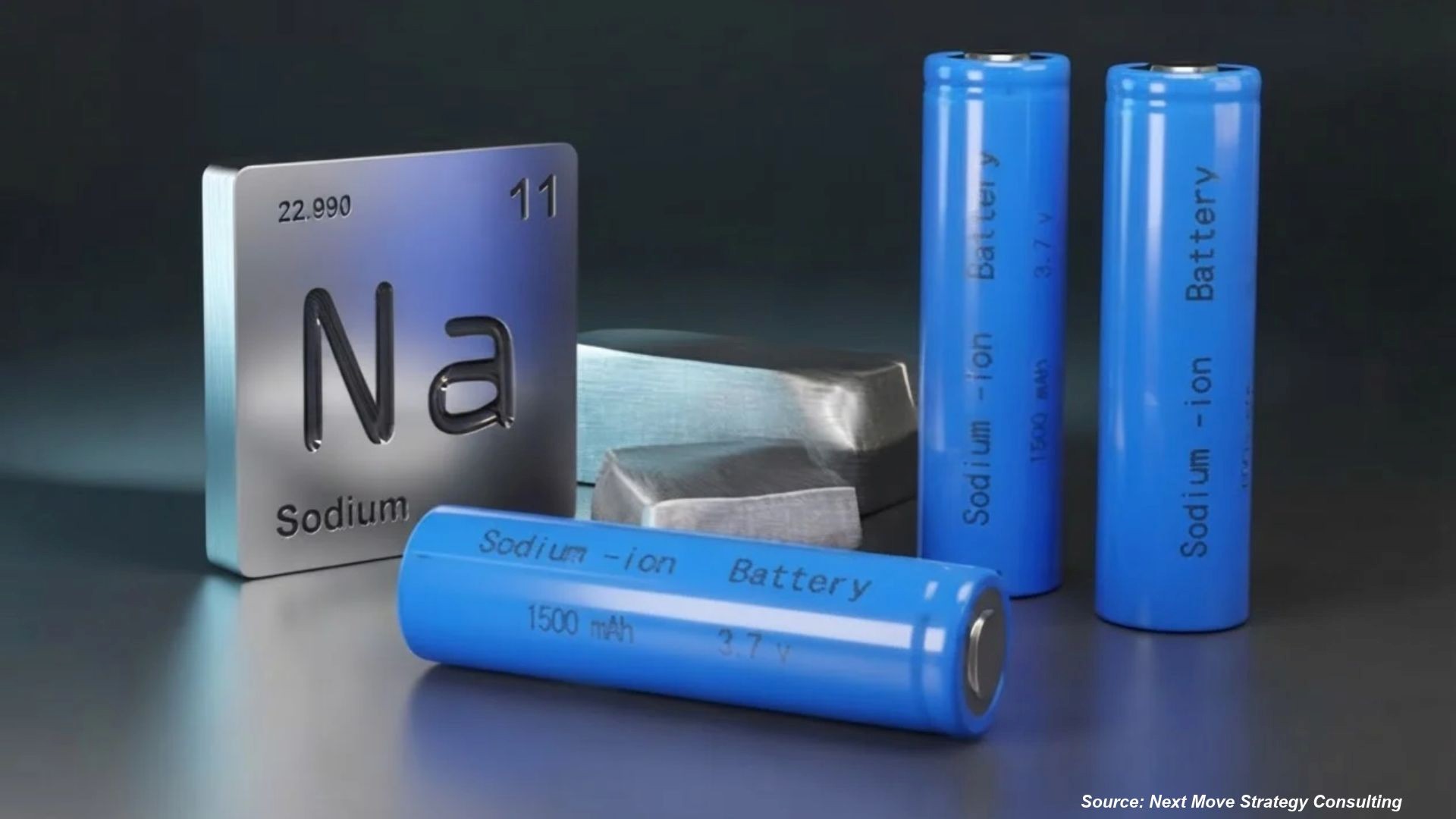
China, South Korea, and Japan remain the leading sources of lithium-ion battery patents, with China's share rising sharply over the past decade, according to the IEA's State of Energy Innovation 2026. The report also identifies sodium-ion batteries and solid-state battery chemistries among the 150+ major innovation highlights of the year, with both technologies advancing in technology readiness levels — a development that directly expands the long-duration storage segment that NMSC's proprietary research identifies as a key growth frontier.
Project-Level Evidence: Fluence and Torch Clean Energy Commission 640 MWh Arizona BESS
At the project level, the scale of individual deployments is itself expanding. In October 2025, Fluence Energy, Inc. (NASDAQ: FLNC) and Torch Clean Energy announced the Winchester project — a 160 MW / 640 MWh battery energy storage system in Cochise County, Arizona — utilizing Fluence's Gridstack Pro 5000 solution, according to Fluence's official investor relations press release dated October 15, 2025. The project is co-located alongside two 80 MW solar arrays and is designed to support grid balancing and forecasted load growth for the Arizona electric grid, with delivery expected in early 2027. The Gridstack Pro 5000 incorporates domestically manufactured enclosures, inverters, and thermal management systems, enabling the full solar-plus-storage facility to qualify for domestic content tax credits under the Inflation Reduction Act.
"We're proud to partner with Torch Clean Energy on the Winchester project and to bring this important power resource to the Arizona electric grid," said John Zahurancik, President of Fluence Americas, in the company's October 15, 2025 press release. "This facility is a great step toward ensuring affordable, reliable, and secure power for the local community and will support regional economic activity and expected load growth for many years to come."
"The Gridstack Pro 5000 will allow us to shift cost-effective solar generation to be dispatched when the grid needs it most," said Travis Haggard, President of Torch Clean Energy, in the same October 15, 2025 press release. With more than 22 GWh of battery energy storage capacity deployed or contracted across 90+ projects in the United States, Fluence's Winchester commitment illustrates how the domestic content incentive structure is actively reshaping procurement decisions at the project level, channeling capital toward U.S.-manufactured components at a moment when FEOC restrictions are simultaneously constraining access to Chinese-origin battery cells.
Policy and Supply Chain: FEOC Rules and Trade Restrictions Reshape Procurement
The Morgan Lewis 2026 Energy Storage Policy & Market Roadmap (March 2026) identifies the regulatory environment as increasingly complex for ESS developers. Approximately 92 GW and 247 GWh of storage were installed globally in 2025 — approximately 23% more than in 2024 — with over 123 GW and 360 GWh expected in 2026, according to the Morgan Lewis report. Of this, approximately 58 GWh of energy storage were installed in the United States in 2025, a 30% increase over 2024.
The Morgan Lewis report identifies Foreign Entity of Concern (FEOC) restrictions — now in force — as a critical developmental bottleneck over the next two to four years, as developers must secure FEOC-compliant equipment and safe-harbored capacity to qualify for the 45X manufacturing tax credit. This constraint is simultaneously accelerating domestic cell manufacturing investment: two new battery cell manufacturing facilities opened in Ohio and Tennessee in Q2 2026, and a new 50 GWh battery module facility opened in Texas, bringing U.S. battery cell and module manufacturing capacity to record highs, according to SEIA's September 1, 2026 press release.
"The slowdown in EV demand has become an unexpected tailwind for storage. Manufacturers are repurposing idle EV cell capacity, accelerating the domestic supply base just as trade policy makes it most valuable," said Allison Weis, Global Head of Energy Storage at Wood Mackenzie, in the ACP/Wood Mackenzie U.S. Energy Storage Monitor (September 22, 2026).
NMSC Strategic Perspective: What the Q2 2026 Records Signal for the Global ESS Market
NextMSC's analysis of the Q2 2026 deployment data and concurrent global developments identifies four structural dynamics that will define the ESS market's trajectory through 2030:
1. The Duration Shift Is Expanding the Total Addressable Market Beyond Prior Estimates
The increase in average U.S. system duration from 2.8 to 3.5 hours in a single year is not a marginal technical adjustment — it represents a fundamental change in what utilities are willing to contract and finance. As grid operators move from procuring two-hour systems for frequency regulation to four-hour-plus systems for resource adequacy, the revenue per installed kilowatt increases substantially, improving project economics and drawing in capital that was previously hesitant. NMSC's proprietary research and analysis indicates that this duration expansion, combined with the data center co-location trend, is the primary mechanism through which the long-duration storage segment will outpace the broader market's 15.4% CAGR over the 2025–2030 period.
2. Domestic Content Requirements Are Accelerating U.S. Manufacturing Capacity in Ways That Will Compress Global Battery Costs
The opening of three new U.S. battery manufacturing facilities in Q2 2026 alone — two cell factories and one 50 GWh module facility — is not simply a supply chain diversification story. As U.S. domestic cell manufacturing capacity crosses 50 GWh and module capacity exceeds 100 GWh, the competitive pressure on global battery pricing will intensify. NMSC's analysis suggests that the FEOC-driven manufacturing buildout in the United States, combined with China's continued dominance of LFP production, will create a two-tier global supply structure that compresses battery system prices faster than most pre-2025 forecasts anticipated — directly supporting the market's expansion toward USD 1,088.65 billion by 2030.
3. The Patent Concentration in Batteries Is a Leading Indicator of Commercial Disruption in Solid-State and Sodium-Ion Chemistries
Batteries claiming 40% of all global energy patents — an unprecedented concentration for a single technology area — signals that the next wave of commercial disruption in the ESS market will not come from incremental improvements to existing lithium-ion systems, but from the commercialization of solid-state and sodium-ion chemistries currently advancing through technology readiness levels. NMSC's proprietary research and analysis identifies these next-generation chemistries as the primary driver of the "Other Storage" segment's expansion from its current 9.8% market share, with implications for both the electrochemical segment's internal composition and the competitive positioning of incumbent battery manufacturers.
4. Geographic Diversification of Deployment Is Reducing Concentration Risk and Expanding the Investable Universe
The emergence of Arizona, Nevada, Oregon, and Colorado as significant U.S. storage markets — alongside the widening of global deployment into Australia and the Middle East — reduces the market's historical dependence on California and China as the primary demand anchors. For institutional investors and project developers, this geographic diversification means that the ESS market's growth trajectory is now supported by a broader and more resilient set of demand drivers, reducing the policy concentration risk that characterized the market as recently as 2023.
Competitive Landscape: Key Players Shaping the Global ESS Market
According to NextMSC primary research and analysis, the global ESS market is led by CATL, Tesla, BYD, Sungrow, Huawei, Envision Energy, EVE Energy, REPT BATTERO, Hithium, CALB, Gotion High-Tech, Sunwoda, Samsung SDI, LG Energy Solution, Great Power, Panasonic, Pylontech, Narada Power, Saft, and Sonnen. These companies are competing across battery chemistry innovation, modular system design, AI-enabled energy management software, and strategic partnerships with utilities and independent power producers.
The competitive landscape is characterized by a blend of established global players — including Tesla, Panasonic, Samsung SDI, and Fluence — that leverage scale and technology to lead in large-scale and modular storage solutions, alongside specialized innovators focused on niche applications such as fast-response batteries, ultracapacitors, and industrial energy storage systems. Mergers and acquisitions are an active competitive tool: Langley Holdings' acquisition of GKN Hydrogen — an Italian specialist in hydrogen storage and power-to-power solutions — from the Dowlais Group exemplifies how strategic consolidation is being used to expand technology portfolios and accelerate entry into the long-duration storage segment, according to NextMSC primary research and analysis.
Bottom Line
The second quarter of 2026 delivered an unambiguous signal: battery energy storage has crossed from a growth market into a critical infrastructure category. The U.S. alone installed 20.2 GWh in a single quarter — a figure that would have represented a full year's global deployment as recently as 2020. Arizona's 6.2 GWh state-level record, the lengthening of average system duration to 3.5 hours, and the opening of three new domestic battery manufacturing facilities in the same quarter collectively demonstrate that the ESS market is scaling simultaneously across deployment, technology, and supply chain dimensions. Globally, the IEA's confirmation of 108 GW added in 2025 — with LFP batteries now commanding 90% of new deployments — and the IEA's finding that batteries account for 40% of all energy patents underscore that the innovation pipeline supporting this market is as robust as the deployment pipeline. According to NextMSC primary research and analysis, the global ESS market is on a trajectory from USD 531.94 billion in 2025 to USD 1,088.65 billion by 2030 at a 15.4% CAGR — a doubling of market value underpinned by renewable integration mandates, electric mobility infrastructure, AI-enabled grid management, and the structural shift toward longer-duration storage systems that grid operators across every major economy are now actively procuring.
About Next Move Strategy Consulting
Next Move Strategy Consulting is a premier market research and management consulting firm that has been committed to provide strategically analysed well documented latest research reports to its clients. The research industry is flooded with many firms to choose from, what makes NMSC different from the rest is its top-quality research and the obsession of turning data into knowledge by dissecting every bit of it and providing fact-based research recommendation that is supported by information collected from over 500 million websites, paid databases, industry journals and one on one consultations with industry experts across a diverse range of industry sectors. The high-quality customized research reports with actionable insights and excellent end-to-end customer service help our clients to take critical business decisions that enables them to move beyond time and have competitive edge in the industry.
We have been servicing over 1000 customers globally that includes 90% of the Fortune 500 companies over a decade. Our analysts are constantly tracking various high growth markets and identifying hidden opportunities in each sector or the industry. We provide one of the industry's best quality syndicate as well as custom research reports across 10 different industry verticals. We are committed to deliver high quality research solutions in accordance to your business needs. Our industry standard delivery solutions that ranges from the pre consultation to after-sales services, provide an excellent client experience and ensure right strategic decision making for businesses.
For more information, please contact:
Next Move Strategy Consulting
5th Floor 867 Boylston St, STE 500,
Boston, MA 02116, U.S.
E-Mail: [email protected]
Direct: +1-217-650-7991
Website: www.nextmsc.com
About the Author
 Sanyukta Deb
— Sanyukta Deb is Digital Marketing Team Lead at Next Move Strategy Consulting, where she has led content strategy and technical SEO for the firm's B2B market research publications for over 2 years. Her editorial process translates NextMSC's primary and secondary research — spanning technology, industrial, and consumer sectors — into commercial narratives, backed by search-intent, keyword, and competitive analysis. She brings 5 years of overall experience in digital marketing and content strategy.
Sanyukta Deb
— Sanyukta Deb is Digital Marketing Team Lead at Next Move Strategy Consulting, where she has led content strategy and technical SEO for the firm's B2B market research publications for over 2 years. Her editorial process translates NextMSC's primary and secondary research — spanning technology, industrial, and consumer sectors — into commercial narratives, backed by search-intent, keyword, and competitive analysis. She brings 5 years of overall experience in digital marketing and content strategy.
About the Reviewer
 Debashree Dey
— Debashree Dey is Assistant Manager at Next Move Strategy Consulting, where she supports cross-vertical market content and communications across diverse industries for 6 years. Her professional background includes senior content writing, communications, and published manuscript authorship, with experience developing audience-focused business narratives and maintaining clear, consistent messaging. Her role supports research-led content development and editorial quality across NextMSC publications.
Debashree Dey
— Debashree Dey is Assistant Manager at Next Move Strategy Consulting, where she supports cross-vertical market content and communications across diverse industries for 6 years. Her professional background includes senior content writing, communications, and published manuscript authorship, with experience developing audience-focused business narratives and maintaining clear, consistent messaging. Her role supports research-led content development and editorial quality across NextMSC publications.















Add Comment