U.S. Battery Storage Sets Q2 2026 Deployment Record
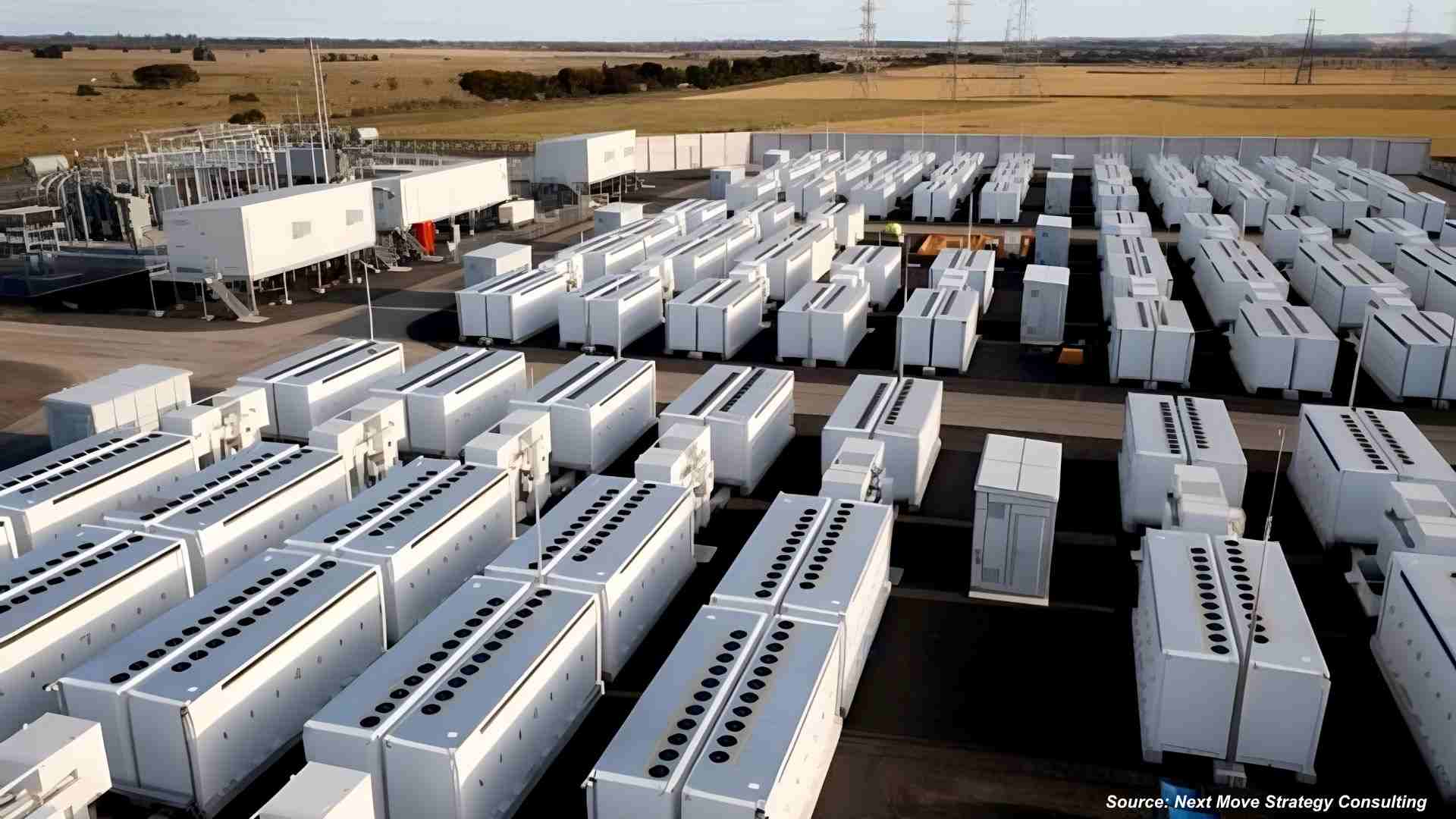
U.S. Energy Storage Installs Record 20.2 GWh in Q2 2026 as Global Deployment Accelerates, Reshaping the Battery Energy Storage System Market
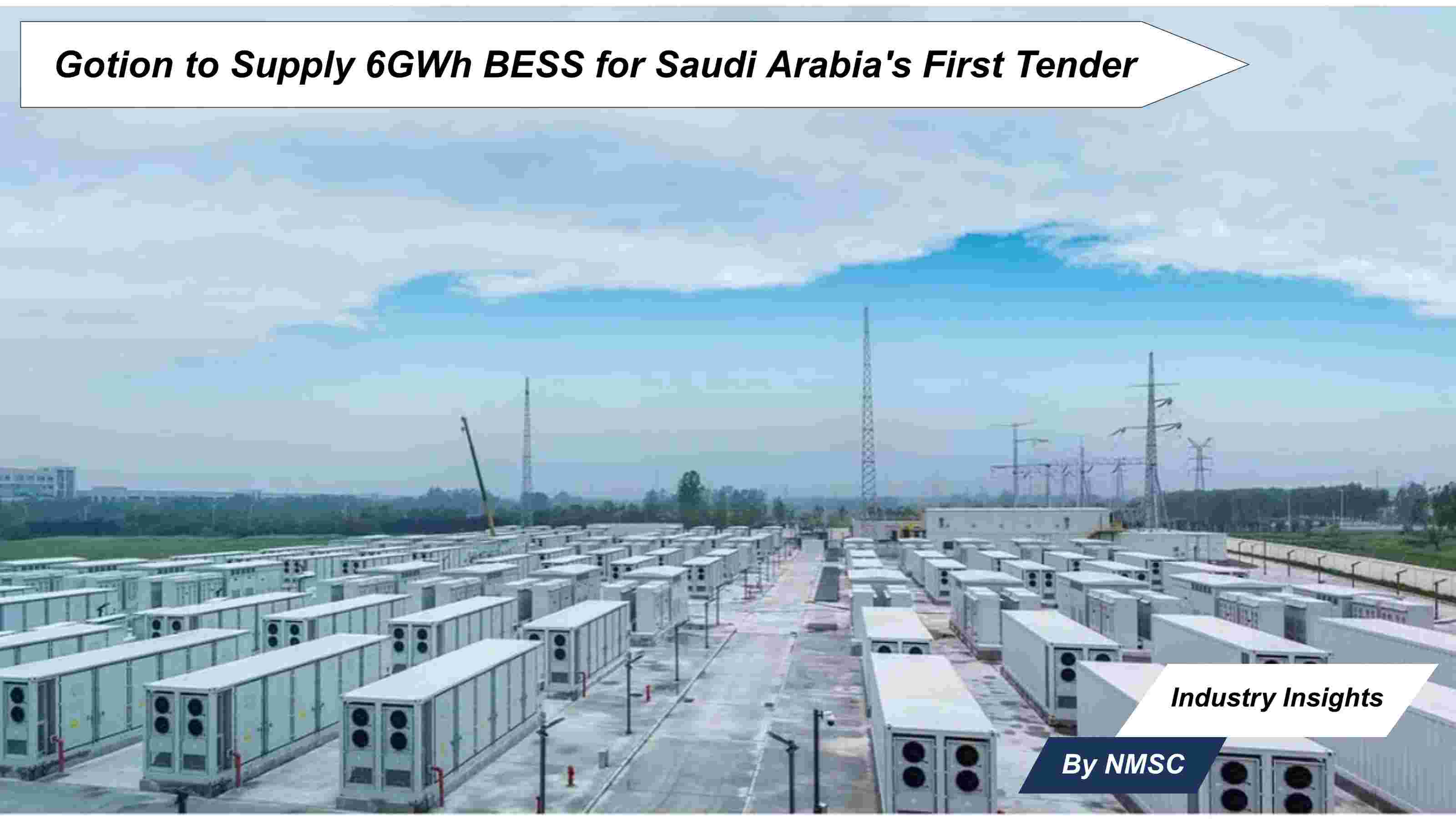
The United States energy storage industry installed a record 20.2 gigawatt-hours (GWh) of new battery capacity in the second quarter of 2026—the largest single quarter of energy storage deployment in the country's history—bringing total installations in the first half of 2026 to 30.8 GWh, according to the U.S. Energy Storage Market Outlook Q3 2026 report released today by the Solar Energy Industries Association (SEIA) and Benchmark Mineral Intelligence. The milestone underscores a structural acceleration in grid-scale storage investment that is reverberating across the global Battery Energy Storage System Market, as utilities, grid operators, and energy buyers increasingly deploy storage as a primary tool for grid reliability, renewable integration, and demand management.
Utility-scale energy storage capacity in the United States has nearly doubled—from 88 GWh to 165 GWh—in the first 18 months of the current administration, as grid operators confront rising electricity demand driven by data center expansion, industrial electrification, and extreme weather events. Demand for energy storage is outpacing prior projections, prompting SEIA and Benchmark Mineral Intelligence to revise their 2030 U.S. capacity forecast upward by 11.5% to 683 GWh.
"This record growth highlights that storage is a powerful reliability tool that strengthens our energy security, meets rising demand and puts downward pressure on electricity bills," said Tim Pawlenty, President and CEO of the Solar Energy Industries Association.
The Q2 2026 record is not an isolated domestic development. It reflects a global inflection point in battery storage deployment that the International Energy Agency (IEA) documented in its May 29, 2026 commentary, confirming that 108 gigawatts (GW) of new battery storage capacity was deployed worldwide in 2025—40% more than in 2024—and that annual growth of this scale exceeds the historical peak for gas-fired power capacity additions, which reached approximately 107 GW in 2002.
For More Information: Download FREE Sample on Battery Energy Storage System Market Report
Record Global Deployment Driven by China, United States, and Emerging Markets
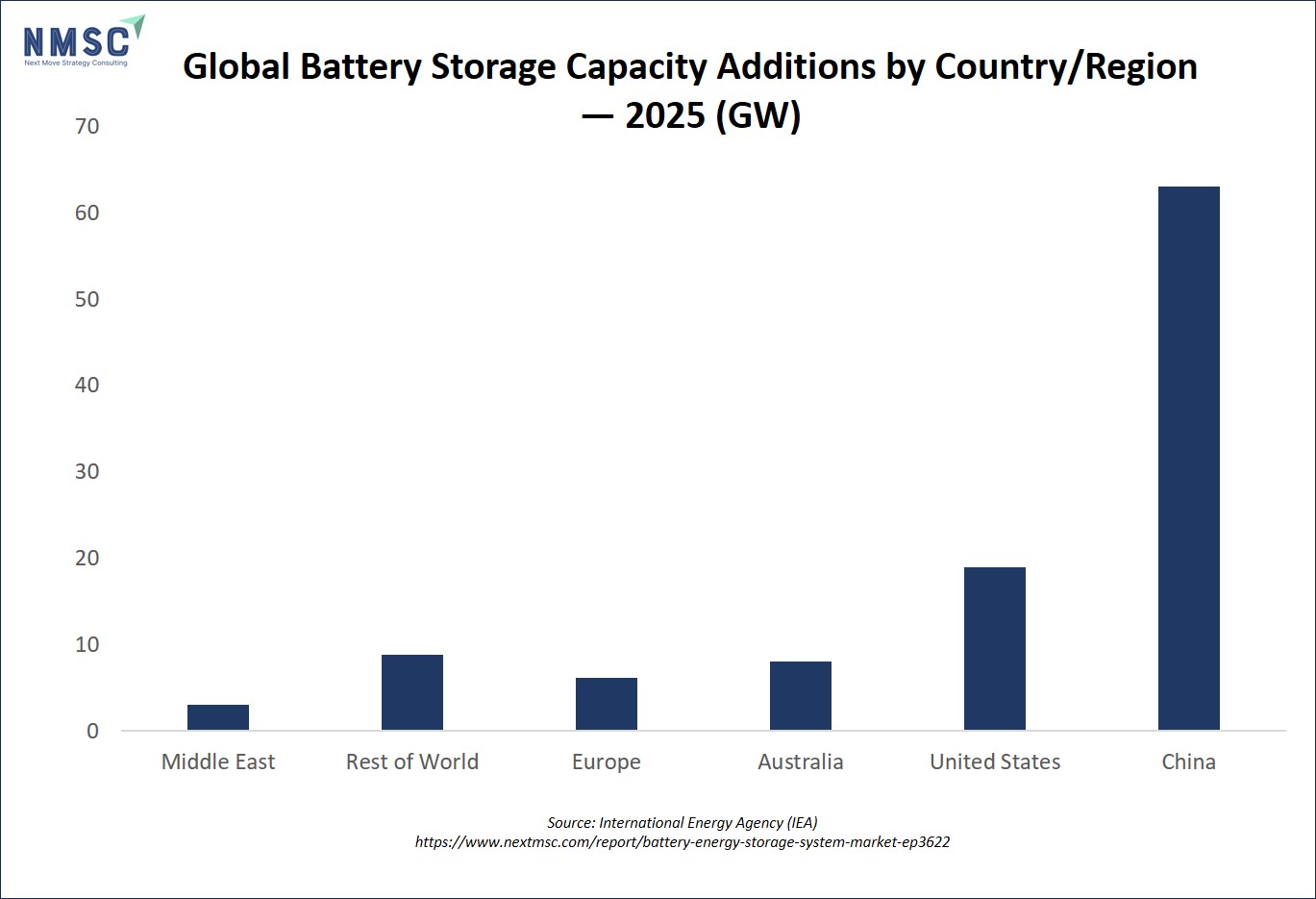
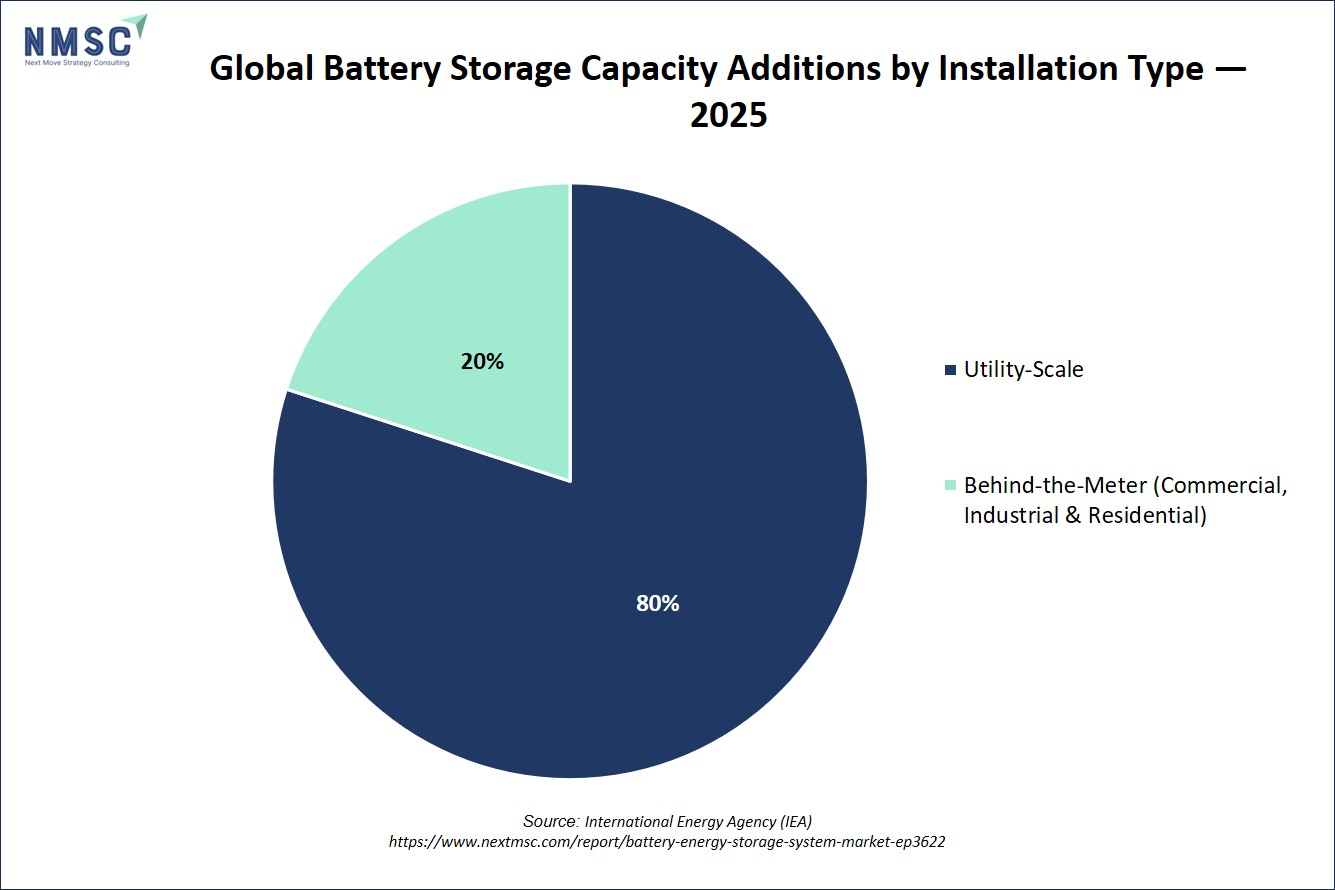
China continued to lead global battery storage deployment in 2025, adding just over 63 GW of battery capacity—approximately one-third more than in 2024—and accounting for roughly 60% of global additions. Utility-scale installations accounted for approximately 55 GW of China's total, while behind-the-meter additions reached about 8 GW. The United States added 19 GW of battery capacity in 2025, representing year-on-year growth of approximately 60%, with utility-scale batteries accounting for over 16 GW. Europe added approximately 6.2 GW in total, with a clear structural shift toward utility-scale systems where additions more than doubled to about 4.6 GW.
Australia emerged as a standout performer, with additions surging to nearly 8 GW in 2025—almost nine times higher than the previous year. Utility-scale installations in the country rose from under 1 GW in 2024 to approximately 4.2 GW in 2025, while behind-the-meter additions increased from roughly 0.2 GW to about 3.4 GW, supported by state- and federal-level incentives. In the Middle East, additions topped 3 GW in 2025, more than three times their 2024 level, driven almost entirely by Saudi Arabia, where battery storage has become a key source of system flexibility amid a rapidly expanding pipeline of large-scale projects.
Battery storage now accounts for approximately 18% of installed dispatchable capacity in Australia, compared with 7% in China, 5% in the United States, and 4% in Europe—underscoring how rapidly batteries are becoming an integral component of electricity systems in leading markets.
Geographic Diversification Signals Structural Market Maturation
The broadening of global deployment beyond the three largest markets—China, the United States, and Europe—represents a qualitative shift in the battery energy storage system market's development trajectory. "Deployment is widening beyond the largest markets, with strong momentum in Australia and parts of the Middle East, where storage is increasingly seen as a key building block for electricity security and renewables integration," the IEA noted in its May 2026 commentary.
Within the United States, the geographic diversification of storage deployment is equally pronounced. More than 74% of the energy storage capacity installed in Q2 2026 was built in states won by President Donald Trump in 2024, led by Arizona, Texas, and Utah. Arizona led the country with 6.2 GWh of new storage installations in Q2 2026—the strongest quarter for any single state on record—as the state increasingly pairs its abundant solar resources with storage to capture renewable generation, meet rising demand, and manage electricity costs. Texas and California installed 3.8 GWh and 3.6 GWh, respectively, in Q2.
"Energy storage is no longer just a California and Texas story anymore," said Shan Tomouk, BESS and Energy Lead at Benchmark Minerals. "We're seeing strong pipeline growth in Arizona, Nevada, Oregon, Colorado and several other states."
Battery energy storage supplied more electricity to the U.S. grid in the first eight months of 2026 than in all of 2025. During periods of extreme heat in Texas and California, storage provided power when demand was highest, supporting grid reliability and helping protect consumers from price spikes.
Cost Collapse Reshapes Investment Economics Across All Market Segments
The structural driver underpinning the global deployment surge is a sustained and dramatic decline in battery storage costs. According to the International Renewable Energy Agency (IRENA), the costs of fully installed battery storage projects declined by 93% between 2010 and 2024, falling from USD 2,571 per kilowatt-hour (kWh) to USD 192/kWh. In 2024 alone, battery storage costs decreased by 38% for a two-hour system and 32% for a four-hour system compared to 2023—a single-year cost reduction of exceptional magnitude.
The IEA's May 2026 commentary corroborated this trajectory, confirming that battery costs declined by more than 90% between 2010 and 2025, driven by innovation, competition, and economies of scale. This cost collapse has fundamentally altered the investment calculus for utilities, independent power producers, and commercial and industrial energy users, making battery storage increasingly competitive with conventional peaking generation assets across a growing range of applications and geographies.
Within the lithium-ion sector, a decisive shift toward lithium iron phosphate (LFP) chemistry has taken place. LFP's market share grew from 48% in 2021 to an estimated 85% by 2024, driven by lower costs, higher cycle life, and superior safety characteristics. The IEA's Global Energy Review 2026 confirmed that LFP batteries now account for approximately 90% of deployments globally, reflecting the chemistry's dominance in utility-scale applications where cost efficiency and cycling frequency are paramount.
Global Battery Energy Storage System Cost Decline — 2010 to 2024
|
Year |
Fully Installed BESS Cost (USD/kWh) |
Year-on-Year Change |
Notes |
|
2010 |
2,571 |
— |
Baseline year |
|
2021 |
~400 (est.) |
Significant decline |
LFP market share: 48% |
|
2023 |
~310 (2-hr system) |
— |
Pre-2024 reference |
|
2024 |
192 |
-38% (2-hr); -32% (4-hr) vs. 2023 |
LFP market share: ~85% |
|
2010–2024 |
— |
-93% cumulative |
From USD 2,571 to USD 192/kWh |
Energy Shifting Emerges as Dominant Application, Extending Storage Duration
A fundamental shift in how battery storage is deployed is reshaping product development priorities and project economics across the battery energy storage system market. Energy shifting—the ability to store large volumes of energy for deployment at a later time—has become the dominant application, with its share of new projects increasing from approximately 40% in 2015 to more than 90% in 2025. Over the same period, the share of projects primarily targeting ancillary services fell from approximately 45% to about 7%, even as the absolute volume of such projects continued to grow.
IRENA data corroborates this trend, confirming that since 2018, energy shifting has been the primary use of electricity storage, accounting for 67% of total capacity additions in 2024. This often involves using BESS to store renewable energy during low market prices or excess production, then releasing it to the grid during peak demand when prices are higher.
As deployment pivots toward energy shifting and renewables integration, the duration of utility-scale batteries is increasing. In 2025, the average duration of projects commissioned rose to three hours from approximately two hours in 2023, with a rising share of projects offering four hours of storage or more. This duration extension reflects the growing value of flexibility in power systems with rising shares of solar photovoltaic generation.
The operational impact of this deployment is now measurable at the system level. In California, where solar capacity has grown to over 55 GW—exceeding the state's peak load—battery storage covered more than 40% of the state's power load on the evening of March 29, 2026. In the first quarter of 2026, battery storage contributed above 60% of hour-to-hour ramping needs in California, up from less than 1% five years ago. In Texas, batteries contributed to more than 40% of ramping in the ERCOT market in April 2026.
U.S. Battery Energy Storage Quarterly and Annual Deployment — 2025 to H1 2026
|
Period |
New Capacity Installed (GWh) |
Record Status |
Key Driver |
|
Full Year 2025 |
57.6 |
Annual record |
Utility-scale solar + storage pairing; EV grid integration |
|
Q1 2026 |
9.7 |
Strongest Q1 on record |
Utility-scale expansion; residential growth |
|
Q2 2026 |
20.2 |
Largest single quarter on record |
Arizona, Texas, California; domestic manufacturing ramp |
|
H1 2026 |
30.8 |
Strongest first half on record |
Broad geographic diversification |
|
2030 Forecast |
683 (total installed) |
Revised upward 11.5% |
Grid reliability demand; domestic manufacturing capacity |
Regulatory Transformation Accelerates Across Key Markets
The deployment surge is being reinforced by a wave of regulatory reforms across major markets that are reducing permitting barriers, clarifying grid connection procedures, and establishing new legal frameworks for large-scale battery storage.
In Germany, the Federal Building Code (Baugesetzbuch, BauGB) was amended in December 2025 to grant battery energy storage systems "privileged" status in external areas—a reform that eliminates the need for a special development plan for BESS in external areas, shortens project timelines, and establishes a uniform approval standard across municipalities. Prior to the reform, BESS projects in external areas lacked explicit statutory recognition, resulting in inconsistent permitting outcomes. The reform represents a meaningful improvement in legal certainty for investors and developers operating in Europe's largest economy.
Germany's transmission system operators (TSOs) published a joint proposal in February 2026 for a revised "first-ready, first-served" network connection allocation procedure, designed to prioritize projects with a high probability of realization. The scale of demand for grid connection capacity in Germany is striking: cumulative BESS connection requests at the transmission level alone amount to approximately 211 GW as of Q3 2025, with applications across all network levels reportedly exceeding 400 GW—a figure that illustrates the depth of investor interest in the German storage market.
In the United States, the EIA's March 2026 battery storage market update confirmed the continued expansion of large-scale battery storage systems across regions and ownership types, with co-located systems and applications serving grid balancing functions growing in prominence. The U.S. also set domestic manufacturing records in Q2 2026, with the opening of two new battery cell manufacturing facilities in Ohio and Tennessee, and a new 50 GWh battery module facility in Texas—bringing U.S. battery cell and module manufacturing capacity to record highs.
Corporate Developments and Technology Innovation Reshape Competitive Dynamics
The global deployment acceleration has been accompanied by significant corporate investment and technology milestones across the battery energy storage system market's competitive landscape.
In September 2025, BYD unveiled the "HaoHan," a DC energy storage system with a 14.5 MWh single-unit capacity, at the International Digital Energy Expo in Shenzhen—setting a new benchmark in utility-scale storage system design and signaling the continued push toward higher-capacity, lower-cost modular architectures. In July 2025, Exide invested approximately USD 516 million in a lithium-ion cell manufacturing facility in Bengaluru, India, with Phase I targeting an initial 6 GWh capacity for trial production by the end of FY2024–25. In November 2024, Fluence reported a record USD 1.3 billion in quarterly orders, doubling its order intake from 6.3 GWh in 2023 to 14.6 GWh in 2024, with the company's project pipeline reaching USD 21 billion—a 60% year-over-year increase.
The IEA's May 2026 commentary highlighted that battery storage's comparatively short construction and development timelines—median construction times of approximately 275 days for utility-scale batteries, close to solar PV at about 220 days but far below gas at over two years and nuclear at more than six years—provide a critical competitive advantage in power systems that require additional flexibility within short timeframes.
Market Intelligence: BESS Sector Strategic Outlook
According to analysis by Next Move Strategy Consulting, the global battery energy storage system market was valued at USD 52.73 billion in 2025 and is projected to reach USD 127.92 billion by 2030, registering a CAGR of 19.39% during the forecast period. The NMSC report identifies key growth drivers including the accelerating adoption of electric vehicles—global electric car sales exceeded 17 million units in 2024 according to the IEA—and the rapid expansion of renewable energy sources that require storage to balance intermittent generation.
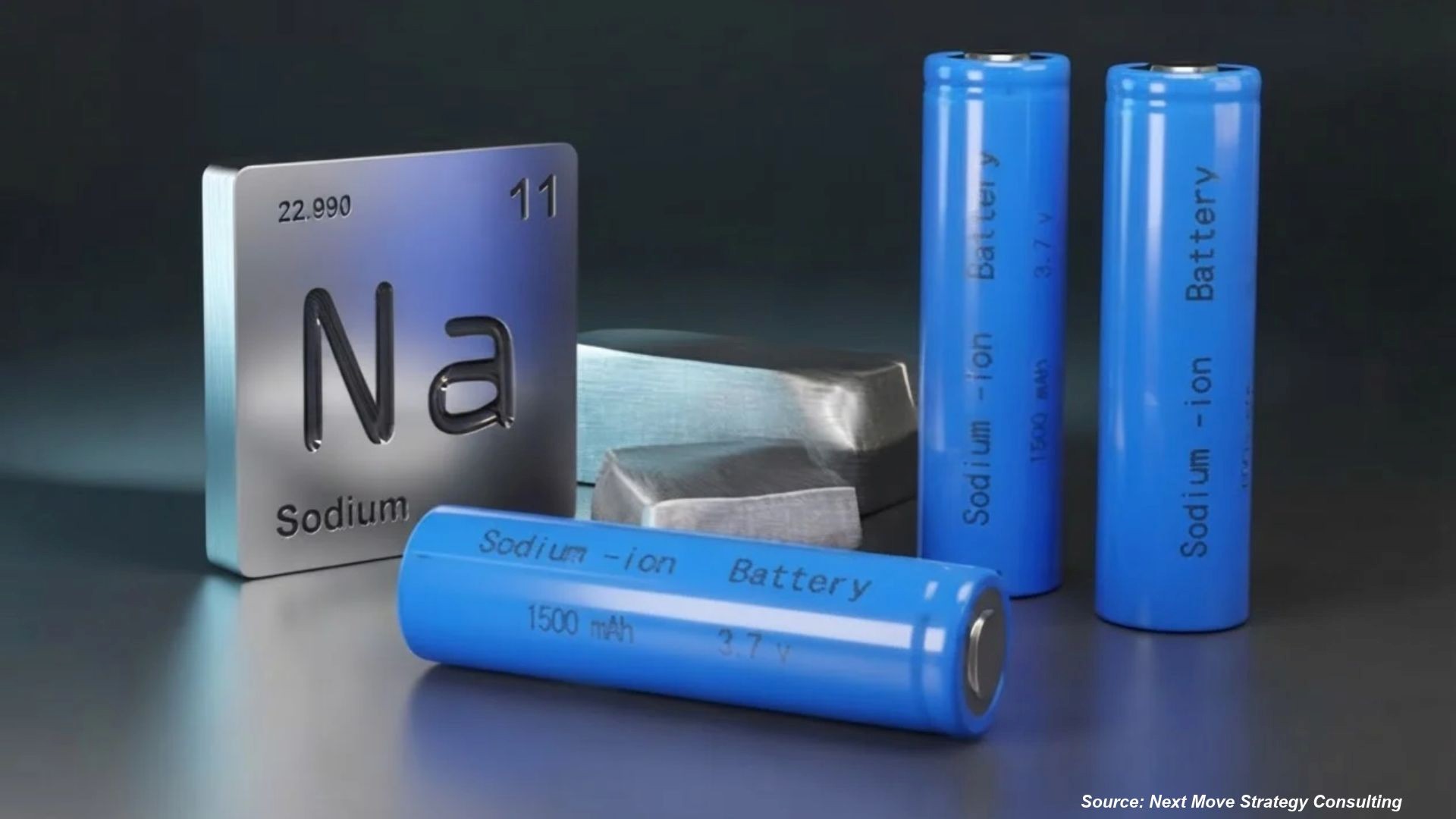
The NMSC report segments the market by power capacity (small below 20 MW, medium 20–100 MW, large above 100 MW), technology (lithium-ion including LFP and NMC/NCA, flow batteries, advanced lead-acid, sodium-based, and emerging chemistries), application (renewable integration and firming, energy arbitrage, ancillary services, T&D deferral, and microgrids), discharge duration, installation type (front-of-meter and behind-the-meter), and business model (utility-owned, third-party/IPP, customer-owned, and public-private partnerships).
Asia-Pacific dominates global BESS consumption, consistent with China's position as the world's largest deployer of battery storage—adding 63 GW in 2025 alone. North America is identified as a high-growth regional market, supported by the record deployment trajectory confirmed by SEIA's Q2 2026 data, domestic manufacturing expansion, and the structural demand created by data center growth and grid reliability imperatives. Europe presents significant opportunity driven by the EU's net-zero commitments and the regulatory reforms underway in Germany and other major markets.
Key competitive dynamics center on LFP chemistry leadership, AI-enabled energy management software, modular and containerized system designs, vehicle-to-grid (V2G) integration, and second-life battery reuse. Manufacturers and project developers that can deliver scalable, long-duration systems with advanced digital monitoring capabilities are positioned to capture disproportionate share of the fastest-growing demand segments.
Bottom Line
The global battery energy storage system market has entered a period of structurally reinforced, broad-based growth, anchored by record deployment across the United States, China, Australia, and the Middle East, and underpinned by a 93% cost decline since 2010 that has fundamentally altered the investment economics of grid-scale storage. The SEIA's confirmation on September 1, 2026 that the U.S. installed a record 20.2 GWh in Q2 2026—with the 2030 forecast revised upward 11.5% to 683 GWh—signals that demand is consistently outpacing prior projections. The IEA's documentation of 108 GW in global additions in 2025, combined with Germany's landmark regulatory reforms and the surge in domestic U.S. manufacturing capacity, establishes a durable structural foundation for sustained market expansion. For investors and strategic decision-makers, the most compelling opportunities lie in long-duration utility-scale systems, AI-enabled energy management platforms, LFP cell manufacturing, and markets undergoing rapid regulatory liberalization. Key risks include raw material supply chain concentration, permitting and grid connection bottlenecks in high-demand markets such as Germany, and the potential for policy reversals affecting investment tax credits and storage incentives. The long-term structural case for the battery energy storage system market remains exceptionally robust, underpinned by irreversible renewable energy expansion, rising electricity demand, and the growing operational indispensability of storage in modern power systems.
About Next Move Strategy Consulting
Next Move Strategy Consulting is a premier market research and management consulting firm that has been committed to provide strategically analysed well documented latest research reports to its clients. The research industry is flooded with many firms to choose from, what makes NMSC different from the rest is its top-quality research and the obsession of turning data into knowledge by dissecting every bit of it and providing fact-based research recommendation that is supported by information collected from over 500 million websites, paid databases, industry journals and one on one consultations with industry experts across a diverse range of industry sectors. The high-quality customized research reports with actionable insights and excellent end-to-end customer service help our clients to take critical business decisions that enables them to move beyond time and have competitive edge in the industry.
We have been servicing over 1000 customers globally that includes 90% of the Fortune 500 companies over a decade. Our analysts are constantly tracking various high growth markets and identifying hidden opportunities in each sector or the industry. We provide one of the industry's best quality syndicate as well as custom research reports across 10 different industry verticals. We are committed to deliver high quality research solutions in accordance to your business needs. Our industry standard delivery solutions that ranges from the pre consultation to after-sales services, provide an excellent client experience and ensure right strategic decision making for businesses.
For more information, please contact:
Next Move Strategy Consulting
5th Floor 867
Boylston St, STE 500,
Boston, MA 02116, U.S.
E-Mail: [email protected]
Direct: +1-217-650-7991
Website: www.nextmsc.com
About the Author
 Sanyukta Deb
— Sanyukta Deb is Digital Marketing Team Lead at Next Move Strategy Consulting, where she has led content strategy and technical SEO for the firm's B2B market research publications for over 2 years. Her editorial process translates NextMSC's primary and secondary research — spanning technology, industrial, and consumer sectors — into commercial narratives, backed by search-intent, keyword, and competitive analysis. She brings 5 years of overall experience in digital marketing and content strategy.
Sanyukta Deb
— Sanyukta Deb is Digital Marketing Team Lead at Next Move Strategy Consulting, where she has led content strategy and technical SEO for the firm's B2B market research publications for over 2 years. Her editorial process translates NextMSC's primary and secondary research — spanning technology, industrial, and consumer sectors — into commercial narratives, backed by search-intent, keyword, and competitive analysis. She brings 5 years of overall experience in digital marketing and content strategy.
About the Reviewer
 Debashree Dey
— Debashree Dey is Assistant Manager at Next Move Strategy Consulting, where she supports cross-vertical market content and communications across diverse industries for 6 years. Her professional background includes senior content writing, communications, and published manuscript authorship, with experience developing audience-focused business narratives and maintaining clear, consistent messaging. Her role supports research-led content development and editorial quality across NextMSC publications.
Debashree Dey
— Debashree Dey is Assistant Manager at Next Move Strategy Consulting, where she supports cross-vertical market content and communications across diverse industries for 6 years. Her professional background includes senior content writing, communications, and published manuscript authorship, with experience developing audience-focused business narratives and maintaining clear, consistent messaging. Her role supports research-led content development and editorial quality across NextMSC publications.















Add Comment