Volkswagen Software Plan Spotlights Electric Vehicle Market
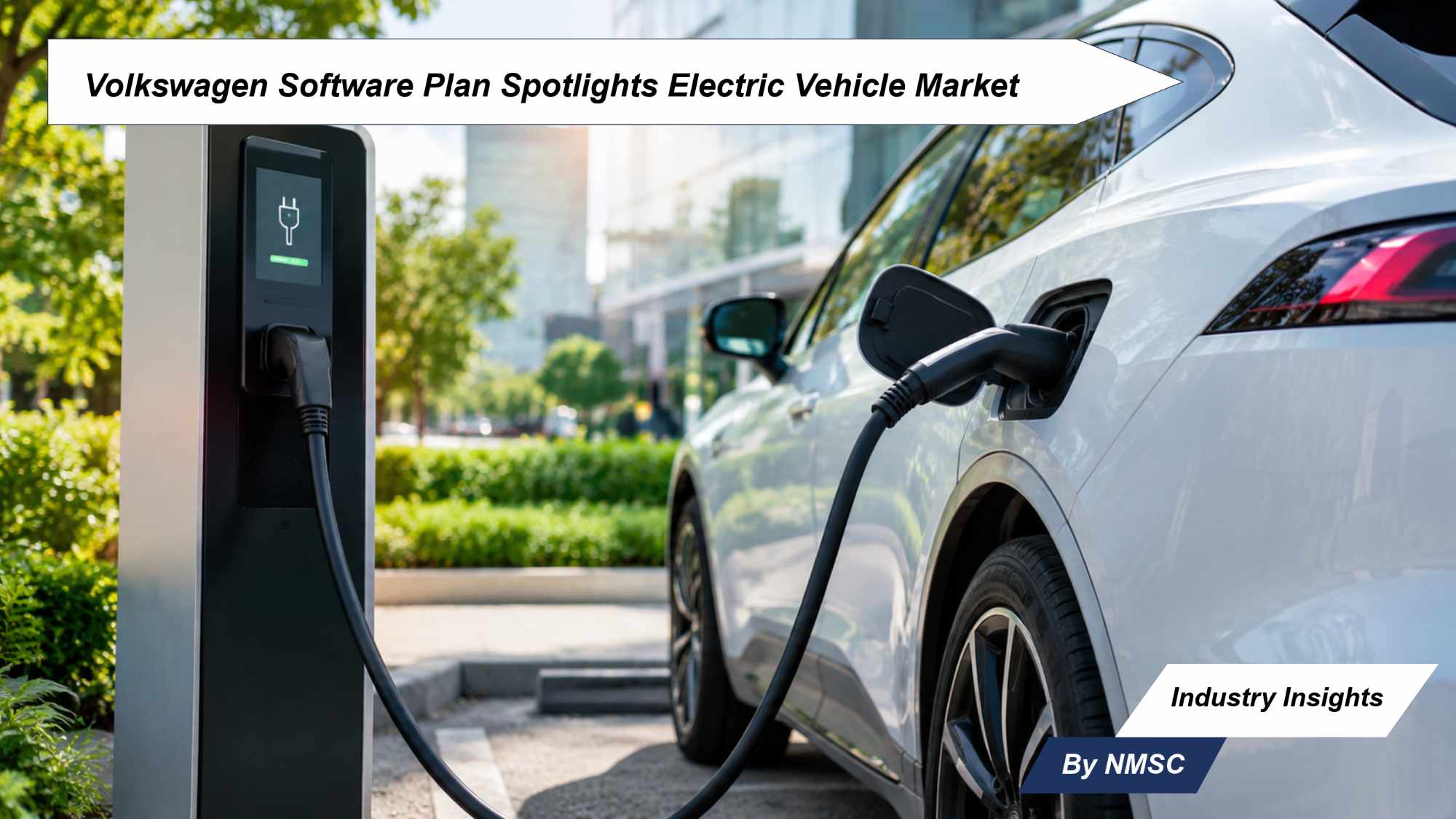
Volkswagen’s Software Strategy Highlights a New Front in Electric Vehicle Competition
BERLIN, Germany — October 27, 2026 — Volkswagen is considering using software developed for its Chinese-market vehicles across much of its European mass-market lineup, according to a media report published on Monday. The reported proposal has implications for the electric vehicle market.
The system, known as the China Electronic Architecture, was developed for Chinese models in cooperation with EV maker Xpeng. German business magazine Manager Magazin reported, citing sources, that it could form the basis for future cars from the Volkswagen, Skoda and Cupra brands. The proposal would cover around three quarters of next-generation models from the three brands, which are expanding their EV offerings in Europe. Core brand chief Thomas Schaefer is expected to present it to management on Tuesday, the report said. Volkswagen declined to comment.
According to Reuters, the company has so far kept its software separate. It uses the Xpeng-developed architecture for China and is developing a separate technology for Western markets with US partner Rivian, in a $5.8 billion investment at the center of CEO Oliver Blume’s software strategy. Reuters also noted that Volkswagen has struggled to keep pace on software, with its wide range of brands, from mass-market marques to Audi and Porsche, complicating scaling, including at in-house unit Cariad.
According to Next Move Strategy Consulting, the electric vehicle market was valued at USD 273.4 billion in 2021. It is projected to reach USD 1,869.9 billion by 2030, a compound annual growth rate of 24.4% from 2022 to 2030.
Key Highlights:
-
The reported proposal would apply to roughly three quarters of next-generation Volkswagen, Skoda and Cupra models in Europe.
-
The China Electronic Architecture was developed with Xpeng, while the Western-market technology is being developed with Rivian under a $5.8 billion investment.
-
Reuters described the reported move as one that threatens to sideline Rivian.
-
Volkswagen declined to comment on the Manager Magazin report.
Analyst Insight:
According to analysts at Next Move Strategy Consulting, Asia-Pacific dominates the global electric vehicle market and is expected to remain dominant through the forecast period. NMSC analysts note that China is the world’s largest producer and consumer of EVs and that the region is home to manufacturers including XPeng.
NMSC analysts also observe that Europe shows steady growth, supported by government incentives, improved charging infrastructure and emission standards. They add that technological advances such as self-driving EVs and vehicle-to-grid systems are expected to create growth opportunities. Volkswagen, Rivian and XPeng are among the key players profiled in the NMSC report.
Industry Outlook:
If adopted, the proposal would extend the architecture used in China to the group’s core European brands, where Volkswagen has so far used separate technology. NMSC projects the electric vehicle market to expand at a 24.4% CAGR through 2030, with Asia-Pacific expected to retain the largest share. Management’s response to the proposal, and any confirmation from Volkswagen, will determine whether the plan advances.
Source: Reuters
For More Information: Download FREE Sample on Electric Vehicle Market
Prepared By: Sanyukta Deb
About the Author
 Sanyukta Deb
— Sanyukta Deb is Digital Marketing Team Lead at Next Move Strategy Consulting, where she has led content strategy and technical SEO for the firm's B2B market research publications for over 2 years. Her editorial process translates NextMSC's primary and secondary research — spanning technology, industrial, and consumer sectors — into commercial narratives, backed by search-intent, keyword, and competitive analysis. She brings 5 years of overall experience in digital marketing and content strategy.
About the Reviewer
 Debashree Dey
— Debashree Dey is Assistant Manager at Next Move Strategy Consulting, where she supports cross-vertical market content and communications across diverse industries for 6 years. Her professional background includes senior content writing, communications, and published manuscript authorship, with experience developing audience-focused business narratives and maintaining clear, consistent messaging. Her role supports research-led content development and editorial quality across NextMSC publications.














Add Comment