WHO Marks World Patient Safety Day 2026 for NCD Care
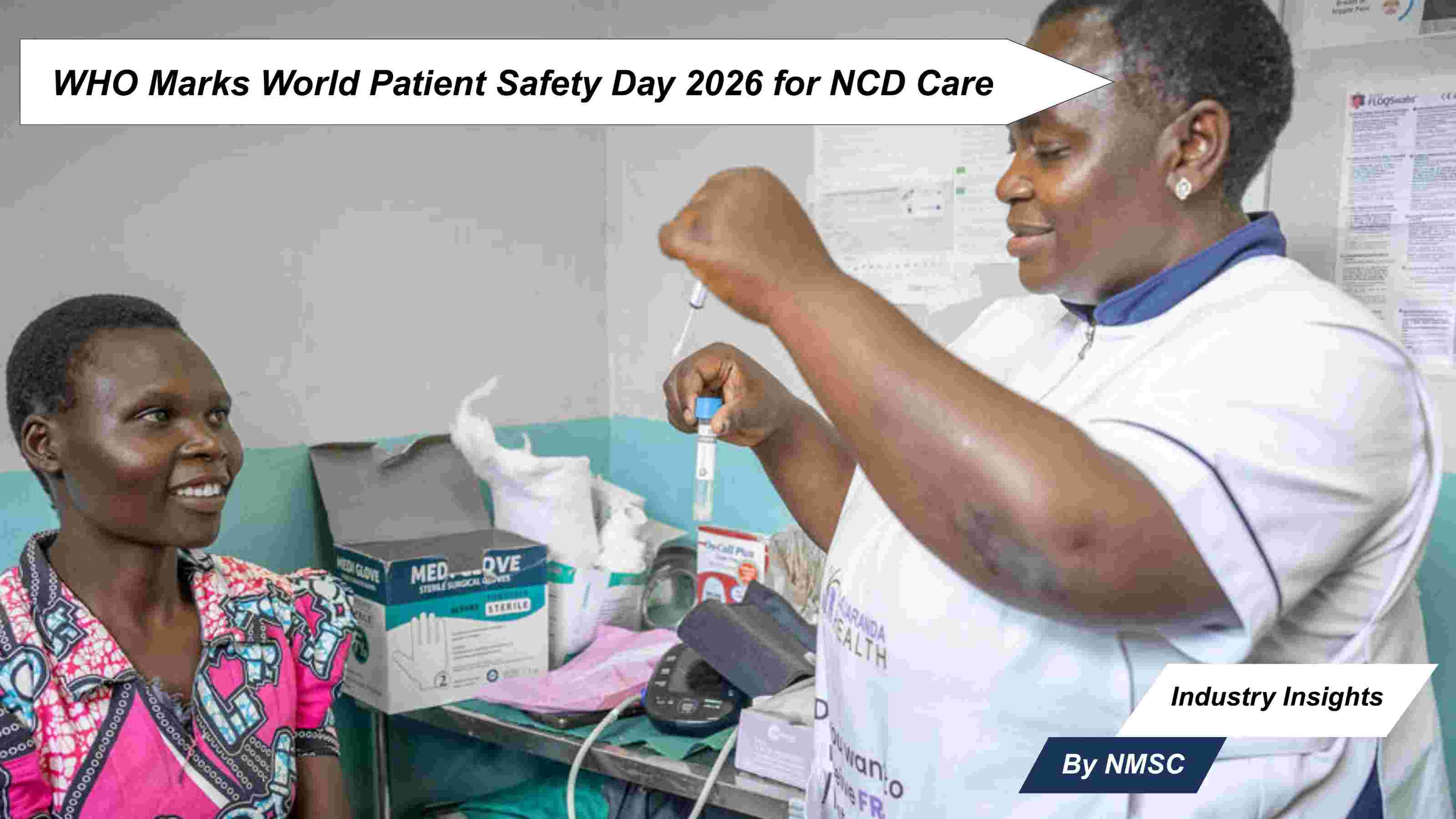
WHO Observes World Patient Safety Day 2026, Spotlighting NCD Safe Care in Global Hospitals
GENEVA, Switzerland September 17, 2026, the World Health Organization (WHO) today officially observed World Patient Safety Day 2026, launching a global campaign under the theme "Safe care for noncommunicable diseases" and the slogan "Safe care for life!" a development carrying direct implications for the global hospital market, valued at USD 7.39 trillion in 2024 and projected to reach USD 10.29 trillion by 2030, growing at a CAGR of 5.7% through 2030.
The campaign, observed annually on September 17, calls for multisectoral and multi-stakeholder action to ensure that no patient is harmed while receiving care for NCDs conditions such as cardiovascular diseases, cancers, diabetes, and chronic respiratory diseases that require ongoing, long-term hospital engagement.
NCDs currently account for 74% of deaths worldwide, and globally, 1 in 10 patients is harmed during healthcare delivery, with approximately half of that harm considered preventable. For patients with conditions such as cancer, up to 1 in 3 individuals experience adverse events during the course of their care.
WHO convened a working group in early March 2026, drawing 12 experts representing all WHO regions, to shape the campaign's global communication strategy. Key insights from the consultation emphasized recognizing people living with NCDs as partners in care rather than passive patients, and positioning patient safety as a concern that extends beyond clinical settings into everyday life.
On September 17, iconic landmarks and public spaces across the world including the Jet d'Eau in Geneva are being illuminated in orange to demonstrate global solidarity and commitment to safer NCD care. Activities worldwide include awareness campaigns, policy dialogues, technical events, and community-led initiatives.
Key Highlights:
-
Global NCD burden: Noncommunicable diseases account for 74% of all deaths worldwide, placing sustained pressure on hospital systems to deliver safe, continuous, and integrated care.
-
Patient harm prevalence: 1 in 10 patients globally is harmed during healthcare delivery; for cancer patients specifically, up to 1 in 3 experience adverse events underscoring the urgency of safety reforms within hospital settings.
-
Campaign scope: WHO's 2026 campaign calls for strengthening primary health care systems, supporting health workers, and integrating patient safety principles across NCD-related legislation, policies, and hospital programmes.
-
Hospital market trajectory: The global hospital market, valued at USD 7.39 trillion in 2024, is forecast to reach USD 10.29 trillion by 2030 at a CAGR of 5.7%, driven in part by rising chronic disease prevalence and growing demand for specialized NCD care.
Analyst Insight:
According to analysts at Next Move Strategy Consulting, WHO's World Patient Safety Day 2026 campaign reinforces a structural shift already underway in the global hospital sector one in which patient safety frameworks and NCD management protocols are becoming central to hospital investment and operational planning. As chronic disease prevalence continues to rise globally, hospitals that proactively integrate safety-first care pathways for NCD patients are positioned to capture a growing share of long-term care demand.
NMSC analysts further note that the campaign's emphasis on primary health care integration and health workforce support aligns with broader market drivers, including government investment in healthcare infrastructure and the accelerating adoption of AI-powered diagnostic tools both of which are expected to enhance hospital efficiency and patient outcomes across the forecast period through 2030.
Industry Outlook:
WHO's 2026 World Patient Safety Day campaign arrives at a pivotal moment for the global hospital sector. With NCDs driving the majority of global mortality and hospitalizations, the call for systemic improvements in safe NCD care is expected to translate into increased capital allocation toward specialized hospital services, advanced diagnostic infrastructure, and integrated care coordination platforms.
The campaign's emphasis on meaningful patient engagement and cross-sector collaboration signals a broader policy direction that hospital operators, health systems, and technology providers will need to align with in the years ahead. As governments and international bodies intensify their focus on NCD outcomes, hospitals that embed patient safety as a core operational standard rather than a compliance requirement are likely to be better positioned for sustainable growth within an expanding global market.
Source: World Health Organization (WHO)
For More Information: Download FREE Sample on Hospital Market Report
Prepared By: Sanyukta Deb
About the Author
 Sanyukta Deb
— Sanyukta Deb is Digital Marketing Team Lead at Next Move Strategy Consulting, where she has led content strategy and technical SEO for the firm's B2B market research publications for over 2 years. Her editorial process translates NextMSC's primary and secondary research — spanning technology, industrial, and consumer sectors — into commercial narratives, backed by search-intent, keyword, and competitive analysis. She brings 5 years of overall experience in digital marketing and content strategy.
Sanyukta Deb
— Sanyukta Deb is Digital Marketing Team Lead at Next Move Strategy Consulting, where she has led content strategy and technical SEO for the firm's B2B market research publications for over 2 years. Her editorial process translates NextMSC's primary and secondary research — spanning technology, industrial, and consumer sectors — into commercial narratives, backed by search-intent, keyword, and competitive analysis. She brings 5 years of overall experience in digital marketing and content strategy.
About the Reviewer
 Debashree Dey
— Debashree Dey is Assistant Manager at Next Move Strategy Consulting, where she supports cross-vertical market content and communications across diverse industries for 6 years. Her professional background includes senior content writing, communications, and published manuscript authorship, with experience developing audience-focused business narratives and maintaining clear, consistent messaging. Her role supports research-led content development and editorial quality across NextMSC publications.
Debashree Dey
— Debashree Dey is Assistant Manager at Next Move Strategy Consulting, where she supports cross-vertical market content and communications across diverse industries for 6 years. Her professional background includes senior content writing, communications, and published manuscript authorship, with experience developing audience-focused business narratives and maintaining clear, consistent messaging. Her role supports research-led content development and editorial quality across NextMSC publications.

















Add Comment